The Cinematic Politics of Trans Representation
Characters
For decades, Hollywood has treated trans representation like a costume change — another technical challenge for a cis actor to master, leaning on the spectacle of transition as both marketing hook and dramatic engine. The logic behind these casting decisions can seem airtight on the surface: if the story is about gender transition, why not show an actor physically “becoming” someone else? But if you scratch even lightly at that logic, you start to see the cracks — not just ethical ones, but psychological ones. In practice, it subconsciously shapes how entire generations come to view trans people, sometimes in ways the films never intended.

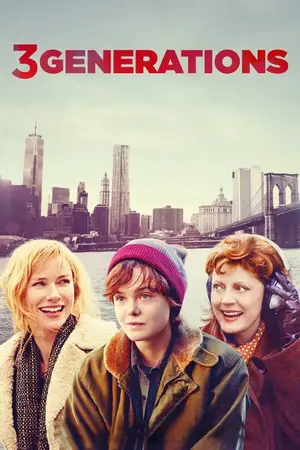
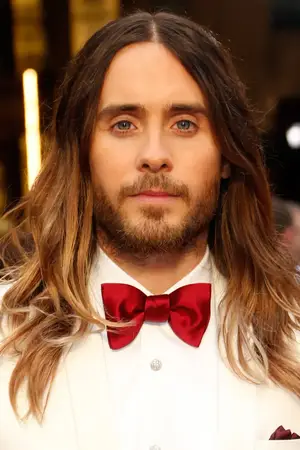
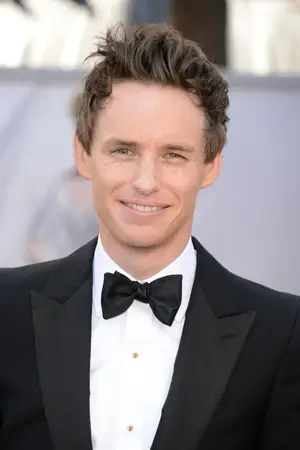
Most of the classic examples involve notable cis actors taking on roles where they “transform” into the opposite gender — Jared Leto in Dallas Buyers Club, Eddie Redmayne in The Danish Girl, John Cameron Mitchell in Hedwig and the Angry Inch; Hilary Swank in Boys Don’t Cry, Noémie Merlant in A Good Man, Elle Fanning in 3 Generations. The list goes on. On a purely surface level, this checks out: take a cis man or woman and depict them transitioning. It seems to make sense biologically, logistically, visually.

But this is where things get dicey. Casting cis actors to play trans characters of the opposite gender leads audiences to subconsciously associate the actor’s cis identity as the character’s “real” identity. Viewers see Jared Leto as “a man pretending to be a woman,” reinforcing the idea that trans people are always what they were assigned at birth and that their gender is merely something worn like a costume.

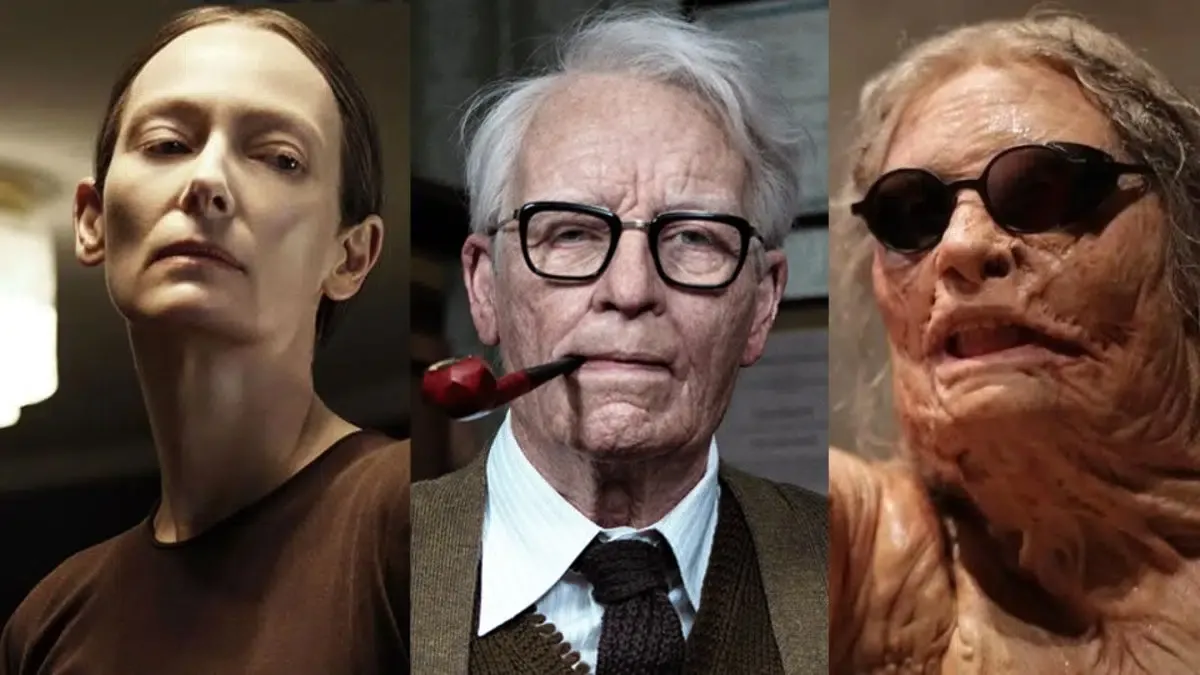
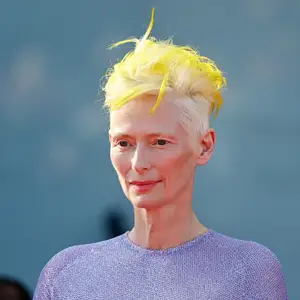
Still — there are reasons this casting model became standard. For actors, playing a character of a different gender is a rare challenge, one that doesn’t always need to be tied to transness (see Tilda Swinton in Suspiria, Robin Williams in Mrs. Doubtfire) but often is. And in stories where transition is the dramatic core, the tension comes from that transformation. The meat of that role is going to come post-transition. From an audience standpoint, you probably don’t want the most fascinating part of the performance — the transformation — to happen in the first act and vanish. There’s nothing to build up to. Transformation sells. And since film is a business, studios have historically leaned toward whatever gets butts in seats.

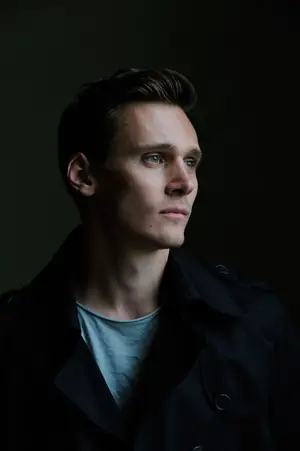
There are, however, notable flips. A surprising number of cis women have played trans women: Tilda Swinton in Orlando, Pam Grier in Escape from L.A., Felicity Huffman in Transamerica, and most recently Sofia Otero in 20,000 Species of Bees (for which she won the Silver Bear at Berlin). Cis men playing trans men, meanwhile, are far rarer — the only example I could find was Rick Okon in the German film Romeos from 2011.
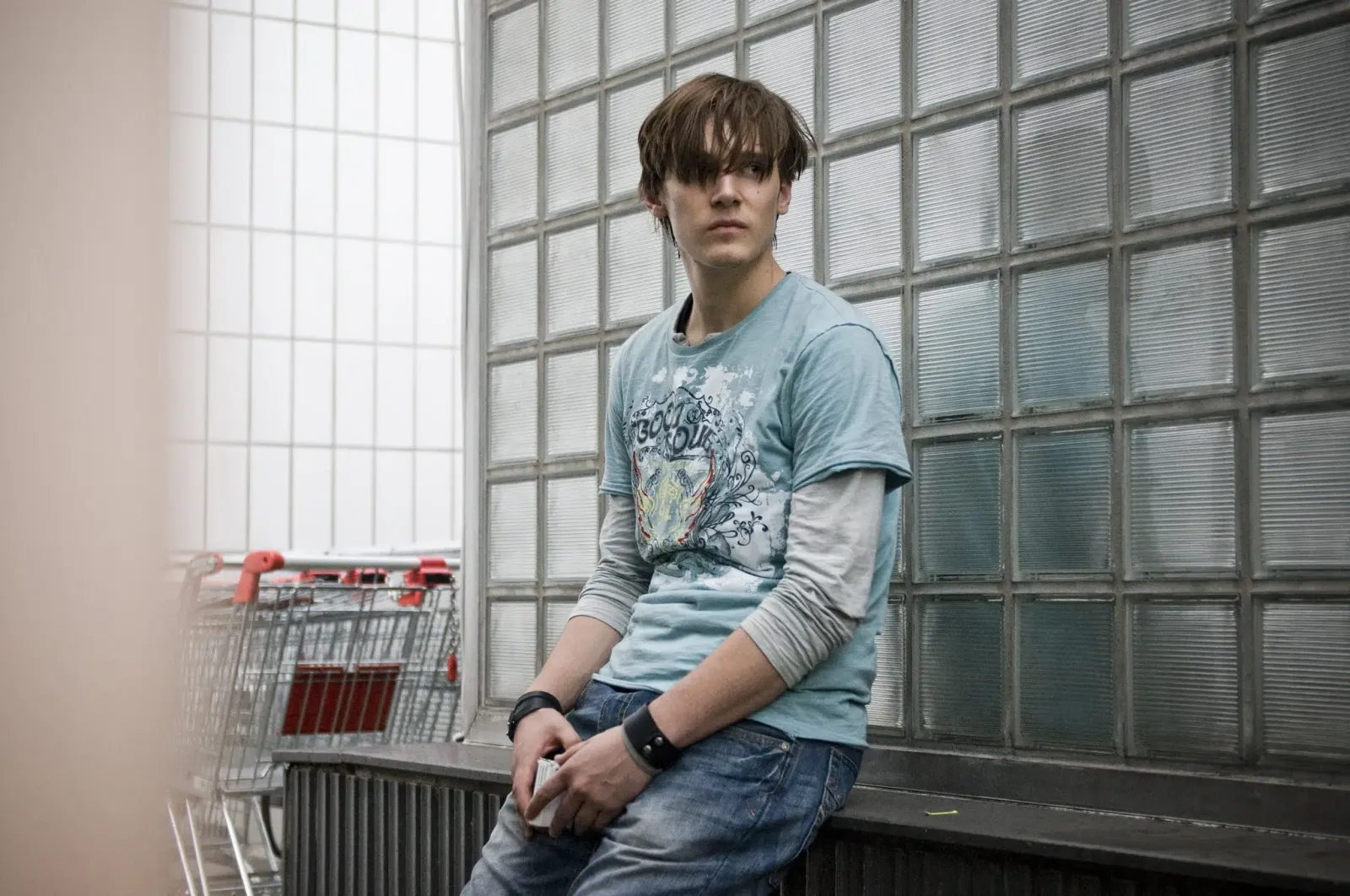
Does this flipped dynamic shape viewer perception differently? Maybe. Films featuring opposite-gendered casting tend to receive more acclaim — from audiences, critics, and awards recognition alike — though it’s impossible to know how much of that is tied to representation versus broader craft.

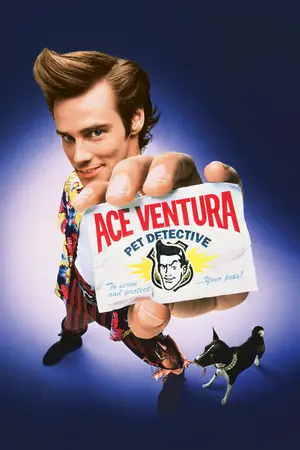
Of course, there are good and bad examples across the board. Ace Ventura: Pet Detective is notoriously negative in its depiction of trans identity. But representation is one ingredient among many — not the sole factor in judging a film’s value, message, or performance. And if I’m being honest, the culture-war discourse around these topics often feels like a smokescreen meant to keep the public arguing while the ruling class laughs all the way to the bank. But that’s a topic for another day.

Representation itself is complicated, because acting is inherently impersonation. If every actor had to perfectly match every character on every axis of identity, film would be a dead medium. Do only gay men get to play gay men? Can only Vietnamese actors play Vietnamese characters — and where do you draw that boundary when the realities of diaspora blur nationality? Should women never play male roles like Swinton in Suspiria? Must the Pope be played exclusively by a devout Catholic actor? Obviously some of these examples are facetious, but they illustrate the slippery slope.
It’s also crucial to remember the historical context. Before the 2000s — and in many regions still today — trans people were widely unaccepted. And back then, there were hardly any openly trans actors with access to stable careers. The industry relied on bankable names to tell stories at all, and for better or worse, audiences bought tickets to see actors they recognized undergo transformations. That was the only way these stories could be told at scale.

Lately, I’ve seen people retroactively labelling older films like Boys Don’t Cry as problematic or transphobic, which feels absurd to me. Revisionism that ignores social progress flattens history. You can’t hold artists of the past to standards that didn’t exist yet. It’s like judging The Little Rascals by 2024 expectations — absurd. Yet The Little Rascals was groundbreaking at the time, helping break the colour barrier in film and TV. Progress is always contextual.

A more recent example: in 2018, Scarlett Johansson was cast in Rub and Tug as Dante “Tex” Gill, a real trans man. Johansson stepped down after backlash, and the project shifted toward converting to a TV series and prioritized casting a trans actor. But here we are, nearly a decade later, and the project seems dead. Not a peep about its production since a 2020 Vanity Fair article. Is that really better? Should the story disappear entirely because it doesn’t meet an ideal standard of purity?

Would we discard Boys Don’t Cry or The Little Rascals because they don’t fully align with today’s cultural sensitivities? I don’t think so. Without early, imperfect steps, we wouldn’t get the sophisticated, nuanced representations that come later. Without The Little Rascals, we may never have gotten Spike Lee’s Do The Right Thing. Without Boys Don’t Cry, we may never have gotten Sean Baker’s Tangerine. We have to allow baby steps so others can take great leaps.
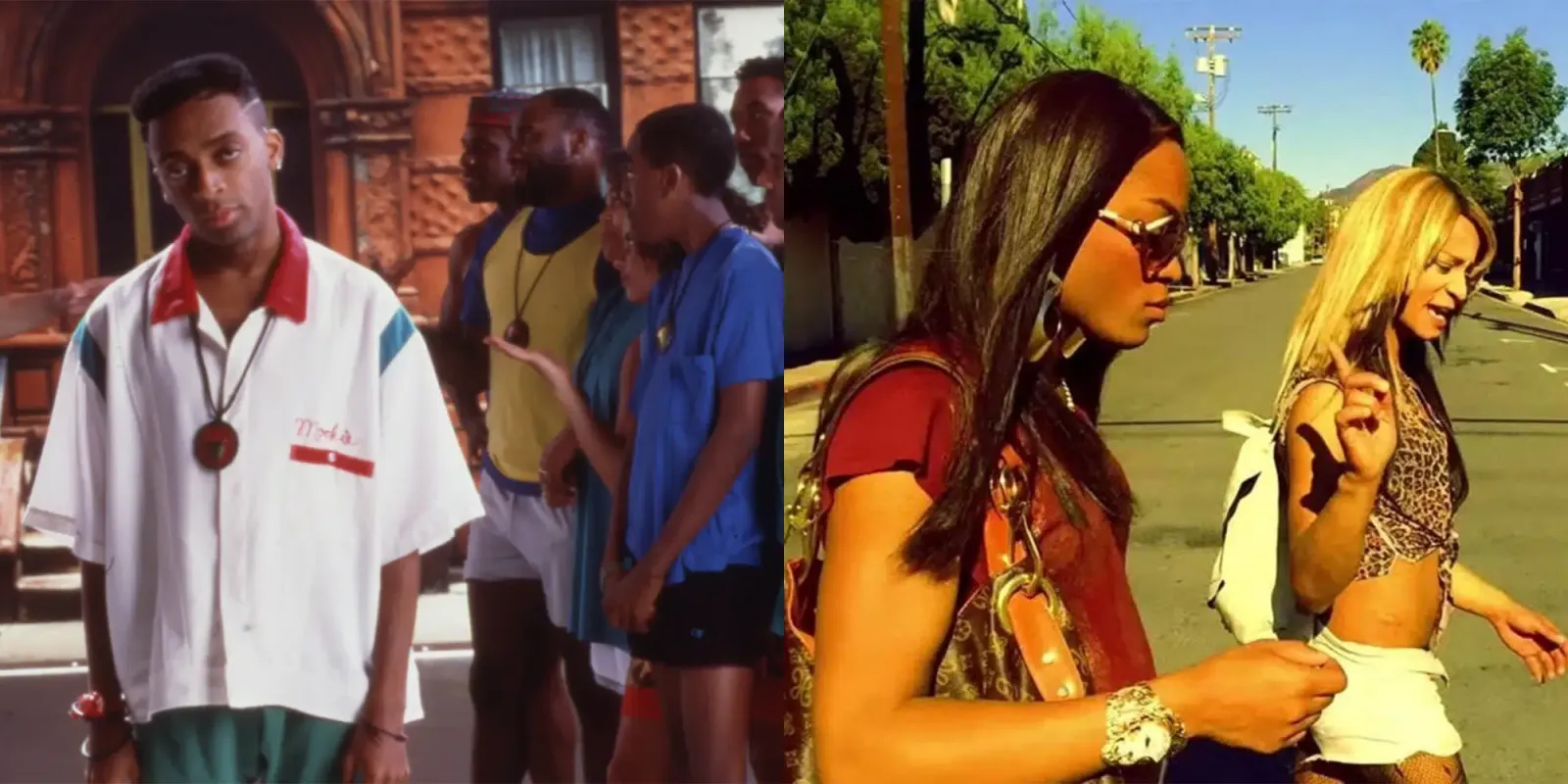
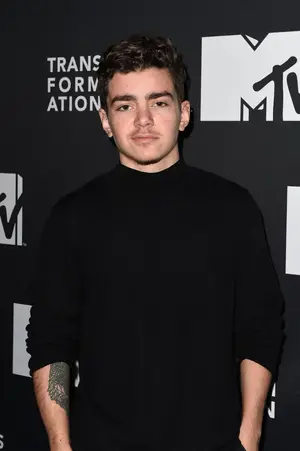
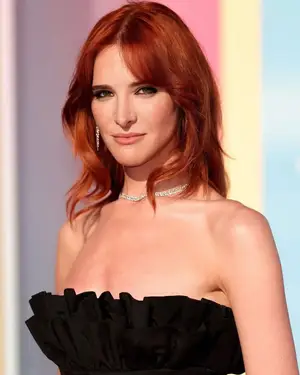
Thankfully, we’re reaching that leap-taking era. Enough trans actors have emerged, come out, and been given the space to portray trans characters authentically. Hunter Schafer in Euphoria, Elliot Fletcher in Shameless and The Fosters, Hari Nef in Assassination Nation, and of course Elliot Page — arguably the highest-profile actor to transition publicly. There will be more. The road is paved.

Elliot Fletcher | Hari Nef
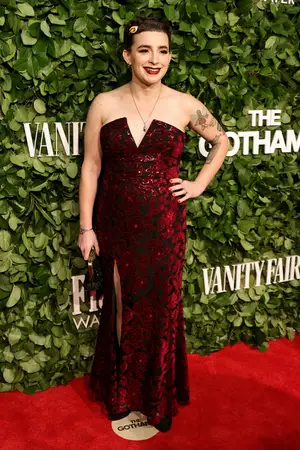
One of the most exciting examples of this new era is Vera Drew in The People’s Joker. Vera isn’t just the star — she’s the writer, director, and editor. She plays both a pre-transition version of herself (as a cis man within the film’s satire) and herself post-transition. It’s, in my opinion, the best example of trans representation in film to date: nuanced, self-reflexive, and bold. It’s unlike anything that’s ever been made before, and unlike anything anyone other than Vera Drew could create. Certainly a hell of a lot more nuanced than a certain Oscar-winning film from 2024 that attempted a similar approach without half the insight.
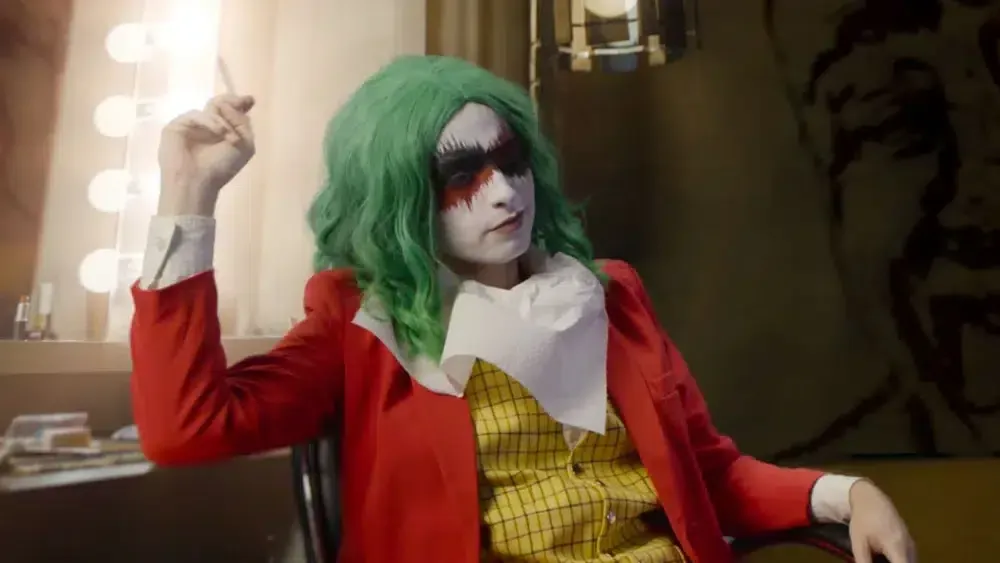
Cinema survives because it changes — because each generation inherits the limitations of the last and tries, sometimes awkwardly, to transcend them. So the question isn’t whether past films “got it wrong,” but what we choose to do with the stepping stones they left behind. Erasing Rub and Tug, disowning Boys Don’t Cry, and trying to forget the existence of Emilia Pérez doesn’t advance trans representation — it just narrows the timeline. What matters now is recognizing that we’ve finally reached a point where actors like Vera Drew can portray themselves across their own timelines, where trans stories can be told without compromise. Not every film is going to be a homerun. Not every example representation is going to be perfectly ideal. Progress isn’t clean. But it’s happening, and it’s ours to keep pushing.
Mentioned in this piece
 The People's Joker2022
 Dallas Buyers Club2013
 Hedwig and the Angry Inch2001
 Boys Don't Cry1999
 Tangerine2015
 The Danish Girl2015
 3 Generations2015
 A Good Man2020
 Ace Ventura: Pet Detective1994
 20,000 Species of Bees2023
 Romeos2011
 Orlando1992
 Escape from L.A.1996
 Do the Right Thing1989
 Transamerica2005
 Vera Drew
 Jared Leto
 Eddie Redmayne
 John Cameron Mitchell
 Hilary Swank
 Elle Fanning
 Noémie Merlant
 Hunter Schafer
 Elliot Page
 Elliot Fletcher
 Hari Nef
 Tilda Swinton
 Sofía Otero
 Sean Young
 Rick Okon
Comments 5