The Slasher That Knew What It Was Doing (Before Anyone Else Did)
General Reviews
This is my first year helming a Run n Gun project, and it’s gearing up to be a good one.

It was intended to be a proof-of-concept for a longer giallo-inspired script I’ve already written, but has since evolved into a completely different beast. It’s a campy 80’s slasher throwback satire with influences ranging from Friday the 13th to Torso, The Love Witch, Dude Bro Party Massacre III, and Garth Marenghi’s Darkplace among many others But the principle inspiration comes from the 1982 classic, The Slumber Party Massacre.
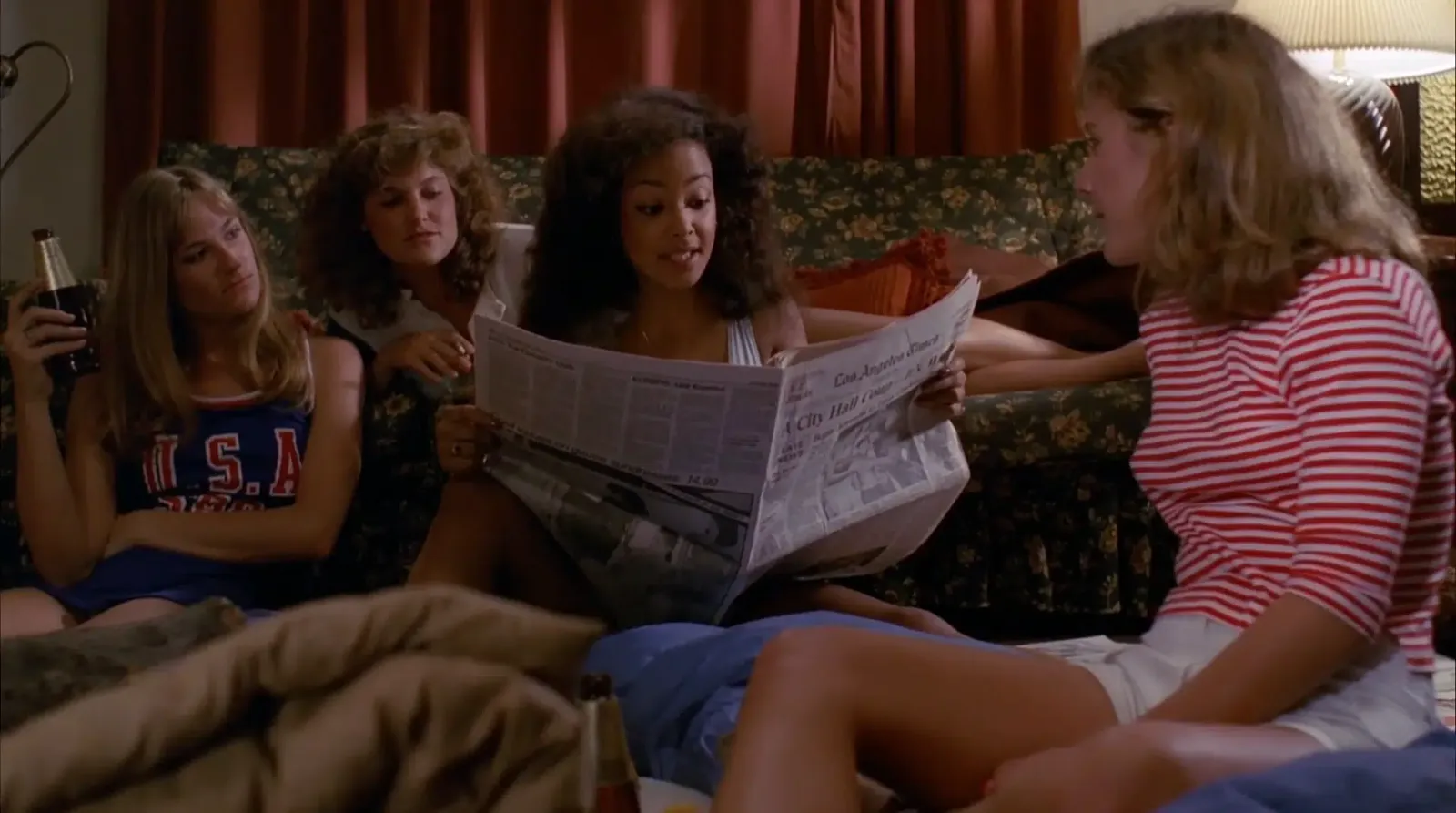
Released in 1982, The Slumber Party Massacre is one of those beautiful little VHS-rack mutants that somehow transcends its own exploitation packaging. On paper, it sounds like pure grindhouse nonsense: a bunch of teenage girls having a sleepover while an escaped killer stalks them with a giant power drill that looks aggressively Freudian. Real subtle stuff. It's the kind of movie you’d expect to find in a sticky bargain bin beside forty-seven interchangeable Friday the 13th knockoffs and a water-damaged copy of Sorority Babes in the Slimeball Bowl-O-Rama.
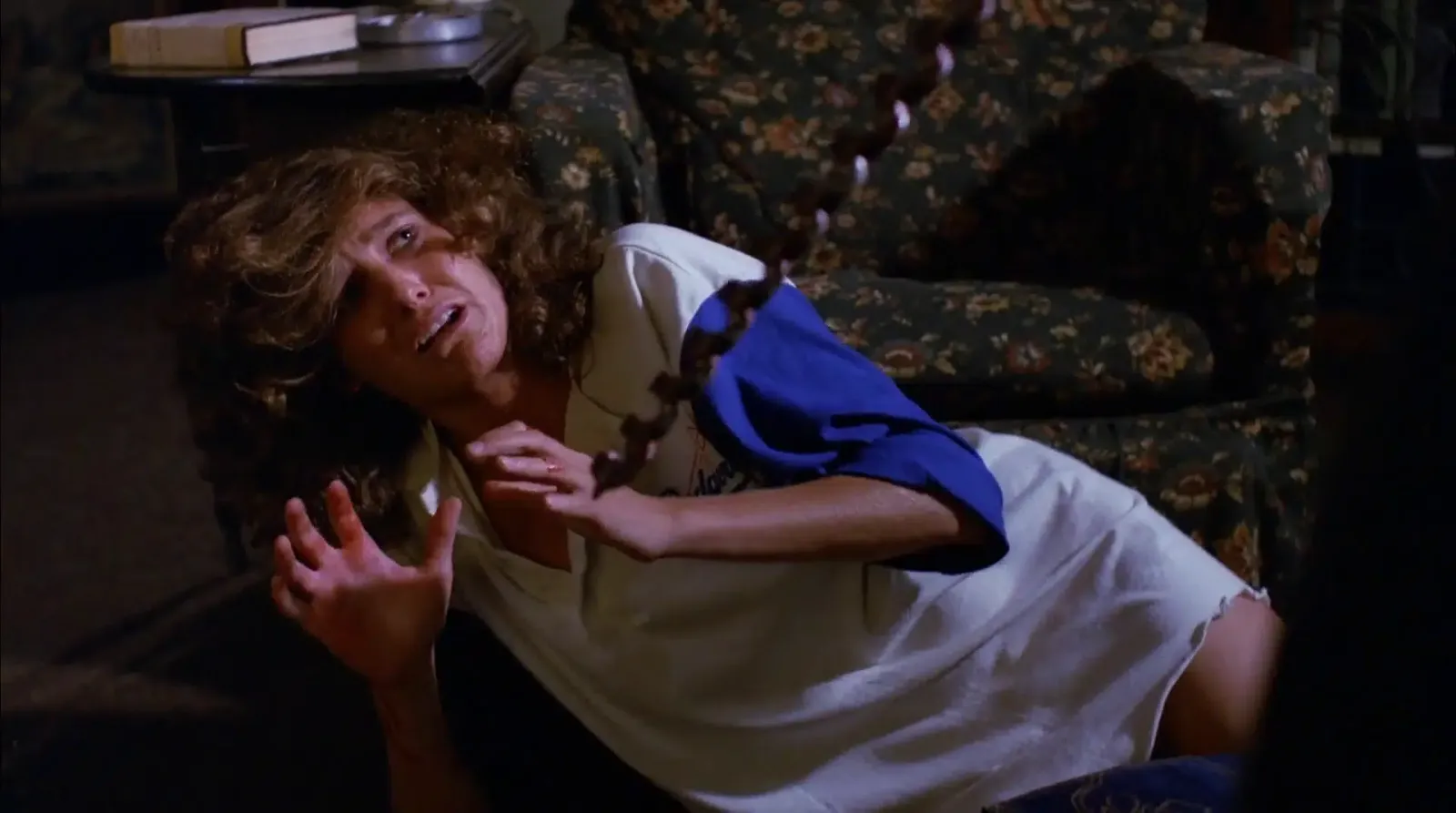
But then you actually watch it, and suddenly this thing has vibes.

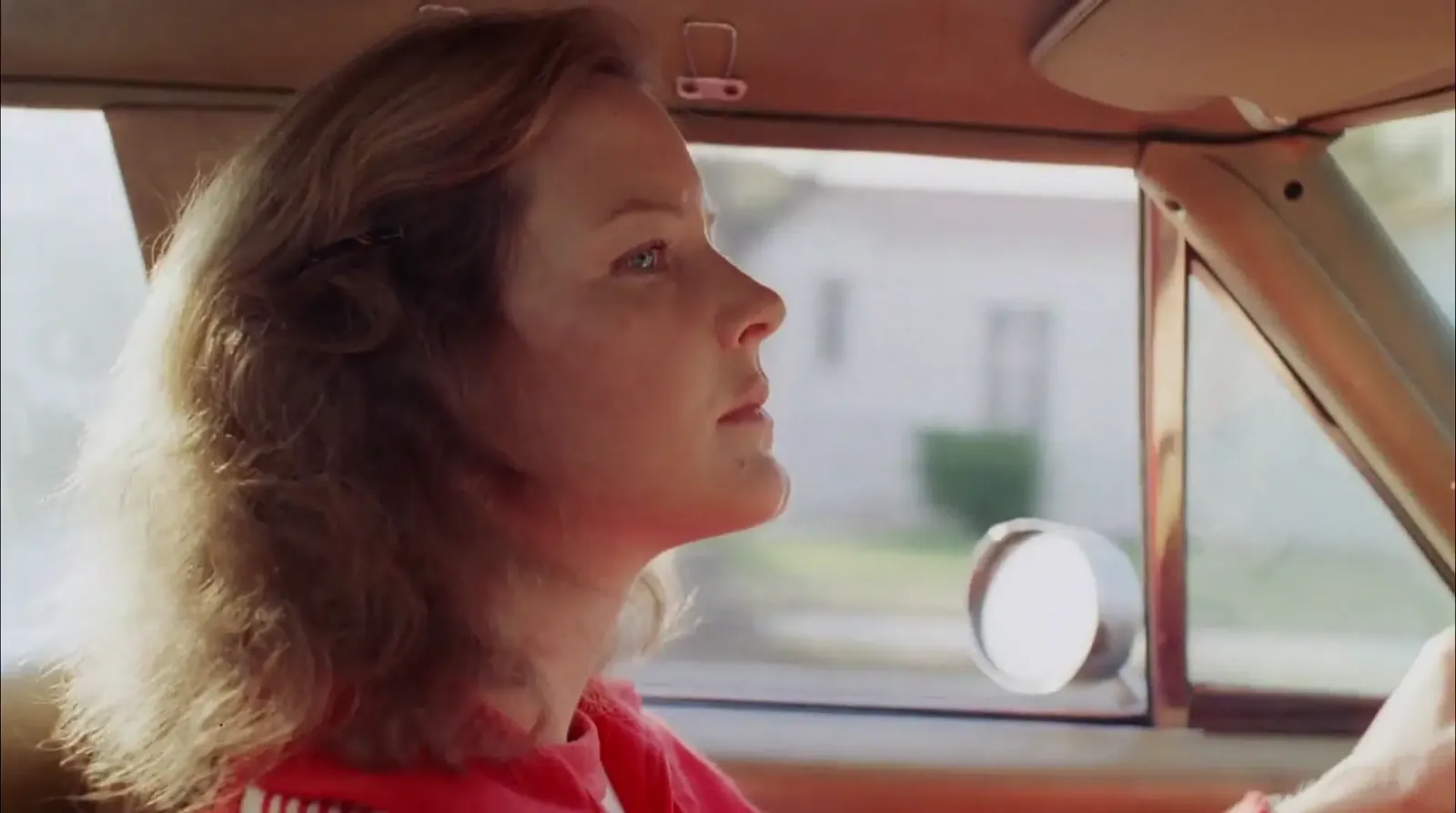
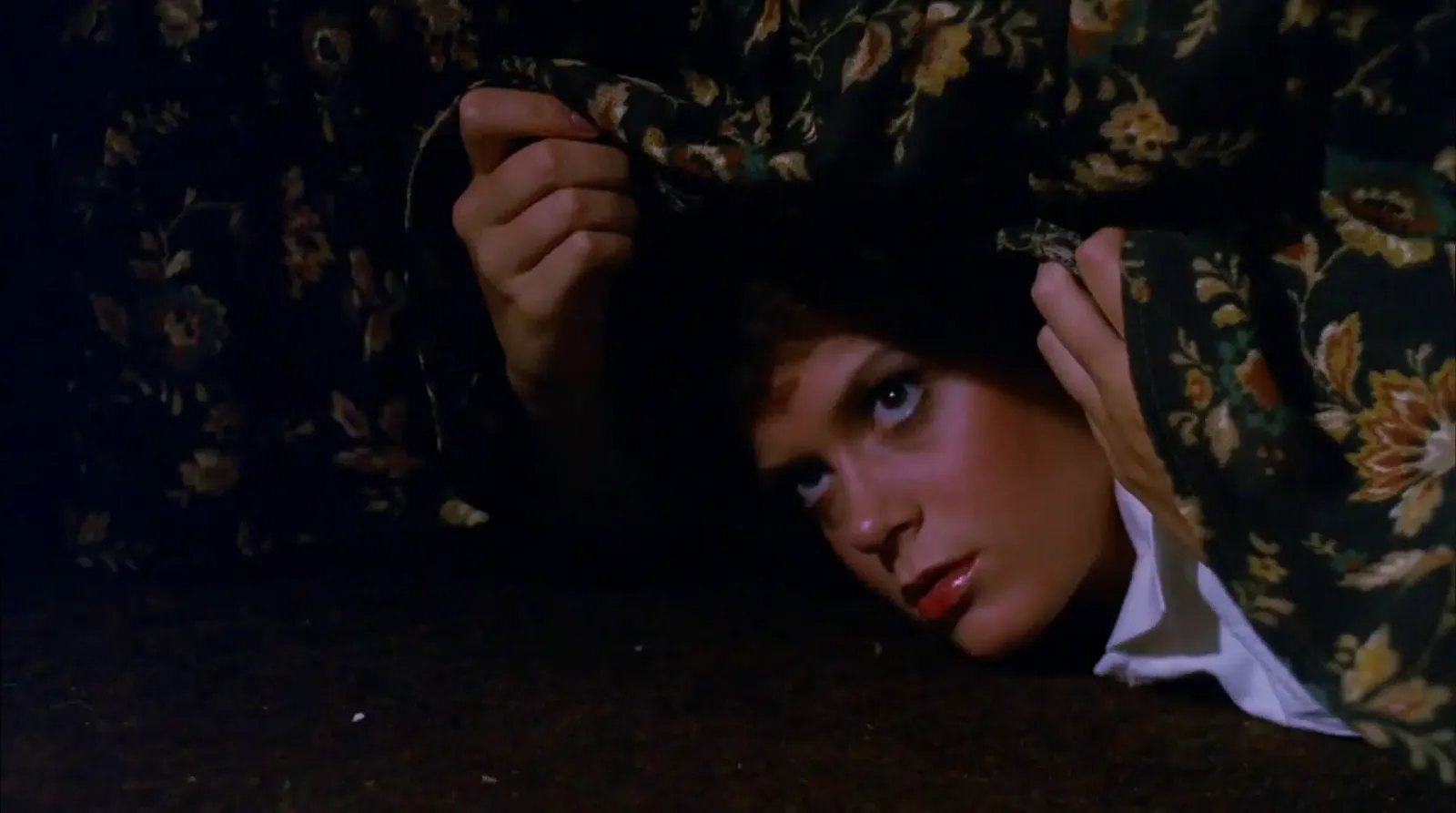
The opening is coated in film grain, lens smudges, scratches, and little black specks popping against the title cards like the print itself barely survived a house fire. It feels dirty in the best possible way. But buried beneath all that grime is some genuinely gorgeous cinematography. There’s a profile shot early on of one of the girls driving through suburban California that feels almost hypnotic, like somebody accidentally dropped a fragment of art-house melancholy into a sleazy Roger Corman drive-in slasher flick.
What really separates the film from other slashers of its era is its energy. Despite all the nudity, blood, and horny suburban chaos, the movie never feels leering in the same way a lot of exploitation horror does.

The sexuality exists more in the atmosphere — the big hair, flirtation, body language, awkward teenage insecurity, and charged sleepover intimacy — than in the camera actively trying to devour the actresses onscreen. It’s difficult to articulate without sounding like I just got out of a first-year film studies lecture while violently high, but trust me, the difference is there.

The part that most fascinates me about The Slumber Party Massacre is the unique blend of humour and horror none of its contemporaries had dared attempt yet. Somehow, it manages to perfectly satirize the slasher genre while it was still only in its infancy.
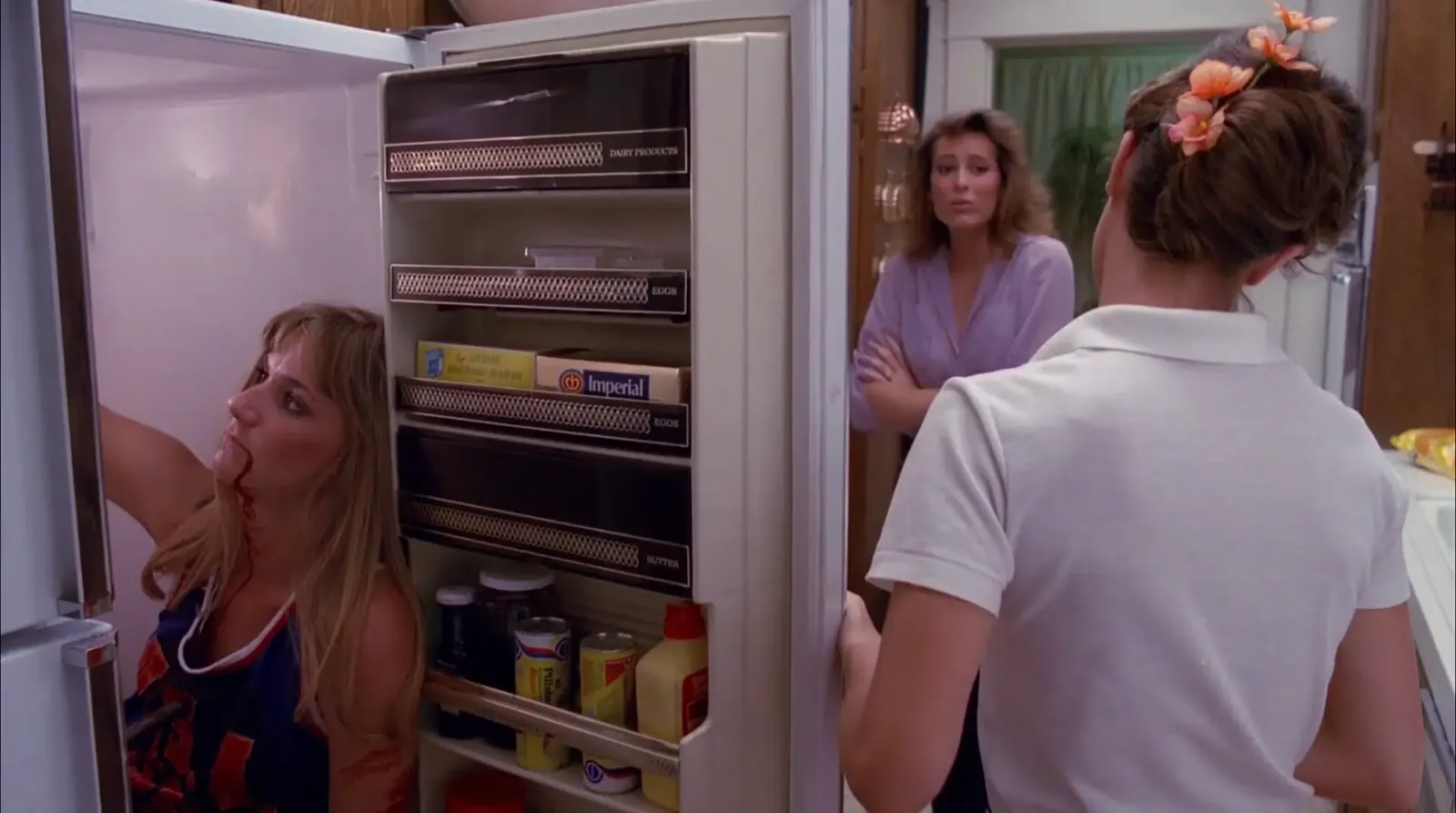
At the film’s time of release in 1982, there had only been one Texas Chainsaw Massacre, two Halloweens, and two Friday the 13ths. We hadn’t even been introduced to Child’s Play, Sleepaway Camp, or Nightmare on Elm Street at this point. Yet still, with barely a fully-formed subgenre to work with, it manages to bring the entire future of the slasher into its crosshairs.
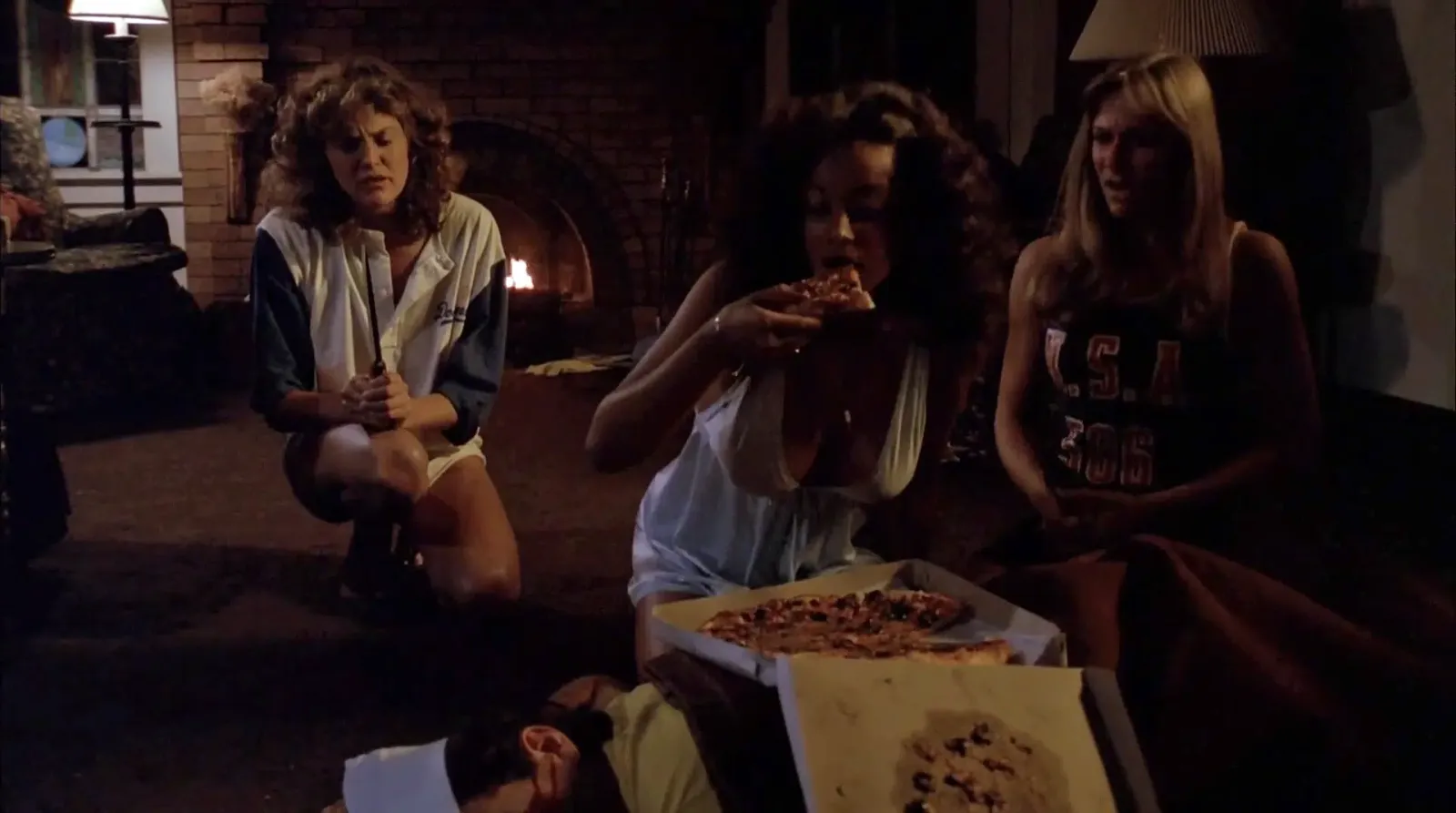
The feminist subtext of The Slumber Party Massacre is also about as subtle as getting hit in the face with a cordless Black & Decker.

Writer Rita Mae Brown originally conceived the screenplay as a parody of the slasher genre, while director Amy Holden Jones approached the material with enough sincerity that the film ended up occupying this weird tonal middle-ground between satire and legitimate horror.

The result is something strangely ahead of its time — a movie simultaneously indulging in slasher tropes while also dissecting them in real time like a frog in a high school science classroom soaked in fake blood.
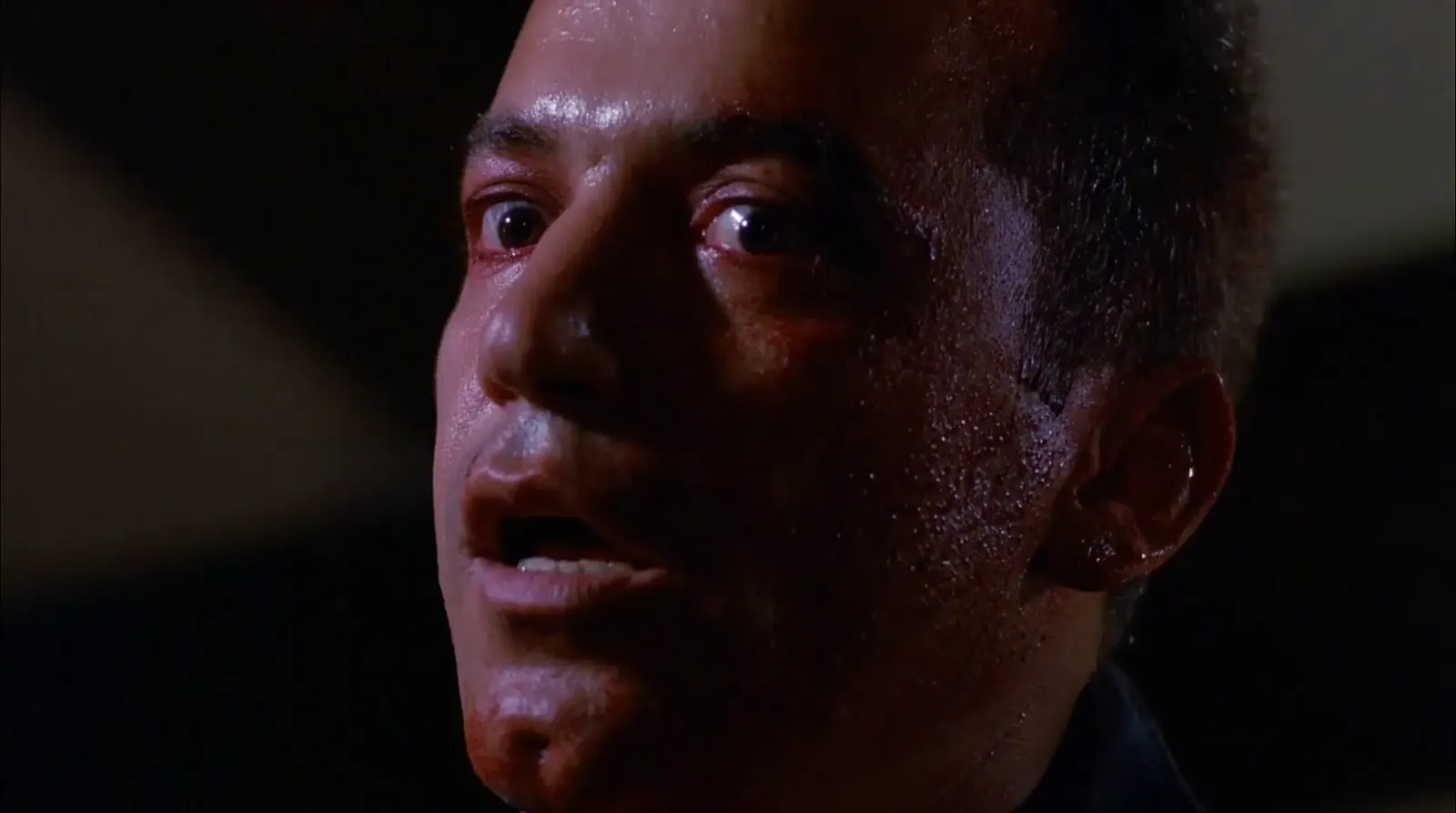
The men in the film are almost universally portrayed as peeping toms, emotionally stunted horndogs, violent psychos, or complete dipshits. Usually more than one at a time, and sometimes all at once.

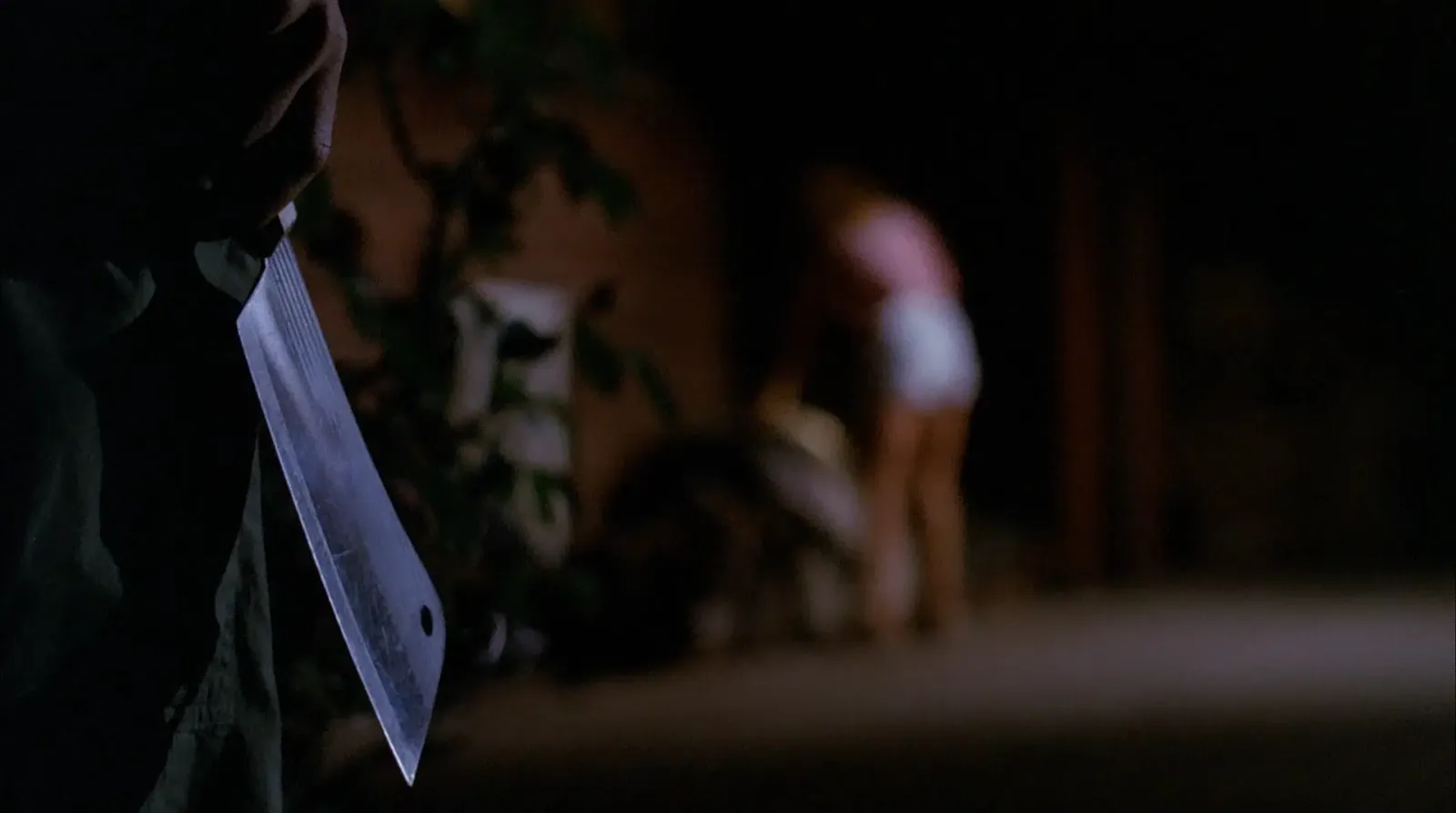
The killer himself barely even feels like a human being and instead comes across like the physical embodiment of predatory masculinity stumbling through suburbia with a giant phallic weapon attached to his arm. Meanwhile, the girls are allowed to feel confident, messy, insecure, funny, capable, and distinctly human in a way a lot of slashers from the era rarely permitted.
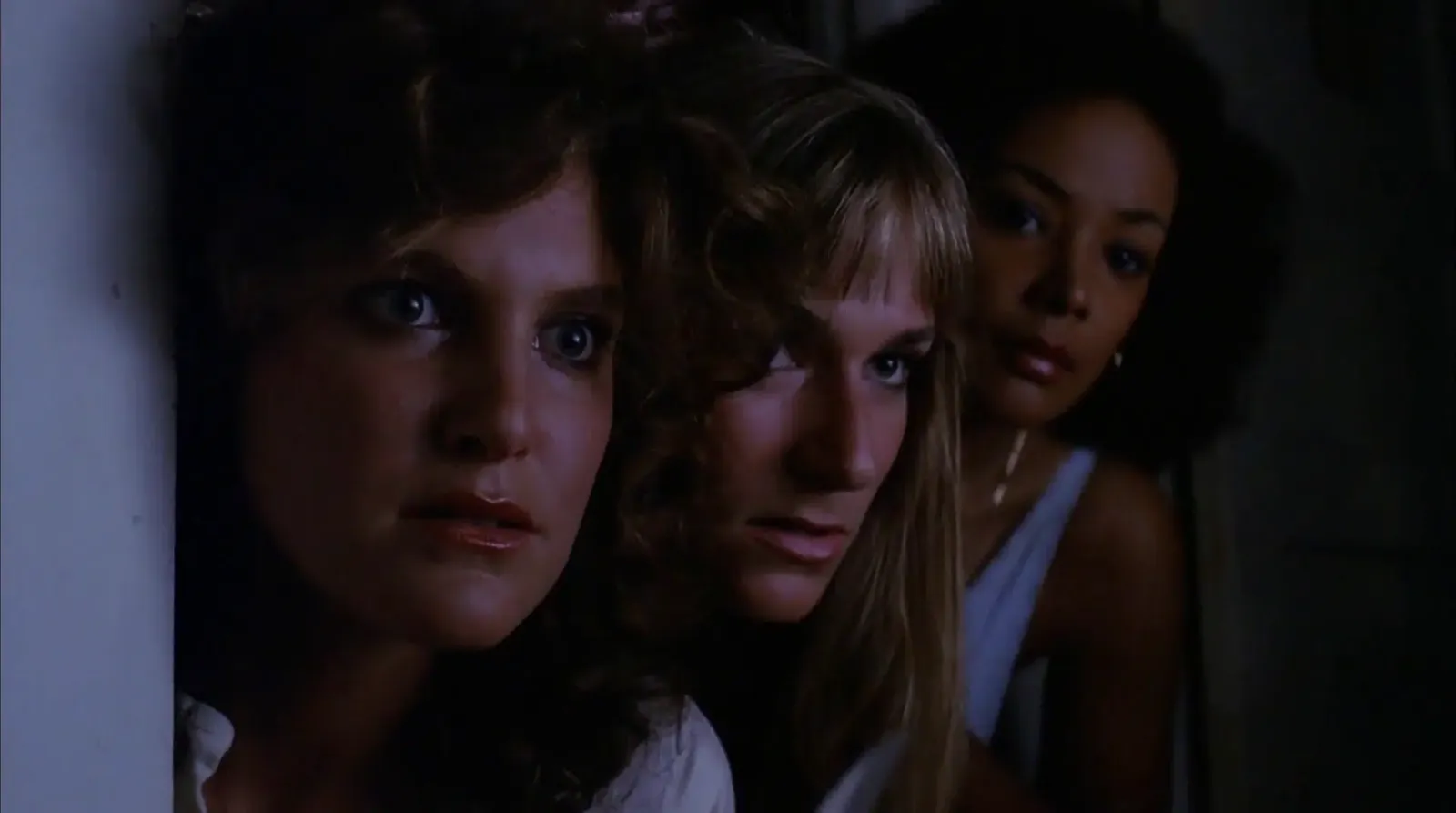
What fascinates me most is how the film critiques the male gaze while still being trapped inside the exploitation ecosystem of early 80s Roger Corman filmmaking. This wasn’t elevated horror made from a safe ironic distance.

Corman still expected the holy trinity: boobs, butts, and blood. And you can feel that push-and-pull tension baked directly into the DNA of the movie. It’s simultaneously participating in exploitation while side-eyeing the audience for enjoying it in the first place.

That contradiction is a major part of what makes The Slumber Party Massacre feel so alive and fresh more than forty years later.

And we’re doing our best to present our film — working title: Gal Pal Camp Massacre VII — in a similarly subversive way. With 75% of the cast and crew being female, we’re ensuring the perspective remains firmly feminist: avoiding a slip into empty exploitation, lazy stereotypes, or the leering eyes of the male gaze by actively calling attention to the genre’s more harmful tropes rather than simply recreating them.
And I must also give thanks to the wonderful platform of Peliplat, as it connected me with several members of this community who will also be joining me on this endeavor: Macie Campbell, who will be one of our core actors; and Emily English, our Production Designer. Without Peliplat, I never would have met them — and without them, I know this Run N Gun project would not be half as exciting as it’s becoming.
Thank you Peliplat.
Thank you Run n Gun.
See you all at the Orpheum.

Mentioned in this piece
 The Slumber Party Massacre1982
 Friday the 13th1980
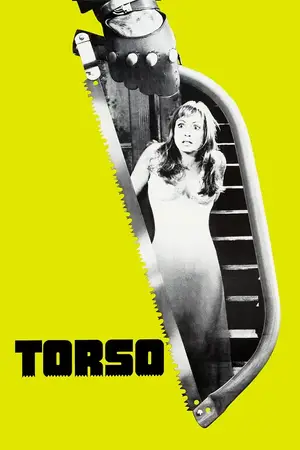 Torso1973
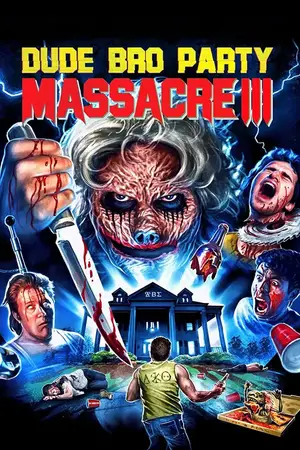 Dude Bro Party Massacre III2015
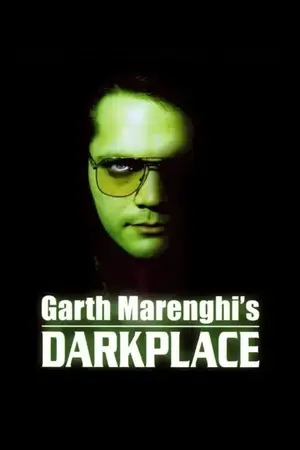 Garth Marenghi's Darkplace2004
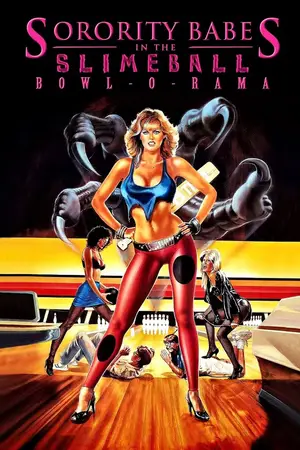 Sorority Babes in the Slimeball Bowl-O-Rama1988
 Halloween1978
 Child's Play1972
 The Love Witch2016
 A Nightmare on Elm Street1984
 Sleepaway Camp1983
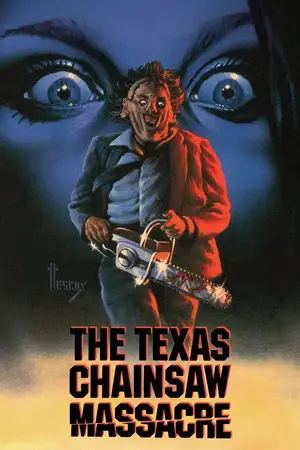 The Texas Chain Saw Massacre1974
 Amy Holden Jones
 Rita Mae Brown
 Roger Corman


Comments 14