In Which I Attempt to Predict the 2025 Inductions into the United States National Film Registry
General Reviews
I wasn’t cool enough to be invited to drinking parties as a teenager. Still, New Year’s Eve was my favourite holiday. It carried the aesthetic of Christmas sans the pressure. What I liked the most was spending the week between Christmas and New Year’s reading year-end top 10, top 50, or top 100 lists. I tuned into the radio. They played the top songs of the year. DJ Earworm released his year-end remix. “Blame it on the Pop” defined a generation. Year-end lists for movies seemed more elusive when compared to music lists. It was hard to see every movie I wanted to in theatres when I was a teenager without a car. I added the alleged “best of the year” films to my watchlist.
I looked forward to the National Film Registry’s new inclusions. The United States National Film Preservation Board (NFPB) typically releases its list in December, but this year, the list has been delayed to January 2026. The registry launched in 1988 after filmmakers like Frank Capra and Martin Scorsese advocated for the United States Congress to enact a Film Preservation Bill. Films must be at least ten years old to be included in the registry. As a teenager, the registry was a great way to discover films from before my time.
Civilians can submit films for consideration. Submissions can be narrative features, documentaries, shorts, experimental films, or newsreels. I love scrolling through the list. It evokes memories of watching great movies. I wish I could watch the entire registry in alphabetical order, but how would I ever find the time? It’s hard to find gaps. Most historically important American films that I could think of were already included. Still, I came up with this list of three movies that I think should be added to the United States National Film Registry.
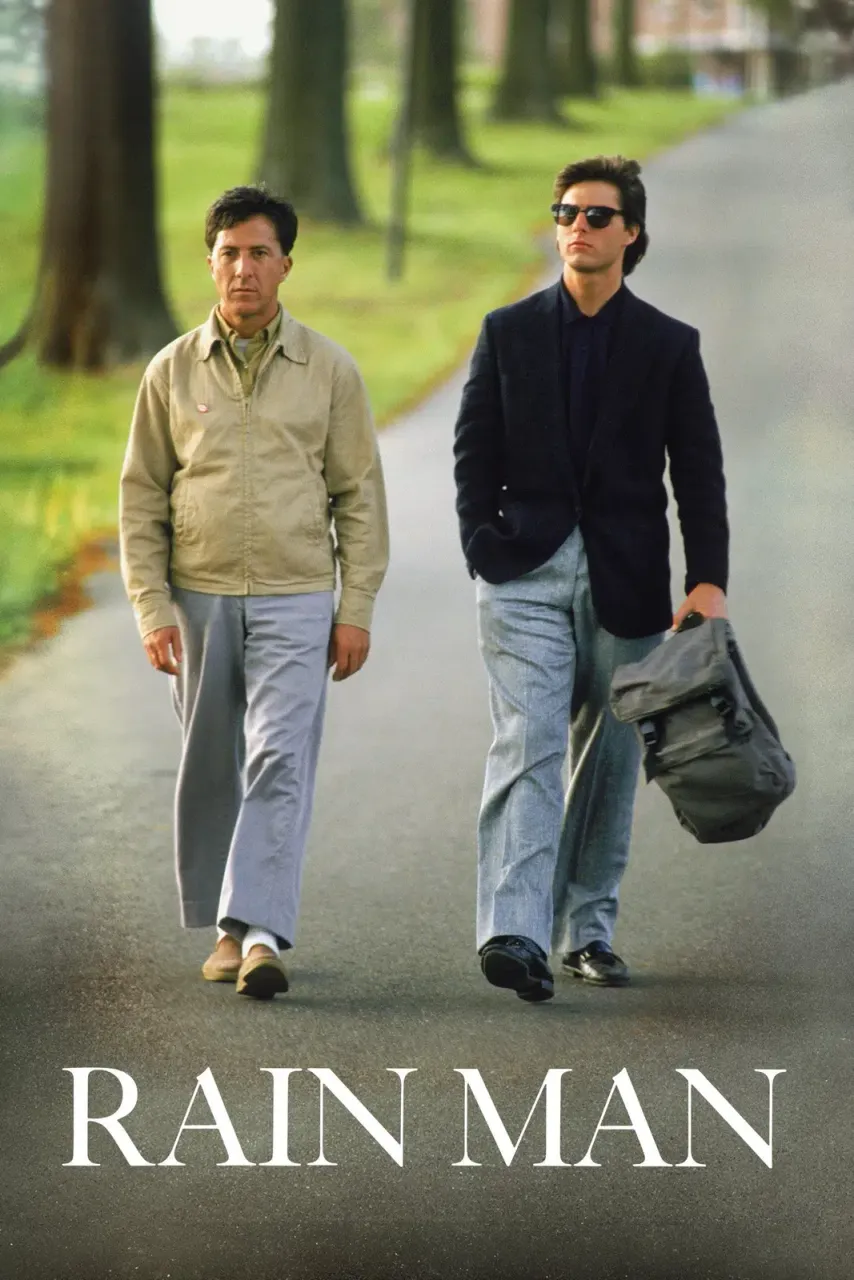
1. Rain Man (1988)

This one’s going to be controversial. I think that some dated, problematic movies should be preserved. Molly Ringwald put it well in her piece she wrote for The New Yorker in 2018, where she reflected on the John Hughes movies she starred in in her youth. Such films should serve as “a reminder of how far we’ve come and how far we need to go.” Rain Man is one of those movies.
I like this movie. The screenplay reveals character traits in interesting ways. The autistic community, however, has long taken issue with the film. It created an impression that most autistic people are savants or highly gifted in niche areas. I’ve met some older people who seem to believe this. In truth, only around 10% of people with autism display savant characteristics. Really, they shouldn’t need to display savant characteristics to be treated compassionately.
Dustin Hoffman won the Best Actor Oscar for his performance in Rain Man. The following year, Daniel Day-Lewis won for My Left Foot. Those wins changed the course of the Oscars for decades. In prior years, actors frequently won Oscars based on… their ability to emote. I watched Moonstruck (1987) for the first time last year. I knew it won two acting Oscars, including Best Actress for Cher. Loretta struck me as similar to Cher. She’s not a superstar, but she’s a feisty, strong woman. The Academy rewarded Cher for playing a version of herself.
I started paying attention to the Oscars around 2009, the year I turned thirteen. I watched Oscar hopefuls campaign based on transformation. They dropped anecdotes in interviews that ranged from tales of field research to a refusal to break character on set (that’s not what method acting is, by the way). These campaigns were frequently successful. Having followed such campaigns for fifteen years, I was surprised to watch an older movie and learn that it was rewarded for a more grounded style of acting.
In the years after Moonstruck, the Academy rewarded Dustin Hoffman and Daniel Day-Lewis for seemingly transforming into disabled characters, seen as major departures from the actors themselves. Those two performances changed the trajectory of acting Oscars. The same Academy that rewards these performances has historically failed to make space for disabled actors.
The National Film Registry’s stated mission is to preserve American film heritage. I think that should include filmmaking methods (pun intended). Method acting (or, at least, the version that Daniel Day-Lewis and Dustin Hoffman are famous for practising) has become a distinctly American thing. British actors frequently scoff at it. Lawrence Olivier and Brian Cox have made it known that they dislike method acting. Daniel Day-Lewis is Irish, but he’s built his name working with American directors. Americans sometimes call their country “an experiment”. This breed of method acting is also an experiment. It’s shaping up to be one with mixed results at best. I’m not sure about Dustin Hoffman, but I think at least Daniel Day-Lewis recognizes this. He once told Emily Watson that he method acts because he’s “not a good enough actor not too”. He recognizes the strength that comes with pulling on your own experience for a performance. Now, if only Hollywood would recognize disabled actors. Professor X will need to be recast soon. Seems like a great opportunity. Still, I think Rain Man needs to be preserved as part of America’s method acting era.
2. There Will Be Blood (2007)

No Paul Thomas Anderson movie is included in the National Film Registry. He is the frontrunner to win Best Director at the 98th Academy Awards. He received his first Best Director nomination for his 2007 film There Will Be Blood. In a lot of other years, he would have won. The Coen brothers won Best Director, Best Adapted Screenplay, and Best Picture for No Country for Old Men. PTA was nominated alongside them in all three categories. Both movies are masterpieces. In early 2008, the Coens were more established than PTA. The “overdue” factor tipped the scales so they’d dominate the Oscars. No Country for Old Men was inducted into the National Film Registry in 2024. It’s PTA’s time. Greed over oil is entrenched in American history and culture. May this be the first of at least a few Paul Thomas Anderson movies inducted into the registry.

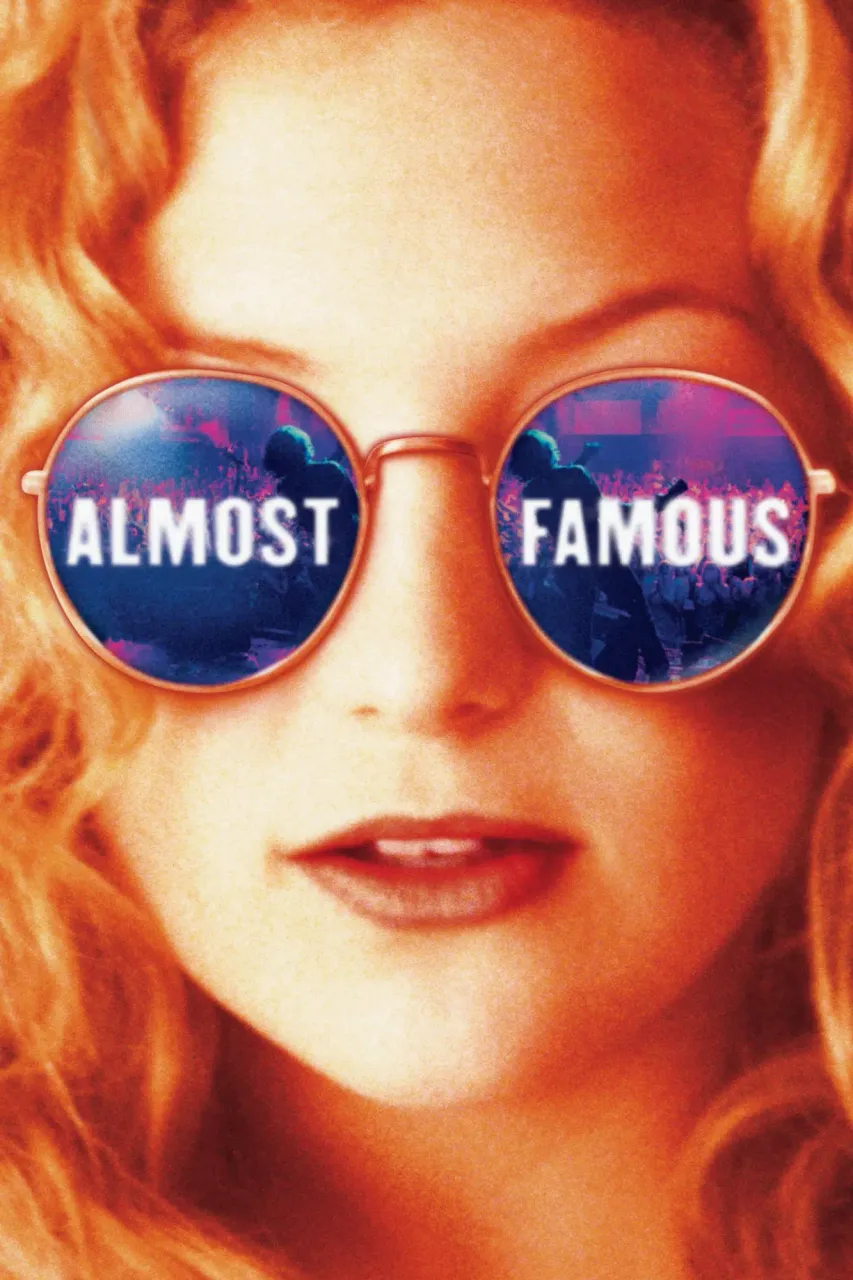
3. Almost Famous (2000)

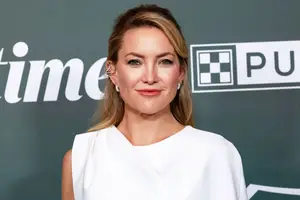
The Registry includes texts from America’s rock history- concert films like Stop Making Sense, documentaries like 20 Feet from Stardom, and music videos like Thriller. It’s lacking, however, in narrative features about rock. Rock music is frequently not American. Much of America’s favourite rock music has been imported from the United Kingdom- The Beatles and the Rolling Stones in the 60s, Oasis in the 90s, and my beloved Sam Fender in the 2010s and 2020s. British and American Rock influence each other. The Beatles borrowed from American acts like Chuck Berry, Buddy Holly, and Elvis. Sam Fender is reminiscent of the all-American Bruce Springsteen. There is, however, a distinctly American way to be a fan of rock’n’roll. Part of that is chasing the dream on the interstate, in and out of a tour bus, whether that’s as a rock critic like William (Patrick Fugit) or as a band-aid like Penny Lane (Kate Hudson). You throw away your life for the fandom. At least, you consider it.
I watched Almost Famous about half a dozen times as a teenager. In retrospect, it influenced the writing I would later do for Peliplat. The film is frequently referenced and parodied in works like American Dad!, Gilmore Girls, and Madagascar: Escape 2 Africa. It is woven enough into American culture to be preserved.
It occurred to me as I was making this list that I was struggling to think of a movie directed by a person of colour, a woman, or an LGBTQ+ person. The examples I could think of were either already in the registry or less than ten years old. If 9/10 opportunities to direct a film go to white men, probability dictates that white men will produce a high percentage of the output that’s worth preserving. I hope the actual inductions for 2025 have more diversity than what I came up with.
The registry launched in 1988 to protect history from technological changes like TV edits and colourization. Today, you can extend that to AI. The registry has become as much about preserving the diverse facets of America’s film language. Last year’s Spy Kids (2001) induction seemed out of place. On the surface, it looks lowbrow, but it is a great example of Latino representation. The registry includes many movies about white men, but it also includes many films from and about people of colour, women, and the LGBTQ+ community. It’s imperfect, but that’s why we add to it.
Efforts to censor films, books, and music from diverse voices have existed for generations. They continue under the guise of fighting the boogeymen of “woke propaganda”, “critical race theory,” and other buzzwords. The National Film Registry is as important as ever. May they once again, for 2025, get it right.

Sources:
(2009, February 9). Myths of Autism. Autism Self Advocacy Network. https://autisticadvocacy.org/2009/02/myths-of-autism/
Eagan, D., & National Film Preservation Board (U. S.) (U. S. (2009). America’s Film Legacy: The Authoritative Guide to the Landmark Movies in the National Film Registry. Continuum International Publishing Group Ltd.
Graye, M. (2023, March 20). Emily Watson recalls Daniel Day-Lewis’s response when she questioned method acting extremes. The Guardian. https://www.independent.co.uk/arts-entertainment/films/news/emily-watson-daniel-day-lewis-method-acting-b2304181.html
Hattenstone, S. (2024, December 7). “I feel I’ve upset a few people over the years”: actor Brian Cox on overrated co-stars, charmless politicians and the joy of smoking weed. The Guardian. https://www.theguardian.com/culture/2024/dec/07/i-feel-ive-upset-a-few-people-over-the-years-actor-brian-cox-on-overrated-co-stars-charmless-politicians-and-the-joy-of-smoking-weed
McCarthy, J. (2018, December 13). Rain Man at 30: damaging stereotype or “the best thing that happened to autism”?. The Guardian. https://www.theguardian.com/film/2018/dec/13/rain-man-at-30-autism-hoffman-cruise-levinson
Ringwald, M. (2018, April 6). What About “The Breakfast Club”? The New Yorker. https://www.newyorker.com/culture/personal-history/what-about-the-breakfast-club-molly-ringwald-metoo-john-hughes-pretty-in-pink
Simmons, J. (2025, March 22). When Laurence Olivier owned Dustin Hoffman: “My dear boy, why don’t you just try acting?”. Far Out. https://faroutmagazine.co.uk/when-laurence-olivier-owned-dustin-hoffman/
Whatley, J. (2022, June 7). From Bob Dylan to Buddy Holly: The 10 musicians who inspired The Beatles [Review of From Bob Dylan to Buddy Holly: The 10 musicians who inspired The Beatles]. Far Out. https://faroutmagazine.co.uk/the-10-musicians-who-inspired-the-beatles/










Comments 4