VIFF '25: The Moral Rorschach of 'After the Hunt'
General Reviews
WARNING: This article touches on some pretty heavy spoilers for the film. So, considering the film technically isn't even out yet at the time of publishing this, proceed at your own risk.
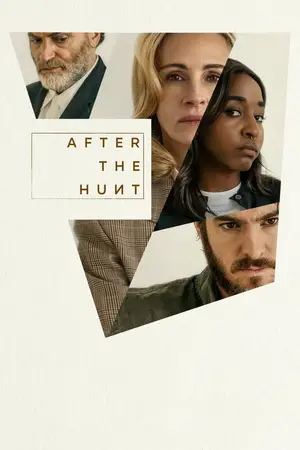
I can see why After The Hunt has polarized audiences. It deals with volatile themes, and the division it creates basically reinforces its reason for existing.

This film doesn’t give easy answers — it piles on hard questions. It lays out subjective evidence from both sides, makes a compelling case for each, but refuses a definitive truth. Trying to reach any hard conclusion undermines the entire point of the film.
Power, Perception, and Moral Ambiguity
Through the accusation, the person at the bottom of the power ladder switches places with the one at the top. They weaponize perception to gain power, knowing exactly how the public will see them afterward. Director Luca Guadagnino suggests that everyone wants power — everyone’s fighting for control.
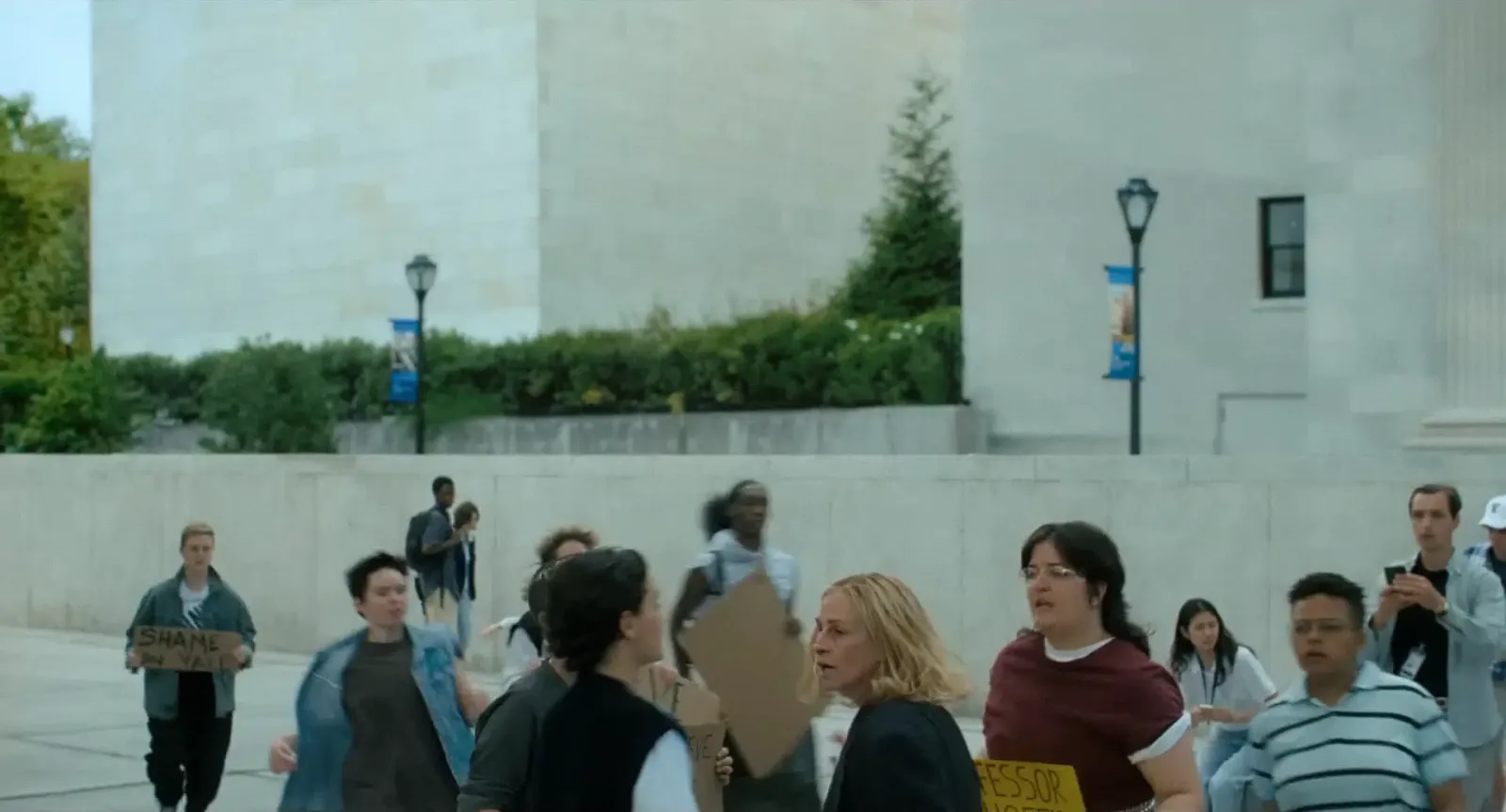
When Hank (Andrew Garfield) exerts intellectual or artistic power over Maggie (Ayo Edebiri), she counters with emotional power to regain control. She feels inferior academically and strikes back, diminishing Hank in the process.

The film is about consent and coercion, sure, but more than that, it’s about how the modern cultural climate shapes our biases. In the court of public opinion — where feelings and marketability often trump truth — the film shows how easily we get swept up in politics over facts.

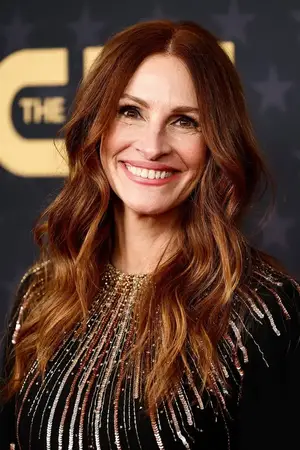
Like Alma (Julia Roberts), we’re stuck in the middle with only testimony. We’re complicit in the illusion of truth built from half-stories and biases, simply because of what we’re told.
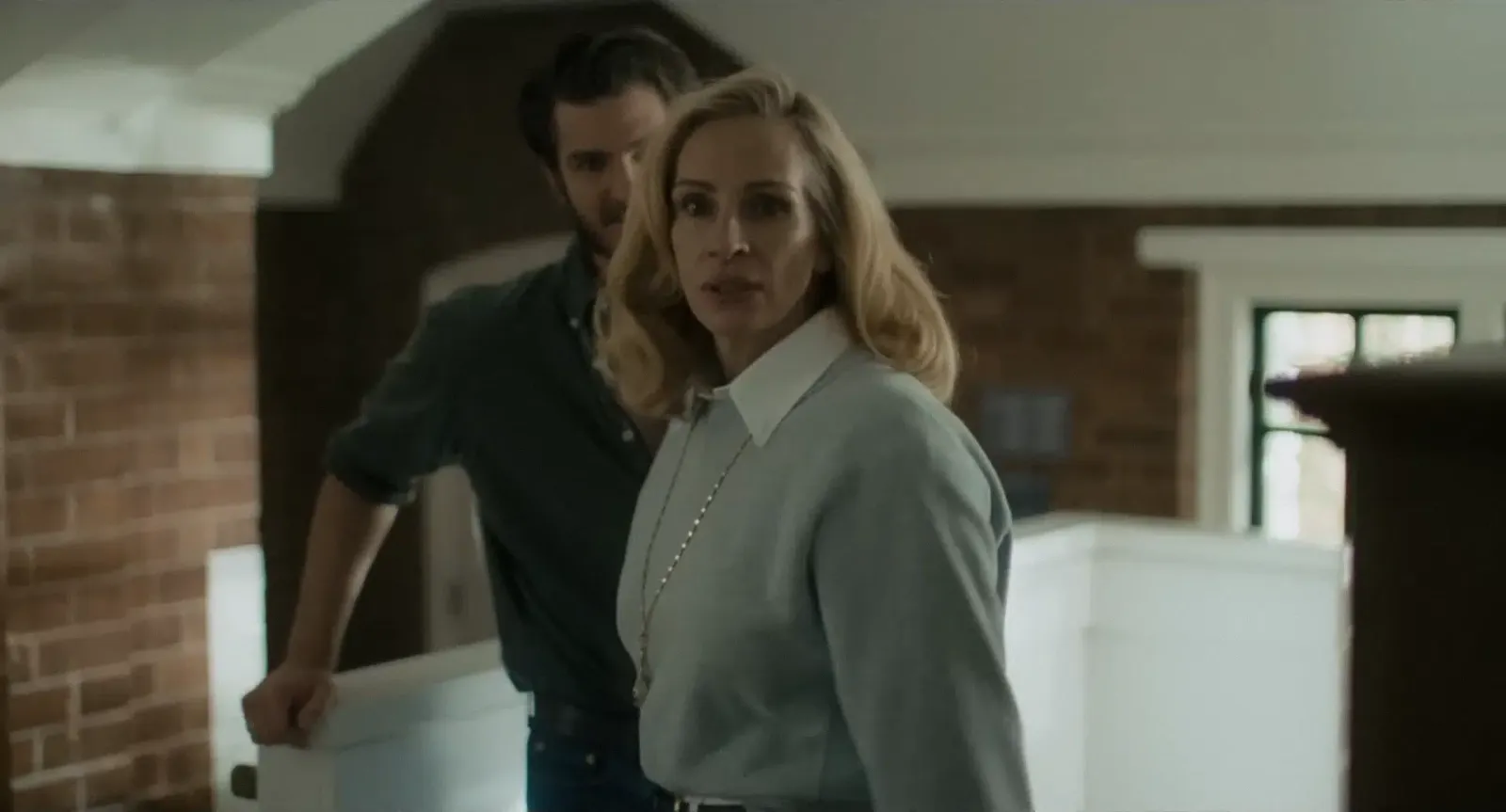
At the end of the day, everyone is morally compromised. Nobody’s fully right or wrong — except maybe Alma’s husband, Frederik (Michael Stuhlbarg), who deserves better. It’s a fool’s errand to call anyone purely victim or perpetrator. If someone leaves this film with a firm opinion on who did what or what the “message” is, I think that says a lot more about them — and their own biases — than it does about the film itself.

It’s not about who’s right or wrong, or about #MeToo or dismantling the patriarchy. It’s about the mess that happens when truth collapses into conjecture. Picking sides without facts is a death sentence. No viewer can know for certain what really happened — and that uncertainty is the whole point.

Like quantum physics: if you think you understand it, you don’t. “If you think you’ve got it figured out, you’re not asking the right questions.”

Did he do it? Is she lying? Maybe neither of them is telling the truth. Everyone bends the story to protect themselves — whether it’s for grades, reputation, or innocence.

I suspect he didn’t do what she says — but I also don’t think he did nothing.
Narrative Construction and the Art of Manipulation
The film stacks misdirections and red herrings on top of each other. You try to stay one step ahead, but Luca’s always got a lead on you. You think: “oh shit, he did it.” Then — “huh — maybe he's telling the truth.” Then: “nah, he’s faking it.” Then: “wait, she’s the one faking it.” Then you second-guess that too. It’s maddening and exhilarating at the same time — a game of narrative chicken with your own moral compass.

In the confessional scenes, Luca manipulates audience bias through composition, body language, and editing. Maggie tells her story shrouded in darkness, hunched, cold, wet, stammering, half-turned. Hank’s lit brightly, confident, facing us head-on between nonchalant bites of food. He’s presented as credible and sensible; she seems scattered and incoherent. Her story has holes, his has a paper trail — yet both remain incomplete.

The misdirections are nerve-scraping. You’re constantly on your toes as a viewer, flip-flopping over who’s telling the truth and who’s lying. With each new piece of information revealed, it adds another layer to the moral dilemma at hand, without absolving anyone or solidifying anything as truth. Every revelation just thickens the grey — no clarity, only deeper moral fog.
Desire, Hypocrisy, and the Body
In the final confrontation between Hank and Alma, Hank seems absolved when Alma confirms the plagiarism allegations against Maggie. He admits his flirtatious nature, but insists he only broke the rules for Alma. This is his declaration of innocence, right? Well, that’s only if we take him at his word — and I don’t think we can truly believe anyone in this film.
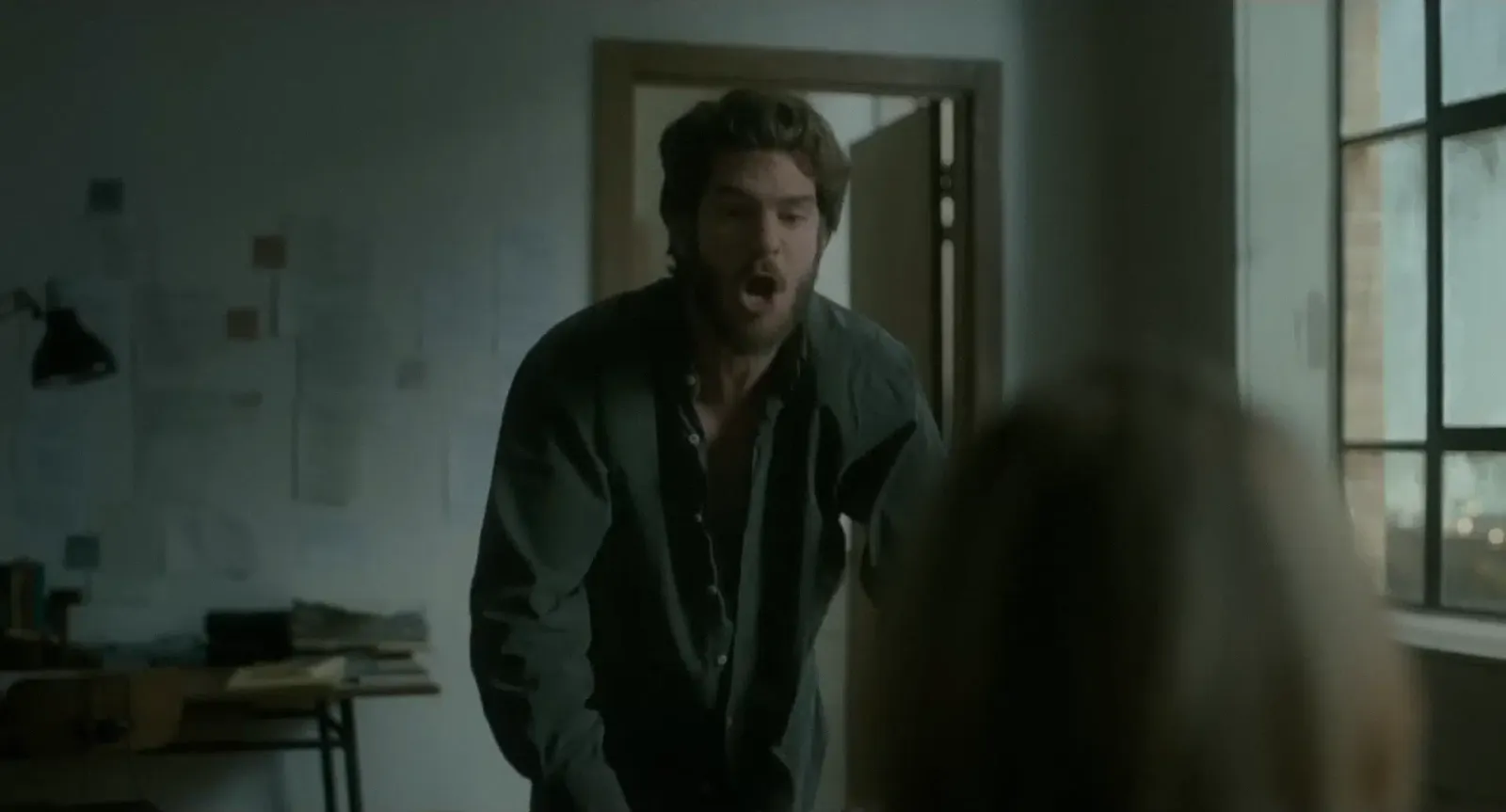
Then, in a moment of vulnerability, they share a kiss. He advances, she's hesitant. She tries to stop him. He doesn't listen — until she yells and throws him off of her. This act of crossing the line could mean two things: an admission of guilt — revealing his capacity to ignore consent — or just another colossally dumb mistake that sabotages his defense.

Does this act confirm guilt? No — it implies it, forcing us to question our own biases. “If he did this now, he must’ve done that then,” we think — though we don’t know. Maybe he just simply ruined his case. The one person who could vouch for him is now compromised.

If he’s innocent, it’s hard not to think he brought this on himself. But would we say the same if he were a woman?

Most of the eroticism here is uncomfortable. Repressed desire, ignored advances, longing stares — it exposes hypocrisy and patterns of behaviour. Luca understands the body better than dialogue ever could. An eye level shot of Alma’s gaze fixed on Hank’s mouth; the empty gulf between her and Frederik, the sensual ankle rubs — every touch speaks volumes.

This kind of physical tension is the perfect terrain for Luca’s upcoming American Psycho remake — if it ever happens, that is. If I had doubts before, they’re gone now.
Culture, Gender, and Performance
It’s not just discomfort with ambiguity that has audiences divided. Anatomy of a Fall did something similar and won the Palme d’Or, but that film didn’t touch the live wire of sexual misconduct. The polarization comes from Luca’s refusal to play into an expected #MeToo narrative — much like Alex Garland’s Civil War left viewers unfulfilled when neither side got vindicated.

Luca refuses easy answers. In an era where we’re told to always “believe women,” we forget that, like anyone, women can lie too sometimes. That doesn’t discredit all other victims — it just means each case must stand on its own. Alma learns that the hard way, defending Maggie too soon and realizing too late that she may have picked the wrong side.

The film comments on the performative nature of “believing.” Belief itself becomes performance — a social performance of righteousness. Everyone wants to be on the right side of history. Everyone rushes to pick a side to parade their virtue. I’ve done it too — we all have — siding with whoever feels safest to avoid being wrong.

We can’t make up our minds based on precedent alone, but the court of public opinion is its own beast — an untamed one. Maggie knows she lacks the evidence to press charges, so she goes to the media instead, seeking revenge dressed as justice. The story captures how the #MeToo era reshaped our moral framework — and how fragile that framework still is.

The fact that the script was written by a woman, Nora Garrett, keeps it balanced. In a man’s hands, it could’ve turned into an absolution tale for a falsely accused man. The female touch helps keep it grounded in the grey, uneasy middle.
Conflict, Art, and Responsibility
Some may say refusing to label victims or perpetrators is moral evasion. I think the opposite. Those labels are the evasion. By slapping those labels on each party, you resort to binary thinking, and absolve yourself of taking any real moral inventory of the situation.

The conflict here is messy and multifaceted. Like Civil War, After the Hunt lives in the middle. The line between victim and perpetrator blurs, and once someone’s branded either, the label sticks.

Personally, I believe the risk of “retraumatizing survivors” is overstated. Art like this isn’t meant to comfort; it’s meant to provoke. Why would I want to be comfortable watching a film about sexual assault, statutory rape, and career annihilation?

The story deals with trauma, and thus demands a traumatizing story. Call me privileged or just emotionally secure, but if mere mention of something troubling is traumatizing, that’s a sign of work still left to do.

Not every movie has to be a “turn-your-brain-off, cozy happy time.” If that’s what you want, Disney’s got a catalogue waiting.
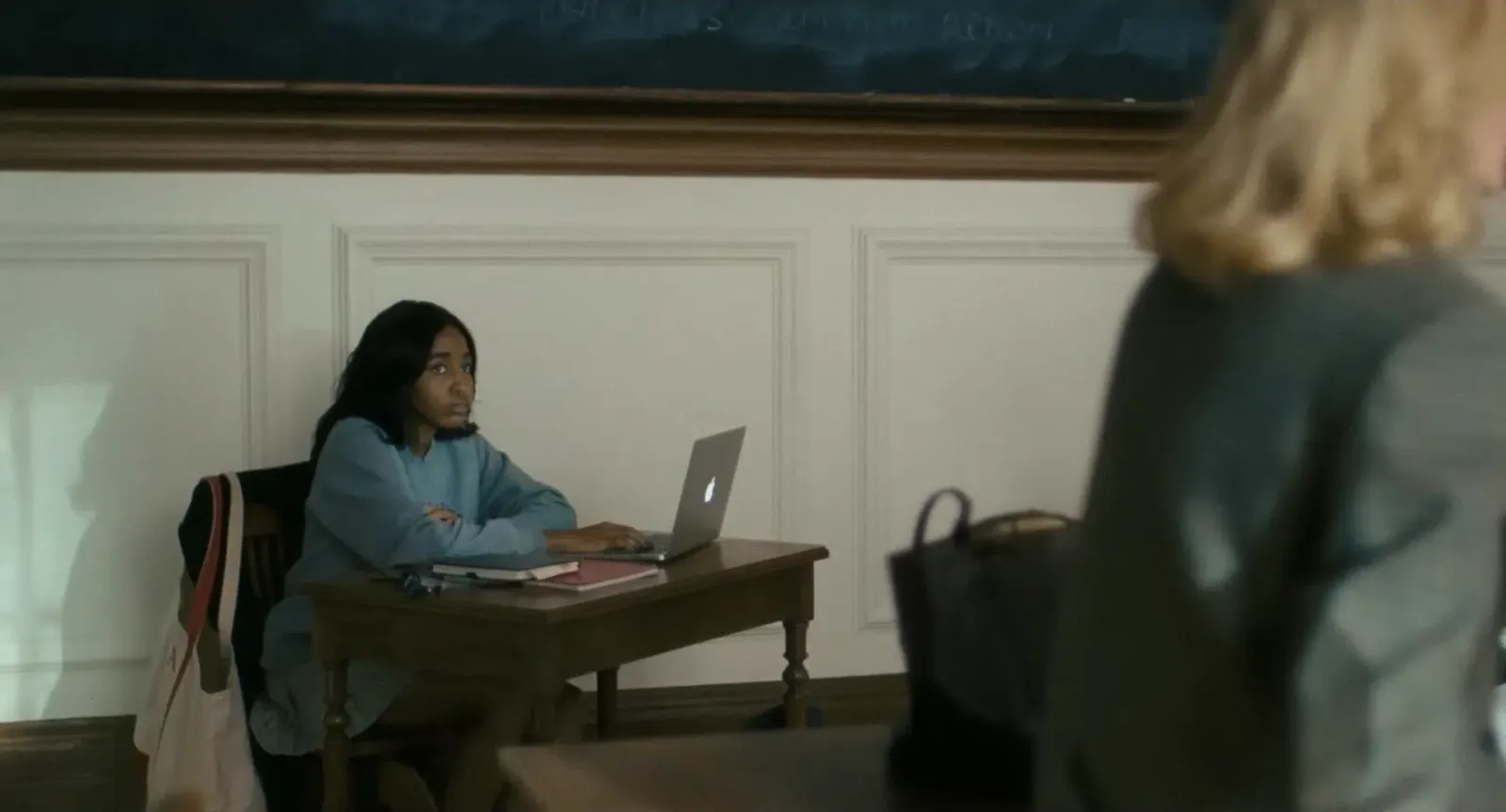
Luca’s always handled sensitive subjects with a balanced hand. He shows things as they are — yucky — but from a perspective that makes us understand why these characters act as they do. He gives both sides, takes no hard stance, and trusts the audience to think for themselves.
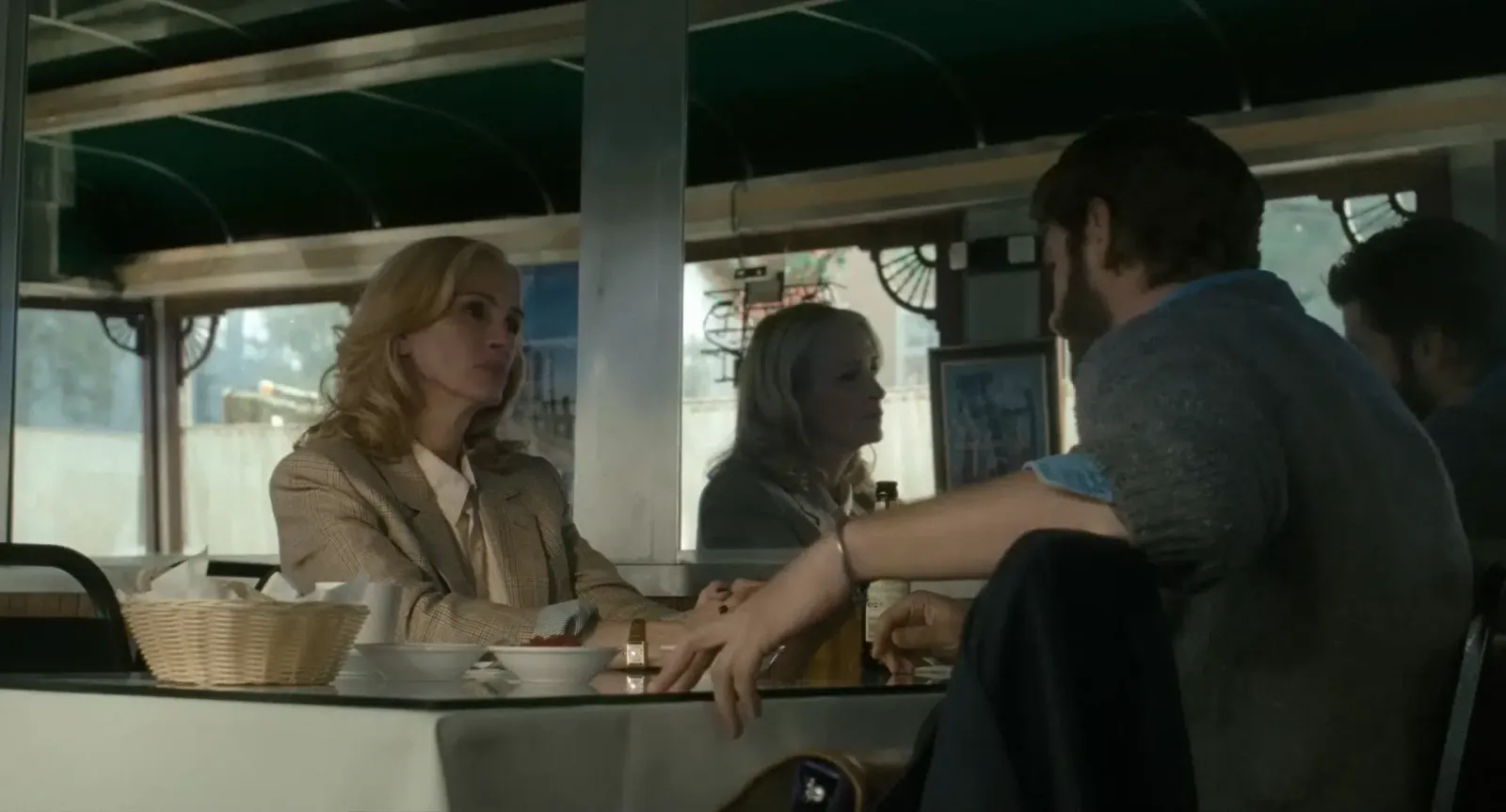
Films shouldn’t go out of their way to deliver a message — it usually just ends up diminishing the quality of the film. Trying too hard to make a point leads to contrivance and propaganda. Instead of beating the audience over the head with a “correct” way to read the film, Luca poses a moral question by staging a tale of layered conflict and interesting, deeply flawed characters. It reminds me of the open-endedness of Terrence Malick's post-hiatus approach to filmmaking.

The final confrontation isn’t even about “proving guilt.” It’s about the psychic inevitability of patriarchal behaviour — how even innocent men perpetuate harm through entitlement. The line between “innocent” and “guilty” becomes even more blurred.

After the Hunt earns its ambiguity. It withholds truth and makes us sit in conjecture. Most films make us watch trauma; this one makes us live in uncertainty. It’s less about trauma itself than about being trapped between two stories — no way to prove innocence, doomed to lose no matter what side you pick.
Personal Response and Cinematic Craft
I was gripped from start to finish — anxious, uncertain, enthralled. The erotic moments got the heart pumping. Even something as simple as Hank rolling up his sleeves transmits sexual energy; desire radiates through Alma’s gaze. Even mundane actions like removing a jacket become erotic when filtered through longing.
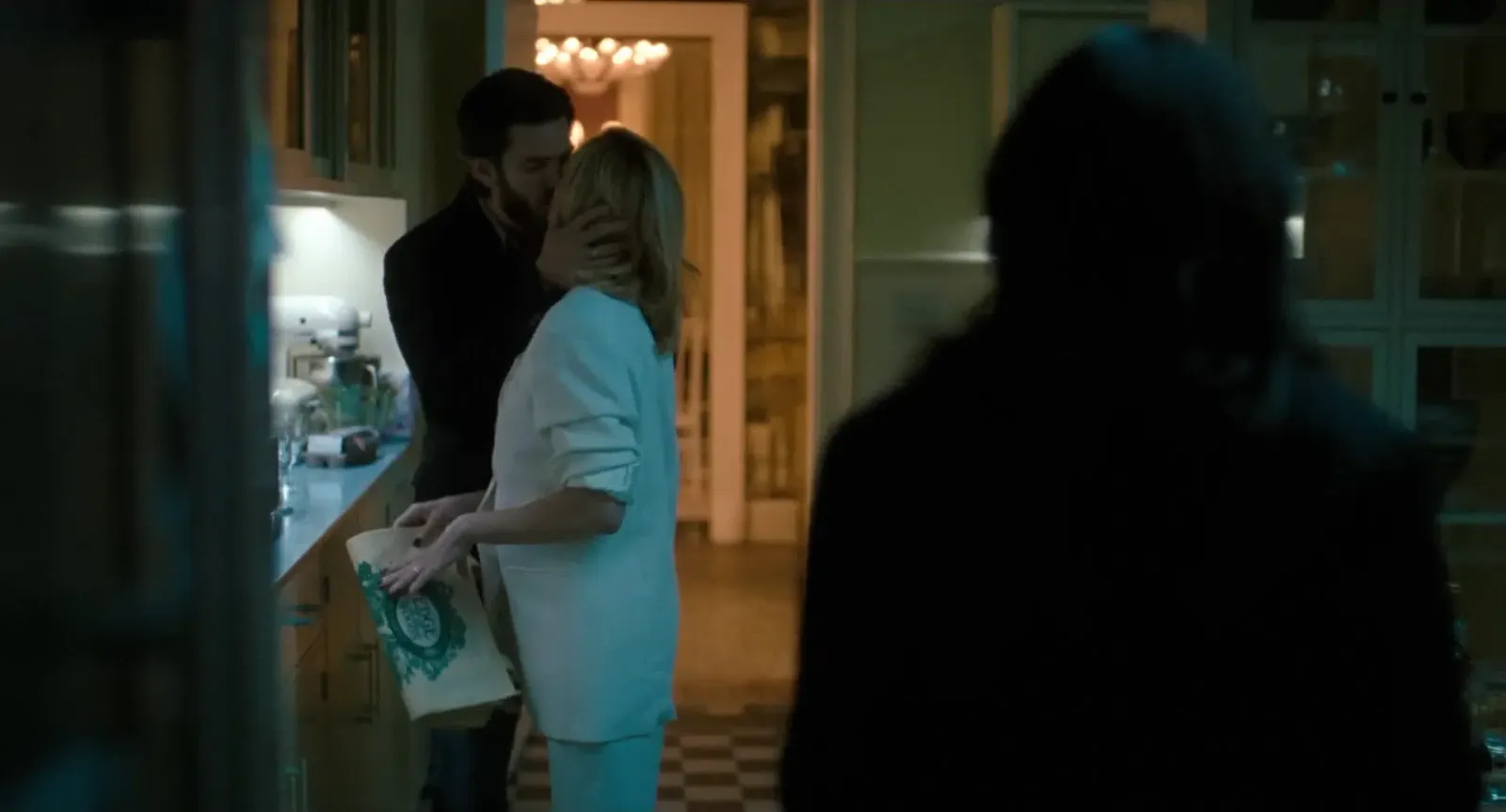
That attraction clouds judgment — hers and ours. I was disgusted by the characters’ choices, uncomfortable at the boundary-crossing between Alma and Hank, and heartbroken by Alma’s rejections of Frederik’s tenderness.

Luca is a mirror, forcing us to face parts of ourselves we’d rather ignore. His sensuality provokes not just thought but bodily reaction — a full-spectrum discomfort. Long, patient shots linger on glances; close-ups fixate on sensation. Empty space isolates; tight space suffocates. Alma surrounded by protestors mirrors her entrapment in scandal. Every frame reflects character psychology.

I believe we should generally believe women, but we must also acknowledge that sometimes women lie — just as men can be victims, too. I know men who’ve been falsely accused, and many more who’ve been rightfully accused. The two are not mutually exclusive.
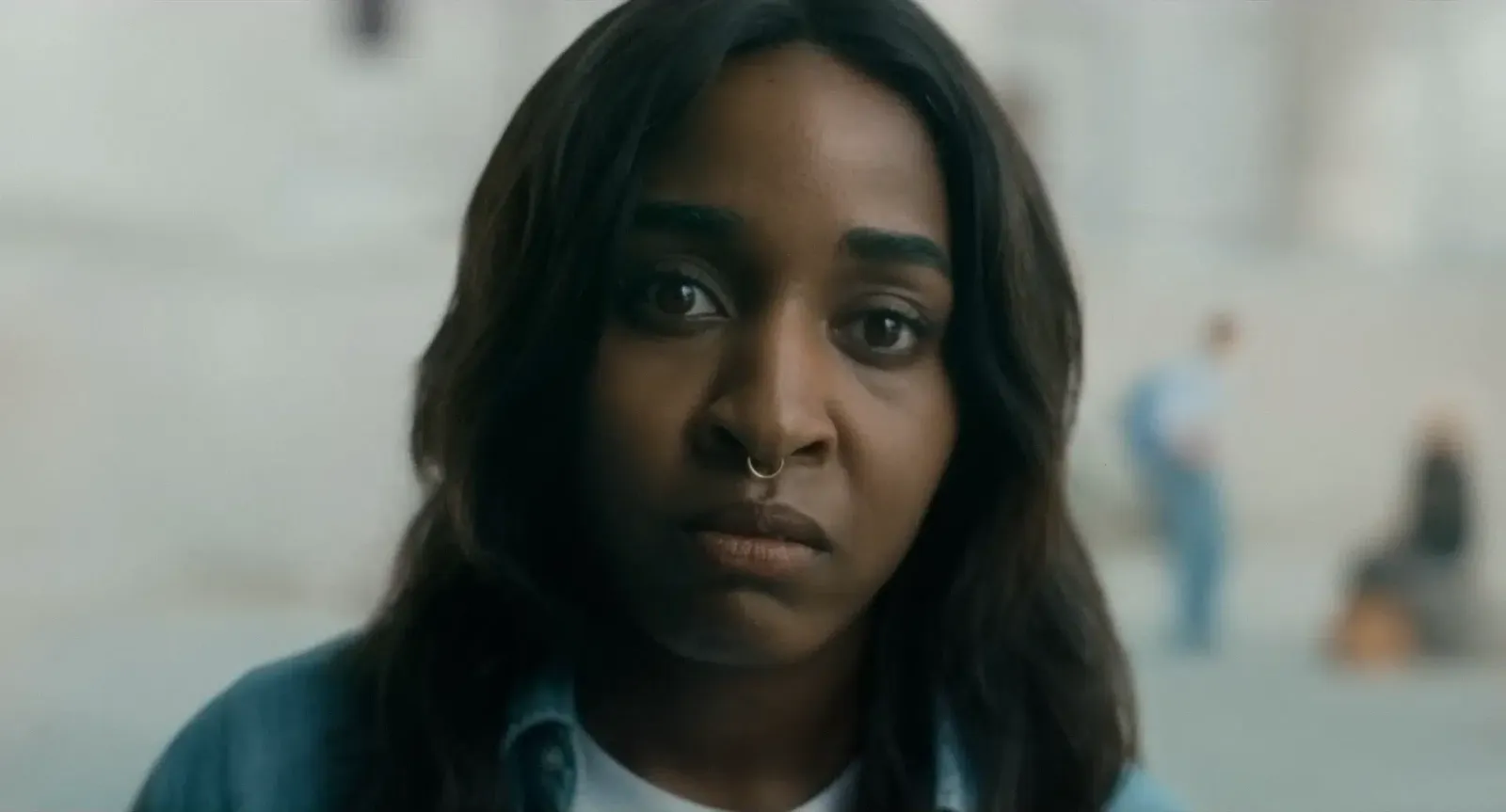
This story confronts audiences with moral, ethical, and emotional discomfort. It’s a certified “Disturb the Comfortable” film. Haters beware. Do you dislike it because it’s bad — or because it filtered you?
Food for thought.

Mentioned in this piece
 After the Hunt2025
 Anatomy of a Fall2023
 Civil War2024
 Call Me by Your Name2017
 Suspiria2018
 Bones and All2022
 Queer2024
 Challengers2024
 The Tree of Life2011
 The New World2005
 Song to Song2017
 A Hidden Life2019
 Doubt2008
 Spotlight2015
 American Psycho2000
 Andrew Garfield
 Ayo Edebiri
 Julia Roberts
 Michael Stuhlbarg
 Luca Guadagnino
 Alex Garland
 Terrence Malick
 Nora Garrett
 Chloë Sevigny
 Malik Hassan Sayeed
 Trent Reznor
 Atticus Ross
Comments 4