Shrek is a Perfect Franchise, Don't Ruin It
General Reviews
The Shrek series is nothing short of a cultural benchmark for our generation, first premiering in 2001 as a satirical take on the fairytale genre that Disney had been perfecting for years. The last installment wrapped up 15 years ago in 2010. Now, DreamWorks has announced a fifth Shrek film, set to premiere next December. This immediately reminded me of Incredibles 2, where Brad Bird took nearly two decades to release a sequel—only for me to walk out of the theatre feeling deeply disappointed. The original Incredibles holds a special place in my heart; I genuinely consider it one of the greatest animated films of all time, and I had high expectations for its follow-up. Shrek is a close runner-up, and with the fifth installment looming in an era of endless cash-grab sequels, reboots, and spin-offs, I can’t help but feel a sense of dread.
That brings me to the question: Does Shrek 5 even need to exist, regardless of whether it turns out to be good? Let’s take a look at each Shrek film and how its themes build upon one another, culminating in a perfect conclusion with the fourth movie that ties everything up neatly. And why, in my eyes, a fifth installment threatens to tarnish the legacy of a near-perfect franchise.

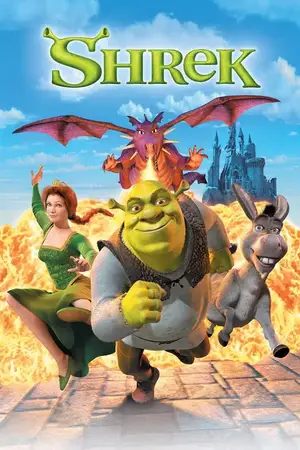
The first Shrek is a simple yet powerful film with a clear message. At the start, Shrek is an outcast—someone deemed ugly and unworthy of love. People take one look at him and immediately judge, running away in fear. But by the end, after making a friend and falling in love with Princess Fiona, the movie delivers its central idea: Shrek is, and always was, worthy of love and acceptance. He doesn’t need to physically transform for Fiona to love him, nor does he need to change his personality. The only thing he must do is accept that happiness and authenticity are possible for him.
In essence, he achieves self-love and self-actualization in a world that tries to deny him both.
Beyond its core message, Shrek subtly critiques how society labels certain identities as deviant or unacceptable. Many animated films feature protagonists in marginal positions—like the Beast in Beauty and the Beast, Aladdin, or Quasimodo. These are individuals cast aside by society, forced to live on the outskirts. But in most of those films, the message from society to the outcast is straightforward: Get out. We don’t like you.

What makes Shrek different is the powers that be in Duloc don't just reject deviants—they actively define and control them. Instead of simply saying get lost, they say, come in—you have a purpose in this society and your purpose is to be a deviant. Lord Farquaad doesn’t simply exile fairytale creatures, he regulates them. For Shrek to be labelled an outcast, he must first be acknowledged as part of the system. Society cannot reject him until it has first recognized him.
This suggests that deviance isn’t about exclusion; it’s about controlled inclusion. Yet, despite these layers, Shrek ultimately frames happiness as something found outside of society’s rules. Fiona’s transformation into an ogre represents her rejection of external expectations thrust upon her as a princess. Her story arc reinforces the idea that self-acceptance, not conformity, is the key to fulfillment.

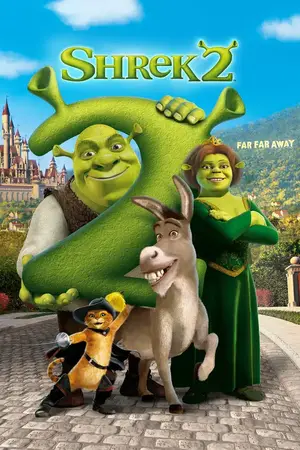
If Shrek is about outsiders navigating a world that rejects them, Shrek 2 asks: What about those who hold power? How does the system affect them? Now that Shrek has married Fiona, he’s no longer just an outcast with a swamp—he’s royalty. In theory, this should mean an end to his pariah status, but it doesn’t. Fiona’s father, King Harold, refuses to accept Shrek, reinforcing the film’s central theme: power does not exempt someone from being a deviant. In fact, it often enforces their exclusion in new ways.
Late in the movie, we learn that Harold is actually a frog who was transformed into a human by the Fairy Godmother in exchange for Fiona’s arranged marriage to Prince Charming. Despite being king, Harold is still constrained by societal forces. He doesn’t own power—power acts through him. His rule is only legitimate as long as he conforms. In a desperate attempt to fit in, Shrek steals a potion from the Fairy Godmother to become “handsome.” Ironically, this act of rebellion only reinforces the system—his attempt to escape power ultimately strengthens it.

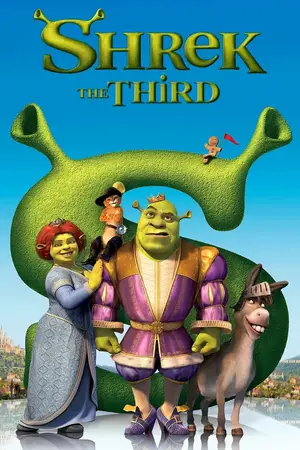
By the third film, the series loses its footing. The first two movies positioned Shrek against power—either as an outcast or a reluctant insider. But in Shrek the Third, he becomes just another cog in the machine. When King Harold dies, Shrek is named heir to the throne. Instead of rejecting power, he simply tries to pass it on by finding Arthur. The movie never seriously considers the idea of dismantling the system—it just assumes someone must take Harold’s place.
This thematic shift leads to a film that feels directionless. Plot points go nowhere. Donkey and Puss swap bodies—then switch back. Fiona leads a princess rebellion—but it has no real impact. Nothing connects in a meaningful way, and it feels like the movie knows it has nothing to say. The biggest indicator of this is how it frames the fairytale villains. Unlike Shrek in the first film—who was rejected due to forces beyond his control—these villains are portrayed as simply choosing to be bad. Society isn’t the problem; they are. It’s a total reversal of the first film’s message. If I had to exclude a Shrek movie from the series, it would be this one. Thankfully, Shrek Forever After redeems the franchise.

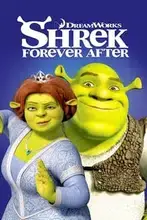
Many prefer the fourth installment, Shrek Forever After, over the third film and I’d have to agree. In some ways, I even prefer it to Shrek 2 for how it handles the series’ overarching themes. At the start, Shrek is fully accepted by society—but he’s unhappy. He misses being an outcast, so he makes a deal with Rumpelstiltskin to get one day of pure ogre freedom. The result? Catastrophe.
The royal family is dead. Rumpelstiltskin rules a dystopia. Fiona was never rescued. On the surface, the film suggests that Shrek should simply accept his place within society. But I see it differently. To me, the story circles back to Shrek’s original message: self-acceptance. Shrek’s dissatisfaction isn’t rooted in reality—it’s imposter syndrome. By the end, the message is clear: appreciating what we have is a privilege—regardless of whether we think we deserve it.
All four films, regardless of their strengths, weaknesses, or humour, build upon each other, culminating in a conclusion that aligns with the series' overall message. After the third film ended, I was eager for the fourth to address its predecessor’s missteps. When it did, I slept soundly with a smile on my face, thinking about onions and layers.

I love Shrek. I’ll probably go watch Shrek 5 despite my complaints. The original cast is returning, and the humour will likely be in tune with the fans who grew up with the series. But my concern is simple: sometimes, it’s best to let sleeping dogs lie. Like Toy Story 4, every additional sequel risks chipping away at something already perfect. Shrek doesn’t need another installment—its character arcs are complete. If the next movie just rehashes old conflicts—Shrek being rejected again, his kids facing scrutiny, or, conversely, facing no scrutiny at all—it will feel redundant.
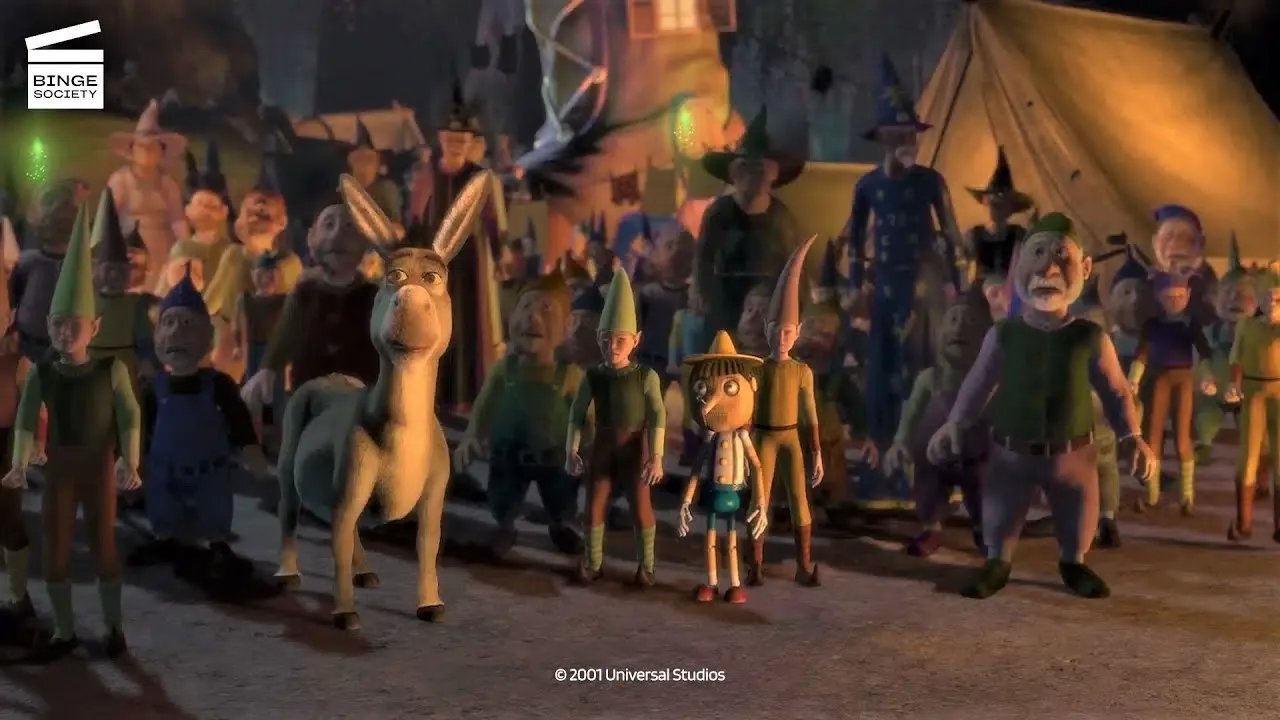
One potentially interesting angle would be a sort of prequel exploring Shrek’s parents. We know very little about them, other than the concerning detail that his father tried to eat him as a child. Oof that’s a heavy backstory—but one that could be relevant to modern themes of trauma and family dynamics. But will Shrek 5, a children's movie, take that route? Unlikely.
More realistically, it’ll follow the pattern of other animated franchises that overstay their welcome, diluting what made them special in the first place. I’ll be back next December to see if I was right—or, hopefully, to admit I was wrong.





Comments 10