Brainrot & Exposition: Why Our Stories Are Getting Dumber
Sociocultural
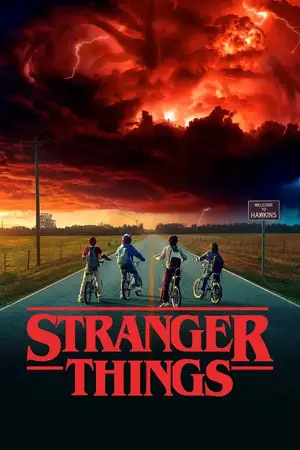
It all started with Stranger Things. I was curled up on the couch, drowning in popcorn and sipping on coke, ready for some mindflayer action, and was immediately overwhelmed with some Marvel-level exposition shit. The same thing happened when I was watching Promising Young Woman, or when I decided to watch Barbie in theatres, or The Whale, orThe Last of Us, or even Materialists. Every two lines was a basic summary of what had happened, what was happening, what theme was being explored, and who was in relation to whom. Sitting there, on the sofa, I was lowkey getting aggravated. I mean, come on! Give me some story I can analyze.
The final season of Stranger Things pissed me off for a myriad of reasons, but it also got me thinking about the phenomenon of exposition. That is, how come we are seeing so much of it in film and TV nowadays?
Very recently, I read a thought-piece on the use of subtitles and how the use of it prevented certain demographics from really experiencing a movie. The writer had a lot of interesting takes on the matter, some that I found myself heavily disagreeing with; however, the idea that certain tools or choices could hinder the impact of a narrative really got me thinking. I mean, with exposition, one of the biggest problems is that it strips a movie of nuance. It doesn't allow space for viewers to connect the dots themselves, or to come to their own conclusions.
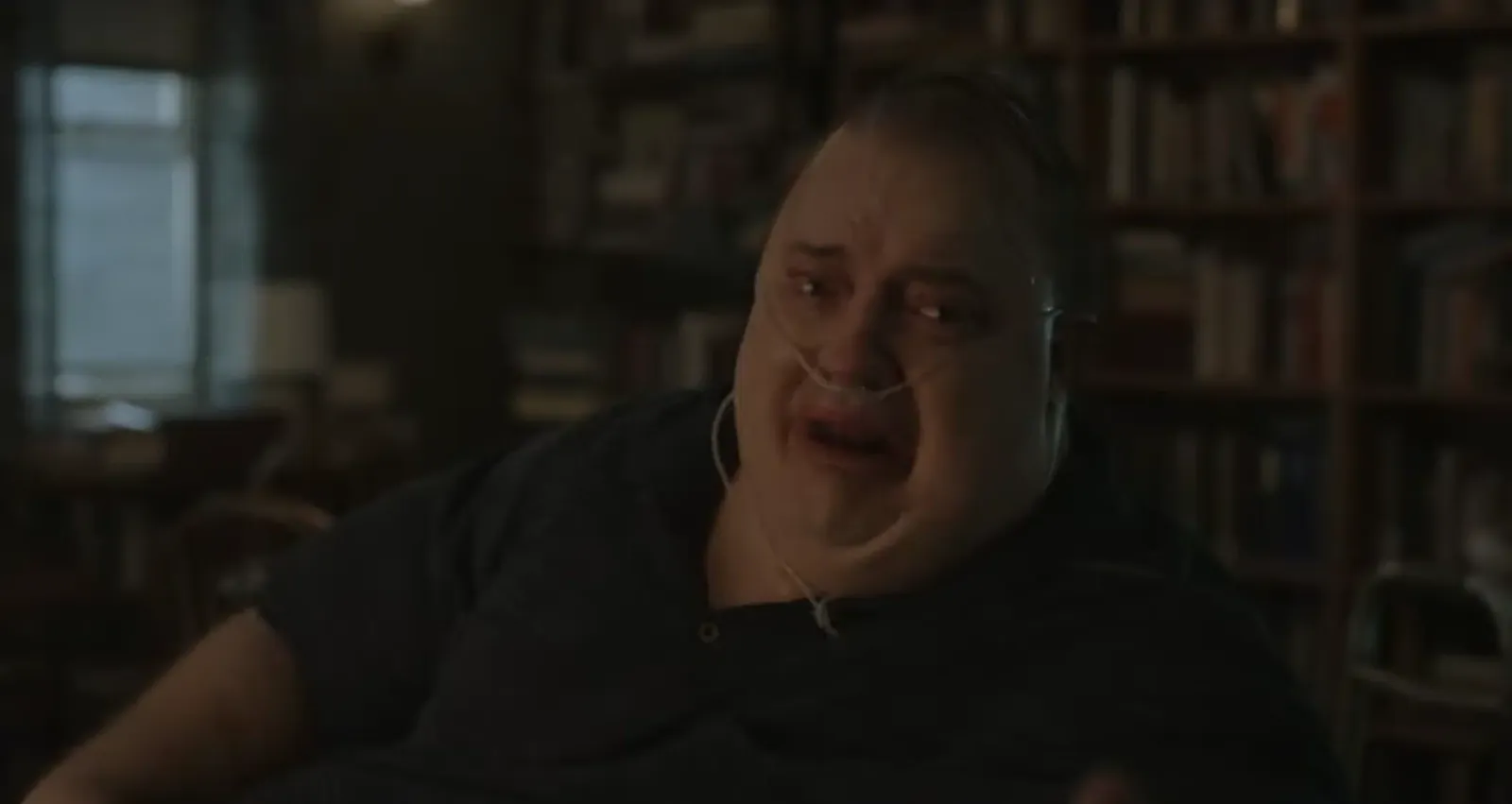
Take The Whale, for instance. Yes, the one starring Brendan Fraser (bless his heart). That is a movie seeded in metaphors and prose; the title itself anchors the film in Charlie's state of mind, parallels him to the image of the bloated essay in his hand, to the whale, which is sinking and unmoving, reaching death. For a movie so utterly introspective and artsy, the dialogue nearly kills it of its impact. Instead of delving into the visuals which are already there, the film very quickly leans on expositional dialogue to make sure every single person gets the point. Conversations with Charlie and his daughter, Ellie, is a prime example of how too much exposition can flatten the relationship. Like, their interactions were so jarring. A few examples:
CHARLIE (CONT'D) I thought we could spend some time with each other.
ELLIE I’m not spending time with you. You’re disgusting.
CHARLIE I know I... I’m a lot bigger since the last time you saw me--
ELLIE I’m not talking about what you look like. You’d be disgusting even if you weren’t this fat, you’d still be that piece of shit dad who walked out on me when I was eight. All because he wanted to fuck one of his students. Can I have one of these?
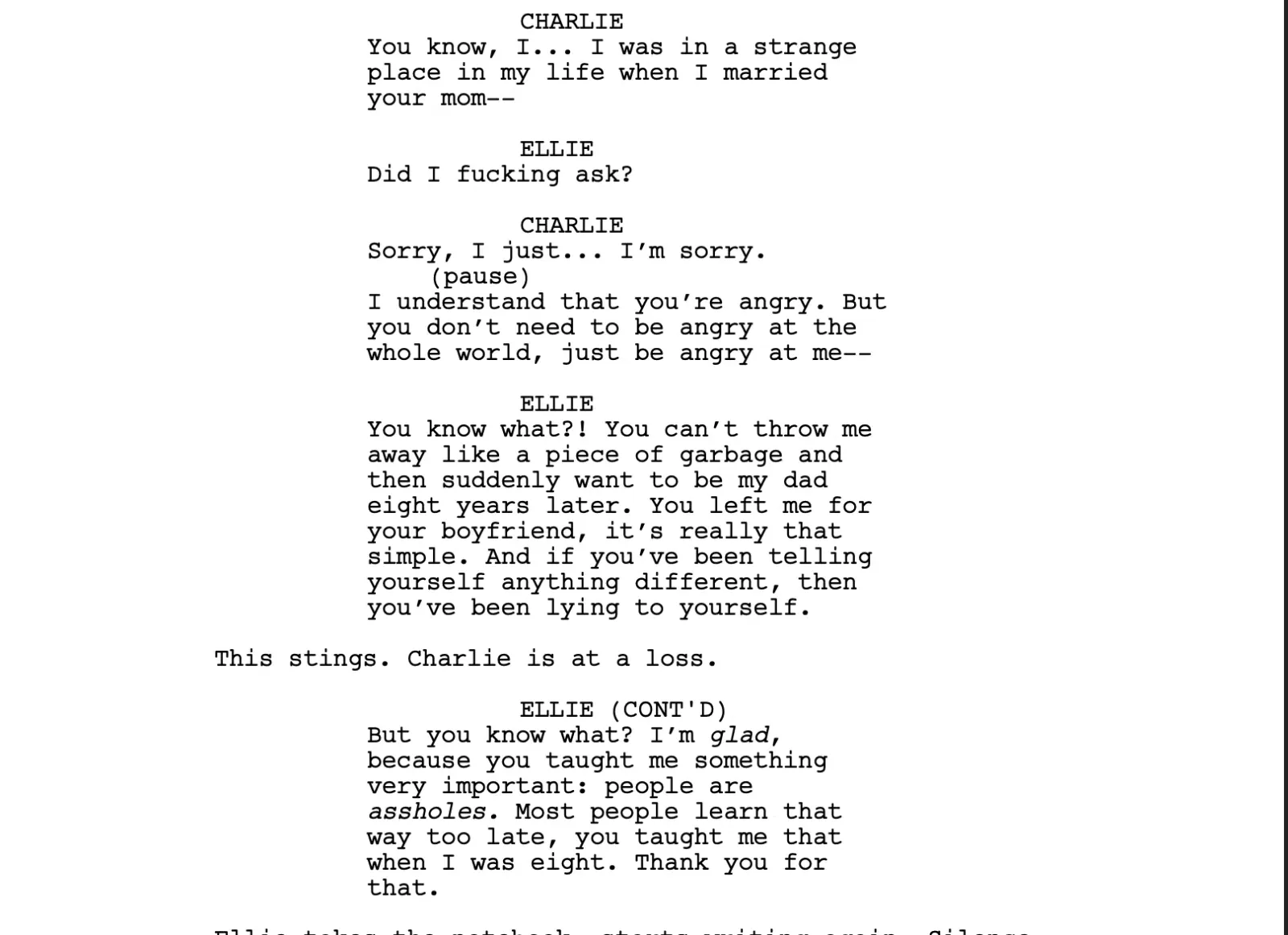
Like, they just spell out exactly what's happening. I get it, Ellie's supposed to be bitter and hurt and lashing out, but her lines are so direct that they leave little room for viewers to see her emotions. We're just told what she is feeling and why. At the same time, the genuinely lovely cinematography, set, and acting lose its impact, because the dialogue is telling us exactly what it is we are supposed to be feeling. Charlie and Ellie can only be read in one way, so what's the point of putting effort into watching?
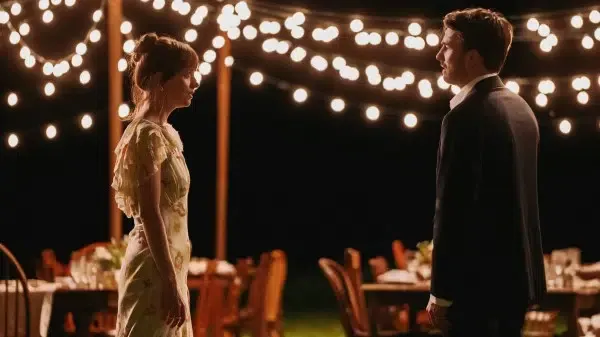
Materialists had a similar problem. Lucy and John's relationship was mostly them talking about what happened between them and not showing us what the relationship was. For example, every time Lucy spoke with John, she mentioned she couldn't be with him because he was poor and she hated that. John would be hurt, things would be awkward, and then we'd get to them being like, but I also still love you. Where was that love, though? I didn't see it when they hung out– in fact, the most that I got about their relationship was that John was incapable of comforting her the way she needed, and that was because she also spelled it out for us. The movie leaned too hard into telling than it did showing, and in doing that, it felt like the movie didn't trust the audience to get what it was talking about.
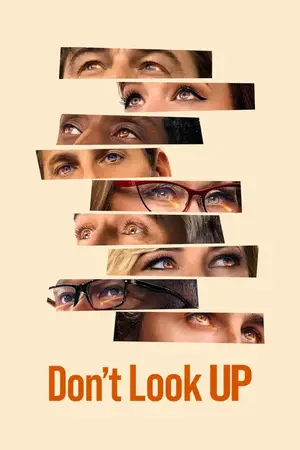
Of course, there are films where expositional dialogue is an intentional and tactical choice. Arguably, Don't Look Up, or even The Bride! (hot take, I know), are two examples where I think the point was to be obvious and grating. The whole point of Don't Look Up was to demonstrate how even when you're yelling the truth into everyone's ears, nobody will do anything at all. In The Bride!, the Bride's feminist movement and speeches were grating and on the nose, but it worked for the character they were trying to make. Her whole spiel was that nobody was listening. The movie is supposed to be her voice, her truth. But my issue is with films and TV that don't need exposition. With Stranger Things, the exposition removed me from the narrative altogether. I stopped caring about the characters because every two minutes I was told exactly what I should be thinking. The same thing with Materialists; I didn't trust that John and Lucy loved each other because the movie didn't give me space and time to see that develop, or exist. Sweet Pea is another one that comes to mind, or even The Artful Dodger. With streaming shows, you'd think that the "Previously on..." would be enough to remind viewers what happened if they don't binge-watch the series. But, like, no. Even these new streaming shows constantly just tell you what the takeaway is.

A common rationale for expositional dialogue is that it enables people to watch shows while doing something else, like doomscrolling. I certainly see that being true. Admittedly, sometimes I find myself doomscrolling while watching a show, especially if it doesn't capture my attention enough. However, I think it indicates a bigger problem at hand: critical thinking skills. As more and more shows begin adapting to brainrot culture, the less anyone has to critically think about the narratives they ingest. Nuances in context are so important because they allow space for moderation and empathy. Priming a population to adjust to brainrot, to stop practicing their critical thinking skills, where movies that require reading between the lines feels burdensome, makes room for a more polarized society. I feel like we are already seeing the effects of that right now.
The whole art of watching shows and tv is the ability to discuss it, to have a variety of readings. They don't have to all align. However, when you create dialogue that points a finger at the visuals and the acting and is like, this is exactly what I am talking about (*cough, cough, Asteroid City), the entire impact of the work put into the elements disappears. Dialogue is supposed to intertwine with the rest of the movie, to help emphasize certain things without laying it all out on the floor. And, the thing is, people want it. Movies like Sinners and Arrival, and Anniversay, and Joyland, and It Was Just An Accident, demonstrate that trusting your audience can lead to intentional and culturally powerful narratives. The narrative doesn't even have to be thematically heavy. Just give viewers time to think.
And to discuss. Let us use our brain and come to our own conclusions.
Agree? Disagree? Tell me in the comments!
Feeling triggered by some of my film opinions? Here are some recommended cleansers:
Writers Who Loved Materialists:
https://www.peliplat.com/en/article/10073924/materialists-is-hopelessly-romantic
https://www.peliplat.com/en/article/10072868/materialists-if-regret-were-a-love-language
Writers Who Loved Stranger Things:
https://www.peliplat.com/en/article/10093609/the-ending-of-stranger-things-is-near-perfect
https://www.peliplat.com/en/article/10090282/stranger-things-music-is-its-secret-weapon
https://www.peliplat.com/en/article/10090402/stranger-things-5-a-long-and-tender-goodbye
Writers Who Loved The Whale:
https://www.peliplat.com/en/article/10003088/2023-oscar-winners-the-whale
https://www.peliplat.com/en/article/10003079/the-whale-the-struggle-between-the-soul-and-the-body
Writers Who Loved Asteroid City:
https://www.peliplat.com/en/article/10006307/asteroid-city-why-i-prefer-asteroid-city-over-budapest
Stay tuned for more thoughts. In the meantime, give a like, share, and follow!







Comments 7