VIFF '25 - It Was Not An Accident
General Reviews
It Was Just An Accident doesn't really start at the beginning. It sneaks up on you, caraveening over the curb, mindless in its anger, ready to attack. And then, suddenly, you're in the story, completely immersed, refusing to blink for you don't want to miss even a second of the screen.
So, we begin in a car, with what you presume will be the protagonists of the story: a father, Eghbal (Ebrahim Azizi), his wife (Afsaneh Najmabadi), and his daughter (Delmaz Najafi). It's dark, the radio's playing, the daughter is bored. There aren't any streetlights, so it's hard to see, but nothing seems weird. The family seems lovely, in fact. The mother dances with the daughter, and Eghbal joins in with a smile.
Then, a loud thud.
You see it coming, the wild dogs are introduced from the beginning. Something feels off, but you can't put your finger on it. Eghbal rolls to a stop and very, very slowly leaves the car.
The camera tightens onto Eghbal's face. He's trying hard not to react, but his breathing is getting frantic. You don't need to see to know what's happening. The daughter taps the glass. He hurriedly walks back to the car. The door slams shut.
For the rest of the drive, guilt and sorrow hang heavily in the air. Eghbal's shoulders are tense, burdened with the trauma of what he's done. The daughter whispers the sentiment quietly, under her breath. You might even miss it if you don't pay attention: "You killed it."
It is the mother, not Eghbal, who explains to her that this happens sometimes. It is dark. Your dad couldn't see. Still, the daughter struggles to shake the stress off of her shoulders. Her accusation hangs over her father's head.
By the ten minute mark, I was already at the edge of my seat. The tone was set.
Yet, somehow, this film managed to take me by surprise when it sharply veers off course into another story. Eghbal's car breaks down and he searches for a mechanic in the middle of nowhere. This is when Vahid (Vahid Mobasseri) comes into the picture.
The story changes at this point, even if you don't notice it at first. The camera switches protagonists. Just like that. Suddenly, you're following Vahid around, and Eghbal no longer seems so innocent. Vahid panics, but you don't really get to see why, and God knows you won't get it, not until the next scene, and then the story really starts.
Vahid hears Eghbal's voice and something happens, something clicks.
(Now, obviously, I am not going to spoil this for you, but seriously, this film goes crazy!)
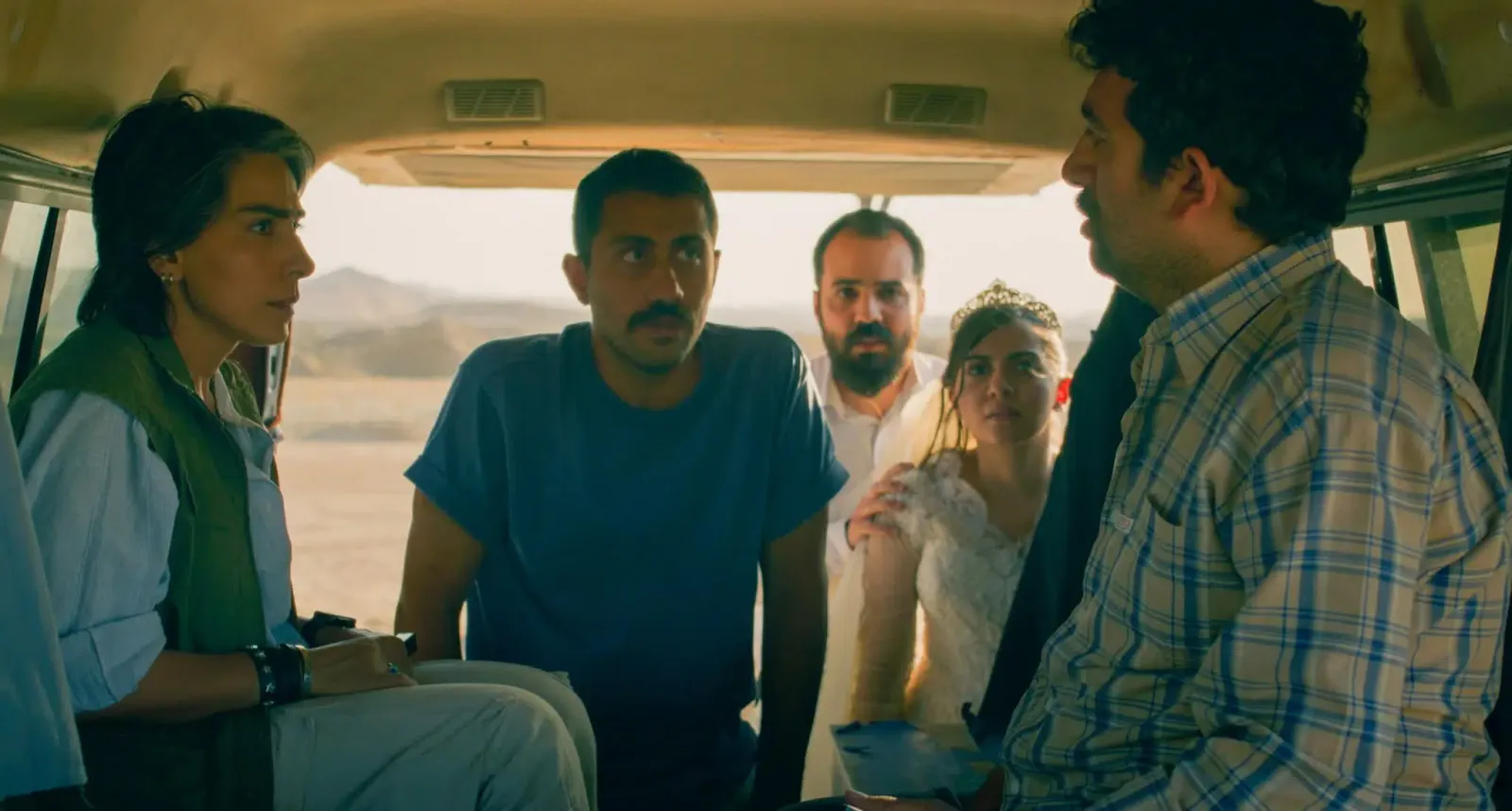
What I am going to talk about is how this film was the best part of my VIFF experience. I swear to God, it was a storyteller's dream come to life. I mean, come on, they had a Waiting for Godot allusion (yes, I was so proud I immediately caught on, before the characters spelled it out for me). The dialogue was immaculate. It was clean, organic, it told us everything we needed to know about the characters without it being on the nose, I was pressed into my seat, holding onto my dear life. This was a film written by a master of language, there was no question about it, and I was hooked.
At no point did I feel this film falter or stagger; there was no slow point, even though it was dialogue heavy and there were times where nothing much was happening. Jafar Panahi created an atmosphere that literally entraps you; I was buckled into my seat and the car was veering from one end to the other— there was no getting off this ride.
I know heavy dialogue feels intimidating, especially for a foreign language film, but trust me when I say that It Was Just An Accident did it in a way that makes the hour feel too short. From the way the characters argued with one another, to the brilliantly hilarious scenes embedded here and there throughout the narrative, the film created an environment that was easy to slip into. It tackled themes of morality, existentialism, and politics in a way that was accessible and engaging. Even if you don't know about the history of Iran. It's okay. This film will not test you, but it will make you think.
There is a quote by author Richard Price, one that Jenny Lumet randomly tried to recycle in her VIFF talk on Thursday Oct. 12, which reminded me of this film:
“The bigger the issue, the smaller you write. Remember that. You don’t write about the horrors of war. No. You write about a kid’s burnt socks lying on the road. You pick the smallest manageable part of the big thing, and you work off the resonance.”
For some reason, when Lumet was using this quote, she used doing laundry as an example (didn't really make sense in the context of her talk, but whatever, that's another conversation). However, in It Was Just An Accident, Panahi demonstrated the power of Price's storytelling technique The story funneled down from the larger conversation about politics in Iran to being simply about a man and his relationship with another man (his torturer). In this way, what seems enormous and difficult to encapsulate, becomes so much more personal and imminent. In Vahid's shoes, you get caught in the paradox of wanting vengeance over wanting to follow your moral values. Vahid was the sock that Panahi honed in on; the repercussions of political dispute, of human evil.
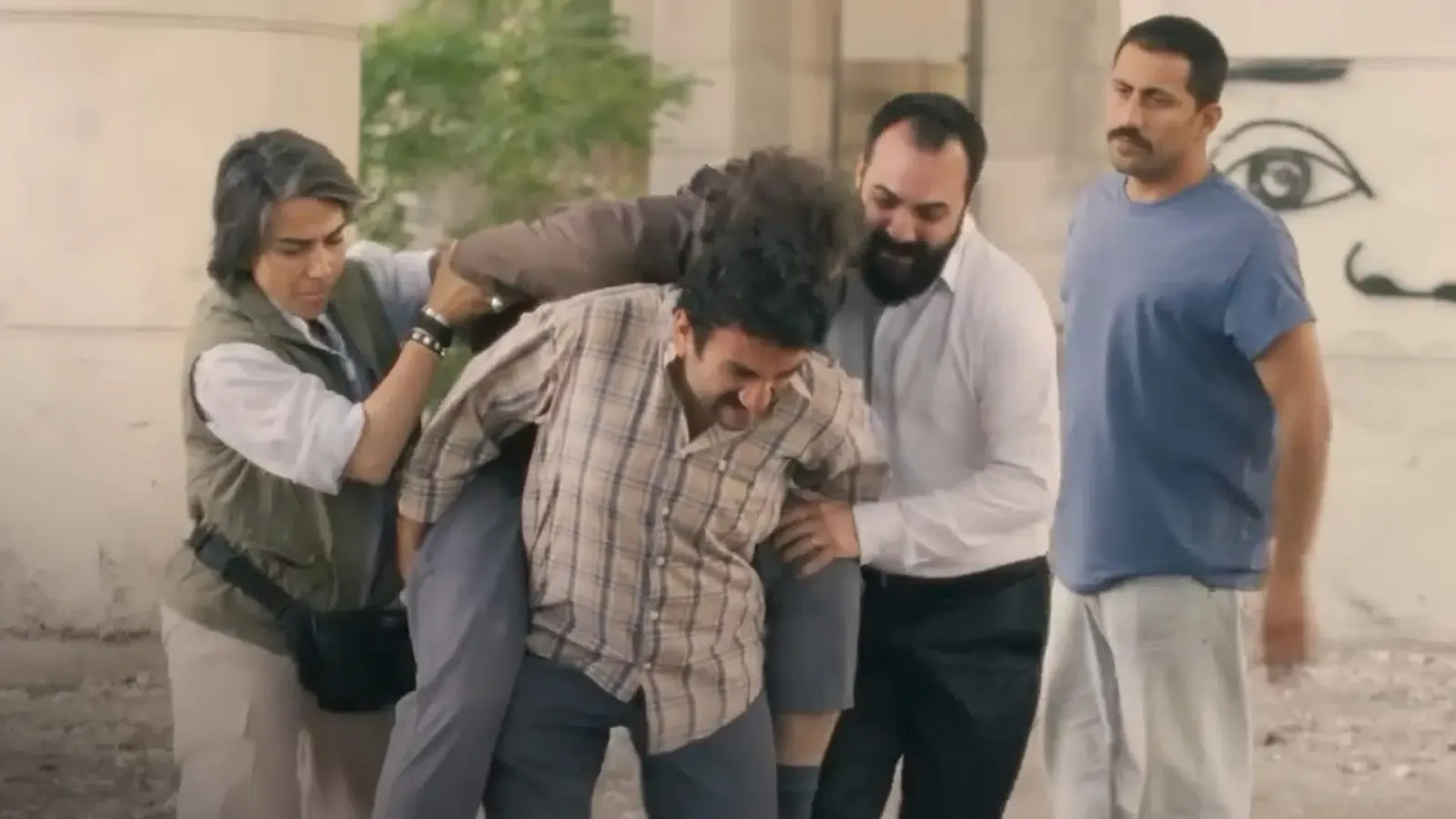
I really don't want to spoil anything from this film because I think it is simply genius and everyone needs to watch it. For me, it painted my experience of VIFF and made me appreciate the art of film even more. This is what film festivals celebrate: artists who are clearly passionate about their stories, who have laboured hours upon hours creating a narrative that is intentional and layered and meaningful. It Was Just An Accident poses the fundamental question in front of you and debates it: What would you do in the face of someone who took part in hurting you? In the end, it is hard to come to any clear conclusion, which I think is exactly the point.
It Was An Accident makes you feel like you're in the car, behind the wheel, and the dog is underneath you.
If you haven't seen it, you are missing out. No, seriously.
Tell me your thoughts!




Comments 1