A Creature in Search of a Name: The Bold, Blurred Identity of 'The Bride!'
General Reviews
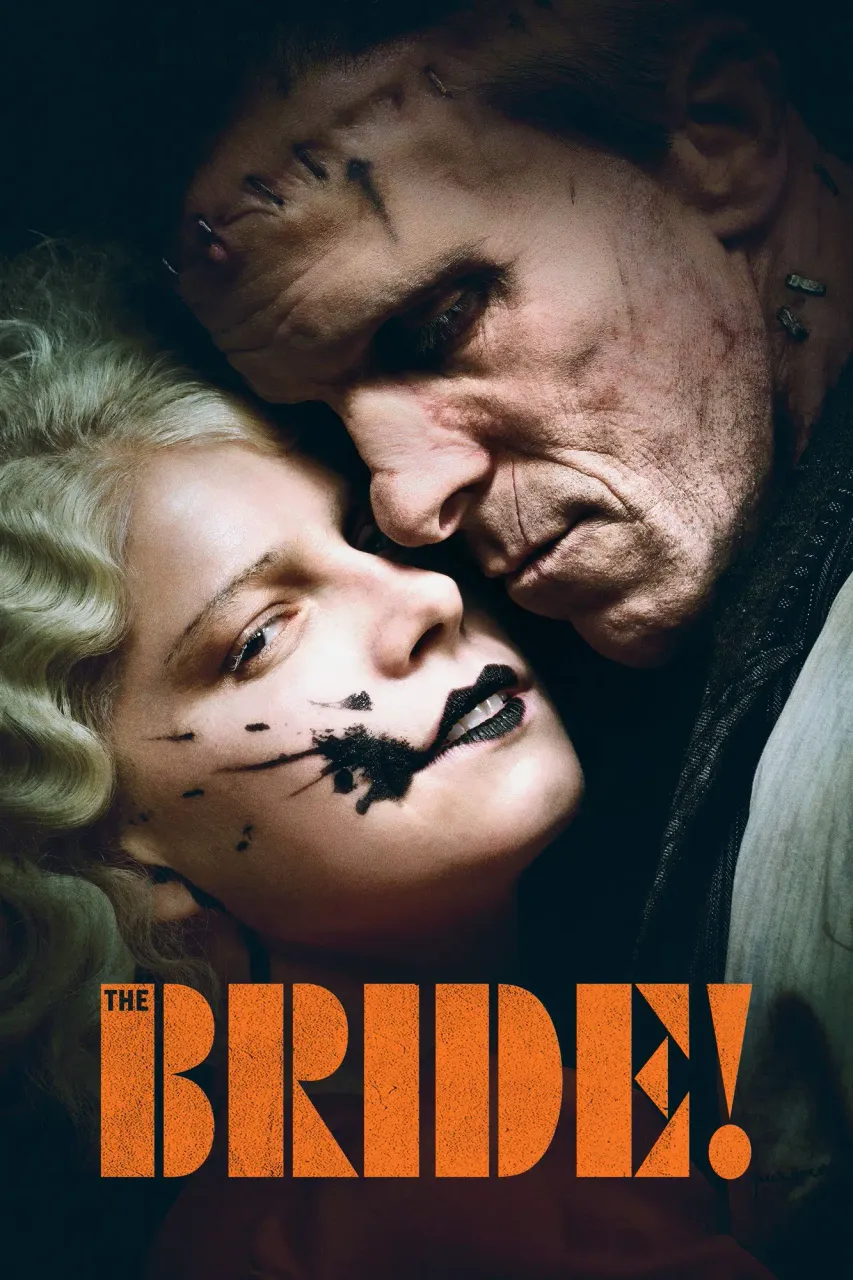
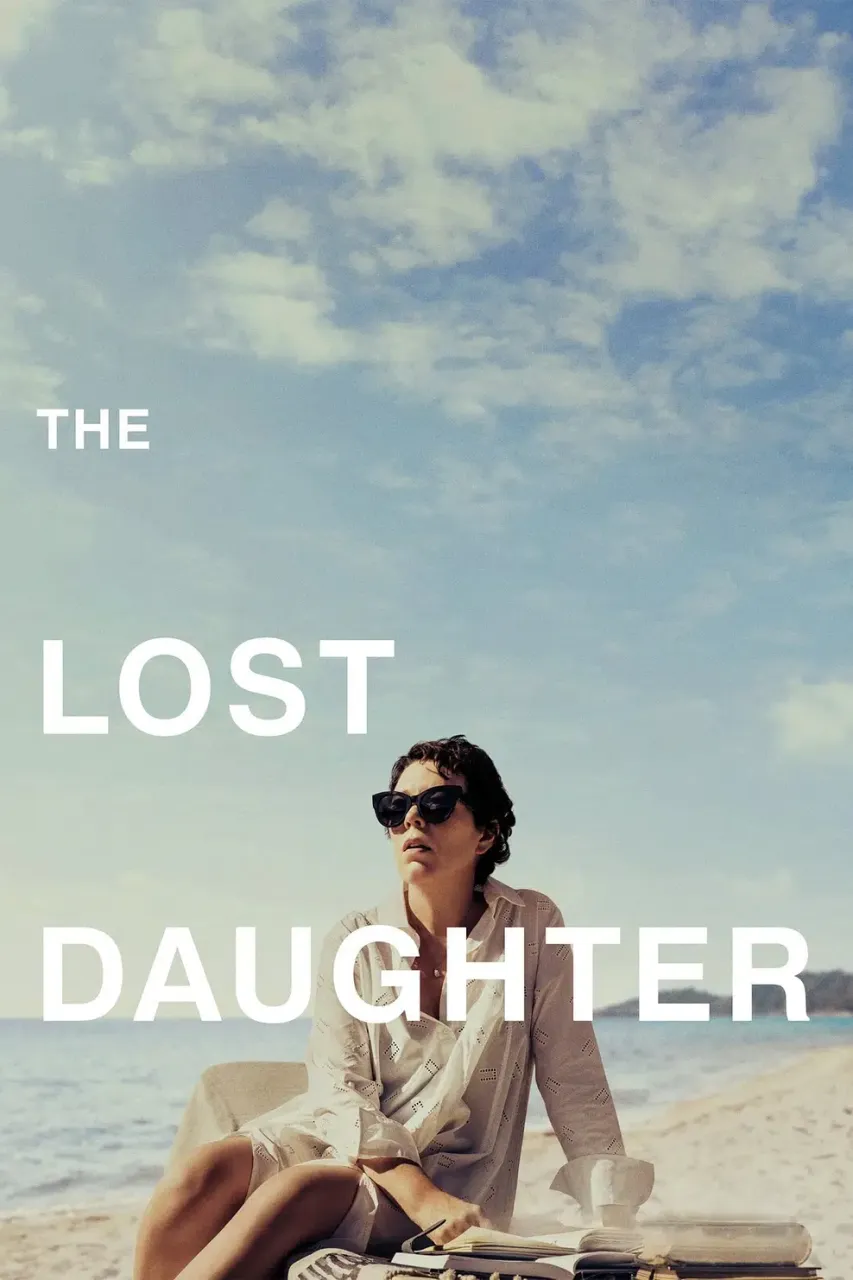
Maggie Gyllenhaal's The Bride! is a film that leaves the viewer in a state of electric uncertainty. It’s the kind of cinematic experience where you exit the theatre still vibrating from the noise, unsure if you’ve been enlightened or merely overwhelmed. Following her nuanced debut behind the camera, The Lost Daughter, Gyllenhaal returns with a much larger, more erratic swing. It is an undeniably bold reimagining of an icon who has historically been denied the right to her own interiority, refashioned here into a feral, stylish revolutionary.
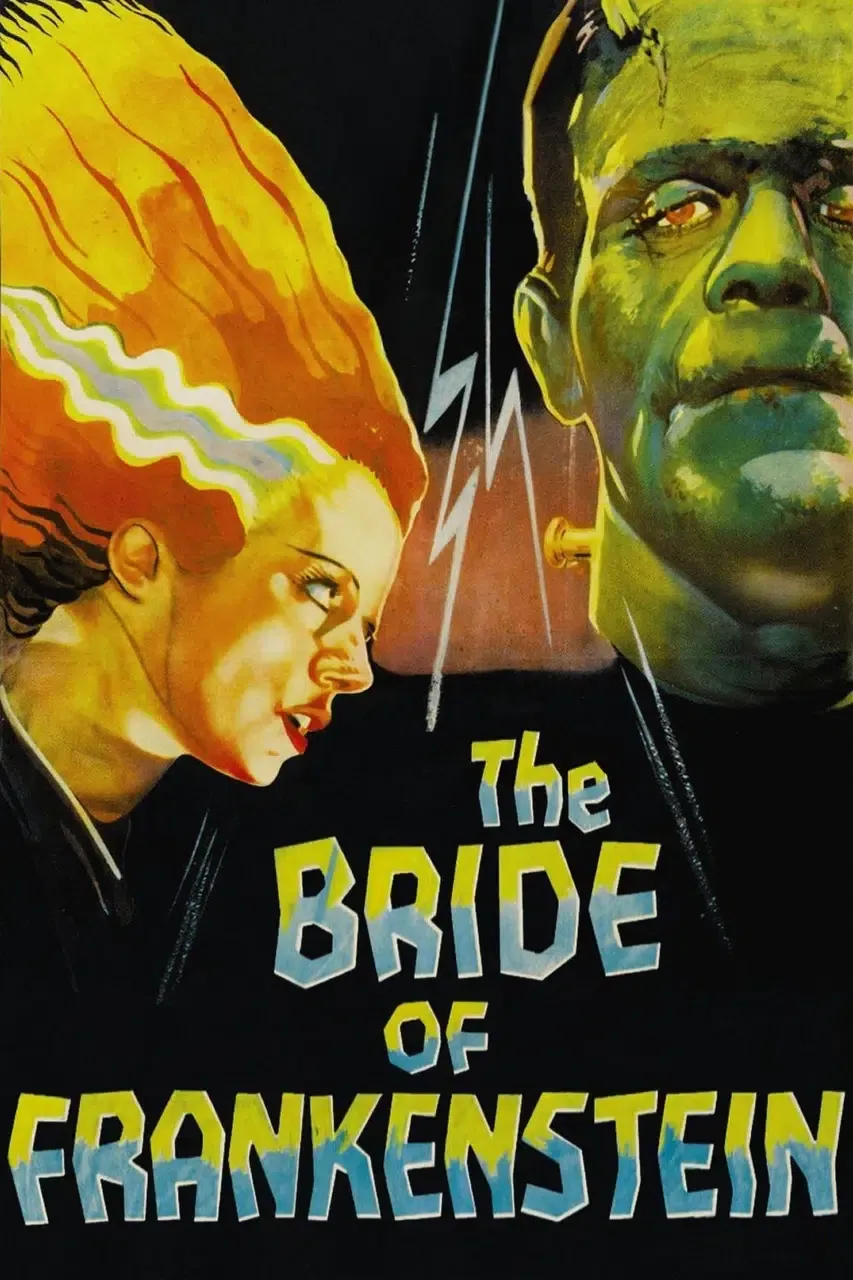
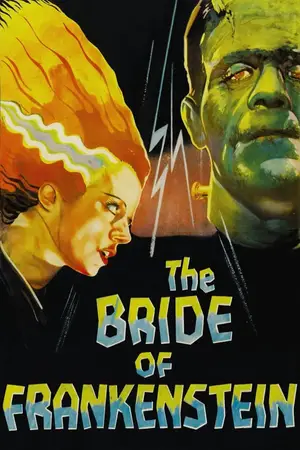
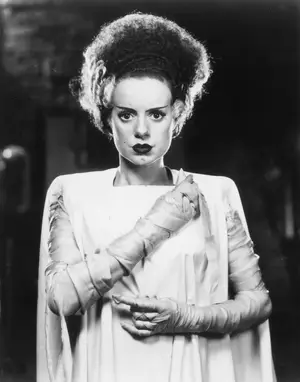
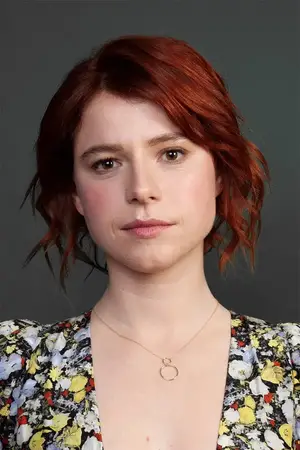
To understand the weight of this subversion, one must look at the character’s fragmented history. In Mary Shelley's 1818 novel, the "female creature" never even takes a breath; she is torn apart by Victor Frankenstein before she can be finished. When she finally came to life on screen in James Whale’s 1935 Bride of Frankenstein, Elsa Lanchester gave her an indelible silhouette, yet she remained a mere postscript to her own story. As Erin Hawley notes in The Bride and Her Afterlife, the character's silence has often stood as a metaphor for the historical silencing of women—a figure defined entirely by the labels others place upon her. For Gyllenhaal's Bride (played by Jessie Buckley), she is defined entirely by an identity given to her. With this, Gyllenhaal seeks to give the character a voice and build her own self. However, Gyllenhaal's story ends where the Bride's really begins and who she was as a person before she died is only briefly touched on. Instead, the Bride becomes more of a vessel for many women.

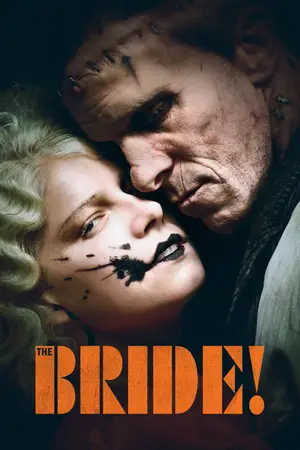
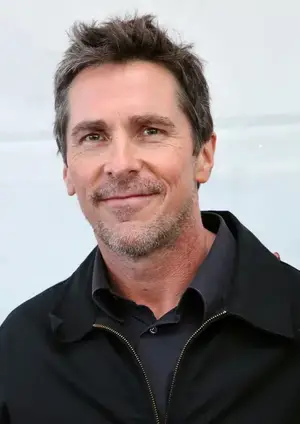
In this iteration of the Bride’s story, she still isn’t the sole focus. Frankenstein’s Monster makes his entry into her story as a lonely man, Frank (Christian Bale), who travels to Chicago to seek the help of scientist, Dr. Euphronious (Annette Bening). He hopes that she can give him the companion he has longed for for decades. Together, they dig up the body of a murdered young woman and reanimate her––without her consent. But what Gyllenhaal constructs is a radical departure from the subservient mate Frank envisions.
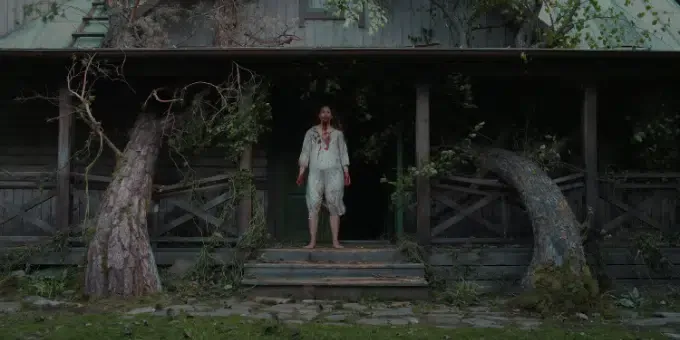
The Bride has a voice. The Bride has a say. And The Bride transitions from a confused creation to a woman of total agency. She moves from the desperate plea of "What's my name?" to a radical owning of the name given to her. By eventually taking her name as her own, she is no longer a "Bride of" anyone or a character in someone else's script; she is an entity unto herself, sparking a combustible cultural movement.
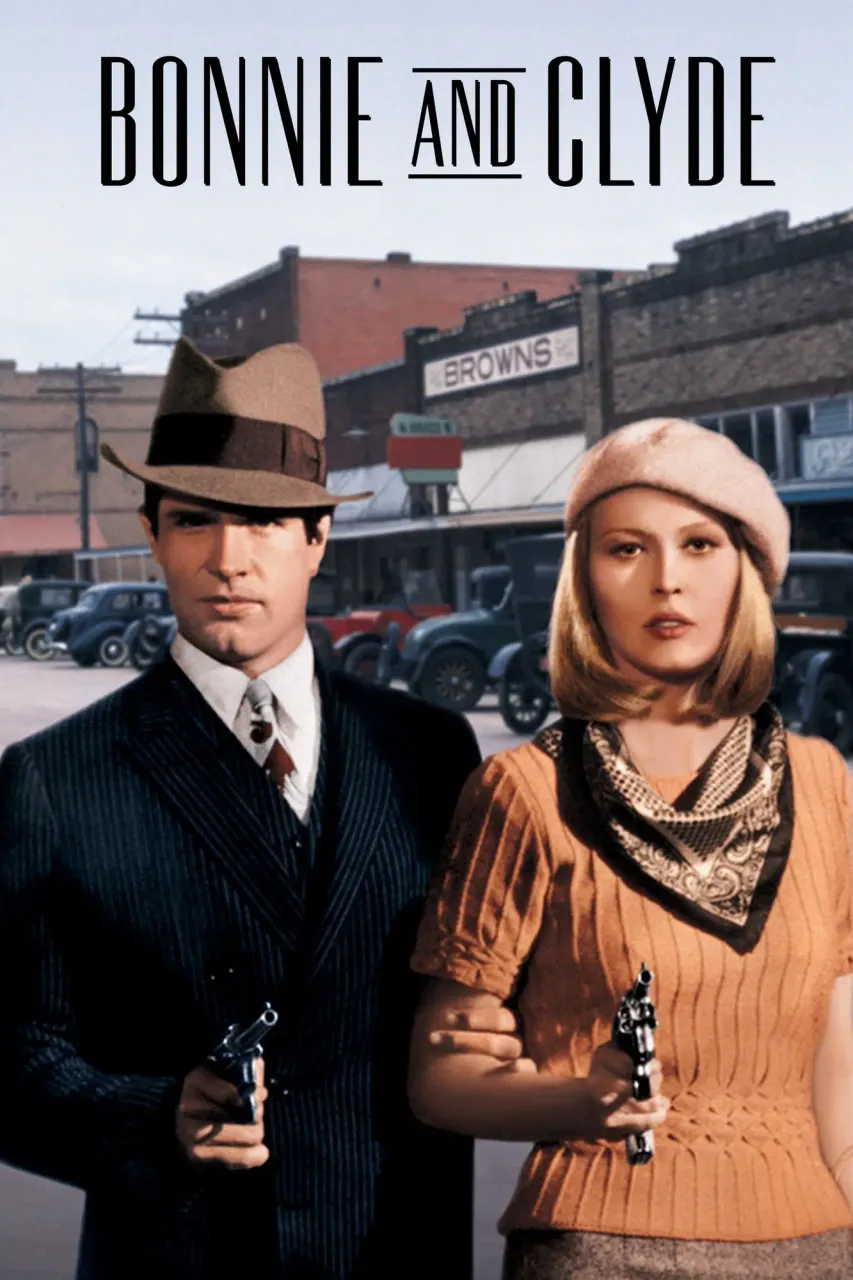
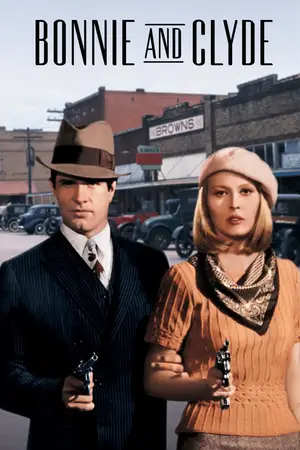
I mention “script” because the film also serves as a tribute to the scripts of the silver screen. Frank is a man obsessed with the movies, particularly the work of Ronnie Reed (Jake Gyllenhaal), a popular actor whom he idolizes. We see Frank frequently seeking refuge in movie theatres, and when he and the Bride eventually go on the run for murder––the film becoming a Universal Monster version of Bonnie and Clyde––their journey is literalized through the settings of Ronnie Reed’s films. For Frank, movies aren't just entertainment; they are a guide and a means of navigating a life of isolation. The film deftly weaves in the DNA of classic monster movies, detective noirs, and even musicals, suggesting that our identities are often stitched together from the stories we consume. As feminist theorist Elizabeth Young argues in Here Comes the Bride, the Bride has traditionally been a creature of male fantasy. Frank is often in his own fantasy world, picturing himself and his Bride as though they are in the scenes of his favourite films. However, what makes this depiction of the Bride refreshing is that she is no longer relegated to a supporting role in a man's script.
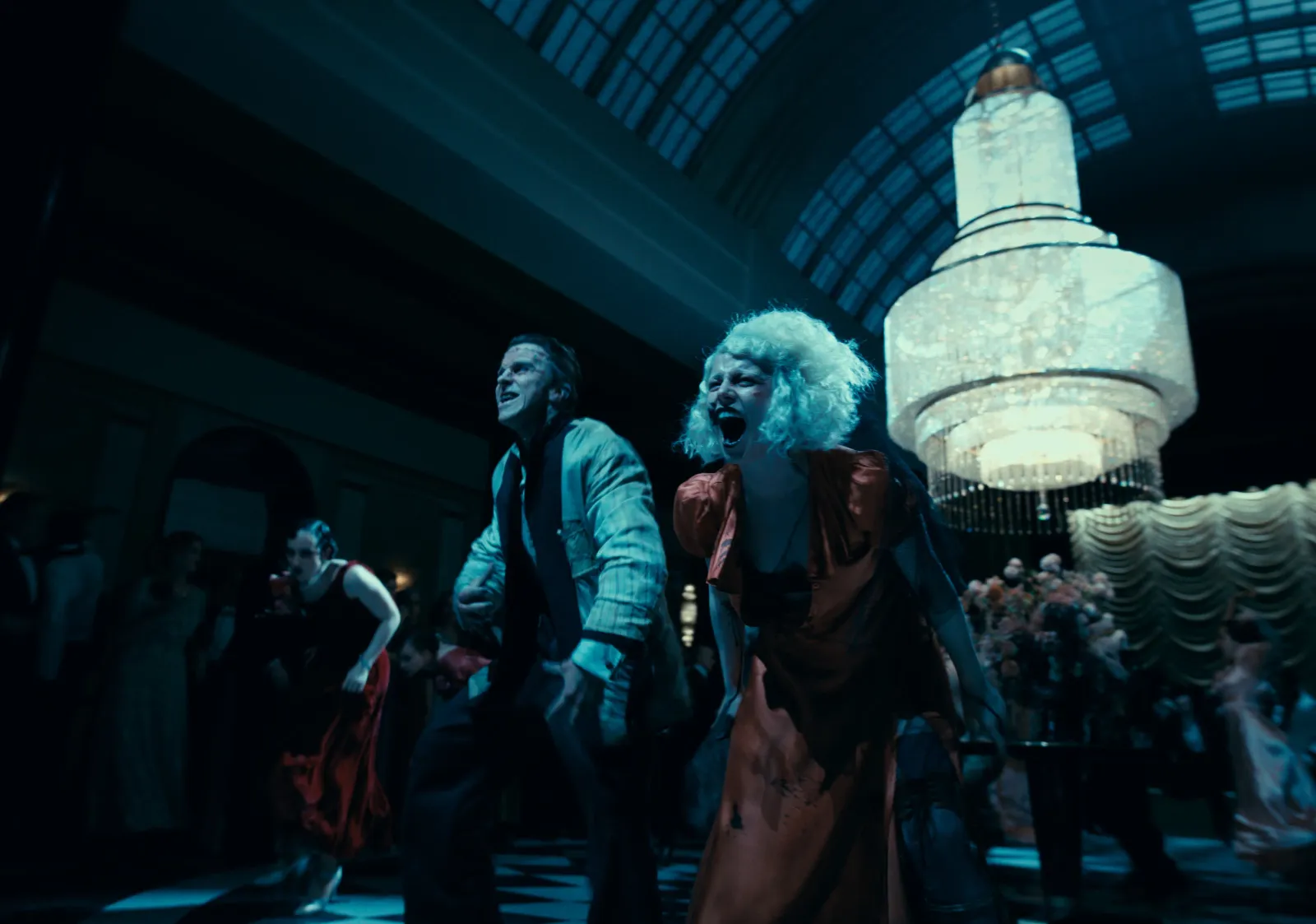
As mentioned, the Bride proves to be revolutionary, igniting many women to use her as a symbol of freedom, of female rage. One of the people who uses the Bride as a vessel is Mary Shelley herself, a woman whose genius was often questioned. When Frankenstein was published anonymously in 1818, several early reviewers assumed the author was a man, some even suspected her husband, Percy. When the novel was published in her name a few years later, she wrote: “I certainly did not owe the suggestion of one incident, nor scarcely of one train of feeling, to my husband….” Shelley had a voice, but had to convince others of it.
To have Shelley be a central figure in the Bride’s story is a conceptually rich choice as there is a poignant symmetry in both the creator and the creature struggling to find their own identities. However, the execution of this Shelley-Bride connection often feels distracting, leading to a narrative fog that makes it difficult to pin down who this specific iteration of the character actually is.
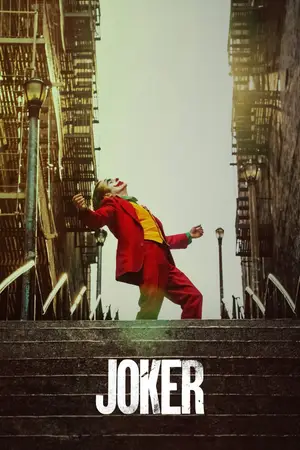
While the film does stumble in the writing department, production designer Karen Murphy and costume designer Sandy Powell transform the film into a vivid, glittering 1930s playground. The film frequently invites Joker comparisons, an association made unavoidable by the presence of cinematographer Lawrence Sher and composer Hildur Guðnadóttir. While the photography is strikingly moody and the score pulses with a visceral, 1930s punk-rock energy, its writing brings it down, especially as it feels similar to Joker but feminist, which occasionally pulls focus from the Bride’s unique journey.


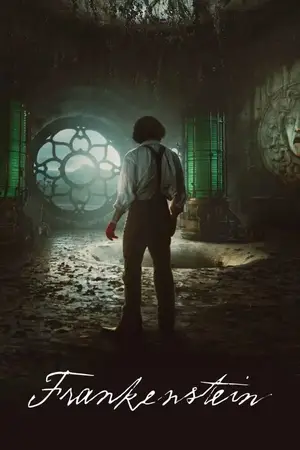
As the titular character, Buckley hurls herself into the role with an erratic, exhilarating sense of freedom. She is a force of nature, making bold, maddening choices that are thrilling to witness. In contrast, Bale has a hard time balancing brutality with tenderness. He lacks the profound, travel-worn loneliness that defines the creature in Shelley’s original prose, and which is captured so well by Jacob Elordi in Guillermo del Toro's Frankenstein, leaving a slight void where the film’s emotional core should be.
The Bride! is a hit-and-miss entry in the contemporary canon of feminist subversions—a collection of bold, interesting ideas that don’t all fully stitch together. It is a conflicted, visually arresting reclamation of a character who, as Hawley notes, has served as a metaphor for women's silence. Gyllenhaal’s film ensures that, this time, the Bride is the one who has the last word.






Comments 4