'Leviticus' Review: Reclaiming the Shape of the Monster
General Reviews
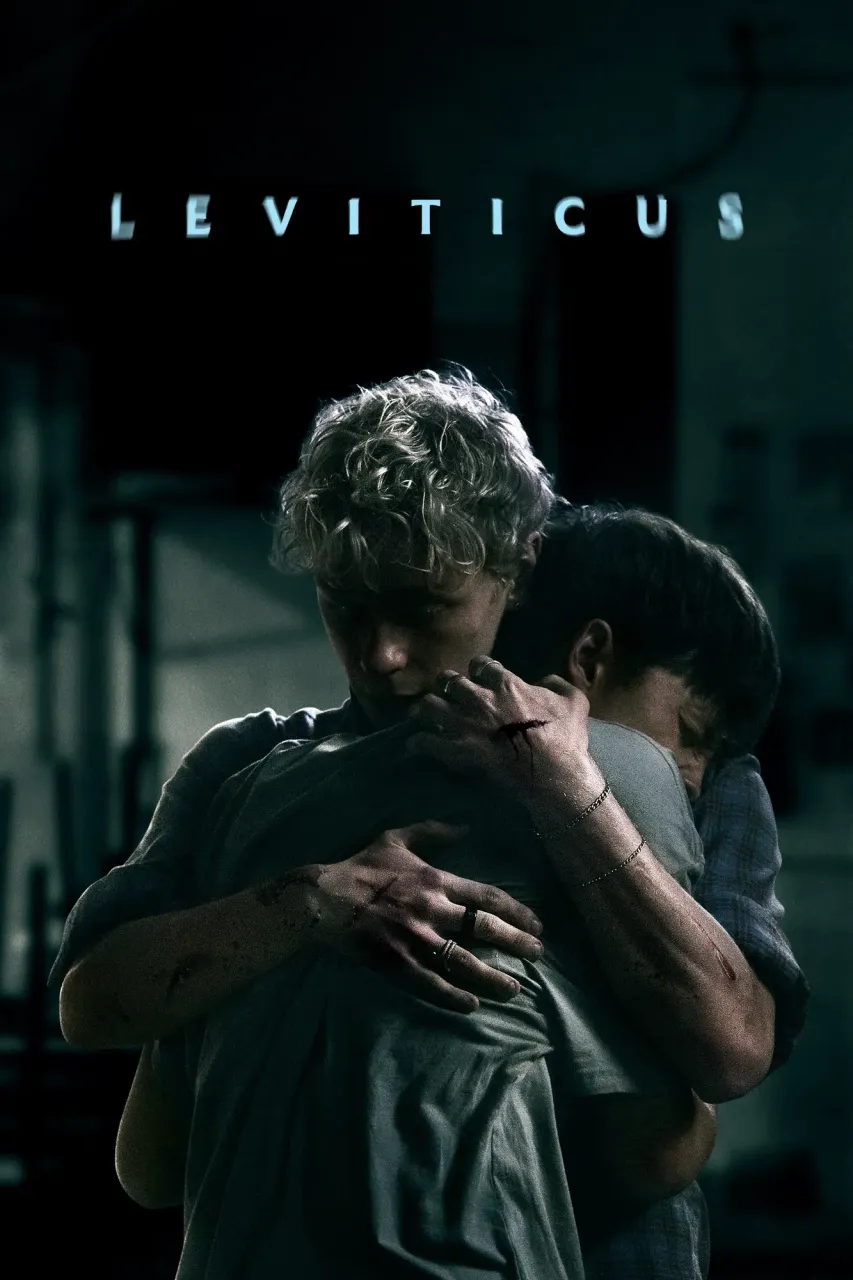
Leviticus opens on a string of bad omens before either of its leads says a word. A pool shower clicks on with no one near it; a girl mid-conversation with someone unseen starts screaming, her bloody hands clawing for an exit. Then the film cuts to the Australian outback, with an animal skull wired to a fence and a snake mid-swallow on a frog. It's an entrance built almost entirely out of death, and it does its job: by the time we meet Naim and Ryan, the atmosphere is already doing half the storytelling.
Written and directed by Adrian Chiarella (a gay man who grew up obsessed with horror, which tracks completely once you've seen what he does with the genre here), the film is set in a small town where Naim (Joe Bird) and his grieving, newly religious mother (Mia Wasikowska) have just relocated. The two boys are visual opposites before they're anything else: Naim keeps himself covered, withdrawn, uneasy in his own skin, while Ryan (Stacy Clausen) wears a tank top and a confidence Naim doesn't share; confidence that, in one early scene, only pushes Naim toward anger when Ryan gets too close to what Naim is actually feeling. They both attend the same church (one with a genuinely good band), and it's across the pews that their eyes catch and hold. A low boom creeps into the score right as they grow closer, like the film is announcing its own dread in advance. They kiss. It's a first for both of them, and luckily, the film doesn't make them wait until the end for it.

After Naim spots Ryan with another boy at school, he reports them both out of hurt that curdles fast into retaliation. What follows is the film's most upsetting stretch: a “deliverance healer” attempts to pray Ryan's gay way, declaring with real force that the lust has to leave him now. Ryan starts choking, convulsing on the floor like something's taken hold of him. Naim watches in horror, half-aware that this is on him. But what is the real transgression? What the boys feel for each other, what the adults around them do in response, or the betrayal the boys deal each other first?
The film's hook is simple to state and hard to shake: once the teens meet the "deliverance healer", a monster begins to hunt them, taking the shape of the person each of them wants most. Scratch marks open up on Ryan's back; something claw-shaped pushes at his skin from underneath; he becomes convinced the thing attacking him is Naim. The monster can be interpreted as their guilt, violently inflicting them; it's the specific guilt a strict, small-town, Catholic upbringing manufactures around desire. Naim is already carrying a fear over his own feelings, which have only grown since the move, since meeting Ryan; feelings that are thrilling and frightening in equal measure. The "deliverance healer" his mother brings in believes, with total sincerity, that she's casting something out of her son to protect him, but the shame and suppression her intervention demands is exactly what the monster feeds on. The harder the adults pray it away, the stronger it gets.

Horror has a long, ugly habit of treating queerness as something monstrous, often without quite meaning to. Leviticus does it on purpose: it puts the anti-gay sentiment running through this town's church and families on screen, and then shows you the actual consequence of that sentiment, embodied directly in the monster itself. The film's internal logic mirrors the Catholic guilt it diagnoses. The monster convinces the boys that being near each other only makes it stronger, which is exactly what that mindset teaches: keep your distance from temptation, and the sin can't take hold. There's a clear nod to It Follows (which has had its own queer interpretations) in how the entity tracks its targets, stalking Ryan or Naim in classic horror-villain fashion. The attacks only ever land when the boys are alone, which becomes its own argument: isolating a queer kid doesn't protect him, it's exactly what lets the monster in. "This is what they wanted," one of them finally says, “us to be scared of each other.”

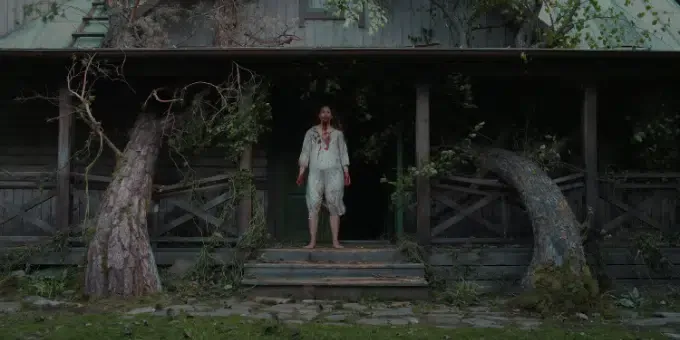
Leviticus is a genuinely tense watch, especially once you can no longer trust whether the figure in front of Naim or Ryan is really the other boy or the thing wearing his face. The two young leads sell every bit of it; the rush of a secret desire and the specific terror of having that desire turned into a weapon are both fully there in their performances. The score, full of huge, chest-deep thumps, builds dread out of near-quiet better than most horror twice its budget. The film's persistently grey, overcast look suits the mood even when it isn't much to look at on its own terms, and a few lines get lost in the thickness of the Australian accents. But it's minor friction in an otherwise confident debut.
By the end, Leviticus has made its case without ever losing sight of who it's actually rooting for. The takeaway is the one this genre does best: you don't let fear win. And for queer people, there's real victory in that.






Comments 2