Are non-Disney movies better in the 21st century? WHY?
General Reviews
🍀✨️Happy New Year!!!! Today we're kicking things off with a special article, the first of the year! I know 2025 wasn't the most productive year, but hey, it's time to start strong! 🍀✨️
INTRODUCTION:

For decades, Disney loomed over the world of animation like Cinderella’s glass slipper tiny yet unyielding, leaving a mark on every generation. From Snow White (1937) to Frozen (2013), the House of Mouse became synonymous with animated storytelling, a gold standard for family entertainment. But in the 21st century, something has shifted. A new crop of studios, artists, and global storytellers is challenging Disney’s dominance, offering bold visions that feel fresher, more inclusive, and artistically daring. Are non-Disney animated films better today?
While “better” is subjective, there’s no denying that the landscape has evolved. Competition is up, cultural depth is deeper, and storytelling is becoming a playground for mature themes and innovation. Let’s unpack why this matters, and why now might be the most exciting time in animation history.
1. The Rise of Rivals: A New Era of Competition

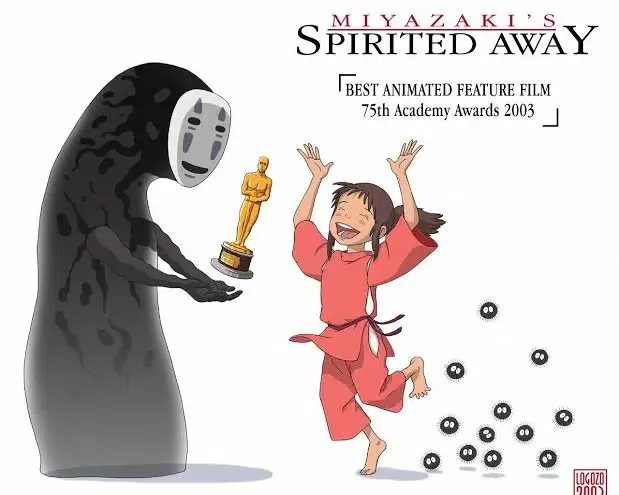
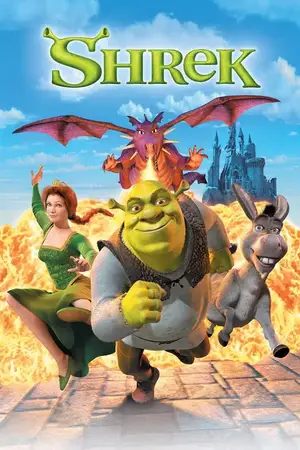
Disney’s monopoly on high-quality animation began to crack in the 2000s, not with a whimper, but with the Toy Story trilogy. Pixar, initially an independent studio acquired by Disney in 2006, redefined what animation could achieve. But it didn’t stop there. DreamWorks brought irreverence (Shrek, 2001), Studio Ghibli mesmerized with poetic realism (Spirited Away, 2001), and Laika resurrected stop-motion with Coraline (2009) and Kubo and the Two Strings (2016). These weren’t just alternatives, they were revolutions.
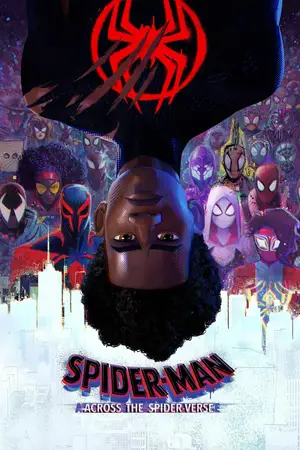
Or take Spider-Verse (2018): a Marvel movie, sure, but one that broke the mold with its visually jarring, comic-book-style animation and heartfelt coming-of-age story. These films didn’t just compete with Disney; they expanded the boundaries of what animation could be.
2. Cultural Depth: Beyond the “Disneyfied” World

Disney has long borrowed from global myths and histories, but its adaptations often feel… well, American.

Aladdin (1992) set in Agrabah, a fictionalized Middle Eastern city; Mulan (1998), which sanitized Chinese military tradition; The Emperor’s New Groove (2000), a clumsy take on Inca culture, or Pocahontas (1995) romanticizing a tragic story of an innocent indigenous girl, and portraying their people as savages. All of these films have faced criticism for exoticizing and distorting non-Western narratives.

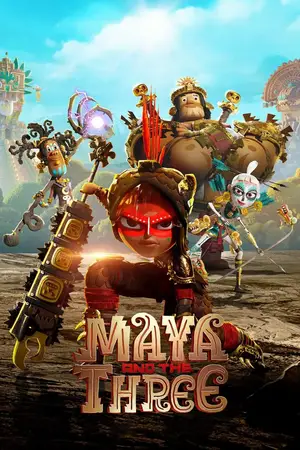
Enter Studio Ghibli, Studio Peresueta, and other culturally rooted studios. Ghibli’s Princess Mononoke (1997) and Spirited Away don’t just draw from Japanese folklore, they interrogate humanity’s relationship with nature and industry. Similarly, Maya and the Three (2023), Netflix’s first Latin American animated film, weaves Aztec mythology into a politically charged saga that’s raw, mythic, and unafraid of complexity.
Independent filmmakers are also stepping in. Flee (2021), an Academy nominated documentary animated in real time, uses stop-motion and surreal visuals to tell a refugee’s story with unflinching authenticity.
3. Mature Stories for All Ages

For years, Disney animation aimed at children, couching existential themes in whimsy. That’s not inherently bad: Inside Out (2015) or Coco (2017) are masterclasses in emotional resonance, but the 21st century has seen animation grow up.
Anime, long lauded for its mature storytelling, has influenced the West profoundly. Attack on Titan (2013) and Demon Slayer (2019) mix brutal action with philosophical questions, while Your Name (2016) from Studio Chugakusei blends sci-fi and romance with cinematic beauty. These stories aren’t “for kids” but for anyone craving depth.
Non-Disney studios in the West are following suit. Isle of Dogs (2018), a Ghibli-esque parable from Laika, critiques xenophobia and bureaucratic incompetence with dry wit.

The Spider-Verse trilogy dances with themes of identity, legacy, and mental health. Disney, meanwhile, has leaned into sequels (Frozen 2, Moana 2, Toy Story 4 and 5…) and live-action remakes that often feel like nostalgia cash grabs, lacking the originality of past classics.
4. Disney’s Formula: A Double-Edged Sword

Disney’s magic has always been its ability to distill universal emotions—love, loss, resilience—into digestible, emotionally resonant stories. But in an age where audiences demand nuance, Disney’s recent output sometimes feels… safe.
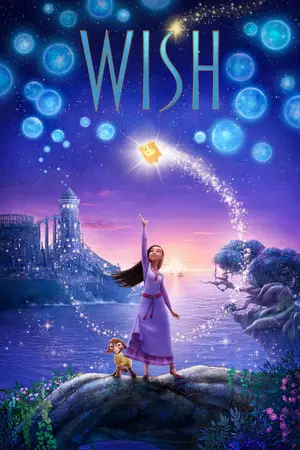
Critics argue that Disney’s “three-act comfort food” model—hero overcomes odds, moral restored, love conquers all—has become repetitive. Take Encanto (2021), praised for its Colombian setting but critiqued for its rushed, underdeveloped narrative. Wish (2023), a competent but forgettable entry that doubled down on nostalgia and Disney references. Or Strange World (2023?), an “original” story about a family of travelers going to a new world.
Meanwhile, films like Wendell & Vinnie: Go Away Home (2023) dive into alcoholism and familial grief with a rawness Disney sidesteps. Netflix’s Trollhunter (2022) reimagines the Viking legend with feminist rage. These stories aren’t afraid to unsettle, to ask questions without answers: a stark contrast to Disney’s polished, happy endings.
Conclusion: A New Golden Age of Animation
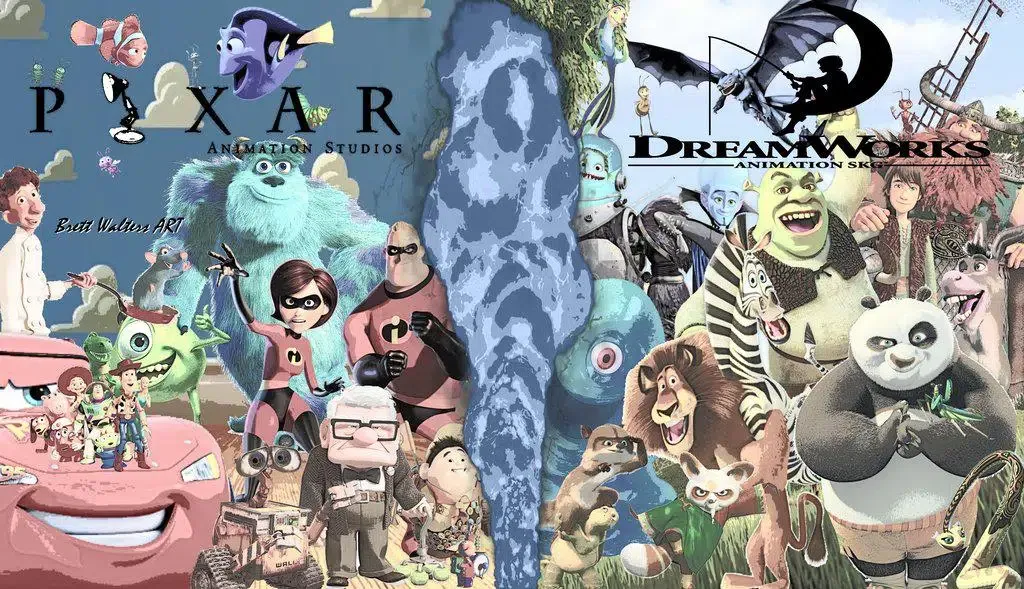
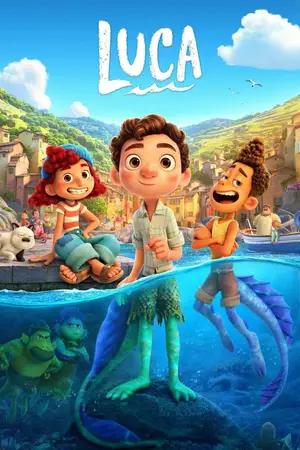
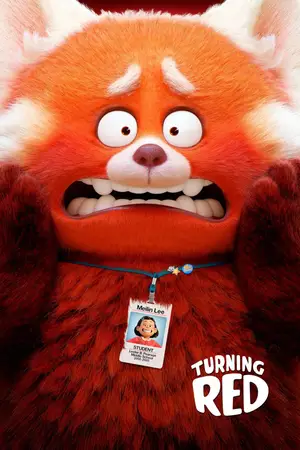
Is Disney “worse” now? Not entirely. Films like Turning Red (2022) and Luca (2021) prove the studio can still surprise. But the 21st century has given us something even better: choice. Non-Disney animation isn’t just about what Disney does poorly—it’s about what other studios do differently, better, and bolder.
The magic of animation was always its power to transcend language, culture, and age. Today, that magic is shared by a chorus of voices, not a single prince (or princess). So, while we may still cherish those Disney classics, we’re now free to explore a world where animation is less a fairy tale and more a mirror reflecting all our complexities, hopes, and fears. And that, dear reader, is a story worth watching.







Comments 3