Drive My Car Helped Me Process My Breakup Before it Even Happened
General Reviews
VIFF 2021. Saturday October 2nd, Vancity Theatre. 11:15 a.m.

It was the first year back in theatres after the festival went digital only in 2020, and I couldn’t have been more excited. It was also my first time attending the festival as a passholder — something I’ve done every year since.
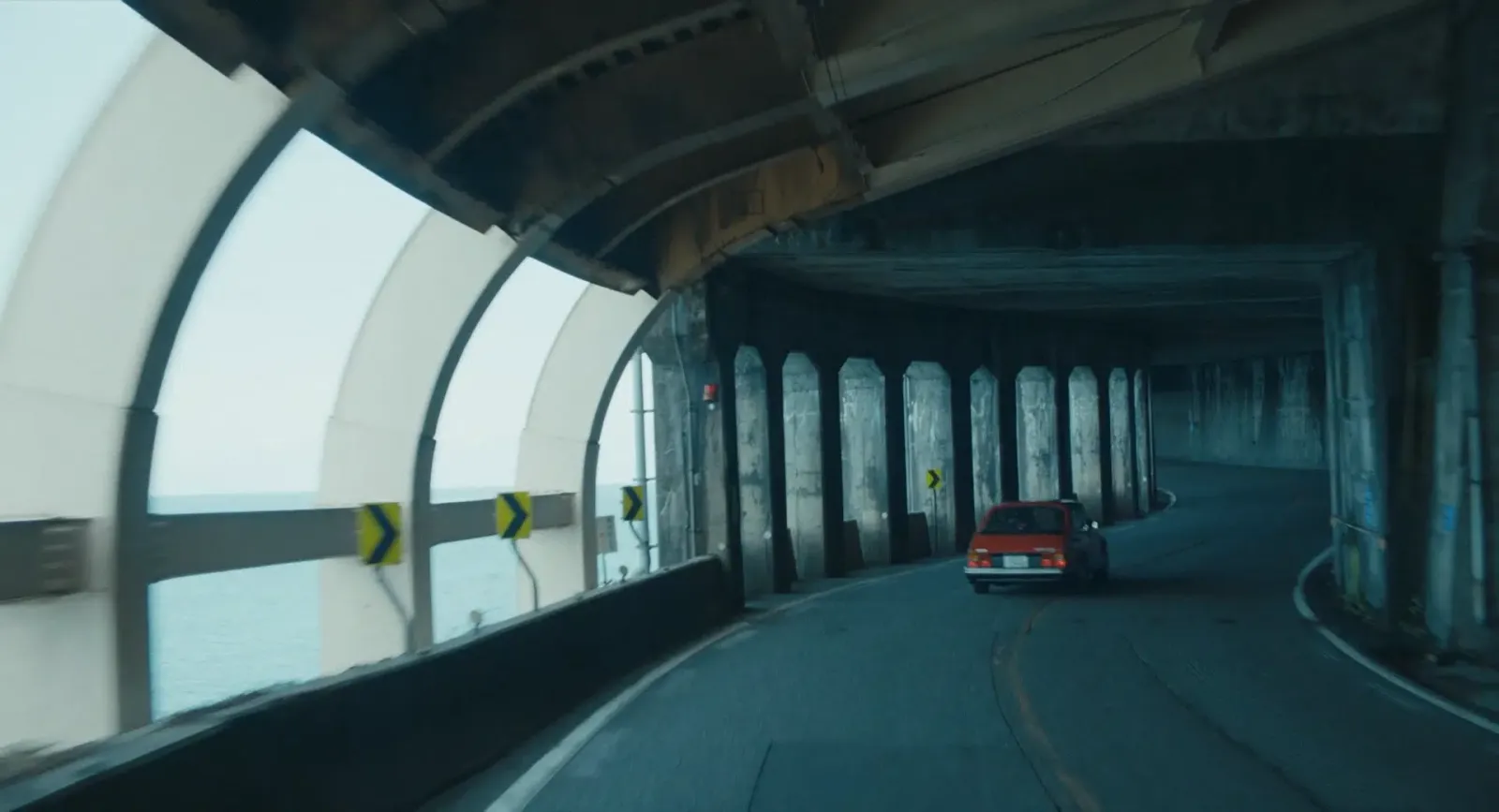
I had barely settled into festival mode when Drive My Car knocked me sideways. It was the second of twenty-one films I would see that week, and it never left the number one spot. It has since stayed in the number one spot of that entire year, and remains my favourite film of the decade. It was also one of the first times I felt a film planting seeds I would later return to in my own work.
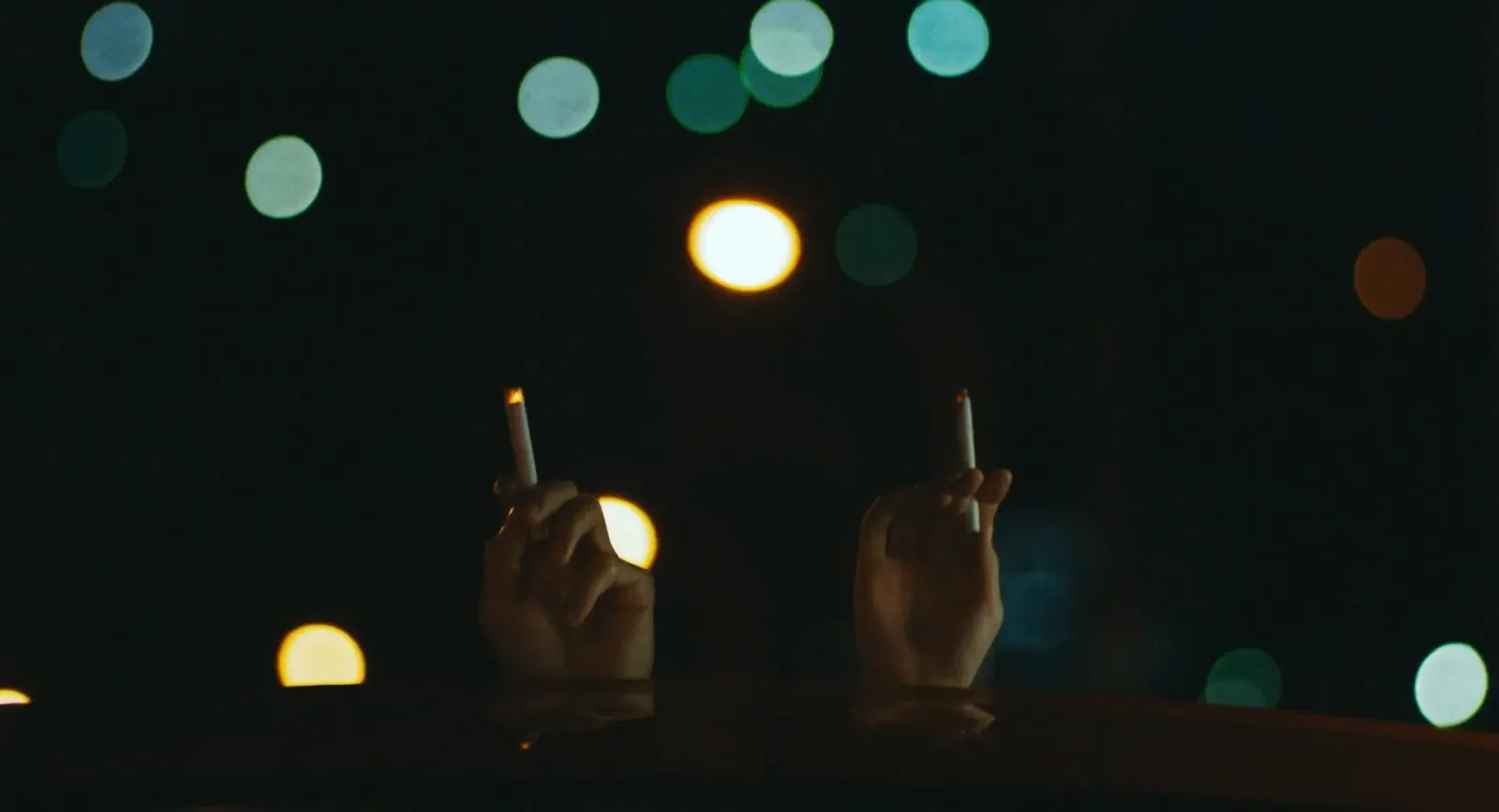
The film is incredibly profound and touching, and absolutely worth the runtime. The density of it is staggering — adapted from a mere forty pages of Murakami, but stretched into three hours without ever feeling padded. The screenplay is a weaving of brilliantly arranged parallel storylines all operating under a single narrative umbrella. Chekhov’s Uncle Vanya rehearsed and refracted. A splintered third arc, only told in fragments verbally. Dialogue broken apart, rebuilt, and performed again.

What I didn’t realize, sitting there damp with tears before the opening credits even rolled, was that the film was already mapping out my breakup, which would come shortly in the following months.
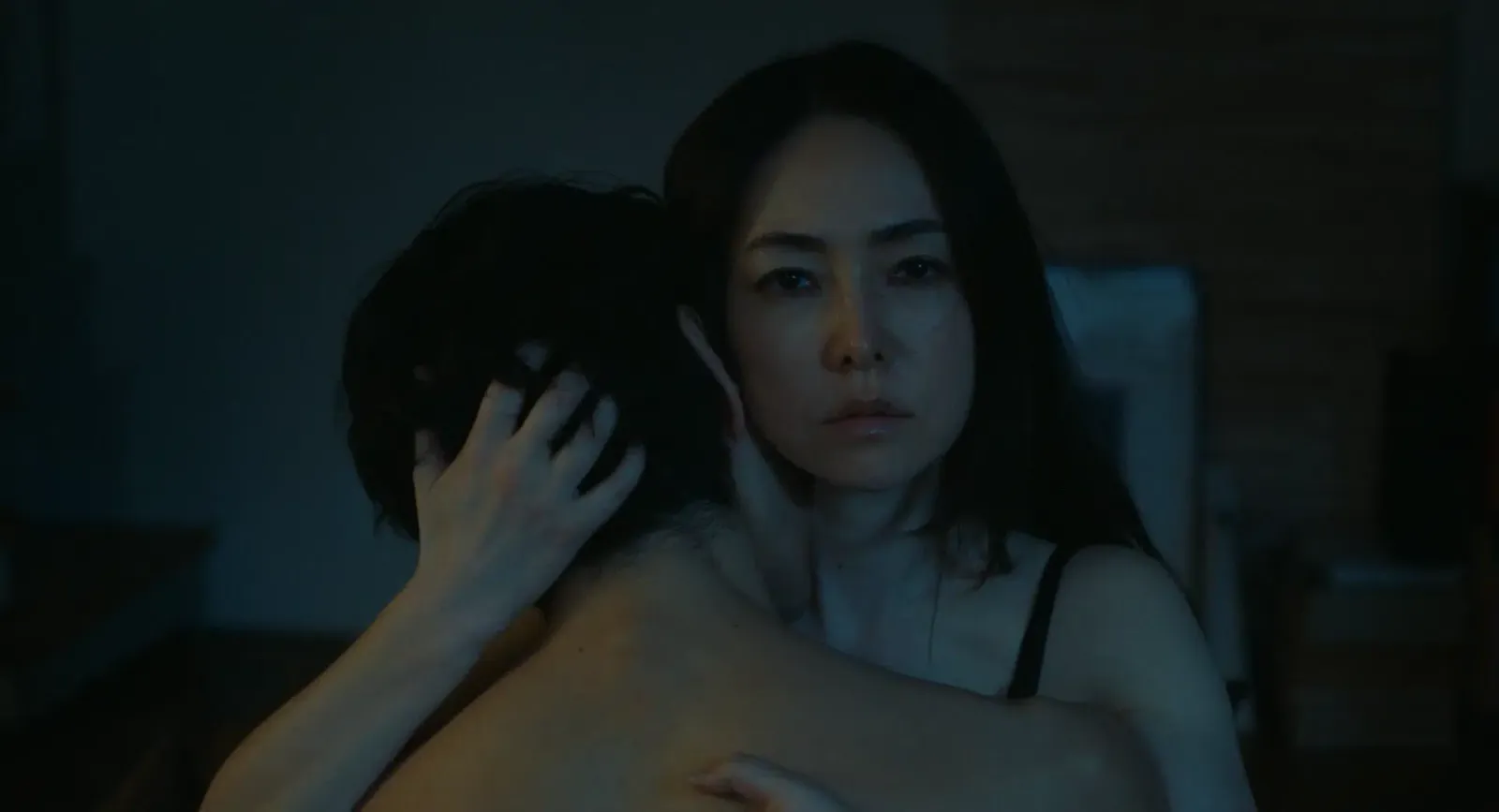
I was living with my girlfriend at the time — having moved in together during covid in an effort to keep the relationship alive. Things went quite well for a while. We were together for two years. But as covid panic came to an end, the world began to open back up, and the play button was able to be hit on life once more; it became increasingly clear that we were not growing in the same direction.

Watching Drive My Car at VIFF felt like being submerged in a grief I didn’t understand yet. The clarity only came later, when I watched it again a couple months later — this time with my ex, in that uncomfortable window where we had broken up but were still living together. Only then did it hit me: the film had given me a rehearsal for a loss that was still ahead of me.

Because the first time I watched Drive My Car, this breakup wasn’t really in the forefront of my mind. I knew I wasn’t happy and needed a change, but I couldn’t tell what it was. So much of life was unprecedented during those years. It was hard to tell what symptoms of my mental health correlated to covid protocols, mandates, general topsy-turvy societal woes — things beyond my control — and what was tangible.

What I could tell — from the opening minutes of the film — was that Drive My Car was speaking to me on a very deep personal level. Everything clicked. Every scene solidified this feeling more decisively than the one before it. I laughed. I clapped. I cried. I was moved. It’s one of those rare films that feels like it was tailor made for me.

The Architecture of Silence
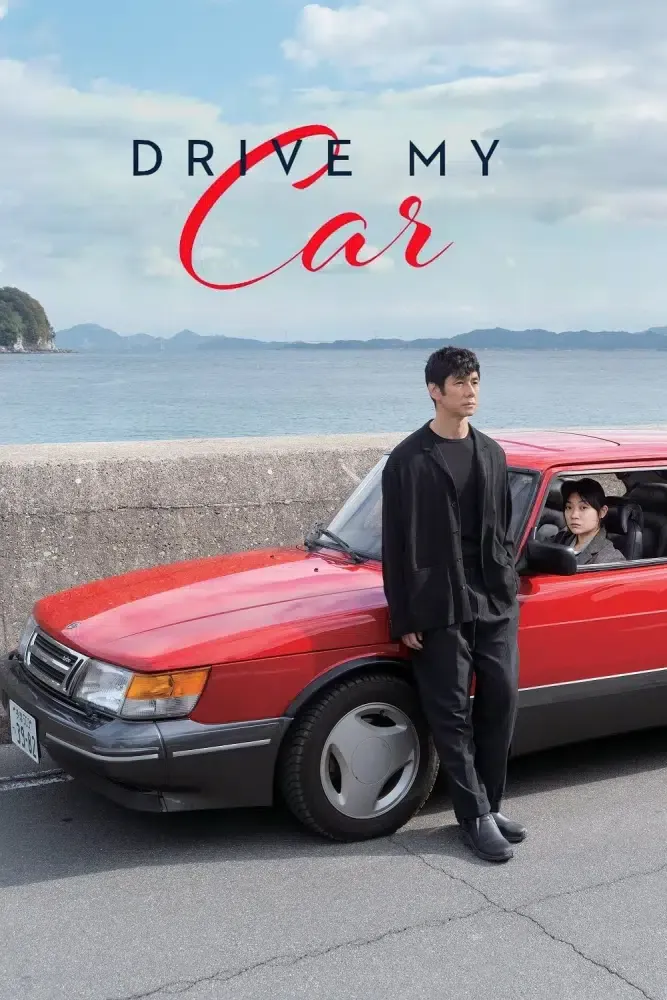
Drive My Car is built on repetition. The first forty minutes feel like a prologue, a life lived and lost before the credits even roll. Oto’s voice lingers on cassette, rehearsed over and over as Yūsuke practices his lines like clockwork. The car becomes a space where silence takes precedence, where listening becomes the act.
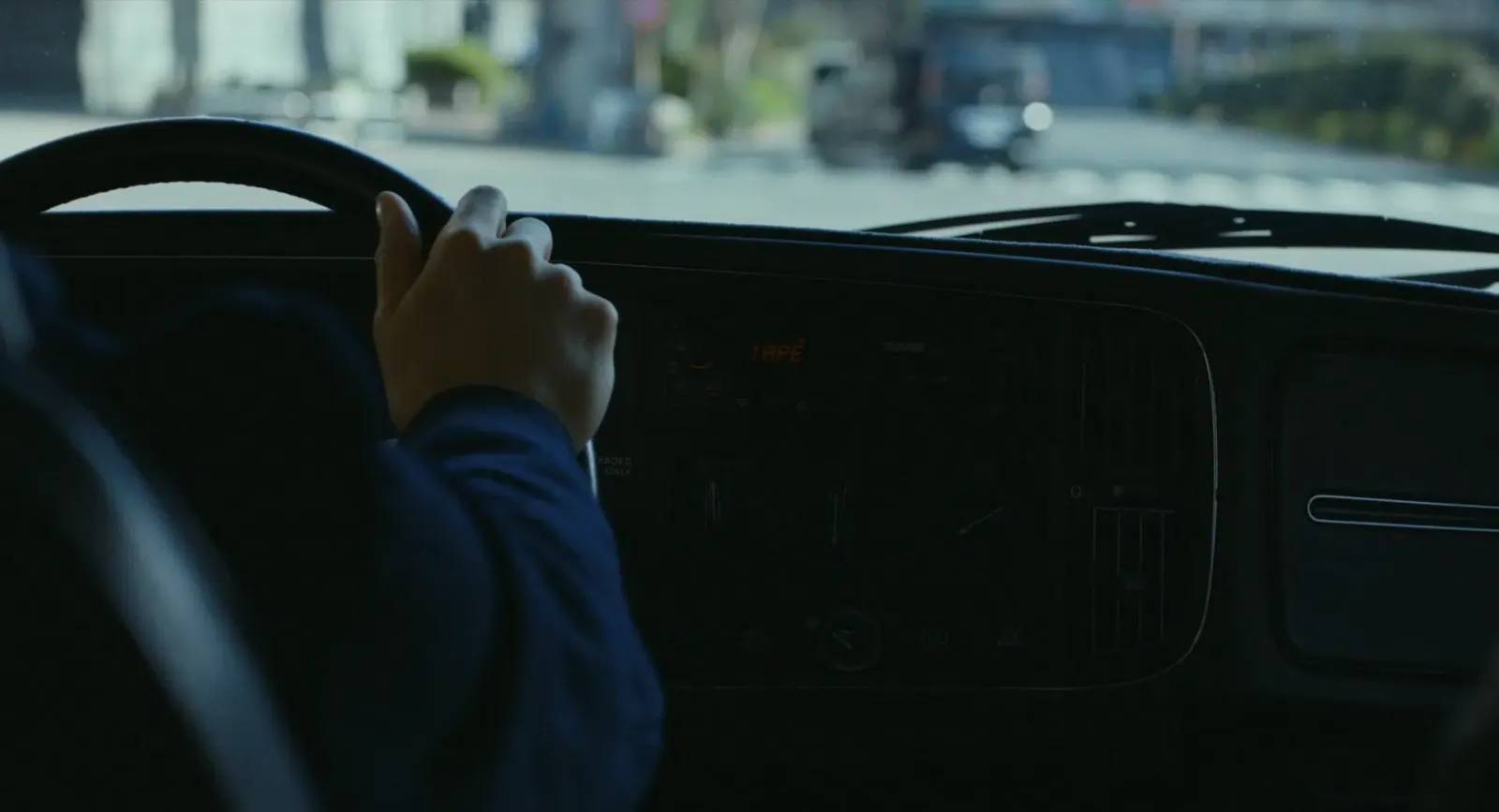
I love the sign language sequences. Communicating without words creates a heightened perception to things others miss. In the final stage sequence, the lengthy sign-monologue plays atop an almost silent soundscape, drawing the eye toward every microscopic gesture and reaction. The silence is deafening, and speaks louder than any voice could ever scream.

On that first screening, I was moved but couldn’t fully articulate why — a common symptom of festival-brain when watching three films a day for a week straight. It was only on later viewings that I understood what those silences had meant to me: they mirrored the unspoken tensions that had already settled into my relationship.

Ghosts and Confessions Deferred
The film’s emotional engine is absence. Yūsuke’s wife Oto cheats on him, then dies suddenly, leaving only her voice on tape and unfinished stories she’ll never explain. He knows betrayal but not motive. He knows her body but not her heart.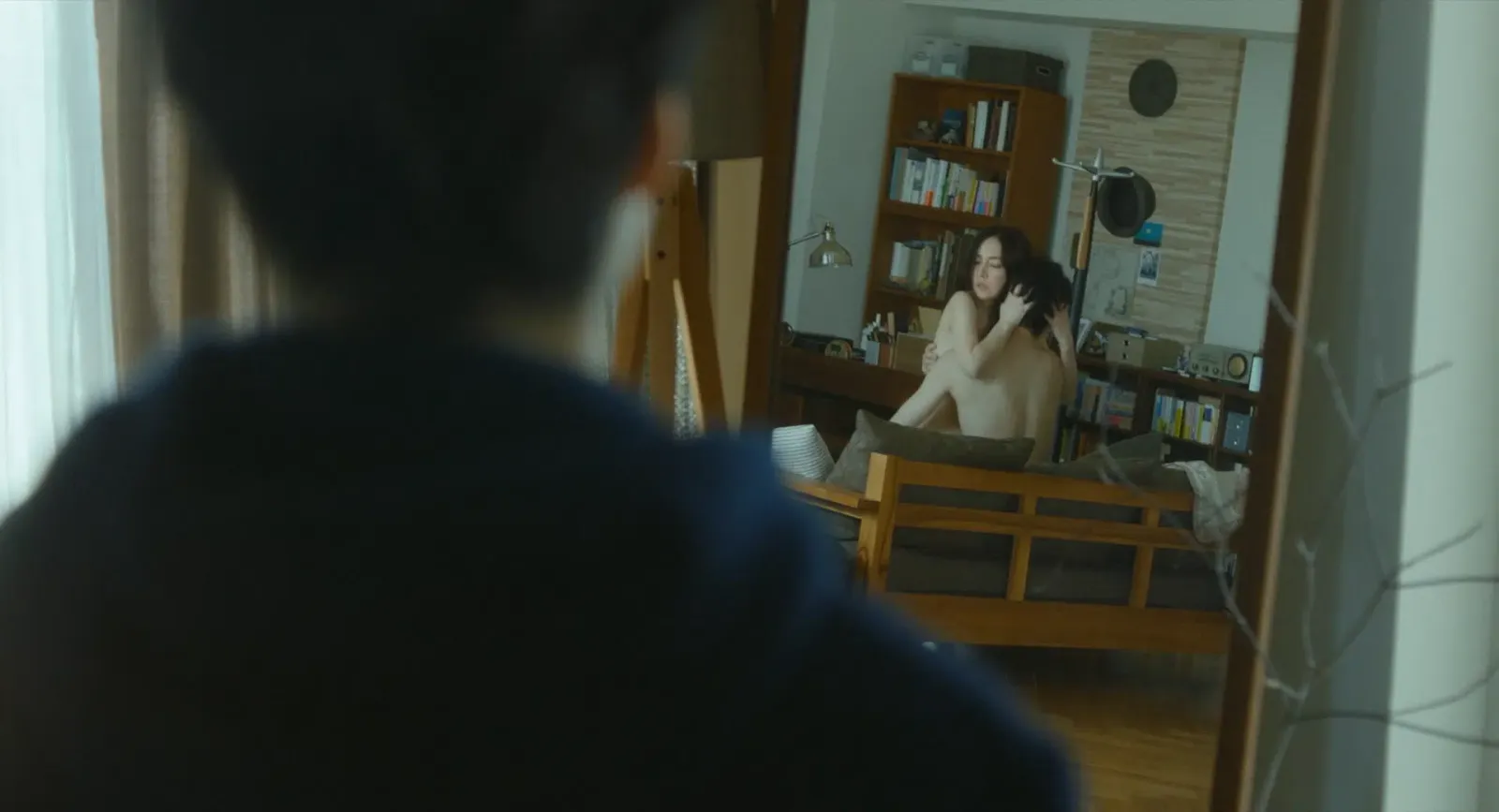
Drive My Car tackles heavy themes of grief and loss, identity, sorrow, purpose, sincerity, mental illness, and many more. It features intense highs and crushing lows. Finding connection and love in the absence of it. Reliving trauma as a means to heal.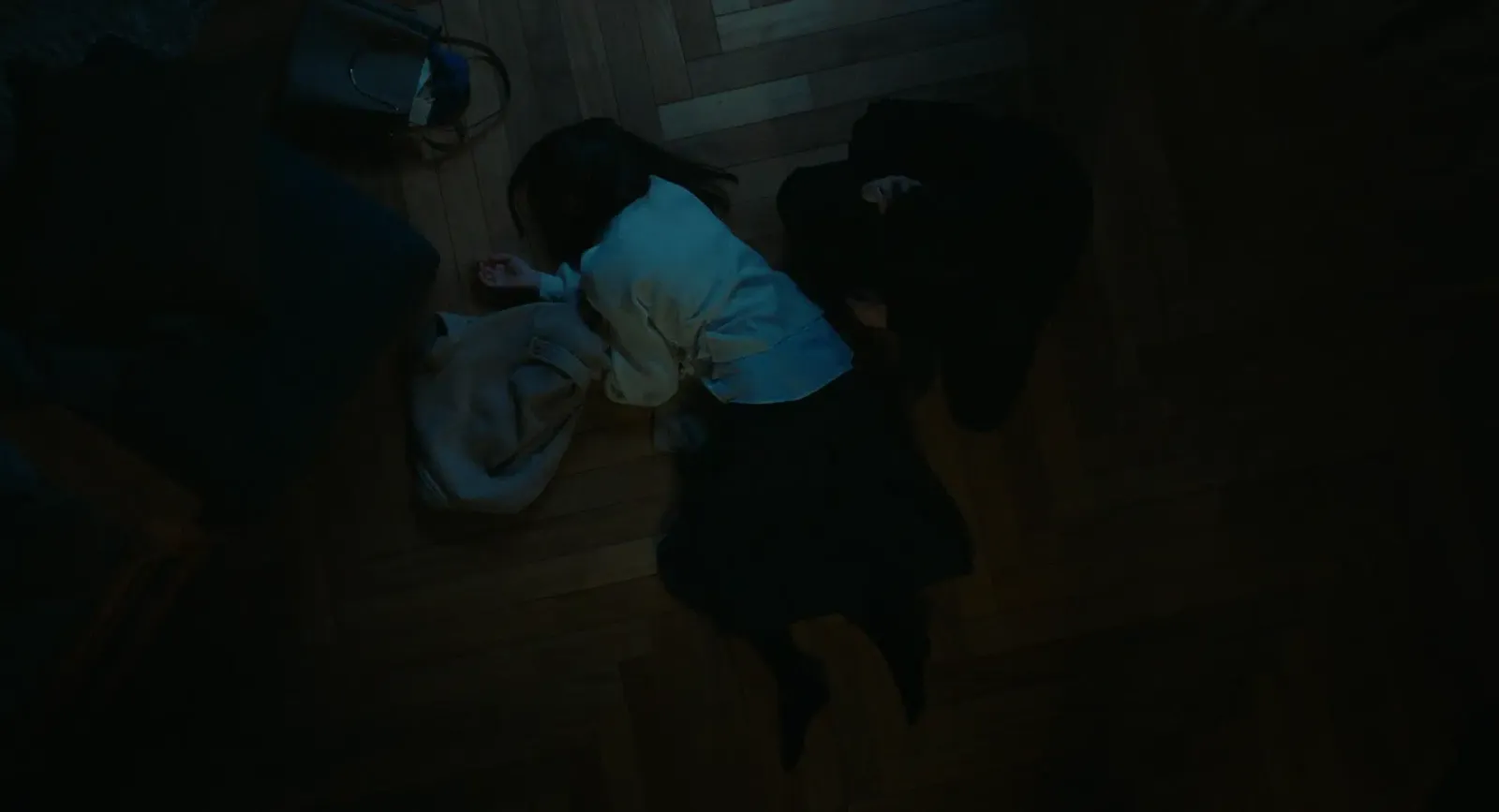
When I saw it the first time, I felt the ache of Oto’s absence without grasping how much it paralleled my own fears. Only later, in retrospect, did I realize what I’d been afraid of: not betrayal, but silence. That I might be left with ghosts of conversations never had, questions never asked. The film insists that you can never look into another person’s heart with perfect clarity. Painful, but clarifying.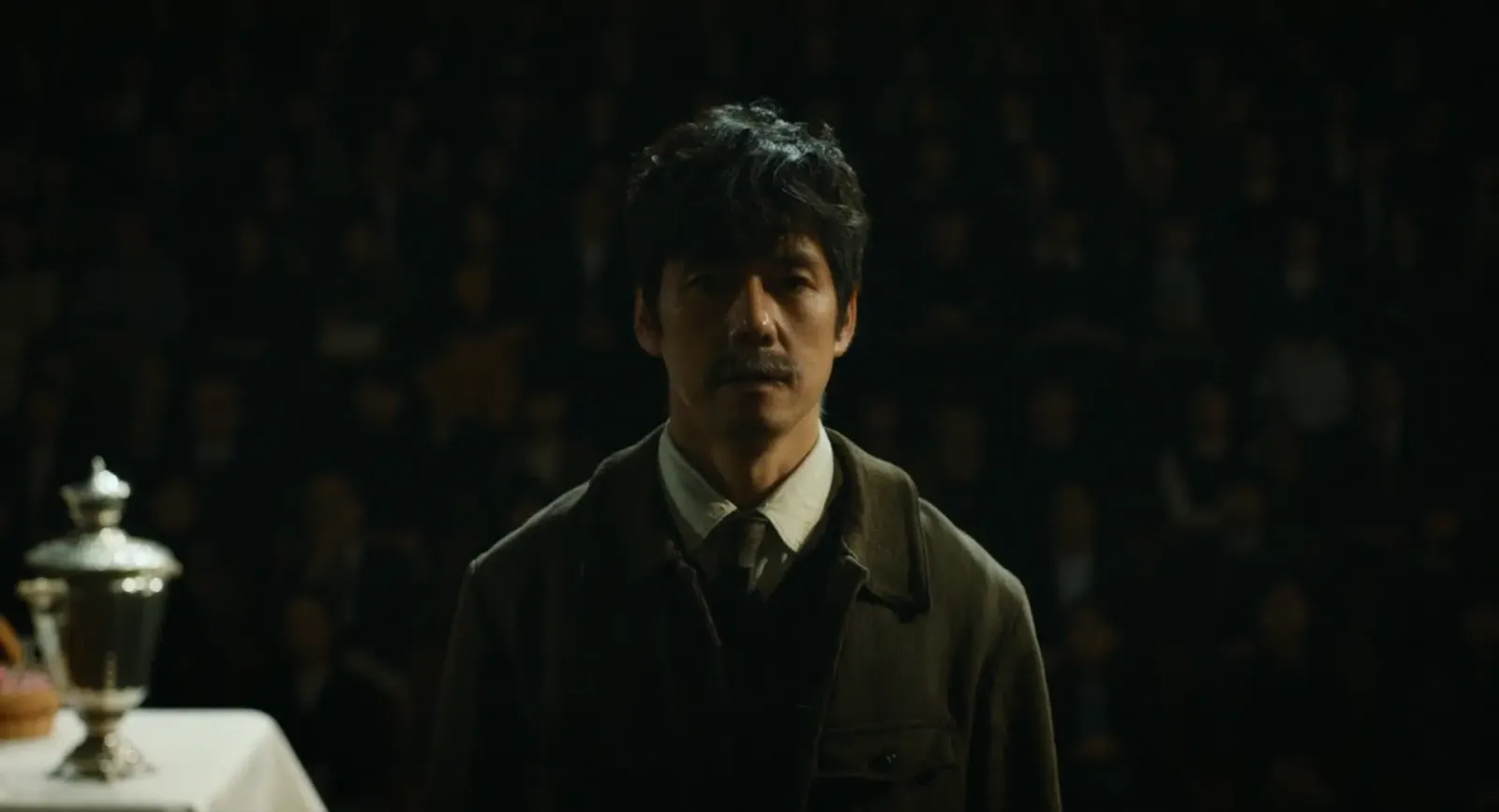
VIFF as Crucible
Festivals are overwhelming at the best of times. You’re exhausted, stretched thin, fed on caffeine and bad food, and then a movie like this lands in your lap. I remember the way it demanded patience, demanded stillness. A three-hour dramatic epic with an hour-long prologue and opening credits 45-minutes into the film. I need more films like this in my life. We all could.

It didn’t just feel long — it felt necessary. The sheer scope of it is incredible. The layers of storytelling are matched only by Y Tu Mamá También. The parallel storylines, with metatextual connections between Chekhov and Murakami, are astounding from a writing standpoint. It won the Screenplay award at Cannes for a reason, and it really should have won Best Adapted Screenplay at the Oscars.

And yet, inside all this density, I was crying in public. Snotty, chin-quivering, damp with tears — along with a hundred-fifty other festival-goers. Festival screenings have a way of turning strangers into witnesses of your private unravelling. At the time, I thought I was just overwhelmed by the craft. Only later did I realize it had tapped into something I hadn’t yet admitted to myself. That unravelling would follow me home, linger in the months after the breakup, and eventually resurface as the framework for my own short film.

Misaki’s Scar
With each subsequent viewing since that fateful day of October 2nd, 2021, I’ve only become more convinced that this is one of the most impressive exercises in adaptive screenwriting ever. Talk about a realized vision.
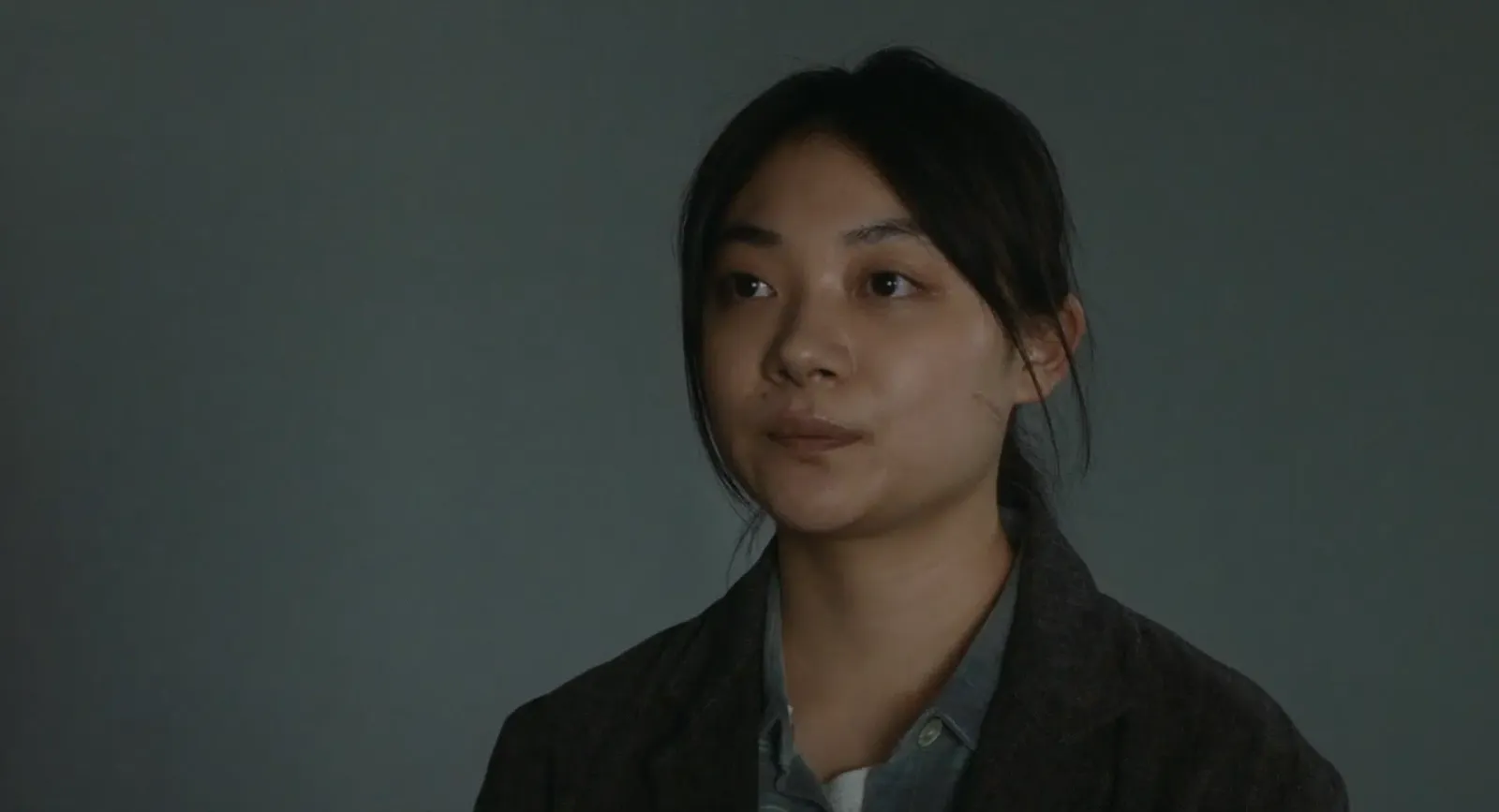
But the part that clings to me most is Misaki’s scar. She confesses that she didn’t save her abusive mother during a landslide. The scar on her face is what remains — both wound and survival, an emblem she refuses to erase.
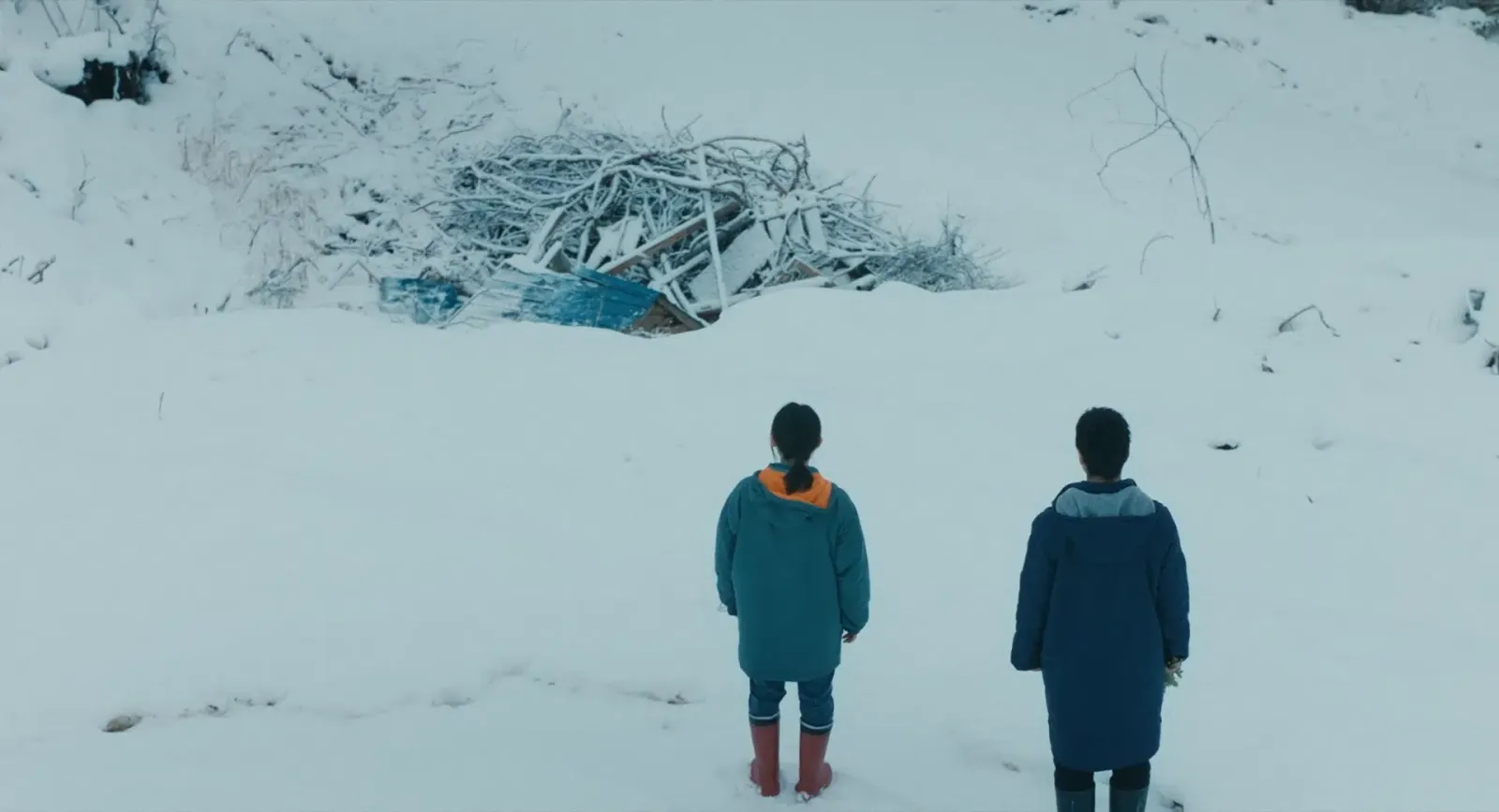
The first time I watched, I understood it as her truth. On later viewings, especially watching with my ex, I recognized myself in it. Not because my circumstances were the same, but because I was already carrying scars from a relationship that had ended. They weren’t scars of betrayal, but of change — of growing apart, of moving on.
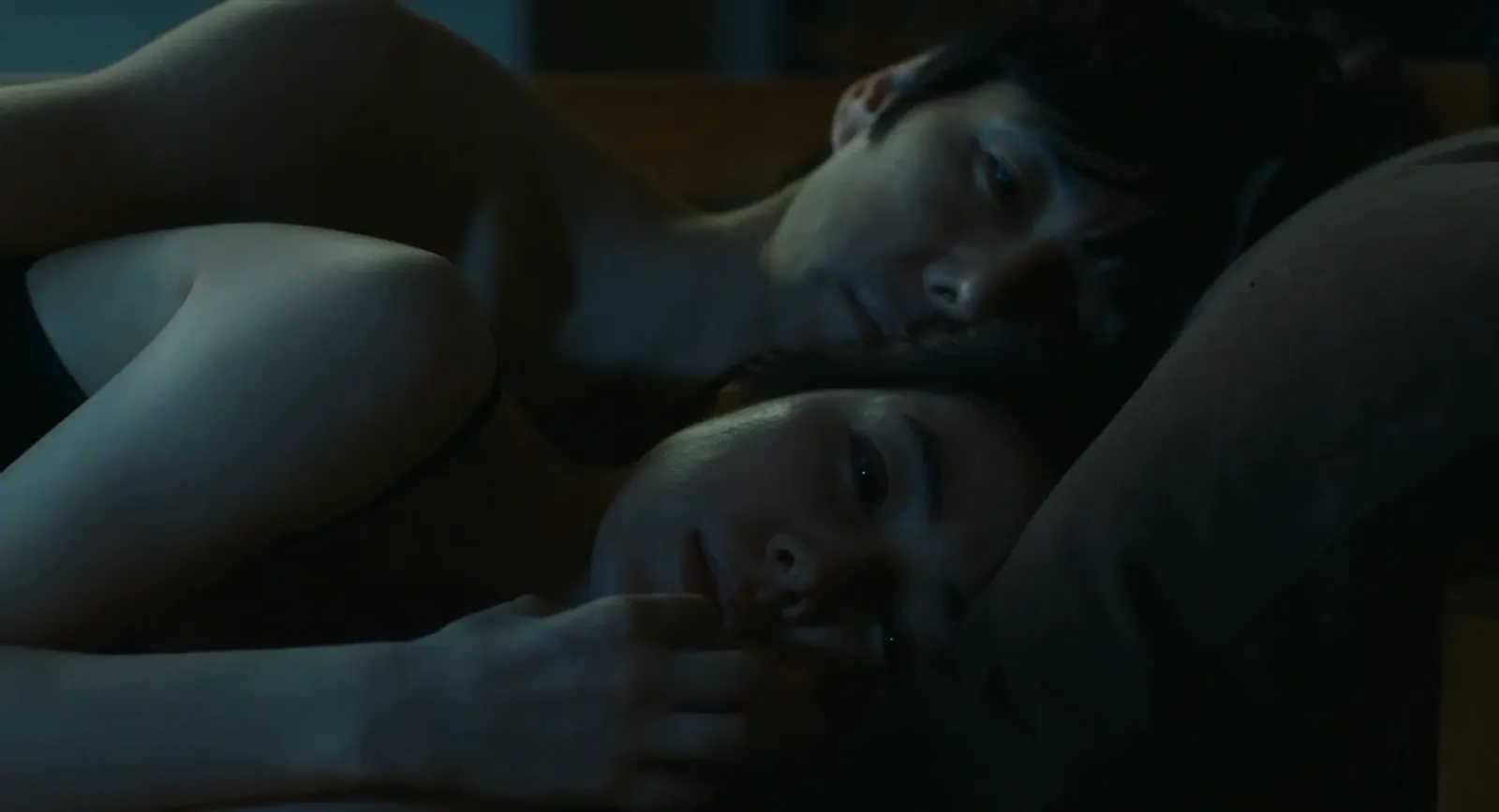
The film showed me that scars aren’t open wounds forever. They live on you. They can be carried without shame. It was that realization — that absence can leave visible traces in both people and spaces — that I would eventually return to in my own work.

On Stage, the Exorcism
The climax doesn’t explode; it unfolds tenderly in the theater. Yūsuke finally — reluctantly — steps into the role of Vanya, pouring out grief through Chekhov’s words. His Sonya responds in Korean Sign Language, assuring him that they will rest.

Probably the single greatest sign-language monologue in all of cinema. I honestly can’t even think of a worthy runner-up by comparison.

The length, the stillness, the way silence swells louder than music — it devastated me. Theater becomes therapy. Art becomes exorcism. Someone else holds your grief long enough for you to survive it.

At VIFF, I didn’t fully understand why this climax struck me so hard. Watching it again, post-breakup, the pieces clicked. I had already lived through the catharsis before I knew what it meant. The film staged my grief in advance, and later, when life caught up, I recognized the rehearsal for what it was. That recognition — of cinema as rehearsal space, as emotional scaffolding — is something I carried forward into my own creative work.
Aftermath
I’ve now seen this film three times in cinemas, and twice at home on my Criterion Blu-Ray. Since that first screening, I’ve gone deeper into Murakami — Norwegian Wood, Men Without Women, After Dark. If this increased familiarity has affirmed anything, it’s that this is one of the greatest screenplays ever written. Period. God, I wish there was an English translation out there to read somewhere.
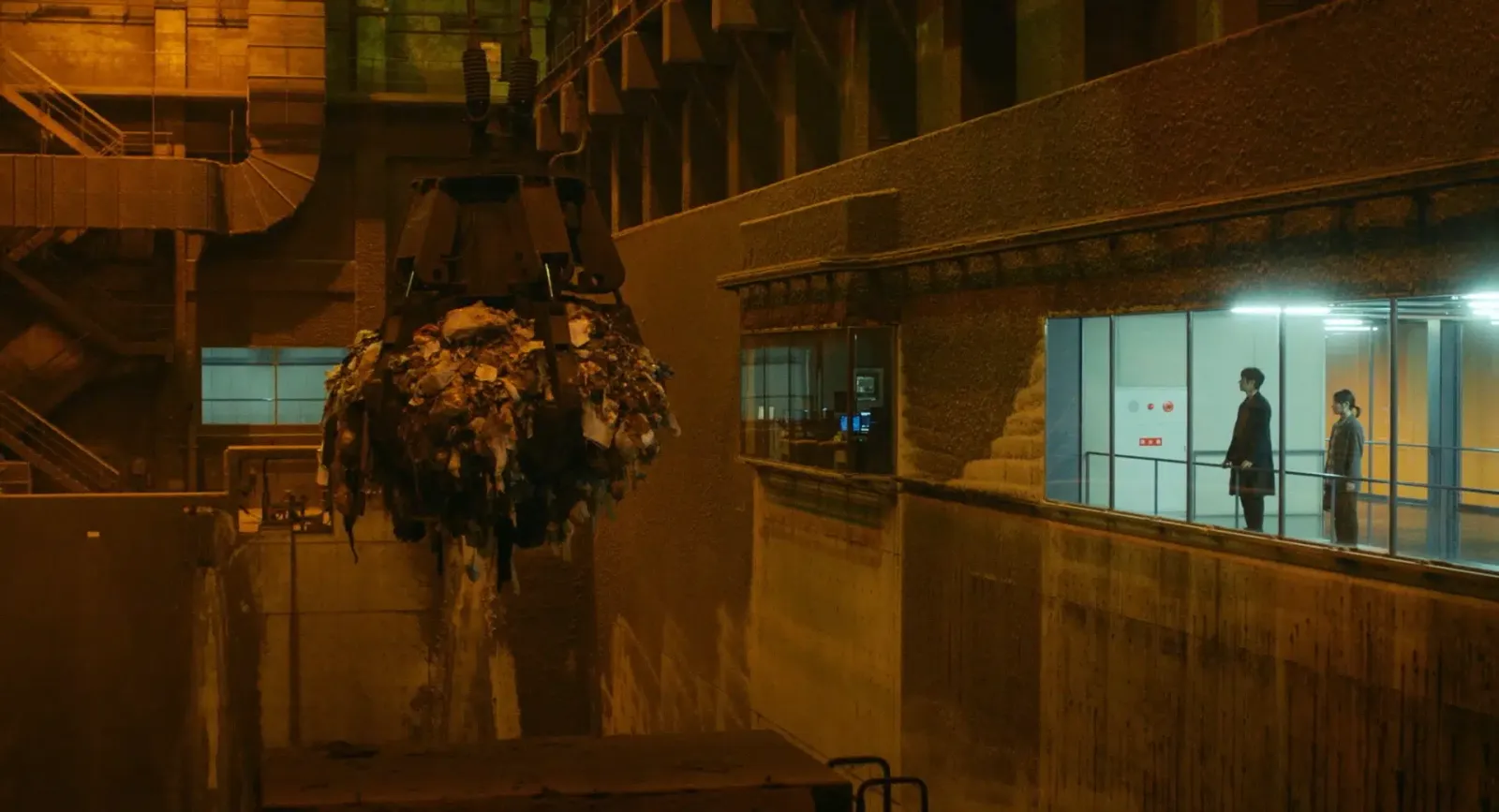
Drive My Car will be remembered as one of the greatest films of its time. Not only is it the Murakami adaptation to beat, it is the adaptation to beat. There is something truly special here that I’m sure people can sense, but will not fully understand until years from now when each massively dense artistic choice has been mulled over and dissected. I still don’t fully comprehend it, but I learn more about the film and about myself with each viewing, and it only deepens my appreciation. This is the kind of film that can change lives.
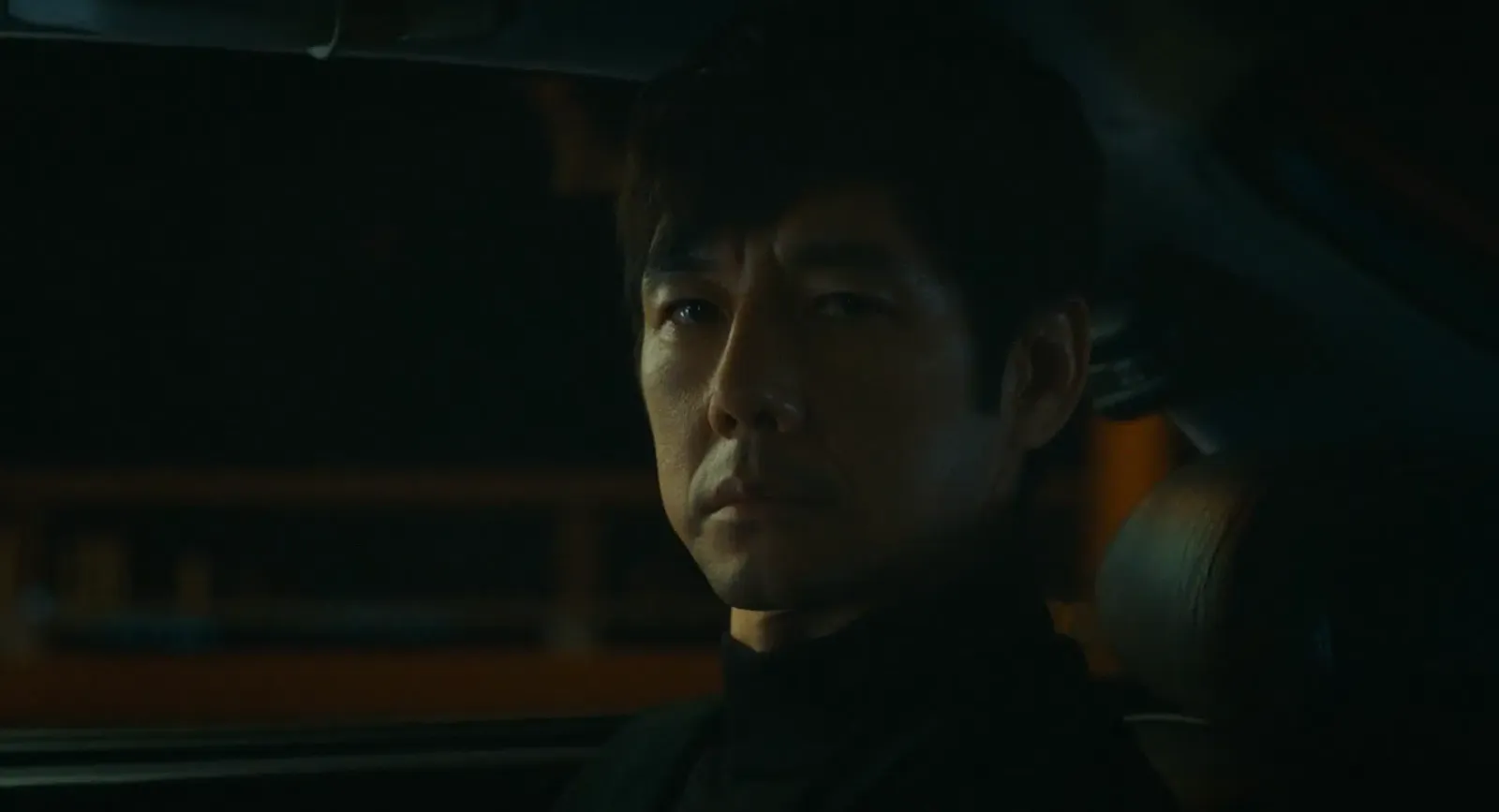
When my breakup eventually came, I didn’t recognize right away that the film had prepared me, but it had. The wound had been rehearsed. The scar had already been named. The catharsis had already been staged. It allowed me to feel what I needed to feel in order to make sense of what I couldn’t put into words at the time. I started to feel bad during that second screening, because I knew my girlfriend was seeing those parallels too.

After the screening she asked me, with tears in her eyes: “Why did you take me to see this? It was so sad.” It wasn’t like I took her with the intention of saying, “look, that’s us.” I just wanted to share a film that I had been profoundly affected by. Drive My Car did just that. I felt love, sadness, grief, loss, forgiveness, anger, bliss, and catharsis all in one. It was a transformative, transcendental experience to me. To her, it was just a bummer afternoon.

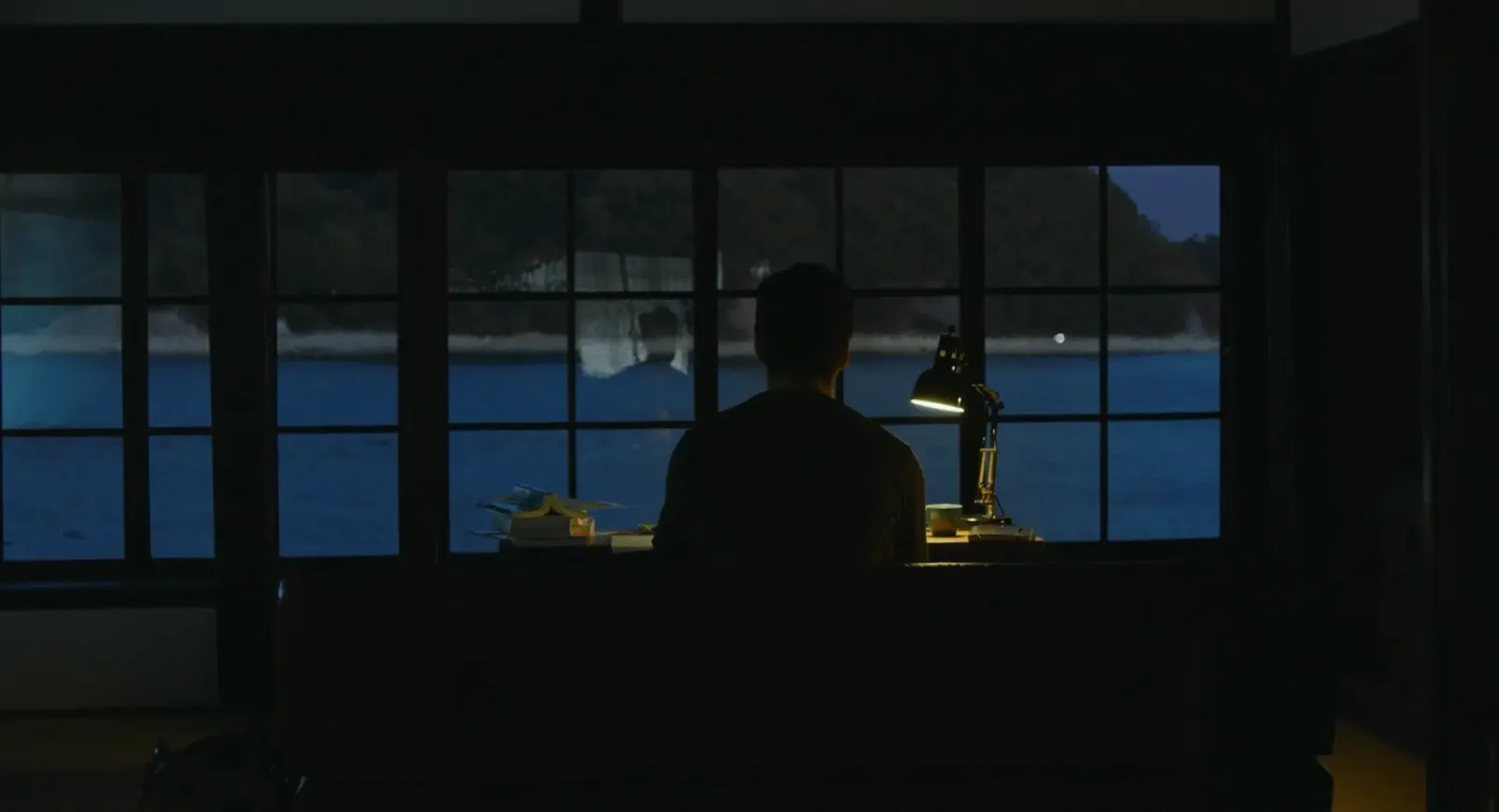
The aftermath of that breakup — specifically the surreal months of still living in the same basement suite after she moved out — became the catalyst behind my own short film, The Space Left Behind. The themes carried over almost directly: grief, absence, silence, slowness. Where Ryûsuke Hamaguchi gave me three hours of rehearsal, I tried to distill that feeling into eleven minutes.
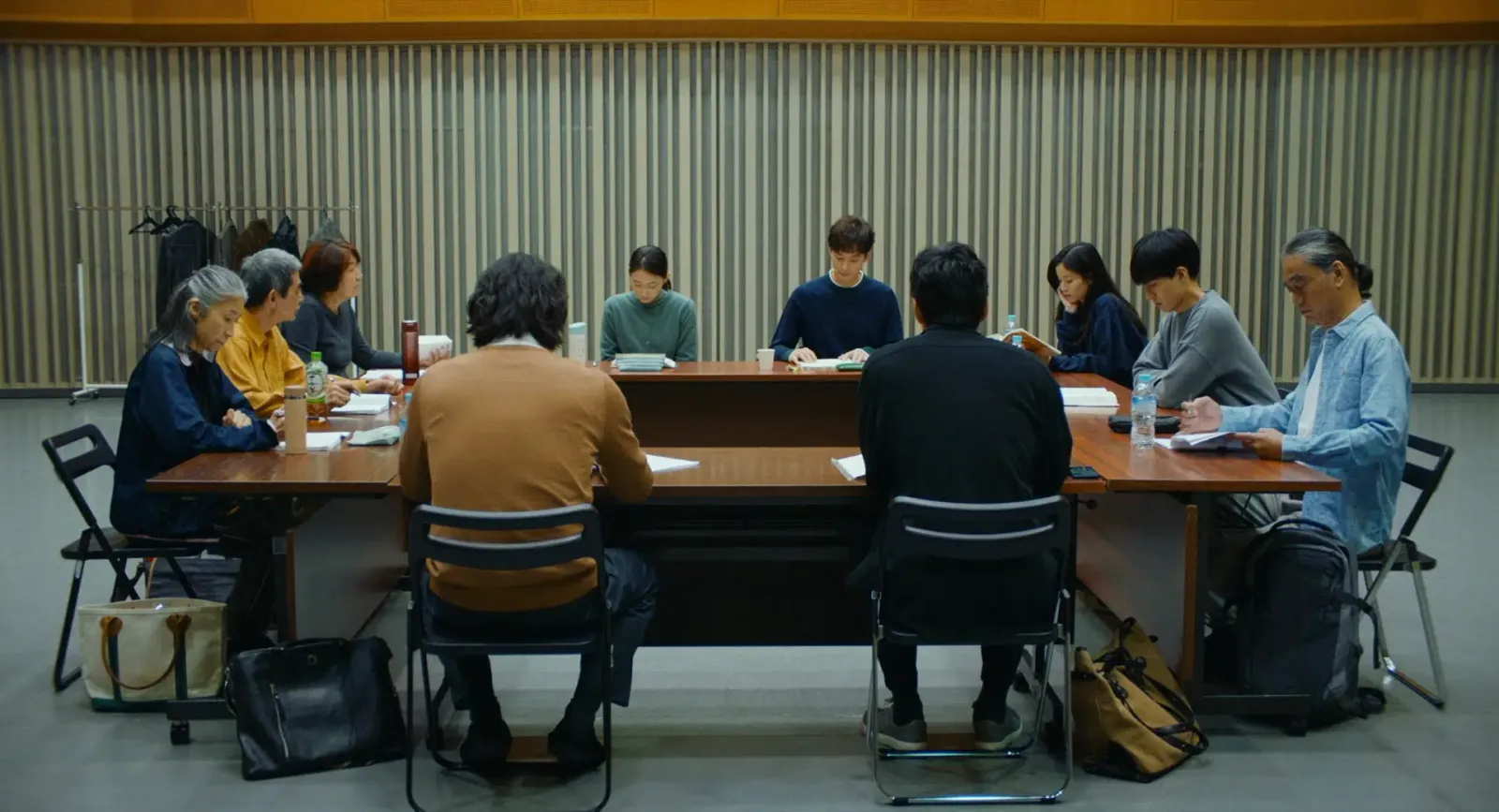
Making it was my way of metabolizing what Drive My Car first unearthed in me. If Hamaguchi showed me that silence could be shared, I wanted to show how silence lingers when the other person is gone. Earlier this month, my film premiered at the Abbotsford Film Festival, where we won the Audience Choice Award. It was moving to realize that others could feel in my work the same ache I once felt watching his.

Now, years later, the memory doesn’t sting — at least for me. It feels like history. Part of me. The film no longer plays like prophecy; it plays like reflection. I can return to it without fear.

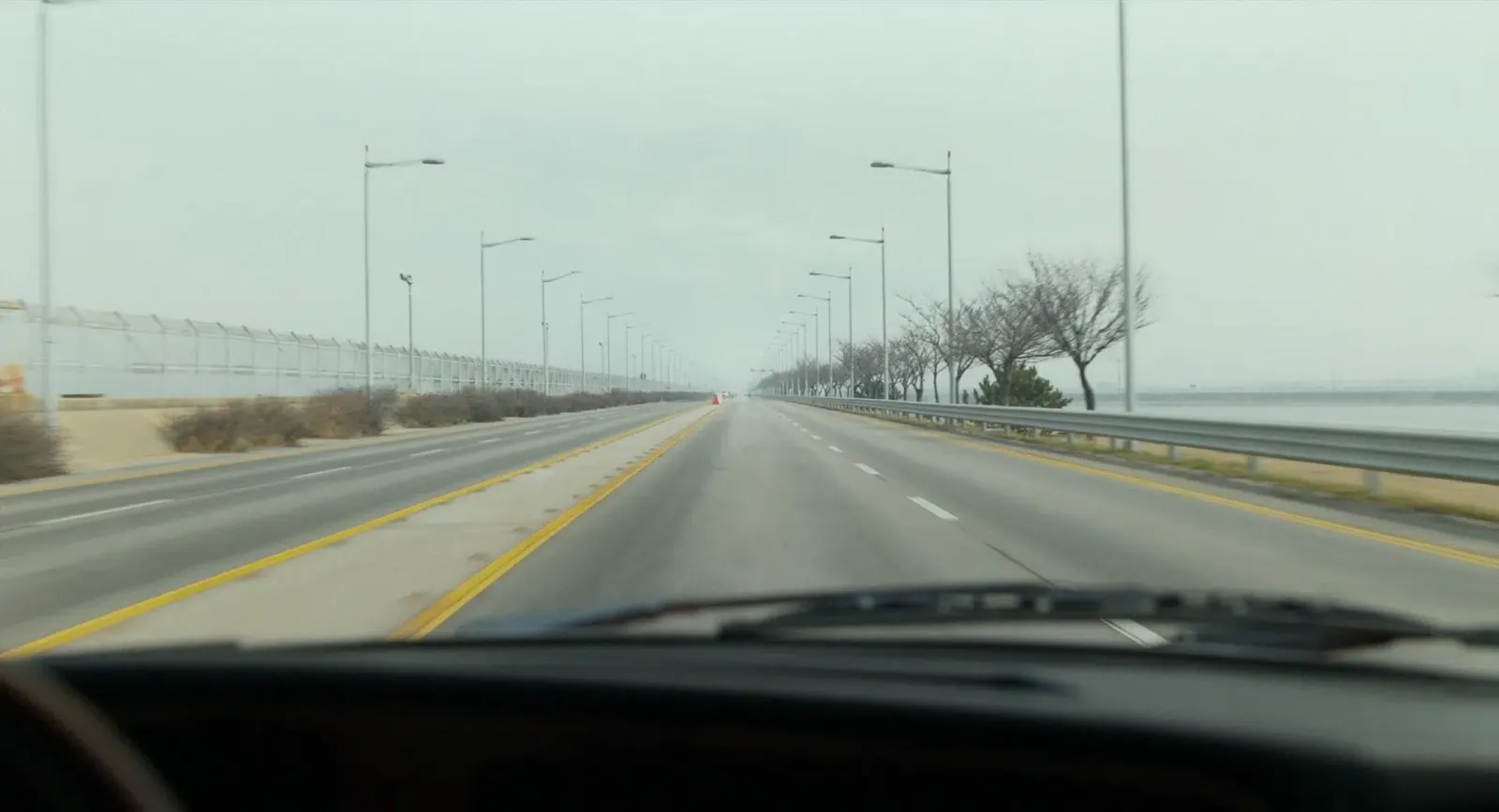
The final image belongs to Misaki: scar healed, carrying on, driving forward. Not triumphant, not tragic — just continuing. That’s how I carry my own scar now. The breakup didn’t define me. But the way I lived through it — with this film as rehearsal, and with my own film as response — did.
Mentioned in this piece
 Drive My Car2021
 Norwegian Wood2010
 Evil Does Not Exist2023
 Wheel of Fortune and Fantasy2021
 Asako I & II2018
 Happy Hour2015
 Passion2008
 Intimacies2012
 Wife of a Spy2020
 Touching the Skin of Eeriness2013
 Shoplifters2018
 Monster2023
 Like Father Like Son1987
 Broker2022
 Our Little Sister2015
 Ryûsuke Hamaguchi
 Haruki Murakami
 Hidetoshi Nishijima
 Tôko Miura
 Reika Kirishima
 Masaki Okada
 Park Yu-rim
 Jin Dae-yeon
 Sonia Yuan
 Ahn Hwitae
 Perry Dizon
 Satoko Abe
 Takamasa Ôe
 Takashi Miike
 Hirokazu Koreeda
Comments 12