"The Room Next Door", or the couple which crime is to each other
General Reviews
I was not expecting Pedro Almodóvar to do this sort of crime movie, where characters commit something illegal and have to face the consequences. And it is not.

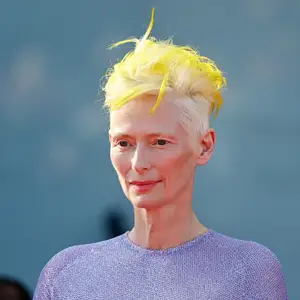
Ingrid (Julianne Moore) is a writer who, in the least organic conversation during her book signature, is told that her young work colaborator Martha (Tilda Swinton), to whom she had not seen in years, now is dying of cancer. Ingrid try to reconnect with Martha, but she is prepared to log out of this game call life. they have this plan of going on vacations to a gorgeous house in the forrest when, one night and without Ingrid's knowledge, Martha is going to do a Winehouse.
This premise has such potential. The threat, anxiety and drama that can come out of this dynamic where one side is completely terrified of what the other might do at any given time, while the other one is just being so chill about it all is full of conflict. There are a couple of scenes that develops this relationship, but are scarce and do not built on top of each other. And, with this two inconcievably capable actresses, who can act in their sleep, a very sensible Moore and a Swinton that really looks like its on the edge to the great beyond, this scenes are amazing.
Sadly, I cannot say the same thing of the other characters. Like John Turturro (whom I hope does not not appeared in The Penguin for this part), who has like three scenes, which not do much for characters nor plot, and are pretty much an insult for his histrionic capabilities. More or less this happens to Alessandro Nivola, who has just one scene were he is presented as this very particular police officer who could work as the perfect antithesis of the theme, but is forgotten and his intersting character personification is thrown away. Also, there appears Esther-Rose McGregor (the daughter of Mr. Hello-there), but there is a voice in off all over her scens, not letting her act by herself.

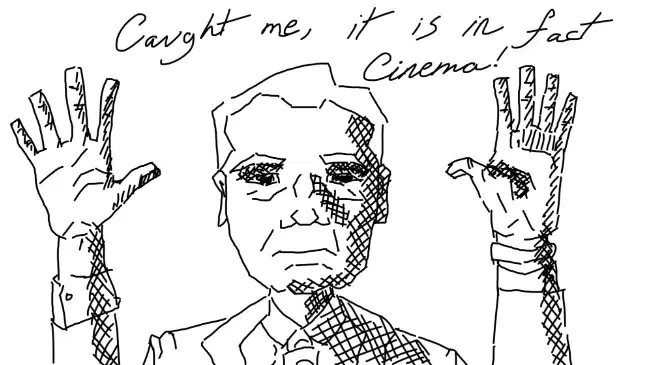
And this could be said is the main issue, the movie is absolutely anti-cinematographic. The movie is so focused on the past that it takes it a long time to get to what is important in the present, and this scenes are mostly the two characters talking, which is very monotonous to watch. There are a couple flashbacks, but they are not very logical, work best to develope other characters that does not exist anymore in the present, and some of them are just meant to recreate certain paintings or iconography the director likes. There is no propper reason to have most of this scenes, but that would meant caring for your audience.
In addition, most of the time the caracters just talk or look at each other, when you are lucky, you get a glimpse of them sleeping for a bit. It is not bad on itself, but does not creates the looming and tense atmosphere the movie shoud have. This while most of the characters just said to each other what they are thinking in monologues as if this movie was a lecture on the director's points of view on many themes, sounding very fake, inorganic and without any subtext. It is just so much in your face that it does not require you thinking or reflecting in what its happenning, Moore is there to explain everything to you.

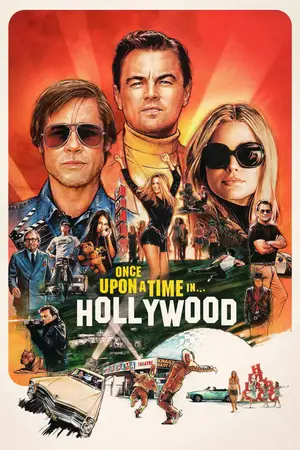
Regarding this, and to make it easier and a no-think-movie (self crafted term), even when it wants or pretends to be deep,actually is just a colection of cliches and common places just to make it worse. Every twist, surprise, "conflict", theme and exploration you have already seen them before in much more emotional films. The relationship between characters is not as personal, caring as it could be (The Bucket List, for example) and the lack of conflict between them, push and pull between the sides, makes it more like a nurse with a patient she has to serve more than two friends with equal power in the relationship. It is curious this situation were multiple writer-directors that actually represents (believe) that friendship are like this were one is in the service of other, just look at pictures like Once Upon a Time… in Hollywood or Megalopolis.


Maybe the most unique, deep and morally complex idea is the one of deciding to go with dignity, and asking someone for help, who do wants to help you, but she enters in this criminal issue at doing so, in which she ends up alone. It is the battle between inner ethics and social morality, between helping someone and keeping yourself out of problems she will not even face. It is like becoming a criminal to help your friend, or leaving her alone. Yet, this discussion is, as everything else, not very cinematic, and it only last one scene in a very superficial manner. The repercussions of the decision taken by the character just last one moment, with no backlash or real consecuences than to be judged by some character with no participation in any other scene. It could had become some Gone Girl-ish dynamic, but with the character knowing what happen and needing to create a whole new story, but that would be engaging, dramatic and not very "artsy" as characters just talking about climate change.
Yes, there are some good ideas and themes there. Some ideas are aesthetically pleasing (like two of them), but mostly in is an un-cinematic infantiloid discussion about life, death and the choice of when to unalive yourself.
Read my reviews on Mufasa: The Lion King and Here in my personal blog, Once Upon a Time in the Movies: https://onceuponatimethemovies.blogspot.com/









Comments 0
No comments yet.