From "Trainspotting" to "Euphoria": What's So Different about the Pain of "Generation Z"?
Sociocultural

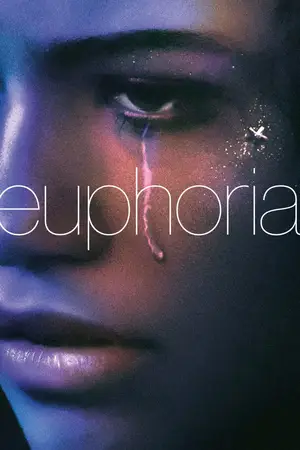
"Euphoria" is probably the most talked-about American TV show about youth in recent years. The main characters are a group of teenagers who are trapped in their own problems, with a lot of scenes involving sex, parties, drug abuse, etc. exposing the adolescence of Generation Z in a completely exposed way.
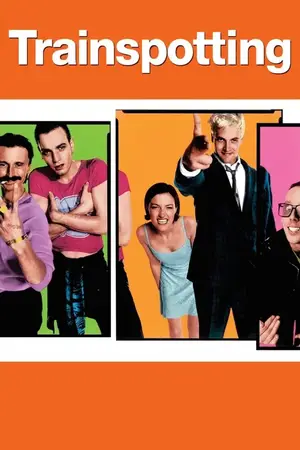
Some critics have pointed out that one of the ambitions of "Euphoria" is to become "Generation Z's 'Trainspotting." This ambition may be too grand, but "Euphoria" does easily remind people of "Trainspotting." That classic work of subculture youth decadence was born in 1996. Will "Euphoria", 26 years later, become the collective youth memory of this generation of young people in Europe and America?
The "Gen Z" generation, born between 1995 and 2009, is heavily influenced by digital information technology and smartphones. They often grapple with labels related to gender, class, ethnicity, family background, and consumerism, only to later reject them. However, as these discourses are accepted as reality, new dilemmas emerge.

HBO's Ambition Beyond Explicit Content
Whether it's the reminiscence of "Trainspotting" from "Euphoria", or the numerous youth issues presented in the show, it's easy to draw parallels with the "Beat Generation", which was coined by Jack Kerouac 74 years ago. If the "Beat Generation" emerged due to the trauma and exhaustion after World War II, how did "Gen Z" become the new world's "beat youth”?

Youth films have always been an evergreen hot topic. In 2017, BBC released "The End of the F***ing World," in 2019, Netflix launched "Sex Education," and in the same year, HBO also aired the first season of "Euphoria," all three works achieved quite good results.
In comparison, the emergence of "Euphoria" is more like a small nuclear bomb. Because compared to the discussion scope of other youth films, "Euphoria" has reached the most extreme level so far. The most prominent and addictive aspect of "Euphoria" is its strong "emotional narrative" style, which is so exquisite that it can be used as a visual and auditory language. The former opens a door to the world, as if entering here is the real entry into the current world of "Gen Z"; the latter is also highly compatible with the temperament of the new generation of young people, matching the aesthetics of the digital generation.
Director Sam Levinson employs various audio-visual techniques extensively in the production of the series, using rare 35mm film shooting to create a surreal, electronic, and futuristic visual style. The series is known for its intricate designs, exemplified by the stormy second season. For instance, when Nate is severely beaten and hospitalized, the screen shows the hands of his close friends. Lexi's hands are stained with the boy's blood, while Maddy's hands showcase beautiful nail art. Through these visuals, the characters' relationships and personality traits are effectively conveyed. The blood represents betrayal and "involvement," while the clean and beautiful hands suggest ignorance of this relationship. This imagery connects to the characters' inner worlds and the new emotional relationships they develop in the second season.

Initially, the audience may be attracted by the explicit scenes shown on HBO. At one point, I even wondered if such explicit nudity was necessary. However, as the series progresses, viewers will witness the complex, variable, and problematic lives of each teenager. The "explicit" issues that the audience focuses on are not just for shock value; they are more like an honest representation of part of the natural existence of European and American teenagers. They are not sensational wonders but rather a part of their lives.
These parts of existence are, of course, the cause of controversy. Originally, we had a conceptualized understanding of teenagers. However, in "Euphoria", in addition to discussions on identity politics/family of origin, sex/violence/drug abuse also constitute most of their lives, which seriously subverts some people's expectations for certain campus themes.
Zendaya, the lead actress, has also publicly stated that this season may be unsettling for viewers. Having watched season two, I believe this discomfort likely stems from her portrayal of a "drug addict girl" exhibiting "withdrawal symptoms" throughout an entire episode. Each character is laid bare in season two, but in a more intense manner. The season concludes with Lexi, the bookish girl who has mostly observed from the side-lines, presenting a drama performance she wrote. This conclusion feels like exposing everyone's embarrassments and wounds to the light of day. The performance ends dramatically, marked by interruptions, arguments, and internal struggles.

The drama in the series mirrors its overall theme: when life's struggles are portrayed on stage, they transform into a reflection and commemoration. This compels the characters in the show to ponder their own lives, while also urging audiences to reconsider the root causes behind the despair, violence, pain, and self-destruction seen in the new generation. In fact, this reflects HBO's ambition beyond just its explicit content.
A key approach to reducing misunderstandings is to understand the developmental context that led to the presented results. At first glance, the teenage life depicted in "Euphoria" may appear negative, indulgent, and lacking in ideals. But how did it reach this point? In our materially prosperous and socially advanced modern era, is there no room for spiritual confusion and suffering? Throughout different periods of societal evolution, the theme of suffering has undergone constant transformation. "Euphoria," in my view, suggests that for "Gen Z," the journey toward forming new hopes and beliefs is just as challenging as it was in any previous era.
After the rebellion, new problems ensued.
HBO released "Euphoria" in 2019 and due to the Covid-19 pandemic, they released two special episodes regarding COVID-19. I believe that these two "special episodes" are a gift from the entire "Euphoria" to the world audience. Rue sits with her support group members who have similar experiences, but there is more than just a dining table between them - there is also a gap of decades between generations. Ali is undeniably the "elder" among this group of teenagers. However, the writers did not turn this conversation into a feel-good piece of literature or a superficial exhortation based on past experiences. Instead, they opened up and honestly confronted each other, allowing for redemption amidst the harsh realities.
This redemption is equal, mutual, and truly connects humans in a meaningful way. An older man in his fifties reflects on his troubled past, while a teenage girl who has self-destructed begins to uncover her hidden pain. In the era of the pandemic, this provides viewers with a simple yet profound opportunity for confession and listening. The topics discussed go beyond the simplicity of teenage growth and directly address the challenges faced by the younger generation today: "Your generation is an easy target because they monitor your phones, read your preferences, and predict your behavior. They trap you in place, and you think you're leading a revolution."

The portrayal of Gen Z's situation seems to answer their inexplicable anger. It also shares their own despair, as seen in the Nike store where the slogan "Our people matter" emotionally engages consumers, only to be undermined by the price tag revealing capitalism's economic tactics.
In "Euphoria", the issues being discussed are open-minded and progressive. Drug abuse and sex are not uncommon in European and American youth dramas, but "Gen Z" stands at a broader boundary. They face not only existing problems but also those that arise after these problems accumulate. For example, Jules (a transgender individual) is one of the main characters who leads a high school life in a largely "normal" manner. Of course, the series still portrays the costs she pays to gain gender freedom, conflicts with her mother, childhood experiences, and transferring schools. But within the cultural context of "Gen Z", "transgender" is just one issue that exists for everyone to coexist and know about, like other issues.
To some extent, isn't this progress? But then new problems follow.
In the second episode of the "Special Episode", Jules (Gen Z) talks to a therapist (an older generation). As she explores herself further, she raises even more questions about her gender confusion:
"I spent my whole life trying to conquer femininity, but halfway through, I felt like femininity conquered me." After becoming the ideal girl, she realized that her "female identity" was constructed based on male subjectivity. Her body, personality, and soul all became what men desire, and she felt like a "fraud."

The actress portraying Jules, Hunter Schafer, is a male-to-female individual born in 1999. She is a young artist and advocate for watermelon rights. Her portrayal of "self-acceptance" in Euphoria carries natural persuasion. Under the guidance of a therapist, Jules gradually uncovers her most sincere inner feelings - she wants to stop taking hormonal drugs. This means she will cease her physical journey towards "feminine convergence" and embrace her "uniqueness" on a larger scale and dimension.
The counsellor sitting across from her was the epitome of middle-class intellect. All she did was listen and attempt to express understanding towards Jules' questions, with a quiet demeanour that held a hint of seeking knowledge for fresh thoughts.
What's truly commendable about the play is the complete equality in communication between generations. It's not about strong, absolutely correct adults and problematic, troubled teenagers; it's about both adults and teenagers who are equally troubled. They're equally embarrassed, broken, and have experienced self-destruction and regret. And now we stand at the same crossroads, facing the same painful issues.

Is it necessary to seek out new beliefs?
Sam Levinson has dedicated significant camera time to depicting the "ultimate expression" of everyone's issues. Each family, generation (even the previous ones) is given some space, and you can see that the conflict between generations is powerless and even ongoing. From the grandmother to the father to the teenager in the show, generations from the "lost generation" to "Trainspotting" to today have truly experienced a convergence of decadence.
The baby boomer generation in the United States enjoyed economic prosperity from the 1970s to the 1990s, leading to relatively affluent youth and middle-aged lives. However, their dilemma lies in the present; the 2008 financial crisis significantly reduced their accumulated wealth, leaving them facing a turbulent old age. Despite once being hopeful, they now confront challenges. The mention of "9/11" in the show coincides with the birth of Generation Z (born in 2001), creating a generational overlap in the present. This unprepared Generation Z faces a childhood marked by societal trauma from terrorist attacks, adolescence shaped by economic crises, and a coming-of-age period disrupted by global pandemics. Despite the outward appearance of smooth lives, Generation Z has grown up with hidden pain, burdened by the current disorder in the world.
Across generations, no one can solve the problems stemming from various life events. The next generation have never been immune to the turbulent societal atmosphere. Unlike experiencing hope and wealth accumulation during prosperous times, many of them have witnessed the challenges of "difficult old age" among their elders. Consequently, they have inherited these problems unwillingly and continue to live as part of Generation Z.
When trying to understand the problems and exploration process of “Gen Z", you will find that freedom is not the answer; on the contrary, it means more limitations in various dimensions. The era in which Gen Z was born has undergone tremendous changes compared to the situation of the Baby Boomers. "I never imagined that I would witness so many revolutions in my lifetime, which happen so quickly and win so rapidly that people do not have time to implement changes."

This two-season series not only vividly portrays the individual problems and difficulties faced by its characters but also offers a clear explanation for the source of their deterioration: intergenerational relationships. To some extent, these characters have internalized their parents' familial trauma and hidden pain, leading to self-destructive behaviour during adolescence. This explosion mirrors the experiences of their entire generation. While many problems remain unresolved, they have missed out on the opportunities and potential miracles that were created during the prime years of the Baby Boomers.
In the show, some characters lose their fathers at a young age, while others have family members who cannot handle additional responsibilities. Some are still deprived of freedom of choice, leading them to drop out of school or inherit criminal ways of making a living from the previous generation. Additionally, there is confusion about self-identity across generations. Some characters believe that engaging in sex, violence, drug abuse, and other behaviours will provide comfort, serve as an outlet, or offer escape and relief. Some even consider these actions as a form of "revolution." However, ultimately, these behaviours only serve to trap them in the same cycle.
As a result, the consequences of the previous generation's "revolution" continue to affect the new generation. To some extent, "Gen Z" is a group that bears the consequences of various worlds. During the mostly peaceful years when we were flourishing, there was a common belief that "Gen Z" had naturally inherited too much. However, the more they gain, the less they seem to excel. Living with accumulated experiences, traumas, successes, failures, joys, and sorrows all intertwined, they often first seek an outlet, regardless of whether it leads to self-destruction or not.






Comments 0
No comments yet.