A Spark in the Dark: Casefiles from Crooked City
Mystery
Author's Note: Brew yourself a coffee and get comfortable, because you're in it for the long haul now, folks.
This took an absurdly long amount of time and manpower to make, so I hope you enjoy.
Arson! Murder! Corruption! Intrigue!
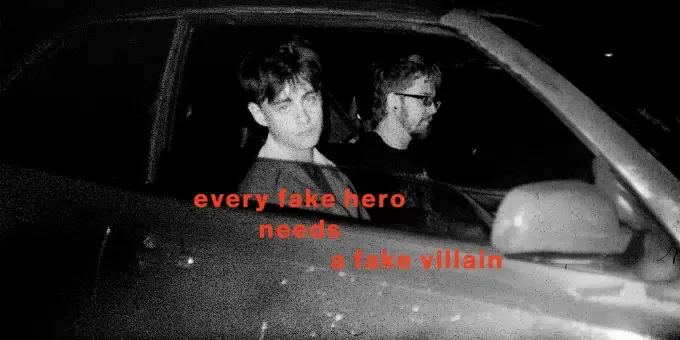
These are only a few of the things you may find in this pulpy tale of detective noir, featuring over 100 face-swaps of modern actors into classic noir films.
In a city built on favours and flames, a single fire becomes the spark that draws together a grieving widow, a terrified nightclub singer, a scheming socialite, and a secretary who knows more than she should. Caught in the center are private eye Calvin Reese and Detective Leon Blackwell, men determined to make sense of the lies even as they pile up around them.
But the more pieces they gather, the stranger the picture becomes, and someone in the dark is making sure the truth never reaches the light...
Read on to uncover the mystery…
Episode #1: A Spark in the Dark
The name's Calvin Reese — though I'm hardly the most important character in this story.

I never meant to get tangled in the kind of mess that chews up a city and spits out the bones onto the sidewalk. Most days, I was just another private eye trying to survive the New York rent cycle and stay one step ahead of the rain. Idealism was a bad habit I hadn’t managed to kick yet.

Back then, I still thought you could keep your hands clean if you kept your head down — that corruption was something that happened in smoky backrooms far above my pay grade.

Then Henry Brackett’s store went up in flames, and the illusion burned with it.

I can still picture the way the fire ate through the brick like it was starving. Anyone with sense could tell it wasn’t an accident, but the official report wrote itself before the ashes cooled.

Henry was a quiet man. Cautious by nature. The kind who didn’t raise alarms unless the ground was already shaking beneath him.

What I didn’t know then — but can say now — is that Mayor Martin Delacroix already had Henry pegged as a loose thread. I didn’t hear that conversation myself, but I’ve replayed it enough times in my mind to see how it must’ve gone: Delacroix in his tailored suit, offering Henry a pittance for the ashes of his life. Smiling like the whole thing was a business opportunity. The Mayor had a way of talking men into their own graves, and Henry was already halfway there.

The man writing the cheque was Charles Pembroke — a real estate baron with a smile sharp enough to draw blood. His involvement alone would’ve been enough to make me suspicious, but Henry swore there was something off in the Mayor’s eagerness — like he’d been waiting for the flames.

The whole thing stank. And I should’ve known from the start that once this kind of smell gets into your coat, it doesn’t wash out.


When Henry tried to push the police for answers, Chief Milton Kline brushed him off with bureaucratic smoothness. He had a talent for stillness — a man built to look like he wasn’t involved in anything while being involved in everything.

Henry took the hint and came to me. Maybe he knew signing my name onto his worries was as good as signing his own death warrant, but he hoped I could rewrite it.
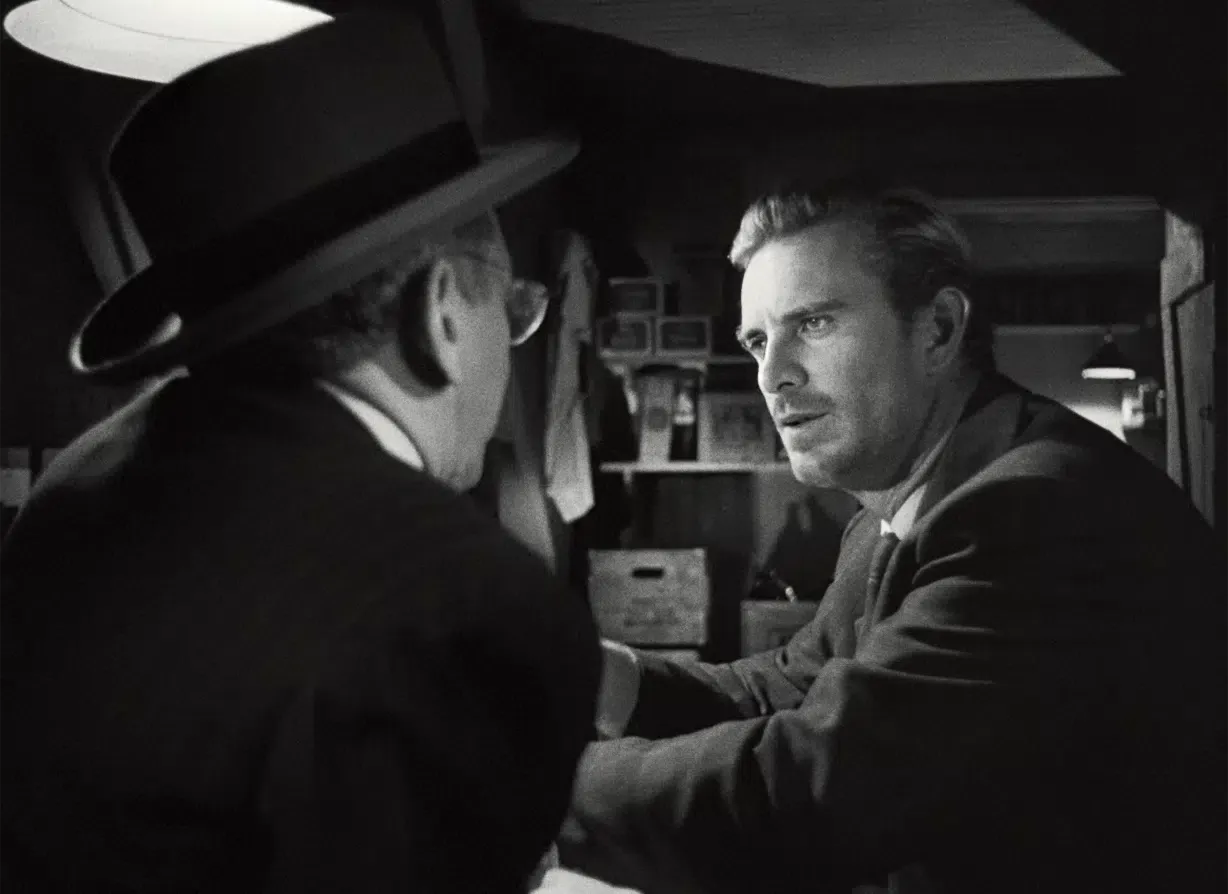
We walked the ruins together, stepping over blackened beams and melted glass, and he pointed out what remained as if naming the rubble might bring it back. I promised I’d look into it.

Funny thing was, one neighbour swore the blaze started at the front door. Another insisted it began deep in the stockroom. Could be bad memory, or could be someone trying to rewrite the spark. What I didn’t realize was that I was promising to follow the fire back to the source.

A guy down the block swore he’d seen a pair of teenagers lighting trash fires behind the shop for weeks. Kids playing with matches, he said. The kind of story that smells like horse shit but still clings to your shoes.
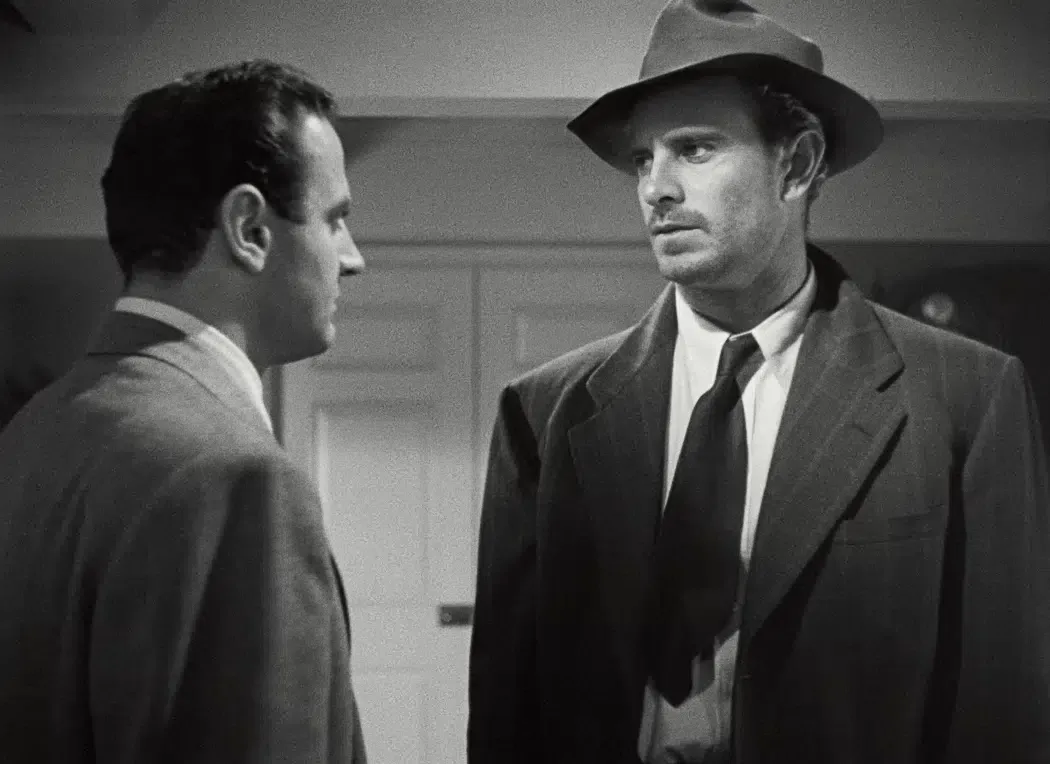
And there was a rumor — quiet, but present — that Henry had taken out a second insurance policy a month before the fire. A rumour with no paperwork behind it, but the kind that sets up shop in your brain nonetheless.


It wasn’t long before my digging brought me to Lena Lennox — a blonde grifter with a soft voice and hard edges. She flirted like it was her second language and lied like it was her first. She drifted into my investigation like a trick of the light, offering flirtation in exchange for attention, and half-truths wrapped in innuendo.

I can’t claim to have been immune to her feminine wiles. I’m a hot-blooded male after all — and she was ice cold.

We shared a touch. A kiss. A bed. Also a couch. The floor too. Looking back, I can’t tell if Lena was steering me or if I was steering myself straight into her narrative.

But between the cigarette smoke and half-smiles, she let Delacroix’s name slip — too softly to mean anything, too loudly to ignore. When I asked her to repeat it, she claimed she’d said nothing at all. Suddenly the fire didn’t seem accidental at all.

Later I remembered the way she flinched when I first mentioned Henry’s name — like she’d heard it before, or wanted me to think she hadn’t.


Henry and I tried confronting Delacroix. Thought maybe an honest man standing on his doorstep might shake loose some sincerity. Delacroix didn’t even blink. He treated Henry’s ruined life like an unfortunate bookkeeping error. We left his office no closer to the truth.

Hours later, Henry was dead — gunned down in what the papers called a mugging.
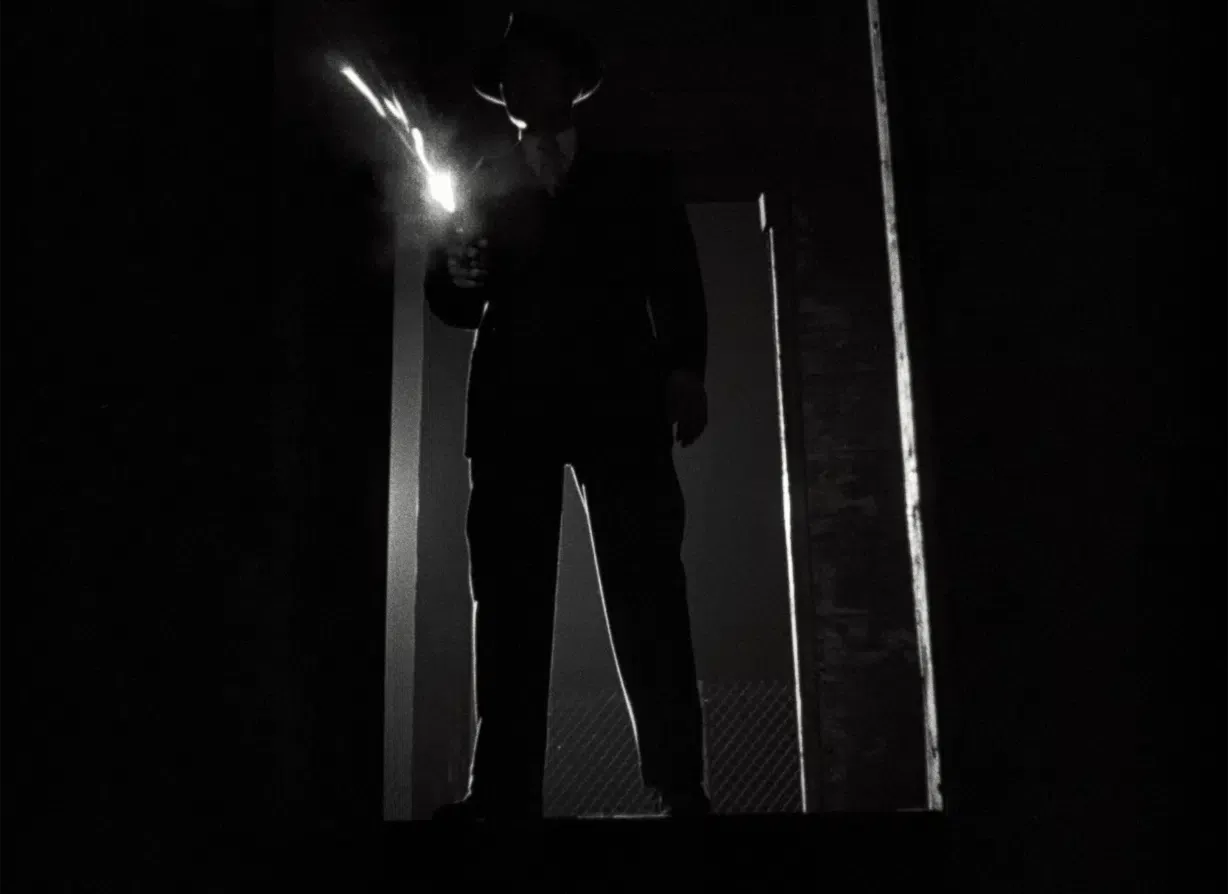
Sure. And the ocean’s dry.


On the other side of town, Kitty Devine — a songbird with trembling hands and a voice dark as bourbon — witnessed what she called a “nothing crime” behind her club. Detective Leon Blackwell got the call.

She told Blackwell the basics: two men exchanging something they shouldn’t have. A familiar face. The license plate traced to a warehouse Pembroke had supposedly sold months ago. The sale records looked airtight, which made the whole thing smell wrong.

That was enough to get Blackwell’s interest — and enough to make Chief Kline tell him to drop it. Told him to let the matter settle like dust. But Blackwell never settled for anything except the truth. That’s what brought him to me.

We compared what little we had: Henry’s fire, Kitty’s alley sighting, Pembroke’s interest in burned land, Delacroix’s rehearsed indifference. Alone, each was a thread. Together, they formed a knot so tight it could choke the city. We pulled anyway.

Looking back, that was the moment the case stopped being about Henry Brackett and started being about the city itself — who owned it, who burned it, who fed on the ashes.


While I was still staring at Henry’s body in the morgue, wondering how quickly good men get erased in this city, Dot Brackett stumbled into Detective Leon Blackwell’s office, wild-eyed and broken in the wake of her husband's sudden death.

She rambled about burning blocks, crooked politicians, and a tall man who moved like he wasn’t there at all. She kept insisting the man she saw had a scar down his jaw. Later, she swore there was no scar at all. She was like this every time we saw her after that.

Once, Dot grabbed my arm and whispered that the Mayor had been standing in her kitchen the night before the fire. The next breath, she denied ever saying it.

She kept mixing up the time of night, too — once saying dawn light was coming through the window, another time swearing everything was pitch black. Trauma does that, sure. So does fear.

Most of it sounded like grief-drenched nonsense. But every so often, she’d hit the bullseye without knowing it. I thought she was broken. But Dot wasn’t broken — she was the only person in the city who saw the full picture before any of us knew there was a puzzle.
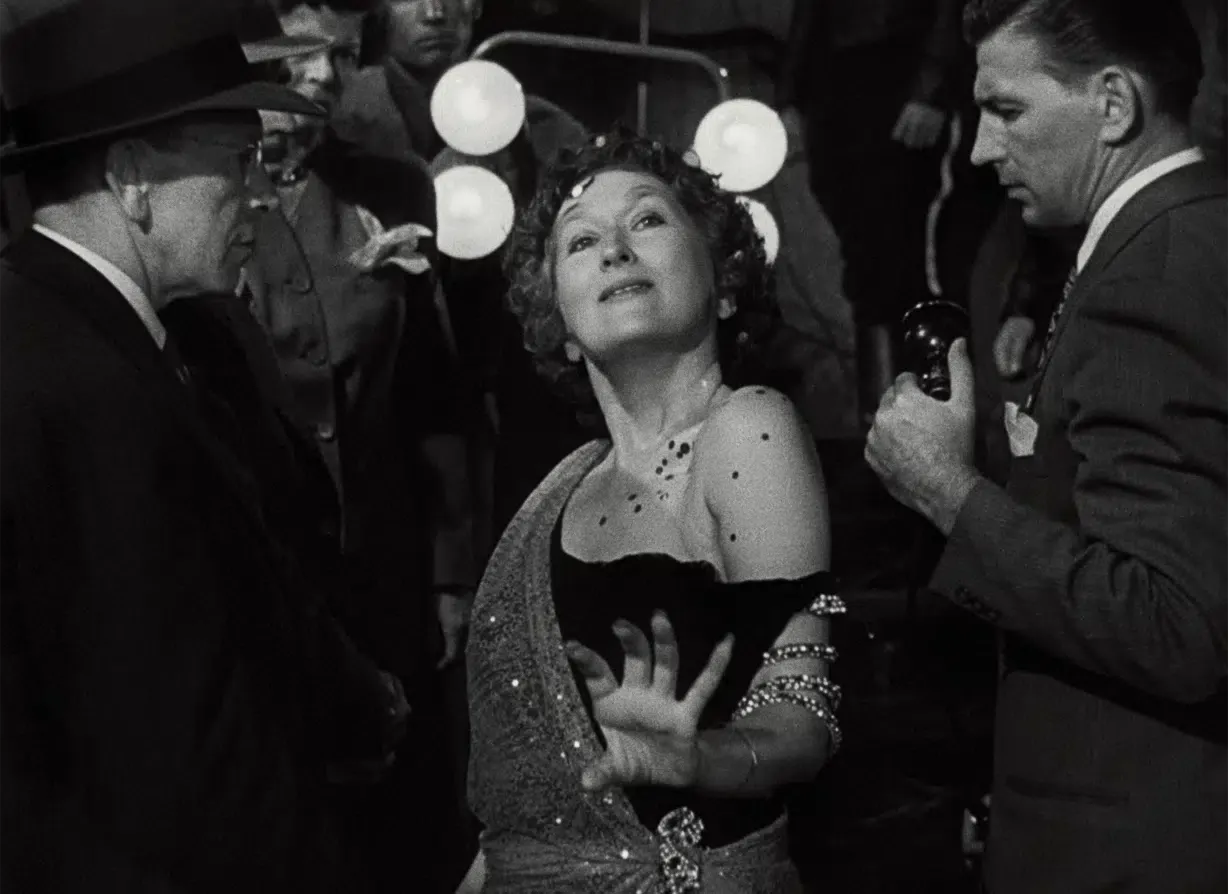

Blackwell and I paid Pembroke a visit that night — unannounced, which was the only way to keep men like him honest.
Pembroke’s secretary, a woman named Faye, met us at the door — medium curls pinned back neatly, eyes too sharp for the job she pretended to have. She moved like someone trained to vanish into wallpaper until the moment her employer needed her to materialize.
Faye handled Pembroke’s schedule, his calls, his mail — all the mundane things that become dangerous in the wrong hands. Which meant she knew the parts of his life he didn’t put on paper. She gave us the kind of polite smile that hides a hundred secrets and offered to fetch him. Something in her voice made me think she knew exactly why we were there. Something else made me think she’d pretend she didn’t.

Pembroke held court from his leather armchair like a king indulging peasants. He played shocked about Henry, confused about motives, indignant at the accusation. But every time his eyes flicked toward Faye, his mask slipped a little.

Blackwell pressed him — gently at first, then harder. Enough to make Pembroke sweat under the collar. I watched Faye the whole time. She stood behind him, hands clasped, like she wasn’t sure if she was supposed to protect him… or protect herself.

And once — just once — her eyes flicked toward the hallway behind us… the kind of glance people make when they expect someone else to arrive.

When we finally left Pembroke’s mansion, Faye watched us go from the doorway. No expression, no warmth — just an accountant’s curiosity, like she was tallying which direction the trouble would move next. 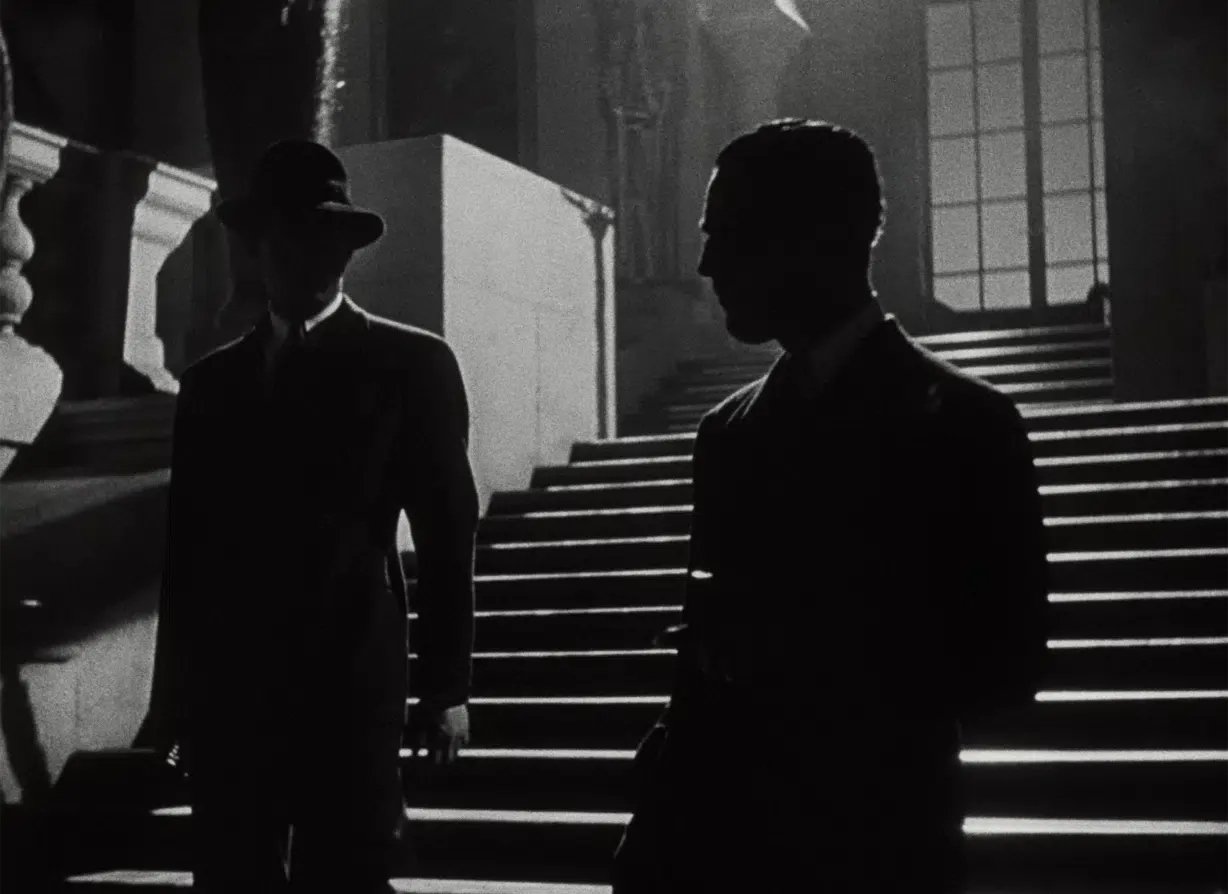

Blackwell and I began working the case side by side, though our methods were as different as liquor and water. He went straight for Pembroke’s properties — the fancy hotels and velvet lounges where rich men hid their sins under neon lights.

That’s when Rita “Ginger” Malone entered the picture — a nightclub singer with a voice that could make heartbreak sound like a lullaby. Blackwell was smitten at first glance.

He also crossed paths with Kitty Devine again, and that alone should’ve told him trouble wasn’t far behind.

Pembroke watched Ginger with a possessive intensity. A dangerous glint — like she was both his property and his weakness. Jealous men with power were always fatal, and Pembroke had more power than sense.

But for a moment — just a flicker — Pembroke looked terrified. Not of Ginger — or of losing her for that matter. Of something else. Someone else. But who?


I followed the political angle, forcing my way into the periphery of Pembroke’s orbit long enough to see how carefully he and Evelyn Delacroix, the Mayor’s wife, circled each other.

Evelyn was a quiet storm behind careful composure, the kind of woman who didn’t waste bullets — she saved them for the moment they mattered. Evelyn answered my questions before I asked them — a neat trick that should’ve bothered me more.

There was something poisoned in the air between her and Pembroke, something that felt like an old deal growing sharp and unstable.


When Evelyn later invited Blackwell to her home — her husband absent — he expected a confession or a plea.

She didn’t spill secrets outright, but she opened the pantry door and let us smell what was spoiling. She told him the Mayor was mixed up in something that could sink the city, and she wanted out before she went down with him.

She warned him about a councilman — Harold Yates — claiming he’d been leaning on the Mayor for months. She said Harold had "ambitions that burn hotter than good sense." Sounded convincing. Too convincing.

Evelyn had no justice in mind. She was looking for insurance. Leverage. And Blackwell, whether he liked it or not, became part of her contingency plan.

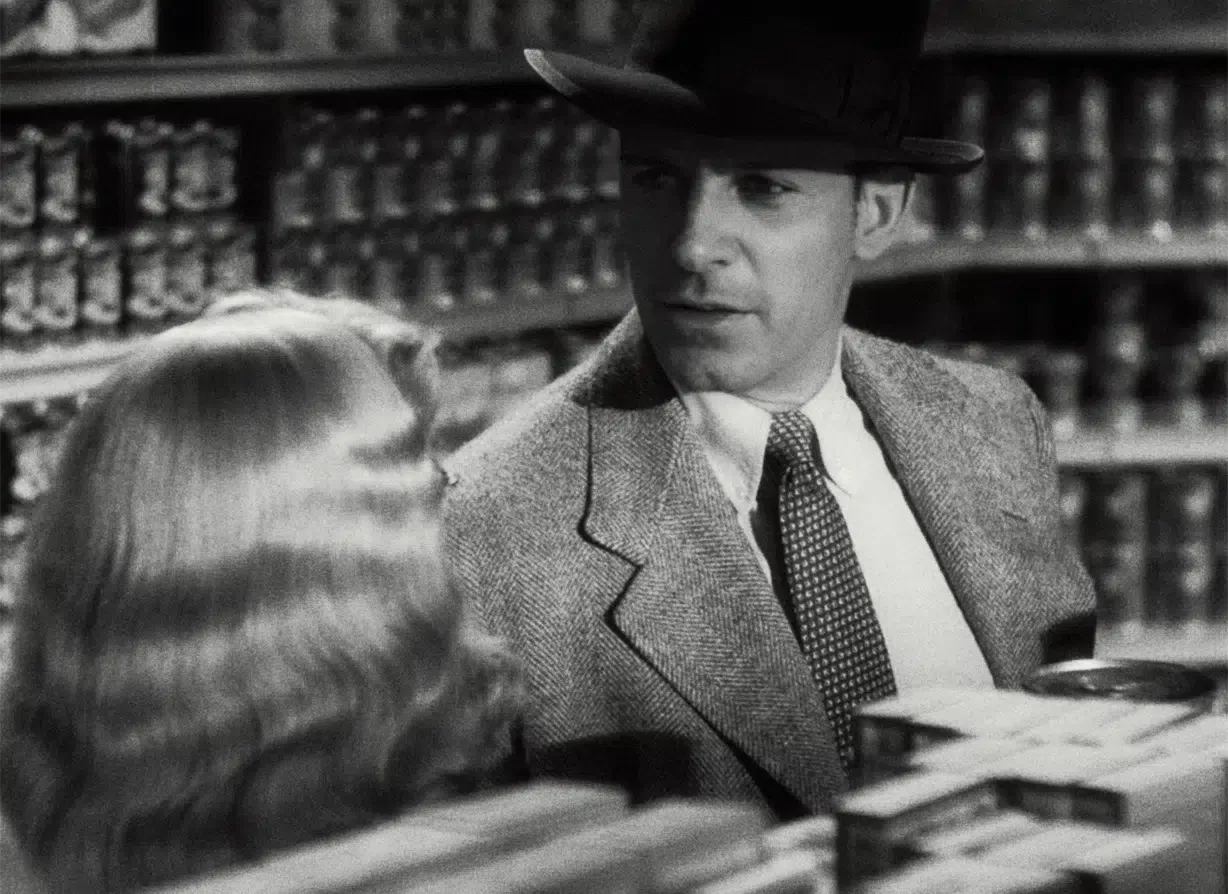 Meanwhile, Lena Lennox kept drifting in and out like cigarette smoke — seductive, shapeless, impossible to grasp.

Every time I thought she was helping, she’d twist the facts and leave me doubting my own footing. She wasn’t on anyone’s side but her own — and her side changed with the tides.

Eventually, Evelyn and Lena formed an alliance — the kind built on shared bitterness and mutual self-interest. Evelyn wanted her husband cornered. Lena wanted a foothold in the world of powerful men.

Together, they brewed a scheme to seduce Delacroix and catch him in a compromising position. Lena later told me her version of the plan, polished and curated, conveniently missing the parts that mattered. I should’ve known she was stacking the deck, but I let her cut the cards anyway.


Everything came to a head at another one of Pembroke’s decadent parties — one of those affairs where champagne flowed easier than honesty and the city’s glitterati play pretend while the rest of us bleed behind the curtain.

Ginger sang her heart out. Kitty walked through the room like a butterfly sensing the web tightening. Evelyn watched with cold calculation.

Faye hovered in the corner of Pembroke’s living room like she was part of the décor — curls pinned, expression fixed somewhere between bored and watchful. I didn’t expect to see her at a place like this. Secretaries don’t usually get invited to their boss’s bacchanals unless they’re carrying folders or alibis.

Lena gave her a smile warmer than the ice sculpture, and Faye returned something sharper, thinner — a glint of rivalry or warning, I couldn’t tell which. If there was history between them, it wasn’t the friendly kind; it looked more like two women who’d solved the same problem in different ways.

In a room full of predators pretending to be patrons, Faye was the only one trying not to be seen — which made her stand out all the more.

I caught the Mayor brushing a stray hair from Lena’s shoulder. Too gentle for politics. Too intimate for bribery. It didn’t fit any story I knew.


That’s also where Blackwell met Brandy Lang, a woman he decided was dangerous before she even said hello. I’d noticed her earlier, slipping out of a conversation with Evelyn like she’d been dismissed — or warned.

Blackwell read sinful intent into her silence and conspiracies into her posture. He wasn’t seeing Brandy — he was seeing the story he wanted to tell himself.

Later he’d realize the only thing Brandy was guilty of was being in the wrong room with the wrong man at the wrong time. She’d become important to him later, but not for the reasons he thought that night.
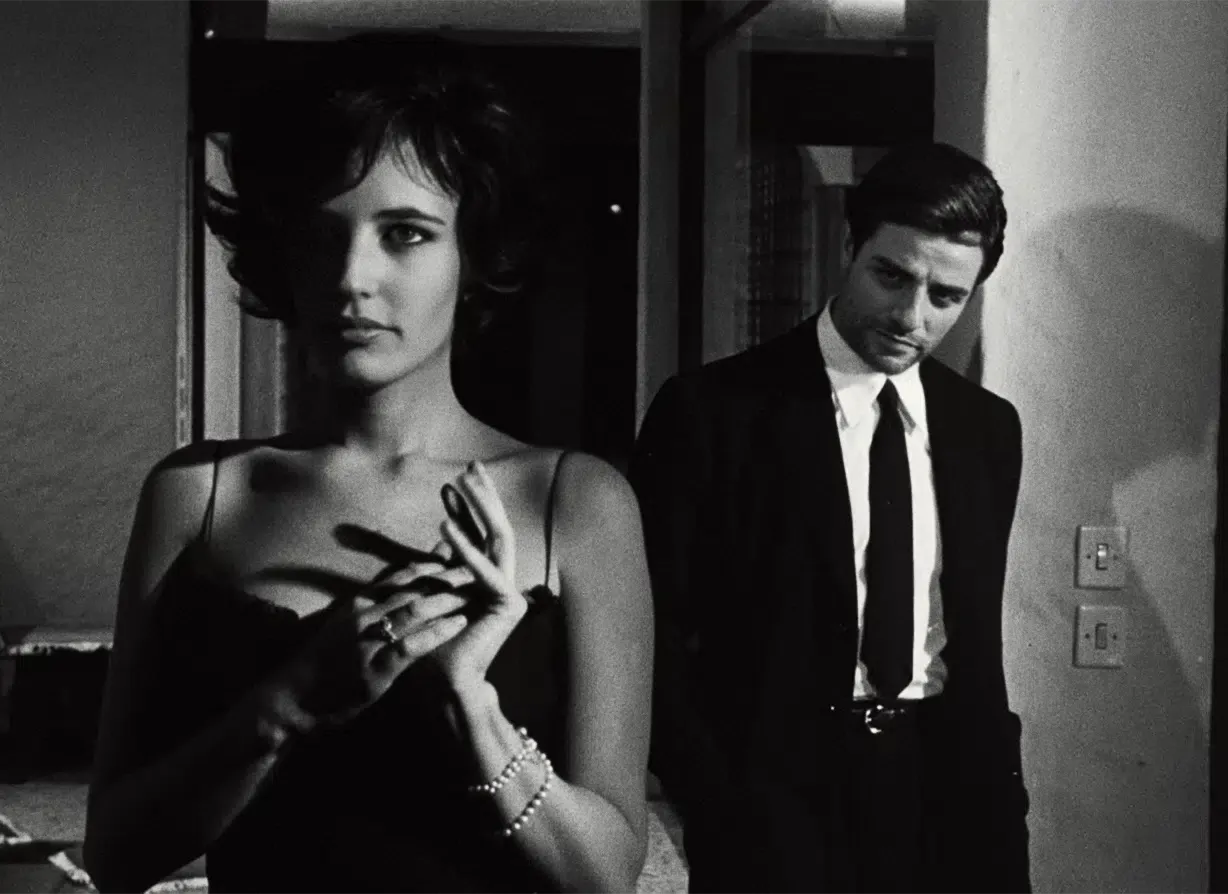
While Blackwell got lost in her eyes, Pembroke’s paranoia kept tightening like a noose. He saw betrayal everywhere — in Ginger’s downcast glances, Lena’s flirtations, and Evelyn’s restraint. He knew his empire was built on tinder, and every spark set him shaking.


Then Kitty came forward with something big — real evidence, the kind that tied her alley encounter to the fires. She was scared, but determined. I think she believed Blackwell could actually protect her.

She was wrong.

Before Blackwell could follow the lead, Kitty was attacked. Violently. Silently. She survived by sheer accident — or stubbornness — but the message was clear: someone powerful was cleaning up loose ends.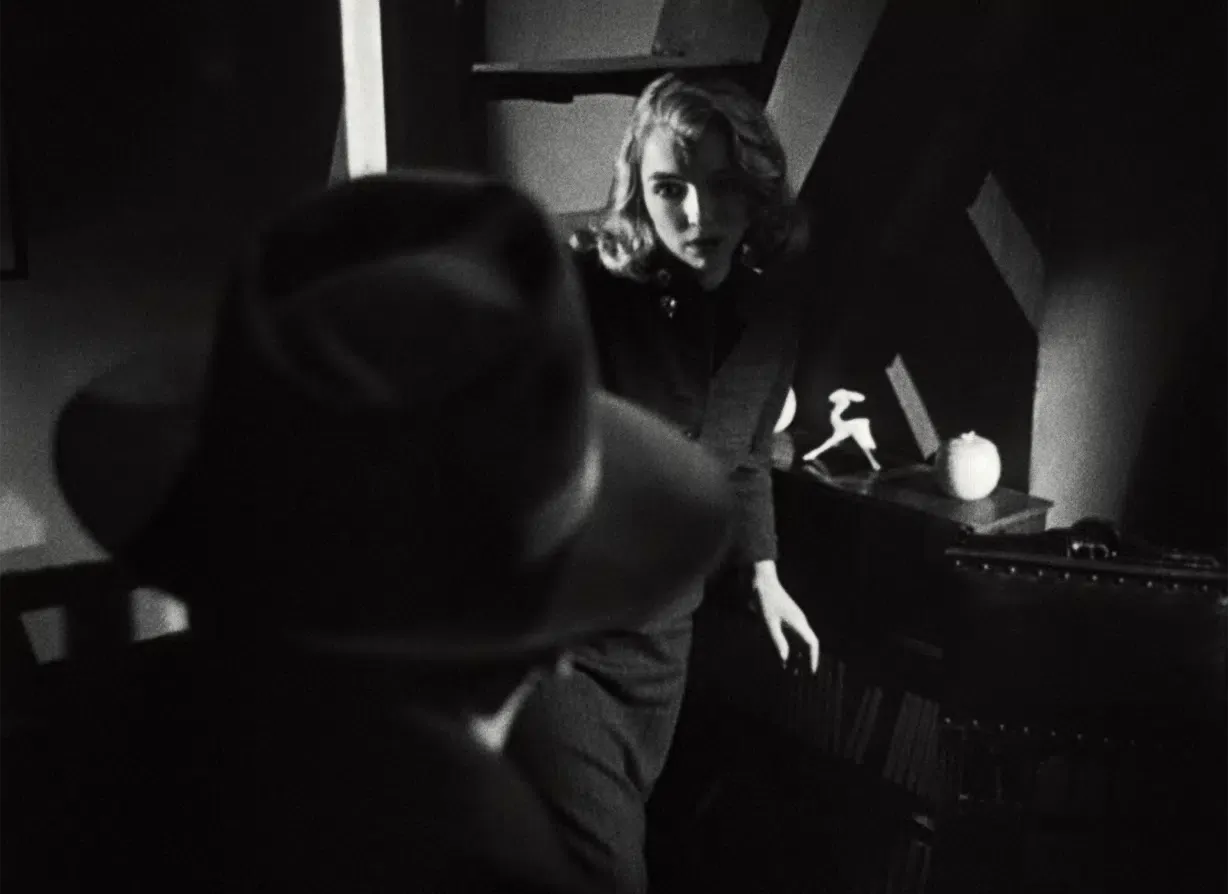
That was the moment Blackwell snapped open like a switchblade. Until then, he’d been a cop doing his job. After Kitty? He became a man on a mission.


Blackwell pulled Faye into an interview room that smelled of cold coffee and bad decisions. She didn’t lawyer up, didn’t plead ignorance — just folded her hands neatly in front of her, like she’d been preparing her whole life for this exact conversation.

She answered every question without blinking — where she was during the fires, what paperwork she handled, who Pembroke met with.

Every answer was clean. Too clean. She spoke in the kind of steady, measured cadence you only hear from people who’ve practiced their lies in the mirror — or memorized someone else’s script.

But there was one moment, barely a flicker, when Blackwell asked about the warehouse Kitty mentioned. Faye’s jaw tightened — a brief pulse beneath the skin — then the mask came back down, like she’d caught herself slipping into honesty.

The funny thing was, Blackwell let her walk. He claimed we didn’t have enough to hold her. Maybe he was right. Maybe she rattled him in a way he didn’t want to admit. Or maybe he simply heard all he needed to hear. Somewhere in all that noise, Faye slipped out of the picture like she’d never been there to begin with — a ghost stepping backward into fog.

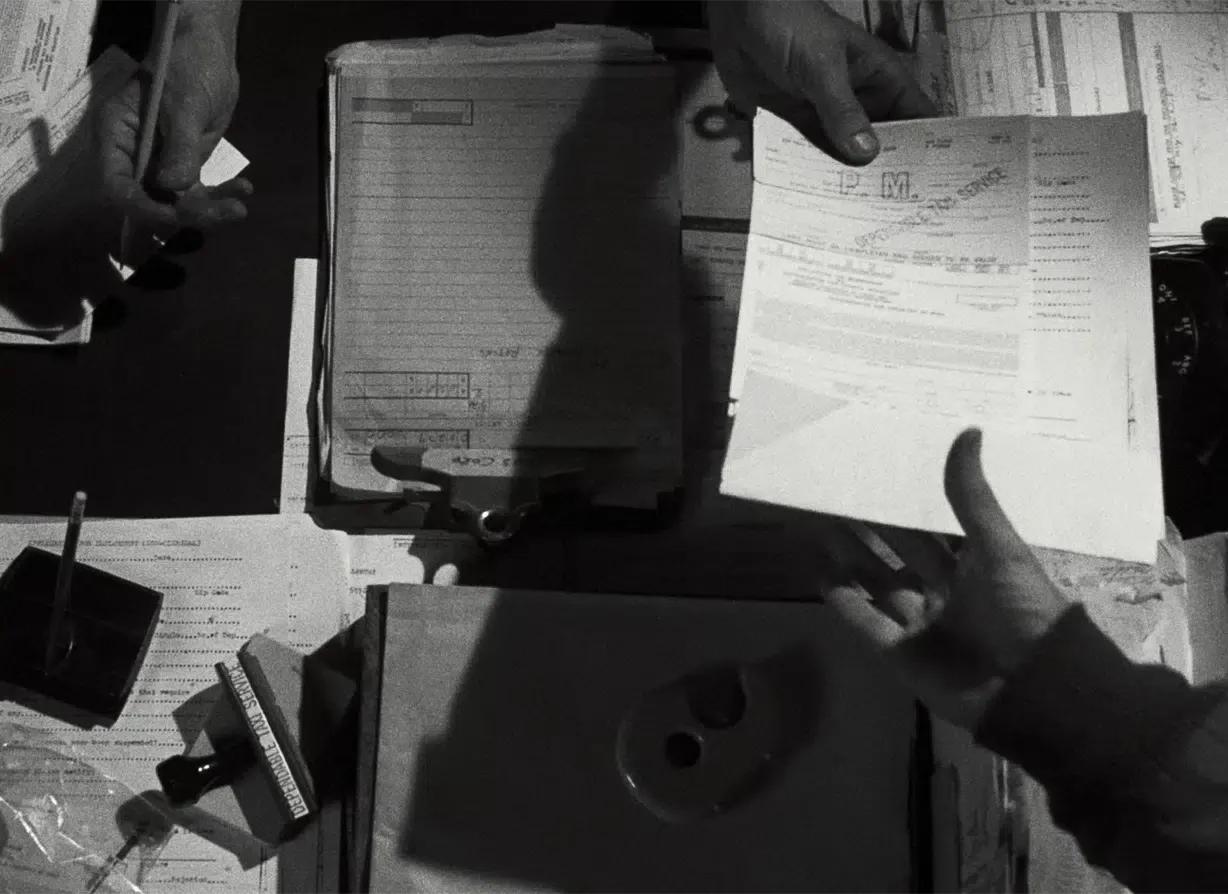
We pieced the puzzle together. Dot’s scrambled warnings. Kitty’s whispered clues. Lena’s half-truths. Evelyn’s calculated revelations. Ginger’s trembling fears. Pembroke’s polished deceit.

Pembroke wasn’t just developing property. He was burning out entire blocks, buying up the ruins for pennies, and splitting profits with the Mayor. The fires were intentional, the murders strategic, and Kline keeping the police out of the way.

But the paperwork didn’t add up clean. Some fires happened on blocks Pembroke had no recorded interest in. Others burned places he already owned. Like someone was mimicking his pattern just closely enough to twist the knife.

Still, behind them all was a man whose name we didn’t yet have, but whose shadow we kept bumping into. A shadow that would soon step into the light.


I didn’t know it at the time, but while I was walking the streets and surveying homes trying to make sense of Dot’s ramblings and Kitty’s clues, Blackwell was busy making one of the biggest mistakes of his life — or the most human, depending on how you look at it.

Brandy Lang, the woman he pegged as a femme fatale, ended up being his refuge. She wasn’t a threat. She wasn’t a conspirator. She was just someone who saw a tired detective drowning in his own frustration and offered him a night where none of it mattered.

Blackwell would never admit it, but that night probably saved his sanity. Or at least postponed the unravelling.


Afterward, he ran straight to the hospital to see Kitty. I wasn’t there, but I’ve pictured it a hundred times: Blackwell leaning over her bed, steam rising off his soaked coat, trying to hide the guilt eating through him.

Kitty was weak, but she had one last ember of fight. She gave him the missing piece — something sharp enough to light the darkness. Suddenly the shadow had a face — and a name.

Raymond Crane. A corporate hitman. A wraith. The kind of ghost hired to erase problems before they learned they were problems.

I thought of Faye then — the way she watched doors instead of people, the way her pulse skipped when we asked the wrong questions. Maybe she knew Crane. Maybe they were two ghosts working the same haunt. Or maybe I was just seeing patterns where fear wanted them.

Blackwell walked out of that hospital a different man, carrying Kitty’s words in his pocket like a loaded gun.


While Blackwell transformed his guilt into purpose, I went back to Dot Brackett one last time. Her apartment was dim, suffocating, thick with grief and stale tea. She spoke in riddles, but this time I had the key. The names she’d scrambled, the places she’d mixed up — they all lined up perfectly once you knew where to look.

Dot had seen Crane the night before her husband died. She’d watched him moving through the smoke like an absence shaped into a man. She just didn’t have the luxury of clarity then.

The moment I left her house, the case snapped shut in my head — Pembroke, the fires, the land grabs, Delacroix’s involvement, Crane’s cleanup work. All roads led to Pembroke.


By the time Blackwell and I found him, Pembroke was unravelling fast. He’d cornered Ginger in the green room backstage, consumed by the idea that she’d betrayed him. She had no idea what he thought she’d done. All she’d done was talk to the wrong detective and inspire the wrong suspicion.

We broke into that room to find Pembroke raving about loyalty, about how nobody understood the "bigger picture," about how burning a little to save a lot was good business. He was sweating bullets, his mask slipping faster than we could watch it fall.

We didn’t have to coax a confession out of him. He practically dumped it at our feet. And that’s when Crane appeared.

He materialized like a spectre. One moment the doorway was empty; the next, Crane was filling it with a gun and an expression that didn’t know the meaning of hesitation. For half a heartbeat I expected to see Faye behind him — same stillness, same unreadable calm. But the doorway held only death.

He didn’t look tall like Dot said. Or maybe adrenaline shrank him. Or maybe my eyes were lying. They tend to, around men like Crane.

Rescue wasn’t in the cards for Pembroke. Crane was there to erase him. And us, if he needed to.

Gunfire lit the room like lightning. I pulled Ginger to safety while Blackwell returned fire.

Pembroke hid in the corner, screaming for Crane to save him, but Crane didn’t spare him a glance. The only thing he'd spare Pembroke was a bullet, and he probably would have given him enough to make change if we hadn't gotten there first.

Crane escaped into the night, and we chased him. Through alleys slick with rain. Across construction scaffolding slick with mud. Past bars and theatres and warehouses, where the city pretended not to see. He moved like the city’s shadow — fast, quiet, inevitable.

He never lost control. He moved with the calm of a man who’s outrun better detectives than us. Eventually, the night swallowed him whole, and all we were left with was the echo of footsteps on wet cobblestone and the taste of failure.

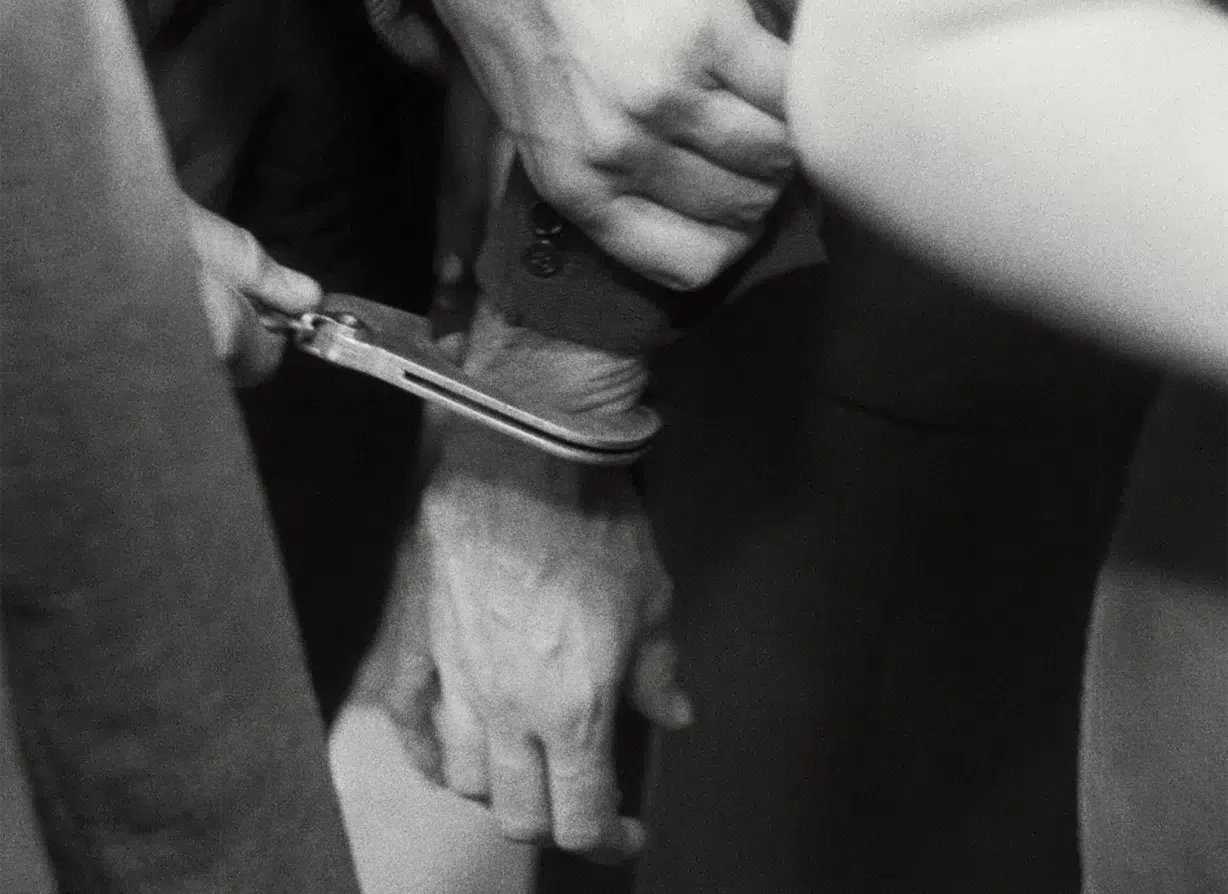
We hauled Pembroke in because he was the only body left to grab. He went quietly, still ranting, still sweating, still throwing the Mayor’s name like a lifeline. But once we handed him over, his words evaporated.

Chief Kline congratulated us with the kind of smile that makes your skin crawl — the smile of a man who already knew which parts of the case would be “forgotten.”

The next morning, Delacroix held a press conference with grief plastered on his face like a cheap coat of paint.

Pembroke had betrayed the city, he claimed. Pembroke alone. The Mayor promised reforms, transparency, redevelopment — all the words politicians use when they’re tightening their grip.

He shook my hand. He shook Blackwell’s. He walked away clean. Of course he did. That’s how the city works. It doesn’t protect you. It just makes room for the next tragedy.


That night, someone broke into Blackwell’s office. Didn’t steal anything. Didn’t leave anything. Just tore up a few meaningless papers like they wanted him to know they’d been there.

Lena stayed orbiting the Mayor, working her angles like the moon pulling tides. Evelyn sharpened her knives behind that perfect smile. Kitty lay in a hospital bed, half here, half gone. Crane became a shadow again, somewhere in the corners where men like me aren’t supposed to look.

Nobody saw Faye since the questioning. Sometimes I caught myself scanning crowds for her curls, expecting her to appear where she didn’t belong. She didn’t, of course. People like her only showed up when someone more dangerous needed a shadow.

Blackwell and I found ourselves standing in front of the burned remains of Henry Brackett’s store. The city hummed around us like a broken machine pretending to function. From then on, I never went a day without looking over my shoulder — wondering when Raymond Crane would re-emerge from the shadows.

We solved the case. But only the part the city allowed us to solve.
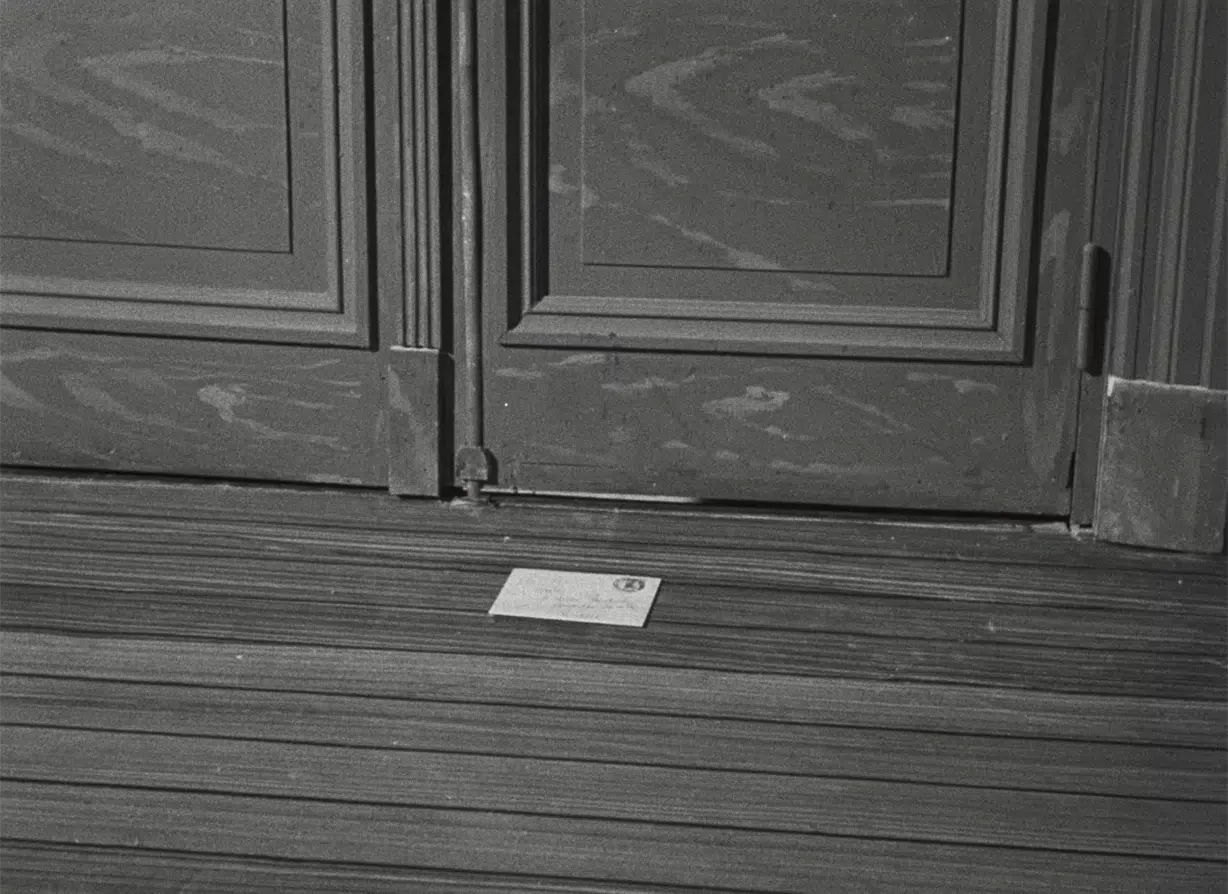
Two days after Pembroke was locked away, someone slipped an envelope under my door. Inside was a single Polaroid: the Mayor shaking hands with a man whose face was blurred — blurred too perfectly. Someone wanted me to know the story wasn’t over. Someone wanted me to keep digging, but they had no interest in lending me a shovel.

We walked into the dark after that — not because we were brave, not because we had answers, but because at the end of a case like this, the dark is the only honest thing left. And honesty, in this city, is only found after the lights go out.  fin.

STARRING
(in order of appearance)
Michael Fassbender as Calvin Reese
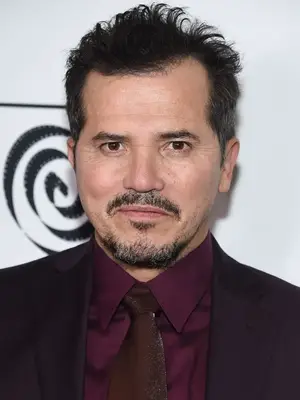
John Leguizamo as Henry Brackett
Vincent D'Onofrio as Mayor Martin Delacroix
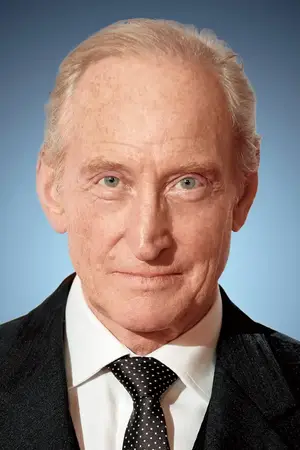
Charles Dance as Charles Pembroke
Michael Shannon as Chief Milton Kline
Léa Seydoux as Lena Lennox
Jodie Comer as Kitty Devine
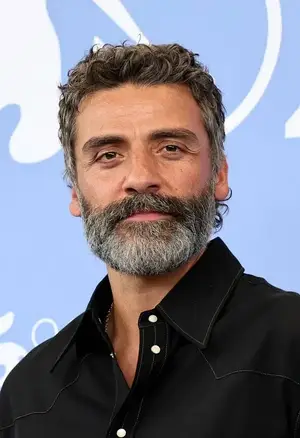
Oscar Isaac as Detective Leon Blackwell
Meryl Streep as Dot Brackett
Emma Stone as Faye
Margaret Qualley as Rita “Ginger” Malone
Morena Baccarin as Evelyn Delacroix
Eva Green as Brandy Lang
Bill Skarsgård as Raymond Crane
Calvin Reese and Leon Blackwell will return…
Mentioned in this piece
 Laura1944
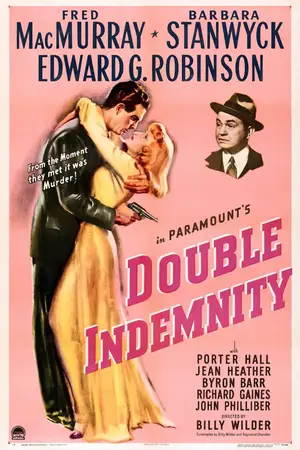 Double Indemnity1944
 The Black Vampire1953
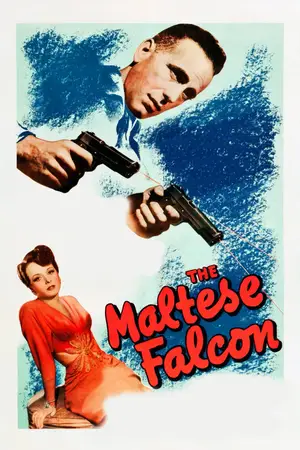 The Maltese Falcon1941
 Out of the Past1947
 The Asphalt Jungle1950
 La Notte1961
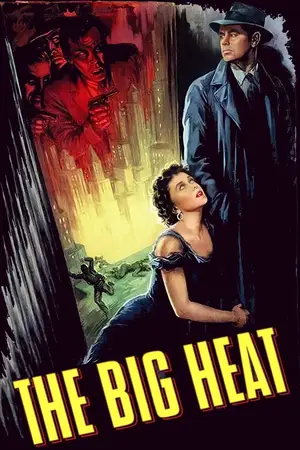 The Big Heat1953
 The Third Man1949
 Gilda1946
 Kiss Me Deadly1955
 The Naked City1948
 The Testament of Dr. Mabuse1933
 The Wrong Man1956
 Rififi1955
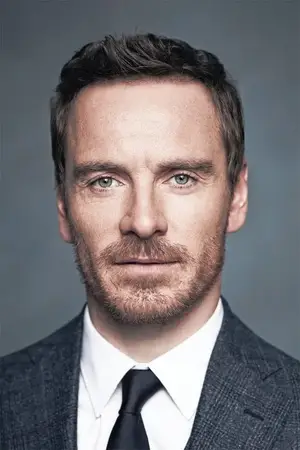 Michael Fassbender
 Oscar Isaac
 Léa Seydoux
 Emma Stone
 Charles Dance
 Margaret Qualley
 Vincent D'Onofrio
 Jodie Comer
 Morena Baccarin
 Meryl Streep
 John Leguizamo
 Michael Shannon
 Bill Skarsgård
 Eva Green

Comments 8