Spoilers ahead for Teenage Sex and Death at Camp Miasma.
General Reviews
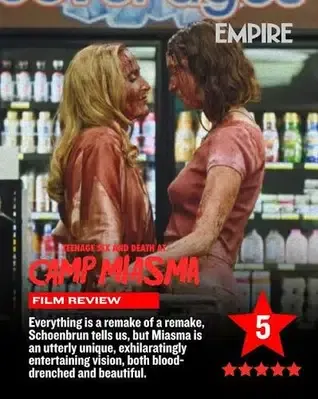
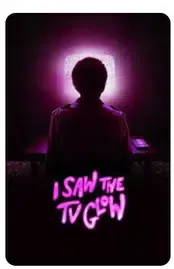
I went into Teenage Sex and Death at Camp Miasma expecting something strange, funny and very Jane Schoenbrun. It certainly delivered on all three, but what surprised me was how much I enjoyed the film beneath all the blood, sex and deliberately ridiculous slasher deaths. If you haven't seen her other two films ‘We’re all going to the World's Fair" (2021)

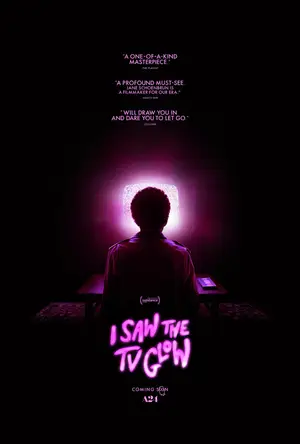
and “I saw the TV glow” (2024) then I would highly recommend starting with them, as this film really does film like a continuation of them both.
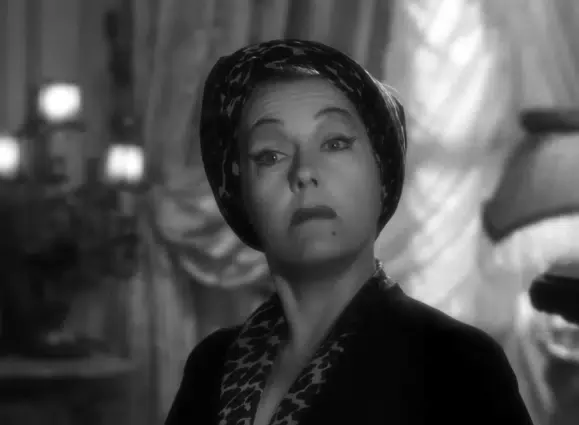
The most obvious influence for me was “Sunset Boulevard ”(1950). Gillian Anderson’s Billy Presley is a former star living in isolation, surrounded by the remains of the film that made her famous, and there is even a sequence where she sits watching herself on screen looking wonderfully Norma Desmond-like. The headwear alone practically screams it.

The film eventually acknowledges the comparison itself, which was probably inevitable because the influence is so gloriously obvious.
But another film kept coming to mind while I was watching: “The Final Girls” (2015).
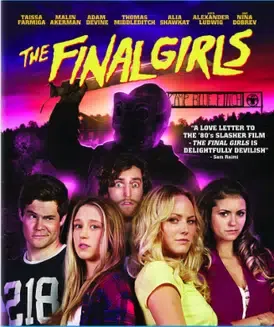
That film also took the familiar world of the slasher movie and used it to talk about something much deeper. In The Final Girls, the genre becomes a way of processing grief and trauma. Here, Schoenbrun uses it to explore sexual repression, fantasy and ultimately the freedom that comes from accepting the parts of yourself that you might have spent years trying to explain away.
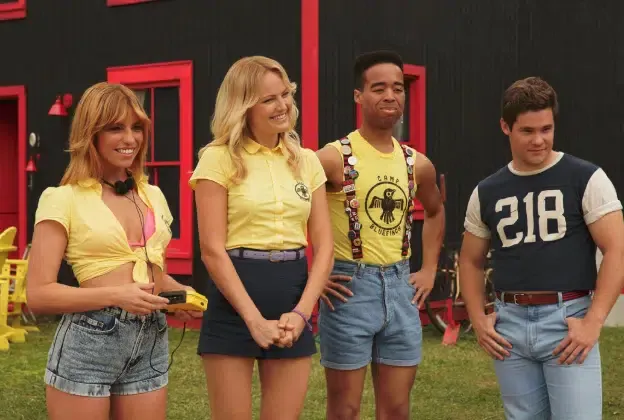
And then there is “Sleepaway Camp” (1983), another influence that Camp Miasma happily names out loud. And of course, without giving away any spoilers, fear of sex / nudity are also a huge story lines in that film too - but for very different reasons. Although there is still a nod with the duality of the Little Death told in his back story, but more about that in a moment…
‘Camp’ is an extremely meta film and it knows exactly what horror fans are going to recognise. Rather than pretending those influences aren't there, it puts them directly into the conversation.

That extends to some of the more uncomfortable history surrounding the genre too.
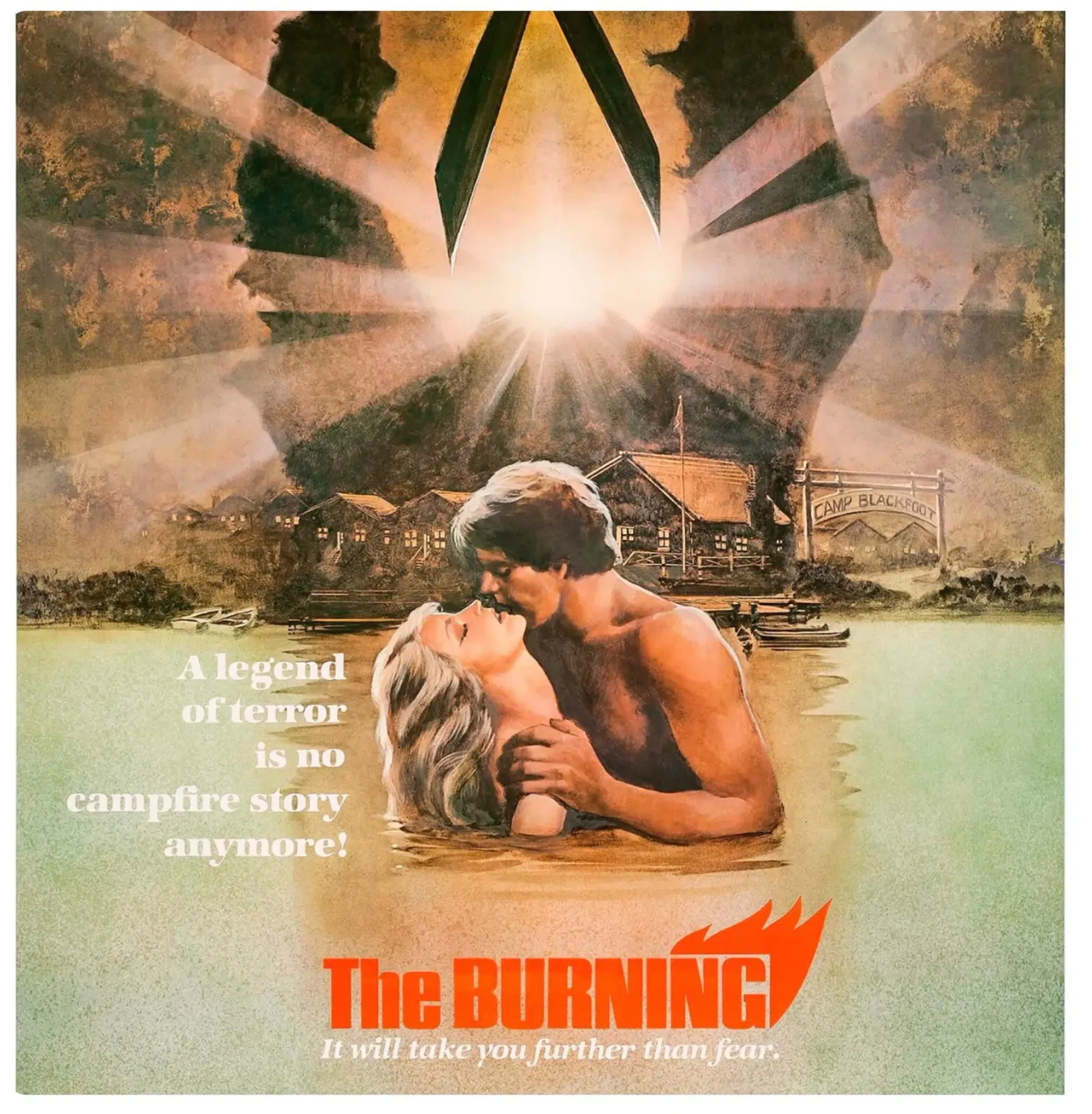
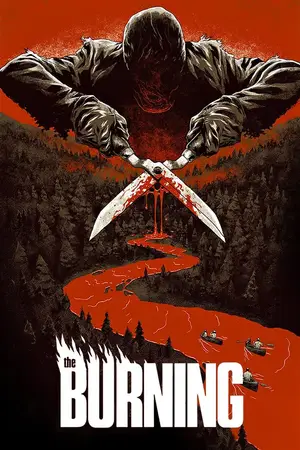
At one point Billy mentions “The Burning”, the 1981 camp slasher produced by Harvey and Bob Weinstein. Considering that Camp Miasma also deals with abuse, sexual assault and the treatment of people on film sets, it is difficult not to feel the shadow of #MeToo hanging over that reference. The film never stops to underline it in red pen, but then it doesn't really need to. I think she is also having fun with the OG poster for the Burning and her poster for the 'film within a film. Check these out!
The Real Poster for ‘The Burning’…
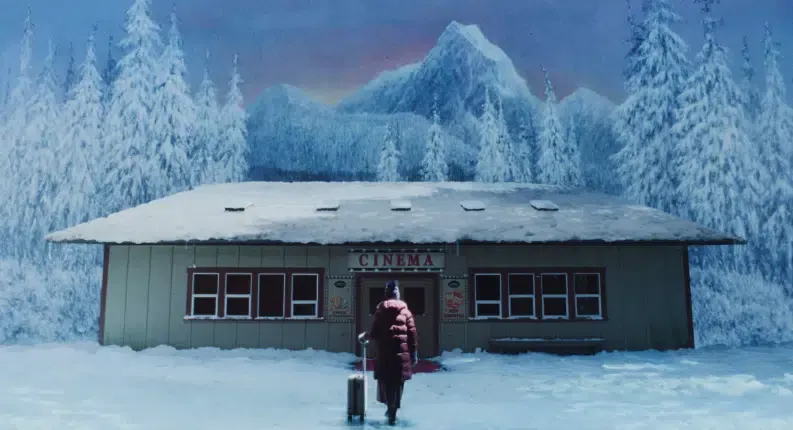
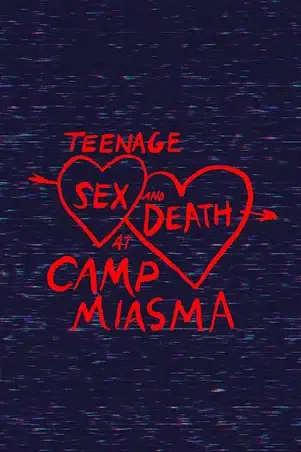
And the fake poster for the ‘film within a film’:

There is also something very funny about Schoenbrun poking at the modern industry from the other direction. In the film, the main character, the repressed, Kris has essentially been hired to make an old, politically incorrect horror franchise acceptable again, and she is completely aware that part of the reason the studio wants her is because she represents exactly the kind of filmmaker who can make their problematic property seem progressive.
My favourite comedy scene comes when she has to pitch her new version to the studio over Zoom. It is painfully funny because underneath all the exaggeration it feels horribly believable: filmmakers trying to explain something personal and strange while executives reduce it to IP, demographics and whether an old franchise can be safely dragged back out of its grave.
Visually, the film embraces artificiality rather than hiding it. The sets frequently look like sets. Backgrounds resemble theatrical paintings and the deaths become absurd explosions of blood that are so excessive they stop being remotely realistic. That heightened style allows the film to move between camp comedy and much more serious subjects without either side completely swallowing the other.
Then there is Little Death. (Get ready for the Cosplay this Halloween!)
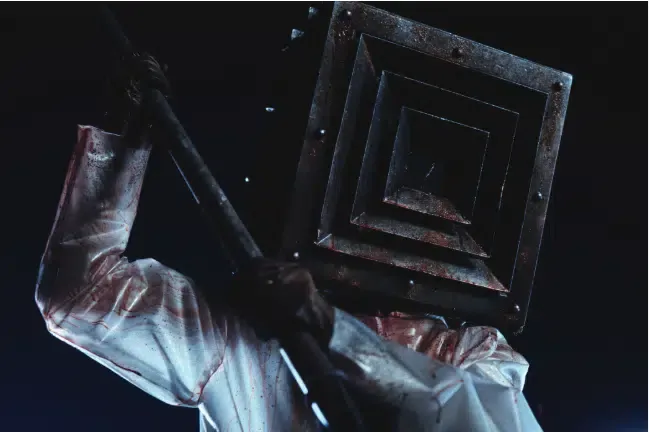
Even the name is a joke with more going on underneath it. La petite mort, the little death, is the French expression associated with orgasm, making it a rather perfect name for the killer in a film obsessed with the relationship between sex and death.
By the end, that joke becomes something much more interesting.
Little Death is both killer and victim, while the boundaries around gender, identity and even who is watching whom become increasingly unstable. The old-fashioned slasher idea of the masked killer hunting sexually active teenagers is turned inside out. Instead of sex leading to punishment, sexual acceptance becomes a form of liberation.
That may be the part of Teenage Sex and Death at Camp Miasma I liked most. For all its self-awareness, references and film-school conversations, it isn't actually cynical about horror movies. It loves them. Oh and the characters in the movie also love sweets and fried chicken - food is very central to the sexual awakening of the lead character.

Schoenbrun understands that you can recognise everything strange, dated or troubling about a genre and still recognise the enormous emotional power it can hold for the people watching it. Sometimes the films we become obsessed with give us a language for things we haven't yet learned how to say ourselves.
So yes, Teenage Sex and Death at Camp Miasma is ridiculous. It is camp, bloody, theatrical, occasionally very silly and aggressively meta.
But somewhere underneath all that fake blood is a surprisingly sincere idea: perhaps the things we are ashamed of don't always need to be defeated.
Sometimes they just need to be understood.





Comments 0
No comments yet.