What Do the Oscars Really Tell Us? My Take on 25 Years of Winners.
General Reviews
· 25 Years, 25 Films: The Oscar Moments That Actually Mattered
"An Oscar Love Letter and Reckoning: 25 Years of Films That Defined Us"
By Esteban Eordogh JR
---
To tackle a challenge like Peliplat’s, we need to go beyond a simple list. We need to dive into the living tissue of these films—talk about their texture, the mark they left on our memory, not just the box office. This isn’t a ranking; it’s a love letter and a reckoning with twenty-five years of cinema that got under our skin. Let’s get into it.
Prologue: The Heartbeat That Doesn’t Fade
I’ve always believed cinema isn’t projected light;it’s the shadow we spectators leave on the seat. It’s the scar. When the lights go down, we’re not facing a screen; we’re facing the most honest and cruel mirror of ourselves. Since we crossed into the new millennium with fear and anticipation, the Oscars have tried to put a name to our collective unease, with glories that have aged well and oversights that now feel like sins. But what does that little gold statue really say about us? Everything. Absolutely everything. Our fears, our dirty wars, our desperate, sometimes pathetic need to be seen.
Understanding this century’s movies means accepting that “Best Picture” is almost never the most flawless one. It’s the one that managed to lodge itself like a splinter at a precise moment in history. What I’m writing here isn’t a list; it’s the autopsy of our time, told in frames. It’s the story of how we went from dreaming of empires to recognizing ourselves in the humble basement of a Korean family.
The Awakening: Sweat, Dust, and Broken Dreams (2000-2003)
We kicked off the century with the smell of blood,sand, and exhausted soldiers in Gladiator. It was a beginning that foretold everything. Ridley Scott didn’t just resurrect a genre; he gave us a hero, Maximus, whose epic quest wasn’t to conquer, but to return home. He was the last gasp of the ancient, noble, and earthly man against the rot of modernity. But that same year, the Academy slapped us with suburban reality in American Beauty. While Maximus died in the arena, Lester Burnham was drowning in the perfect American dream, finding a perverse and liberating beauty in the most trivial things. Sam Mendes taught us that beauty is a lightning bolt—it blinds, burns, and is gone.

And then came 2003. I remember it like it was yesterday. The Lord of the Rings: The Return of the King wasn’t a cinematic victory; it was a collective catharsis. In a world still shaking from 9/11, Peter Jackson reminded us that even the smallest person can face absolute evil. Watching those eleven statuettes hit the stage wasn’t about awarding a trilogy; it was a confession: sometimes, we need fantasy to talk about reality with more truth than any documentary. Those weren’t elves and orcs. They were loyalty, sacrifice, and the stubbornness of hope.

The Anatomy of Silence: When Pain Speaks Softly (2004-2009)
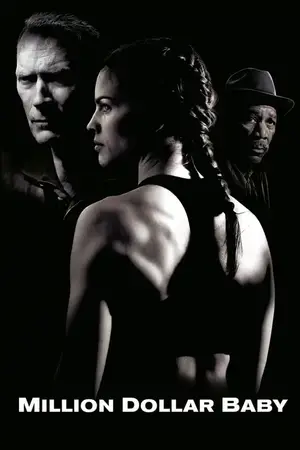
As the years went on,cinema lowered its voice. It became intimate, painfully close. Clint Eastwood arrived with Million Dollar Baby and wrecked me. It’s not a boxing movie; it’s a brutal poem about choice, dignity, and love that hurts more than any punch. Eastwood, with that wise-old-man gaze, forced us to hold our stare in the face of euthanasia without offering easy answers. It was a year of cinema as a clean stab to the gut.

But the real earthquake came in 2007. The Coen Brothers’ No Country for Old Men. My God, that movie. They stripped out the music and left us alone with the whisper of Texas desert wind and the footsteps of Anton Chigurh, the most terrifying angel of death ever created. They broke all the rules: there’s no poetic justice here, no victorious hero. Sheriff Bell gives up. The evil can’t be understood anymore, only acknowledged. It’s pure, naked, nihilist cinema where the silence screams.

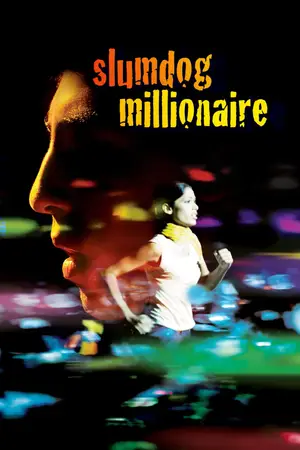
We closed the decade swinging from the vibrant colors and fierce joy of life in Slumdog Millionaire to the soul-splitting tension of The Hurt Locker. Kathryn Bigelow made history with a film that wasn’t about war, but about addiction to it. About the emptiness it leaves and the vertigo it causes. A masterpiece that leaves you breathless, just like its protagonists facing a bomb.


The Shift: Looking at the One We Never See (2010-2017)
Then came the decade of focusing on the margins.Of revisiting history with new eyes. Steve McQueen’s 12 Years a Slave wasn’t a movie to watch; it was an experience to survive. McQueen, with the patience of a torturer, holds the camera fixed on the horror, forcing you to look. He doesn’t let you escape. It’s a necessary, uncomfortable film, a mirror of an original sin that still hurts.

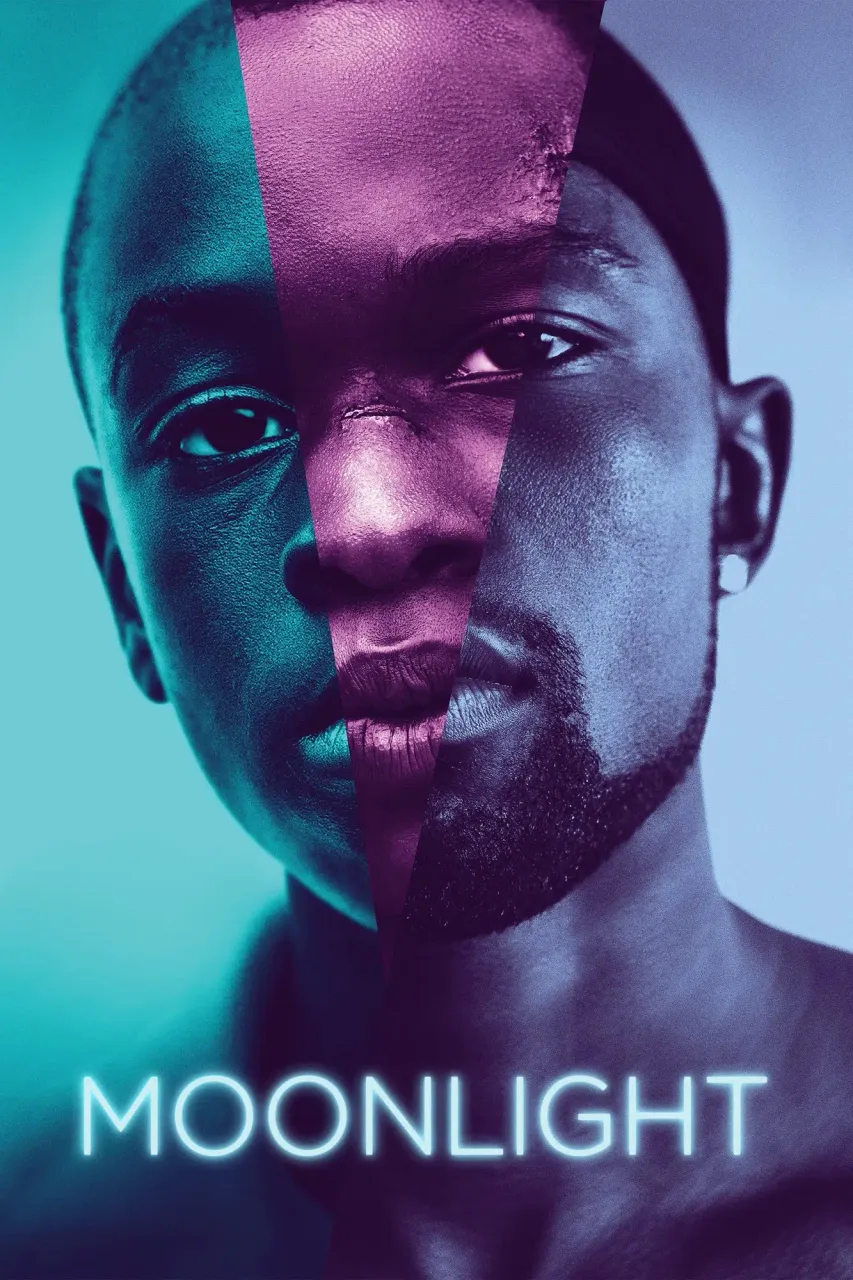
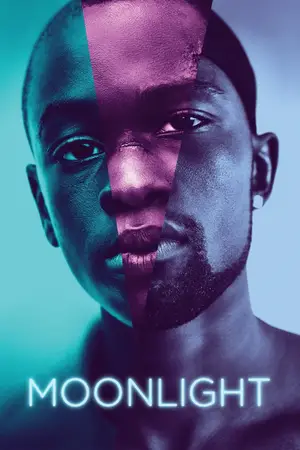
And then, the miracle. Moonlight. The La La Land envelope fiasco was almost an act of cosmic poetic justice: the nostalgic, saccharine fantasy had to forcibly give way to the raw, poetic story of a Black boy finding his place in the world. Moonlight is perhaps the most profoundly human film I’ve ever seen. It’s made of sighs, of glances that weigh more than speeches, of the blue of the night ocean and the touch of a hand in the sand. Barry Jenkins reminded us that true epicness resides in the smallest gestures, in the vulnerability that makes us human.
The Global Miracle: When Korea United Us All (2018-2020)
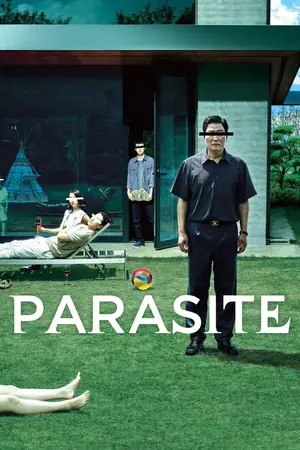
The year everything changed. Bong Joon-ho, a Korean genius, dropped Parasite and the entire planet saw itself in that flooded Seoul basement. Its brilliance isn’t in the plot twist (which is brilliant), but in its universal truth: the class struggle runs through all of us. It’s our modern bloodsport.
Bong mixes comedy, thriller, and tragedy with a mastery that makes you laugh guiltily until that laughter freezes in your throat. That night, the Oscar stopped being Hollywood’s local party and became something global. Parasite screamed at us that we’re all, to a greater or lesser degree, parasites or hosts in this rotten system, and that the smell of poverty is a stain no expensive perfume can wash off.

Fragmentation: From Nomadic Solitude to Multiversal Chaos (2021-2025)


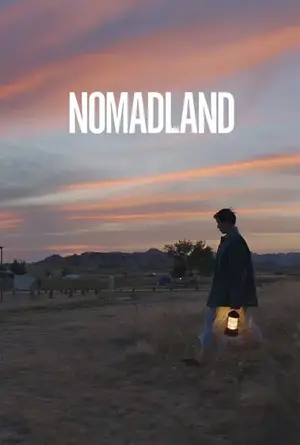
After the pandemic lockdown,cinema sought refuge in absolute introspection with Nomadland, a beautiful and desolate journey through America’s margins. And then, it exploded. Everything Everywhere All at Once was the adrenaline shot we needed. Chaotic, noisy, profoundly weird, and even more profound. It was the perfect portrait of our era: overstimulated, distracted, but with a brutal yearning for connection, for simple love amid the chaos.


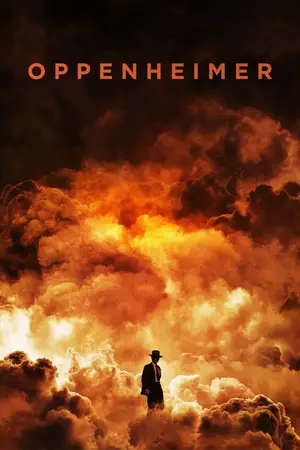
And we arrive at Oppenheimer and Anora. Nolan proved to us that big cinema—the kind with ideas that weigh a ton—is still alive. It’s the biography of a shattered conscience, that of the man who created the sun on earth and couldn’t bear its light. Sean Baker’s Anora is the other extreme: raw, vibrant, independent, and visceral cinema. A reminder that the best stories are often off the radar, on the street, in unfiltered real life that hurts and laughs.
Personal Verdict (With My Heart on My Sleeve)
Picking“the best” is a pointless and wonderful exercise. Art is measured in jolts, not metrics. But if you force me to choose the one that has it all—impeccable craft, social impact, and that quality of an instant classic that transcends the moment… my verdict is clear: Parasite.

Why?
Because it’s a perfect machine.Every scene, every line, every shot is geared to build a modern and timeless fable. It demolished the language barrier without apparent effort. It hasn’t aged a single day. It’s the Greek tragedy of our time: a family climbing a social cliff, knowing the fall is inevitable. It forces us to look at that basement we all carry inside, that part of us capable of anything to climb one more rung. It’s the most ruthless and brilliant mirror 21st-century cinema has given us.
Epilogue: The Campfire That Won’t Go Out
Looking back over these twenty-five years,I see a fascinating journey. We went from seeking heroes with swords to finding them in exhausted mothers, in children escaping poverty, in bomb disposal experts. Cinema stopped being just an escape to become a confrontation.
The “best” film is the one that, when the lights come up, leaves you glued to your seat, with the outside world having shifted a little. The one that walks home with you, that whispers uncomfortable questions in your ear about your life, your prejudices, your humanity.
Twenty-first-century cinema, with all its ups and downs, has been a stubborn witness to our fragility. Despite the noise, the tiny screens, and the algorithm, we’re still those same storytelling creatures who gathered around the fire. The Oscar is just a fleeting spark. The movies are the fire. And we, luckily, are still here, hungry for someone to tell us our own story, once again.
Cinema isn’t dead. It’s constantly being reborn from its own ashes. And it’s a privilege to be here to see it.
---
Note for Peliplat: This trip through 25 years of the Oscars is, at its heart, a celebration of empathy. Each of these films is a bridge into another life, another reality. I hope this text doesn’t just fuel debate, but inspires someone to turn off the lights and get lost in a good story. The journey is always worth it.




Comments 5