Fantastic Mr. Fox: An animated animal comedy drawn in autumn colors
General Reviews
The northern fall is perhaps the most difficult time of year to define in entertainment works. Fall fans (because I know you exist), please forgive me, but I'm not joking when I say this. Just compare it to the other seasons of the year. Want to make a movie about winter? Set it at Christmas or New Year's and you're done. Want to depict summer? Take a trip to the beach and you're done. Want a movie about spring? Show everyone happy and you're done. Joking aside, fall is a time when such a characteristic facade develops and produces so many introspective feelings among people that perhaps the audience cannot find a consensus on a movie that makes them conclude, “This is what fall should look like.”
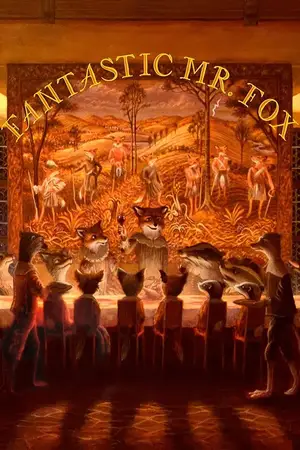
That may have been precisely what Mr. Anderson thought. No, I'm not talking about Neo from The Matrix, but rather Anderson the filmmaker. In this case, however, I'm not referring to Paul Thomas, Paul W. S., or any other Paul, but rather Wes Anderson, our charming adapter of comedies with serious undertones about dysfunctional groups of people. Although in the film adaptation of Roald Dahl's classic novel Fantastic Mr. Fox (2009), the protagonists this time are animals brought to life through stop-motion animation, this being the first film in which Anderson has used this technique, and the result was most picturesque.
Fantastic Mr. Fox is set in a world where anthropomorphized animals live in a forest on the fringes of human society, until a pair of foxes decide to break into a barn to steal food. The film combines its unique exaggerated animation with humor more suited to adult audiences, which explains why it did not receive much attention from families at the box office at the time.
The complicated life of foxes
Beginning as if it were a sitcom proposal, the film starts with a family of foxes enjoying their daily lives in this strange reality where wild animals act like people, even taking on real jobs, and domestic animals continue to behave like their real-world counterparts.
Mr. Fox has a secure job that provides stability for his family and a carefree life, but his inner beast demands that he give in to danger and adrenaline, so he plans to carry out a heist with his best friend at three farms where he plans to steal chickens and cider. The first half hour irreverently handles the feel of a heist movie, with most of the jokes and gags falling to the duo of Mr. Fox and his opossum friend.
The robberies are successful, but this attracts the attention of human businessmen who lead the hunt against the thieving animals, initiating endless pursuits and confrontations that will test the cunning of Mr. Fox and his friends. In the midst of all this, Mr. Fox reflects on everything he represents as head of the family and member of his community.
A very autumnal inspiration
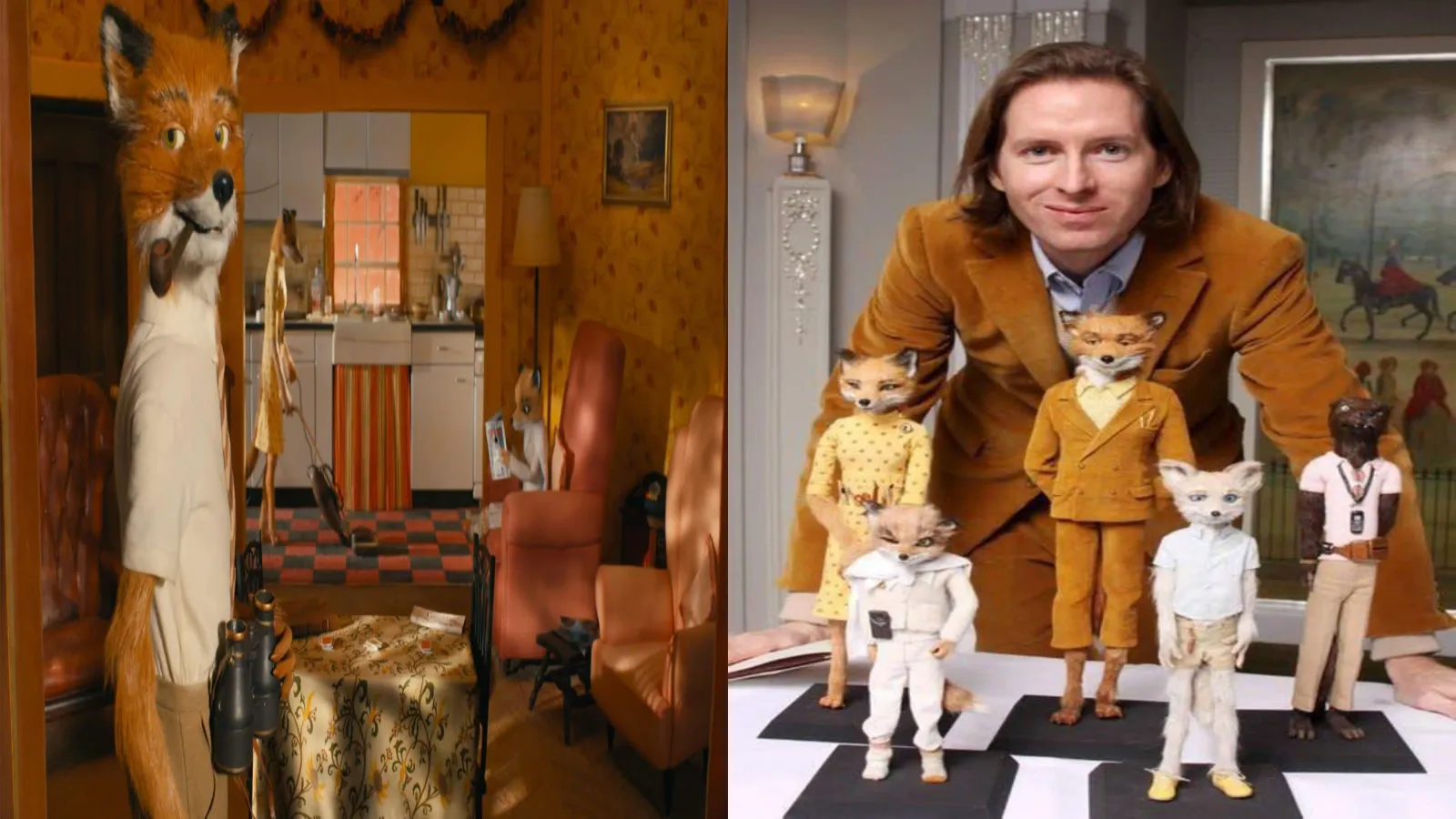
The dominant aesthetic of Fantastic Mr. Fox is autumnal, and I say dominant because most of the film is set in the forest environment of wild animals and the rural setting where the farms are located where the thefts take place, implying that the plot is unfolding during the fall. It´s quite admirable how they´ve been able to adapt the reddish tones so characteristic of the autumn season, giving the scenes a beautiful nuance. Certainly, this is one of the most personalized works ever made in stop-motion films. Well, Wes Anderson is behind this, and his films are often noted for their use of color.
For the type of story Anderson wanted to tell, stop-motion animation was the perfect fit. This film takes advantage of its adult comic tone to showcase physical humor and a slight increase in violence at times, where you can see all the eccentricity of cartoons of this nature. It reminded me of one of the most infamous examples of stop-motion animation (which, incidentally, was the first I saw of its kind), Celebrity Deathmatch, the daring MTV show (back when music still mattered) that reimagined fights between celebrities in a ring, a parody alluding to wrestling shows. Fantastic Mr. Fox does not reach the levels of brutality and crude humor of that show, but it takes that animation and combines it with the physical humor that was common in Looney Tunes, which makes a lot of sense given that animals are the protagonists.
Fantastic Mr. Fox is reminiscent of autumn not only because of its seasonal aesthetic, but also because it takes the opportunity to satirize some of the special occasions that occur during this time of year. When the animals venture into the drainage system, they prepare a large dinner with the stolen food, reminiscent of a Thanksgiving dinner. The ending also parodies the consumerist frenzy of Black Friday, with the animals raiding a human supermarket.
Very human animals
And looking at it from a more introspective point of view, there is a psychological evolution in the characters that serves as a metaphor for autumn as a time of change. When Mr. Fox decides to resume his thieving ways, it seems as if he is trying to return to his own summer, to his time of fun and folly, but throughout the film he comes to realize that he must face the situation with maturity, since his decisions based on a longing for adrenaline and youth have led his family and animal community to suffer the consequences of his crimes. Mr. Fox must stop dreaming about last summer and accept an autumn of difficulties, but one that involves adapting to a better life than persecution.
Something similar could also be attributed to Mr. Fox's son's involvement in the plot. Wes Anderson, being well versed in the subject of dysfunctional families, adds a layer of conflict to the fox cub, showing us someone who has left childhood behind and now experiences the doubts and fears that come with adolescence. The little fox seeks his place in his family and in the animal world, failing to emulate his father, ultimately embracing his differences from others, overcoming his complexes, and earning the trust of his father, who ends up accepting him with his obvious differences.
Fantastic Mr. Fox, in addition to its colorful autumnal appearance, is a parable about inevitable change and the adaptation that it entails, inviting us not to renounce the past but to accept what comes from the bottom of our hearts. Truly one of the most underrated animated films, as well as one of the least appreciated in its director's filmography. Today, it has become one of the most precious works of stop-motion animation, and one of the most representative of the aesthetics of autumn.
Did you like Fantastic Mr. Fox? Leave your answer in the comments.



Comments 1