Y Tu Mamá También: What the Tide Leaves Behind
General Reviews
Every summer has a song, a sweat-sheen, and at least one memory you’re kinda embarrassed to describe out loud. Y Tu Mamá También is all three — bottled, shaken, and sprayed directly into your eyes like SPF 50. It’s the movie I rewatch when Vancouver’s clouds finally unclench, when I need to remember what sun-burnt possibility feels like — and whenever I need my heart shattered and scattered into the sea. Alfonso Cuarón’s 2001 road-trip sex tragédie-comique is the sticky postcard that arrives every July saying, “Wish you were here! Wish you were hotter! Wish you knew Mexico as well as Mexico knows you.”
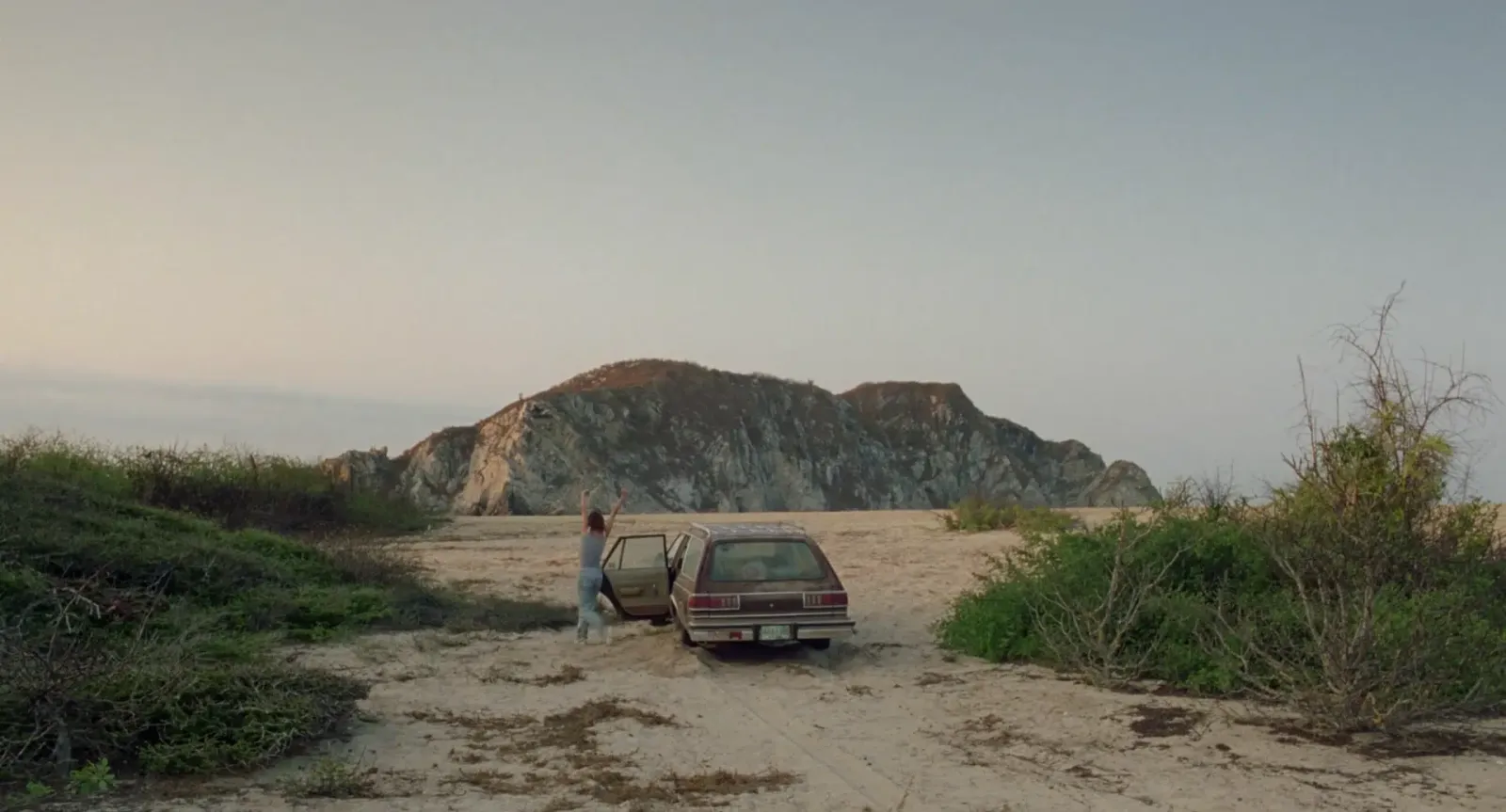
There are summer movies, and then there are movies that actually feel like summer — humid, hormonal, hurdling towards the sun. También is the latter. It’s not curated nostalgia. It’s the in-between moments: half-open windows and midday arguments that shift tone mid-sentence. It’s the stupid dares, the one song on loop, the stretch of road where no one speaks for forty minutes and then suddenly one of you is crying or busting out laughing from something you said three hours ago. It’s about the kind of heat that makes you honest. Honest and mean and vulnerable.

I first stumbled onto this masterwork in film school, forever a fan of Alfonso Cuarón since being scarred as a child by the third act of Harry Potter and the Prisoner of Azkaban back in ‘04. Despite 3 feature films already under his belt by this point, También is Cuarón’s self-proclaimed real debut — “my first film as a conscious filmmaker” — and the leap from Great Expectations to this is lunar. The New York Times put it at #18 of the century; my podium is tougher. También squeezes snugly between my #1 and #3 all-timers — Dazed and Confused and Wet Hot American Summer (both also contenders for this very challenge, but I've written on them already HERE and HERE) — so instead, I'm turning my summer gaze to a permanent silver medal which refuses to tarnish.
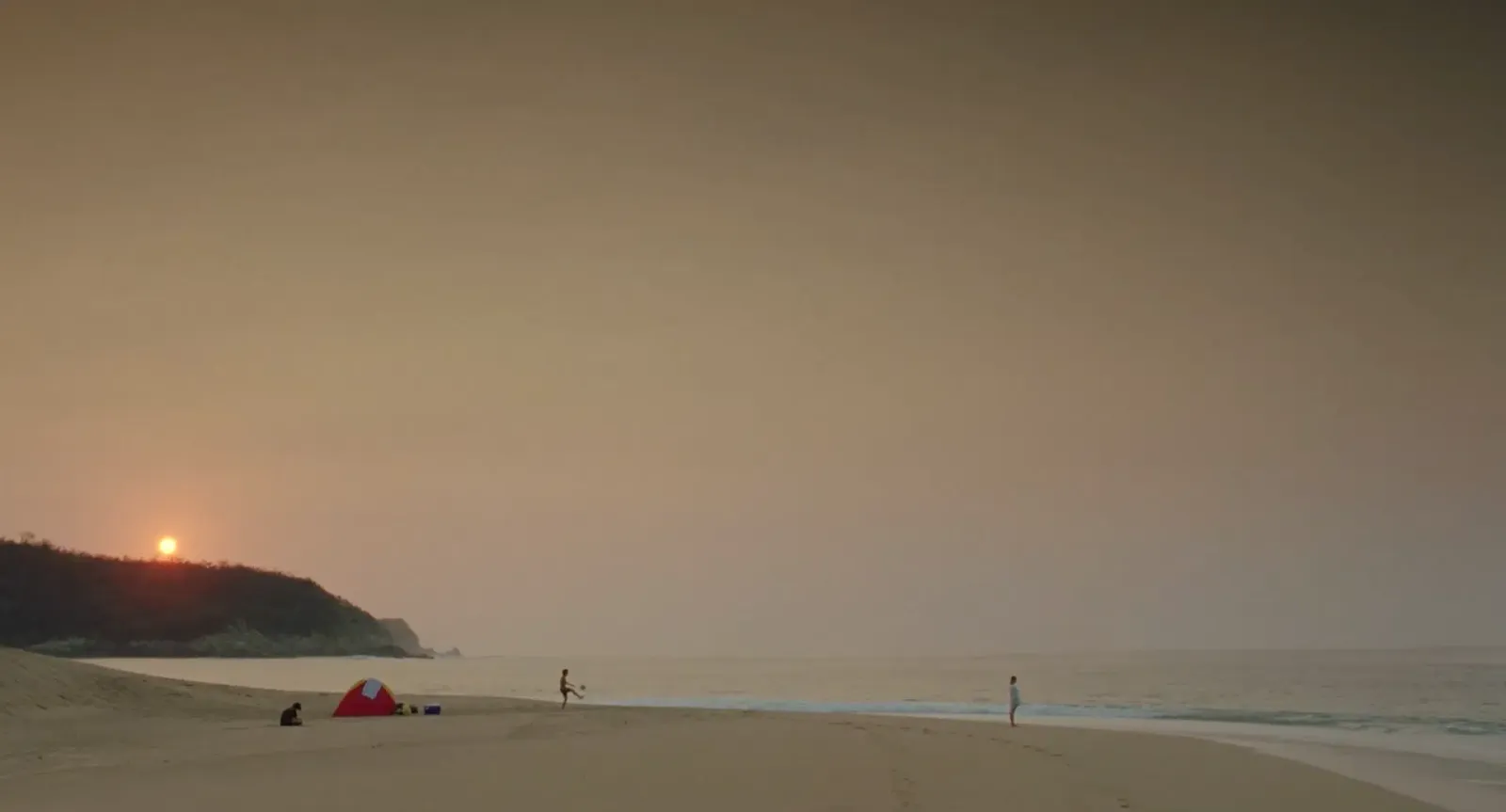
It’s hard to pin down exactly why this movie feels like summer until you realize it doesn’t try to explain itself. It just moves — sweaty, intimate, half-joking and half-unraveling — like two kids trying to outrun adulthood in a borrowed sedan. Shot entirely with handheld cameras by the camera-god himself, Emmanuel Lubezki, it has no interest in polished angles or manufactured golden hours. Instead, the light is merciless. The long takes linger like humid air. Characters don’t pose for meticulously conceived inserts and close-ups; they just exist within the frames, moving in and out of focus, shifting the shot composition at will, in real time. And thank every god in the sky there’s no Hollywood-piss yellow-Mexico filter. Instead, it looks like someone left a Super 8 camera running in the glovebox.

This tactile realism is the reason you can practically taste the plastic seat covers, cigarette smoke, and salty tortillas when the boys recite their “Charolastra Code” into mythos. (Bonus detail: Cuarón’s daughter misheard the chorus to Smash Mouth’s “All Star” on the radio, birthing the name of the film’s bro-code.) These are boys who think they’re legends, too stupid to know they’re still writing their origin story.

But this isn’t just a coming-of-age film with good lighting and a banger soundtrack either. It’s a class critique in denim cutoffs. Julio (Gael García Bernal) and Tenoch (Diego Luna) might share cigarettes and cum jokes, but their lives split along invisible socioeconomic fault lines. Tenoch is the rich-kid son of a politically involved family, vacationing while the adults worry about the future; Julio’s the child of a working-class single mother. Their bromance is real, but it's built on soft sand. They insult each other with increasing bite. They love each other, absolutely, but can’t articulate it through anything but cruelty. Their bond has always been filtered through competition and substitution: whose girlfriend is hotter, whose dick is uglier, whose lies sound more like truth.
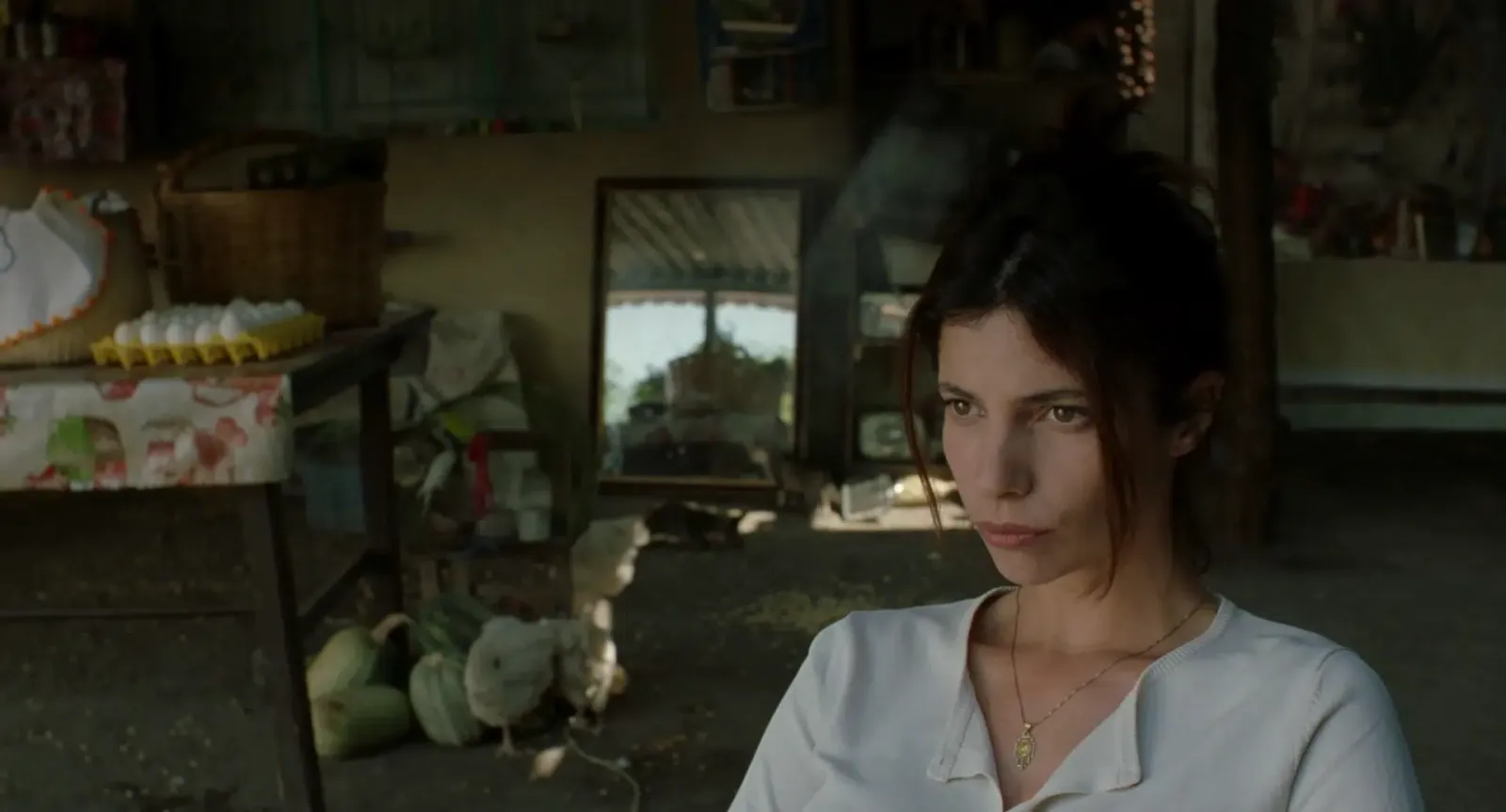
And then there’s Luisa (Maribel Verdú), the Spanish outsider whose presence turns their world from hazy posturing to devastating truth. She arrives like an emissary from another genre — older, enigmatic, soaked in mystery — but she never becomes a cliché. Her decisions carry weight. She’s not a fantasy; she’s a reckoning. In her hands, sex becomes less about conquest than confrontation. Her gaze makes the boys squirm, then splinter. She isn’t simply there to shake up their dynamic — she’s the ghost of future consequence made flesh.

Their impromptu road trip through rural Mexico is all beaches and beers on the surface, but the all-knowing velvety-voiced narrator (Daniel Giménez Cacho) — who pops in like a pirate-radio station host mid-song — reminds us what the boys ignore: the pig farms they pass are displacing families, the towns they speed through have stories the camera doesn’t stop for. Mexico is beautiful and brutal and overlooked by its own children. The omniscient voiceover, calm and emotionally detached, serves as both counterweight and conscience. It kills momentum at the perfect moments — robbing scenes of their romantic inertia and reminding us that privilege is mostly a function of not having to look back.

There’s a scene early on where Julio and Tenoch corner Luisa on the stairs. The camera creeps in, slowly, as if afraid to break the spell. Then there’s that one long, unbroken highway shot where Tenoch and Julio rattle off the Charolastra Code in unison like they’re reciting scripture. It’s exposition, technically, but it plays like myth-making. An afternoon beach soccer match turns into a sunset pig stampede. And one of the funniest shots in the movie has Julio pulling away from Tenoch at a gas station just as he reaches for the door handle, continuously leaving him running after the car in a huff through the rear window. These aren’t just road trip antics — they’re growing pains framed like sacred rites.

Let’s not pretend this movie isn’t horny. It is. It’s basically cutting diamonds through its t-shirt, pitching a tent in its shorts, and sweating through every article of clothing on its body. But unlike its American teen-comedy cousins, the horniness here has weight. Sex is a language, a weapon, a salve, a smoke signal. Cuarón never films sex for cheap thrills. He films the way desire changes people, and how it exposes the lies they tell each other and themselves. Where American films chase the punchline or the climax, También lingers in the uncomfortable pause that follows.

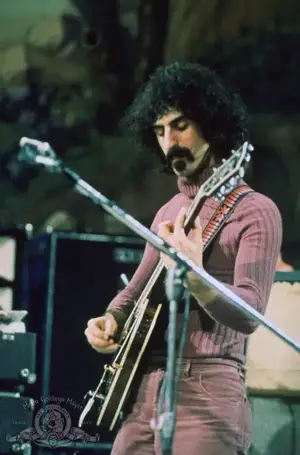
And then there’s the soundtrack. Every summer needs one, and this film’s playlist hits like a hard spanking to a sunburnt ass. Alt-rock, Mexican banda, Frank Zappa’s “Watermelon in Easter Hay” wafting in like someone accidentally cued existential dread. But the crown jewel — the scene burned into my skull like a tan line — is the cabana dance.

Luisa plays “Si No Te Hubieras Ido” on the jukebox and the boys hover, wasted and wordless, as she dances alone — locking eyes with the audience through the lens as she dances towards us in a mesmerizingly long, slow, reverse tracking shot. She’s not just pulling Tenoch and Julio in, she’s casting a spell on the viewer as well. It’s tender and volatile and hot in the way real moments are. There’s a slow dissolve between them, between friendship and longing and something they’ll never fully name.

Cuarón spike-strips the rhythm with those audio cutouts. The surf dulls. Dialogue blanks. The narrator drops in and out with facts about a car accident, what becomes of a fisherman and his family years after the events of the film, or how many student protestors were arrested last year. He snatches your attention like someone switching the dial mid-song. The first time it happens, you'll think your stereo glitched. You laugh, then flinch, then wipe a tear from your eye. How many summers are built on ignored tragedies and things left unsaid? How many idyllic memories are mounted on unacknowledged pain?
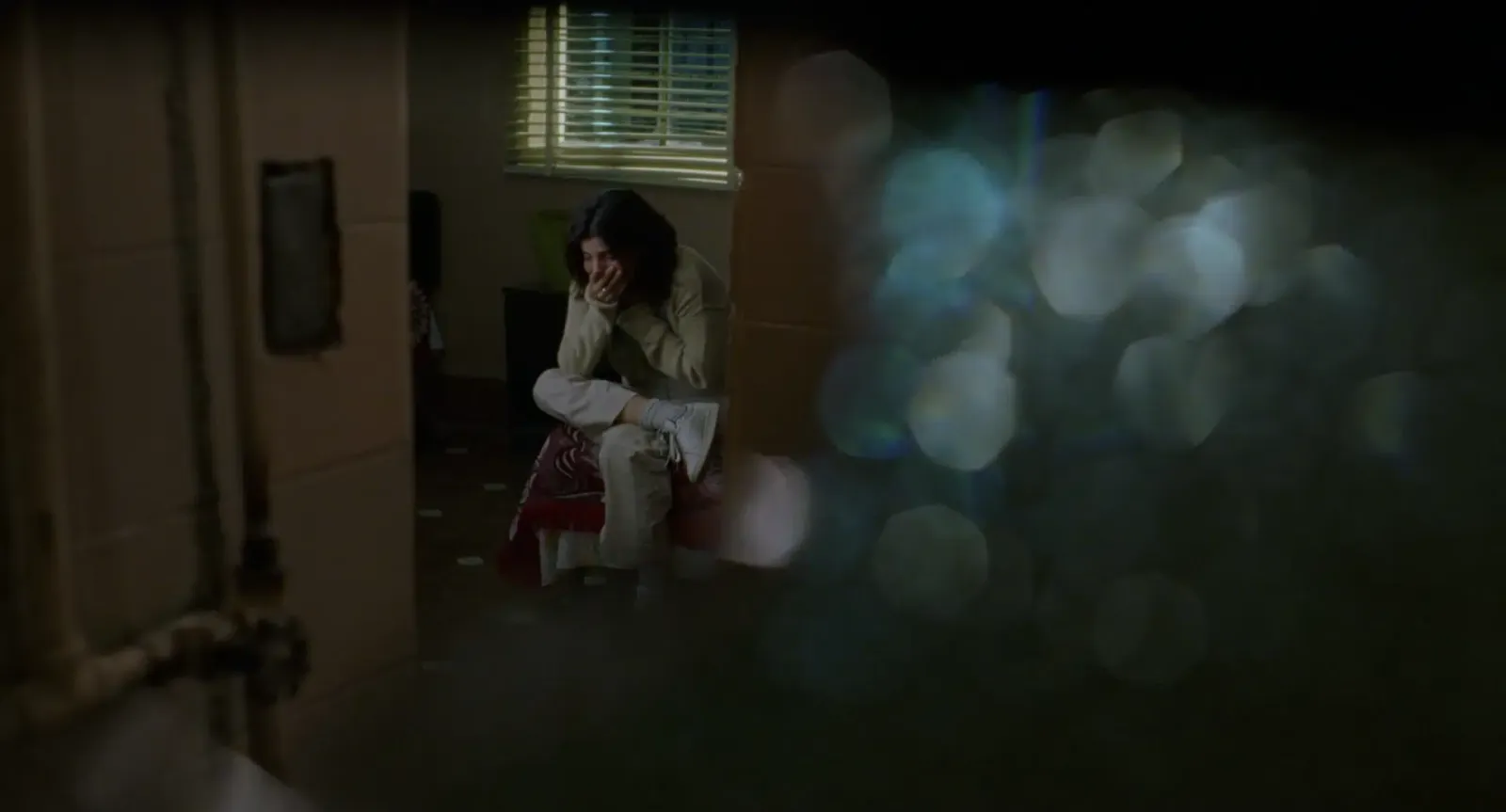
The whole thing was done handheld. Au naturel. The script was part-outline, part-improv. Gael García Bernal and Diego Luna’s real-life friendship bleeds onto the screen (they’d both starred in telenovelas and were already teen icons in Mexico). Bernal personally lobbied to have Luna cast despite Cuarón’s reservations, and thank the beach gods he listened.
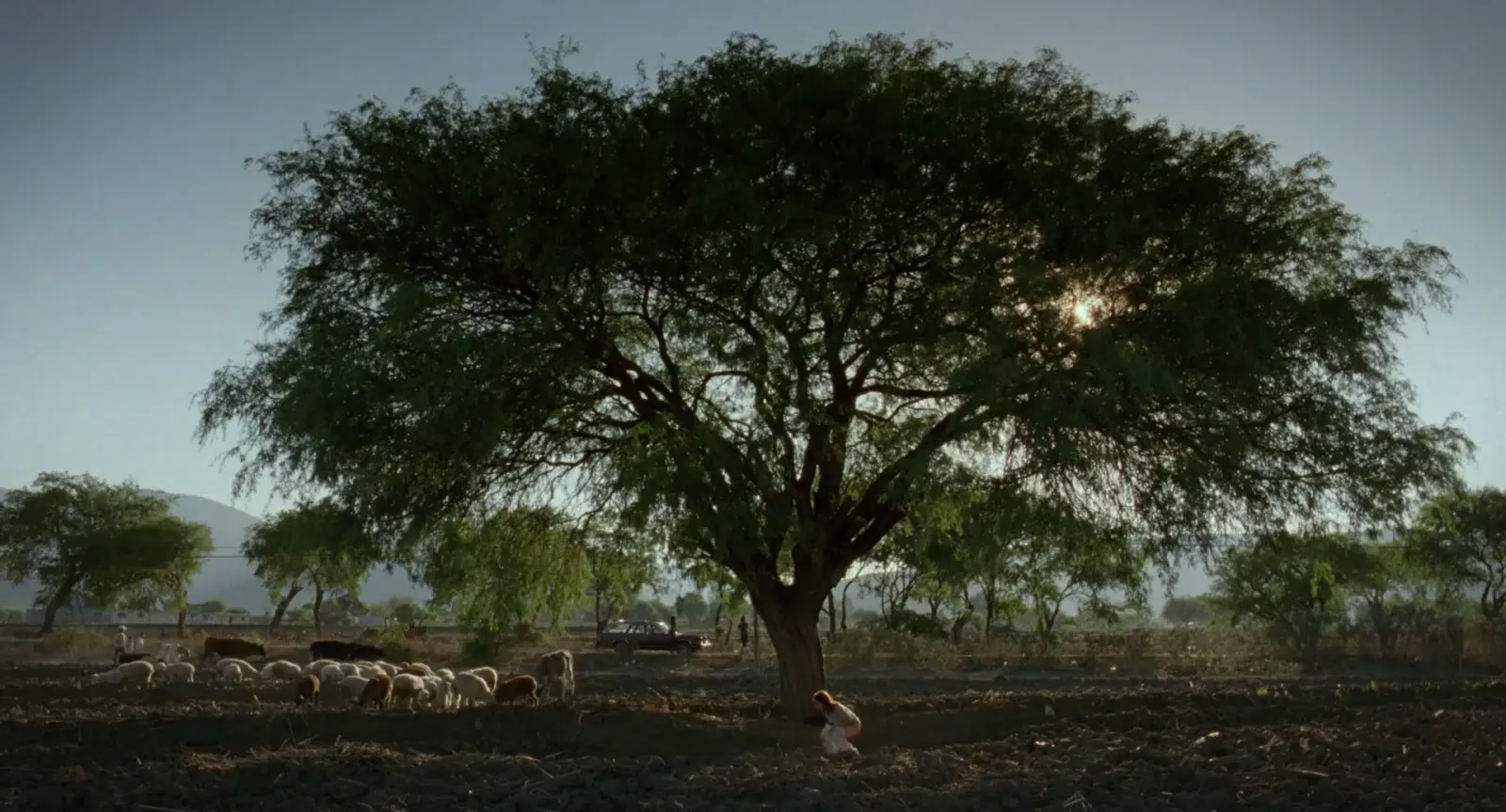
The American release went unrated because the MPAA couldn’t handle honesty, prompting Roger Ebert to pen a full-throated defense of the film’s humanity and artistic merit in defiance of prudish censorship. It remains one of the rare films that manages to be political and intimate without ever sounding like a lecture. It gets under your skin without pushing an agenda. It just tells the truth.

And no, I’m not going to talk about the final café scene, or what comes of Luisa and the boys. You’ll know when you get there. That epilogue is the part that hurts — the real hangover after the endless July. It’s the moment the summer ends and nobody’s brave enough to say it out loud. Instead, the narrator just tells you something mundane, and the screen fades to black. I watch that moment through my own reflection in the TV, wondering why I feel like I lost three months of my life in under two hours.

Because that’s the thing: Y Tu Mamá También is summer. Not the curated Instagram-grid kind with all the best bits and none of the worst. It's the kind with sunburns and mosquito bites and heat sickness that makes it impossible to lie. The kind where you say too much, want too hard, break something fragile just to see if it’ll come back. And it never does. You think you’re chasing a beach, but really you’re just watching the tide roll out and realizing how little you understand about the people you swore you’d never leave behind.

Summer ends. The waves go quiet. And sometimes, the person who meant everything in July is a stranger by September.

So yeah. Put it on. Crank “La Sirenita.” Let Zappa’s guitar cry like gulls at dusk. Drive somewhere you’ve never heard of, or maybe doesn’t even exist. Pack too many condoms, too few apologies, and one well-watched Criterion Blu-ray of Y Tu Mamá También. Because when the heatwave breaks and heartbreak sneaks in with the breeze, you’ll need proof that summer was ever that wild, that warm, that alive.

Trust me. Now pass the aloe.

Mentioned in this piece
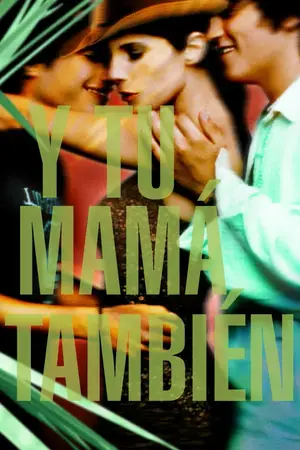 Y tu mamá también2001
 Harry Potter and the Prisoner of Azkaban2004
 Great Expectations1998
 A Little Princess1995
 Love in the Time of Hysteria1991
 Children of Men2006
 Roma2018
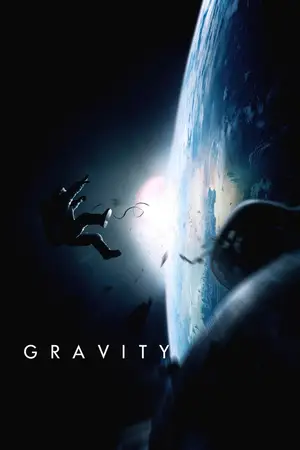 Gravity2013
 Disclaimer2024
 The Revenant2015
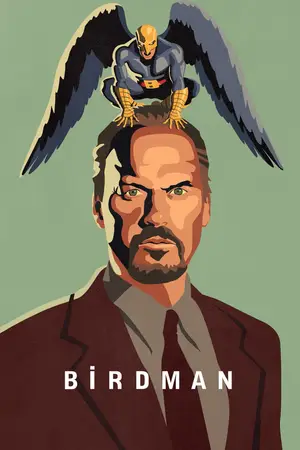 Birdman or (The Unexpected Virtue of Ignorance)2014
 Andor2022
 Babel2006
 Dazed and Confused1993
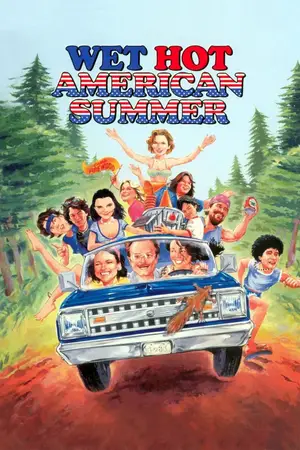 Wet Hot American Summer2001
 Alfonso Cuarón
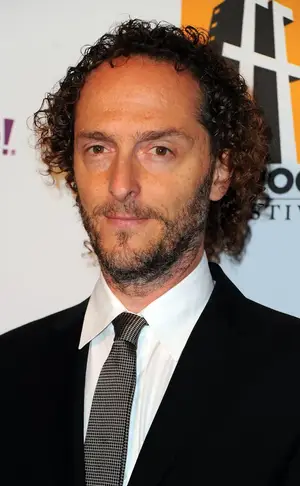 Emmanuel Lubezki
 Diego Luna
 Gael García Bernal
 Maribel Verdú
 Daniel Giménez Cacho
 Alejandro González Iñárritu
 Frank Zappa
 Carlos Cuarón
 Smash Mouth
 Guillermo del Toro
 Roger Ebert

Comments 10