'The Wedding Banquet' Review: A Joyful, Complicated Toast to Love, Family, and Millennial Mess
General Reviews

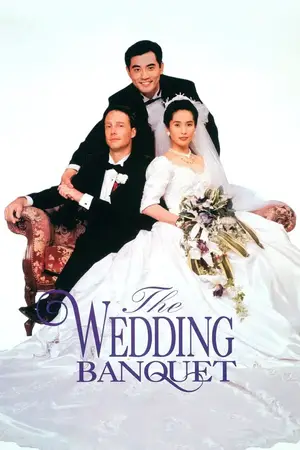
In 1993, The Wedding Banquet marked a quiet revolution in cinema. Directed by the then-rising Ang Lee, the film’s protagonist, a Taiwanese immigrant in New York, attempts to keep his sexuality hidden from his traditional parents by marrying a woman who needs a green card. Tackling themes of queerness, immigration, family, and cultural identity, this romantic comedy offers an empathetic portrayal of the cultural and generational pressures many immigrants and queer people face. It’s a film that changed perceptions and paved the way for more LGBTQ+ representation in cinema.

Now, more than 30 years later, director Andrew Ahn brings a new vision of The Wedding Banquet to life. This remake doesn’t simply retell Lee’s story; it expands it, deepening the themes, widening the scope, and centering the modern, multifaceted Asian American queer experience. It’s also a film for younger millennials and older Gen Z, capturing the scramble to make sense of the world while staying tethered to the people and traditions that raised you. Much like its predecessor, this remake captures all its themes with humour and tenderness, filled with heartwarming, painfully real, and unexpectedly profound moments.
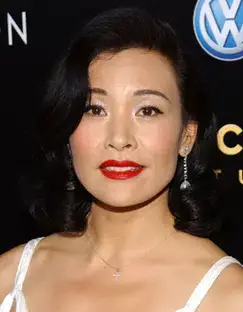
The film opens with a glittering gala hosted by an API LGBTQ+ organization, where May Chen (Joan Chen) receives an award for her allyship. She beams with maternal pride, declaring in her acceptance speech that she has supported her daughter Angela (Kelly Marie Tran) from the moment she came out. But cut to Angela, and her face tells the audience a different story. Tran’s performance here is a bit of visual storytelling that sets the tone for a film that centers around the performative nature of people; who they say they are and who they really are aren’t always aligned.
Angela and her partner Lee (Lily Gladstone) are trying to have a baby through IVF. It’s not going well, and the stress is beginning to show, especially when May Chen seems more impressed with the sperm donor’s Yale degree and cardiology career than with her daughter having a child. It’s one of the many moments that showcase how immigrant parents often measure worth in achievements, prestige, and appearances. Meanwhile, we shift to Min (Han Gi-Chan), an art student whose student visa is set to expire. He’s in a loving relationship with Chris (Bowen Yang), a sketch artist currently on a break from grad school. They live in the guest house of Lee and Angela’s inherited home, forming a queer, chaotic, and incredibly endearing found family of four.
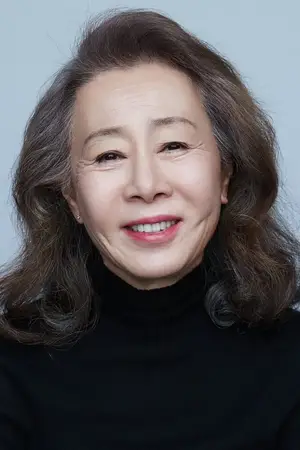
When Min’s grandmother, played with a charming steeliness by Youn Yuh-jung, says that she’ll force his return to Korea if he doesn’t take over the family business, his world is upended. Despite years of rejecting that role, Min is expected to honour his family’s legacy, uphold tradition, and abandon his own dreams. It’s a familiar pressure in many Asian households, where expectations and responsibility often outweigh individual aspirations. The film is unflinching in how it explores the emotional toll of being the “hope” of a family, especially when you never asked to be.

Min wants to stay in the U.S. with Chris, of course, so he proposes. But this proposal, meant as a sincere declaration of love, is misread as a plea for a green card. In a moment of intense emotion, more complications come to light. If Min comes out to his grandparents, he will be cut off. Chris doesn’t want to be responsible for that disownment, even if what Min truly cares about is a future with Chris. Each couple in the film is going through some complicated, emotional stuff. And despite the immense love they have for each other, the world around them seems to be caving in and asking them to compromise too much, whether that’s love and family or money and the future.
Trying to think of another solution, Min and Lee scheme on the side and hatch a wild plan: Min and Angela will get married instead. Pretending to be straight will help Min get the money Lee and Angela need for a third round of IVF, while also getting a green card to stay with Chris. “You’re joking, right?” Angela asks, and rightly so. It seems like the craziest plan ever, but also the only plan where everyone wins – or so it seems.
The film seamlessly threads multiple storylines without losing emotional clarity. Angela and Lee’s relationship is just as compelling as Min and Chris’s. As Lee reels from the failure of IVF, Angela wrestles with her own fears of failing as a mother by becoming one like her own, who preaches acceptance but couldn’t show it when it mattered. There’s a heartbreaking honesty in the way Angela seems to carry a bit of relief when the IVF fails. She’s not sure she wants to be a mother, not because she doesn’t love Lee, but because she doesn’t trust herself not to cause the same harm she experienced.
Angela and Chris, best friends since college, often commiserate over how lost they feel – two queer millennials with big hearts and bigger insecurities. They laugh about being screwups, but it’s the kind of laughter that carries a weight. The film captures that “millennial fog” perfectly – the sense of moving day to day without a clear path, constantly feeling like you’re falling short of both your dreams and the expectations of everyone around you.

Of course, no film like The Wedding Banquet would be complete without an actual wedding banquet. When Min’s grandmother catches wind of the engagement, she arrives from Korea with plans for a traditional Korean wedding. What follows is a series of situationally absurd, emotionally rich scenes in which everyone is forced to perform – literally and metaphorically. Angela pretends to be in love with Min. Min plays the dutiful grandson. Chris and Lee try to hold their tongue for the sake of Min’s future. But underneath all the pretending is a yearning for something real – for acceptance and love from those they feel they could never receive. The wedding carries a deep poignancy, especially when you remember how often queer people have had to perform to survive; how often they’ve been asked to stay in the closet to “make it easier” for their families. Here, those performances are turned into a kind of rebellion. They’re taking control of the narrative, even if it means staging a lie.
By the film’s end, nearly every relationship is cracked open and examined, whether in small, tender moments or more powerful emotional ones. The most rewarding to see grow are those of Min and his grandmother, and Angela and her mother. Each character has been carrying words that they have always meant to say but have just been simmering beneath the surface. Each relationship may not be miraculously healed, but they feel incredibly real, and that’s what this film does best. It doesn’t tie things up neatly, because life rarely does.

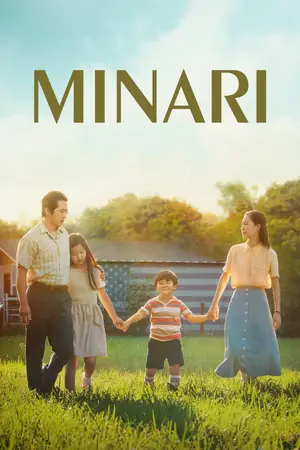
The cast is uniformly excellent. Han Gi-chan and Bowen Yang bring incredible depth to Min and Chris, especially in their quietest moments. Lily Gladstone is a grounding force as Lee, and Kelly Marie Tran’s Angela has an affecting controlled vulnerability. Joan Chen plays May with the perfect balance of charm and discomforting performativity. And if you’ve seen Youn Yuh-jung’s performance in Minari, you know the magic she brings to the ensemble.
Ahn’s The Wedding Banquet is not just a remake; it’s a reinvention. It captures the same spirit of the original, but it updates it for a generation that’s even more tangled in expectations and uncertainty. It’s a film that makes space for so many different elements, like found family, identity, and intergenerational complexities, and somehow still finds a way to be funny, hopeful, and deeply touching.
The Wedding Banquet is a film for anyone who has ever felt torn between who they are and who they’re expected to be. And maybe most importantly, it reminds us that love, whether romantic, familial, or chosen, requires not just acceptance but forgiveness.






Comments 5