Alex Scharfman: Satirizing the Elite Trough Unicorn Mythology
Sociocultural
Death of a Unicorn delivers an ironic wit wrapped in glitter, a bizarre yet oddly familiar recipe. - Get ready to shit Rainbows!🌈🦄
The film follows a father/daughter duo, played by Paul Rudd and Jenna Ortega , as they stumble upon a unicorn: The Incident that takes them into a world of horror and absurdity. Packed with satire, social commentary and nods to classical films, this A24 Horror-Comedy give us a lot to examine.
Stay with me as I break down its influences and uncover the hidden winks that made this film a twisted must-watch ride.
SATIRE COMEDY ON POINT
At its core, the film thrives on dramatization. It takes familiar motifs and symbolism; Corporate greed, Pharmaceutical Conspiracies, and Despotism. Some of the satire might feel a little too on the nose, but that’s also part of its charm. Director Alex Scharfman embraces the A24 aesthetic while simultaneously riffing on Hollywood formulas and it is all its ambition that made Death of a Unicorn feel like it’s following a pre set template.
The inspiration is clear: Spielbergian adventure and ‘80s horror homage,s… but at times, the film struggles to break free from the very formulas it homages. That said, even if you can predict where it’s going, the journey is wildly entertaining.

Director’s Insight: Satirical Mythology
Director Alex Scharfman approach to Death of a Unicorn is unorthodox. During his research on unicorn mythology he delved deep into the mythos, uncovering not only fantastical narratives but also exploring social structures that resonated with contemporary topics.
…"It’s very much about commodifying nature and social hierarchy that allows one person to say, “Go do this for me and bring it back here so I can own something,” which I think is fundamentally about class and satire. I thought the story was kind of naturally asking for that." Alex Scharfman (Director)
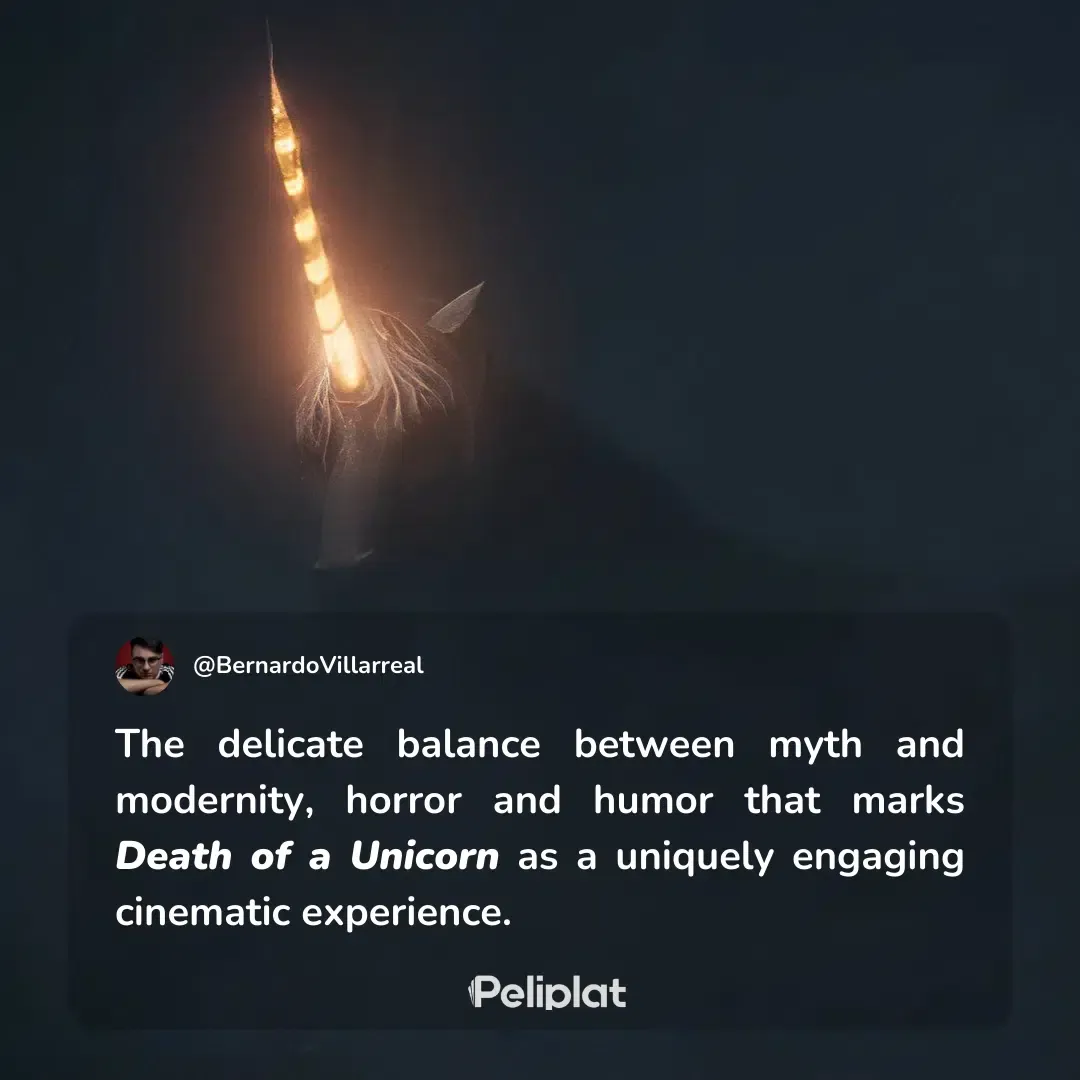
The delicate balance between myth and modernity, horror and humor that marks Death of a Unicorn as a uniquely engaging cinematic experience. While the CGI may not always hit the mark, the use of practical effects, especially in scenes involving the unicorn and its bizarre transformations, reinforces a tangible sense of fear.
Meet the Leopolds: The Real-World Echoes
In Death of a Unicorn, director Alex Scharfman takes a sardonic jab at post-modernist capitalism through the lens of dark comedy. At the heart of this commentary is the formidable Leopold family, a power-hungry dynasty of pharmaceutical leaders that mocks the real-life Sackler family. The film doesn’t shy when it comes to exposing the absurdities of power and the intricate web of reputation laundering that sustains it, as Elliot declares early on in the film opening:
“Philanthropy is just reputation laundering for the oligarchy"
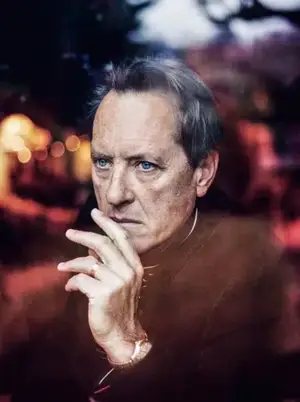
This statement encapsulates the film’s critical view of materialism and the way wealth is used to re-enforce systemic corruption. The Leopolds, led by the Pharmaceutical CEO Odell played by Richard E. Grant are emblematic of this abuse of power. His cold, calculated approach is complemented by the equally sinister presence of his wife Belinda , played by Téa Leoni and their son Shep, played by Will Poulter, whose stunts like smoking, drinking, and even snorting unicorn horn inject both humor and horror into their portrayal.
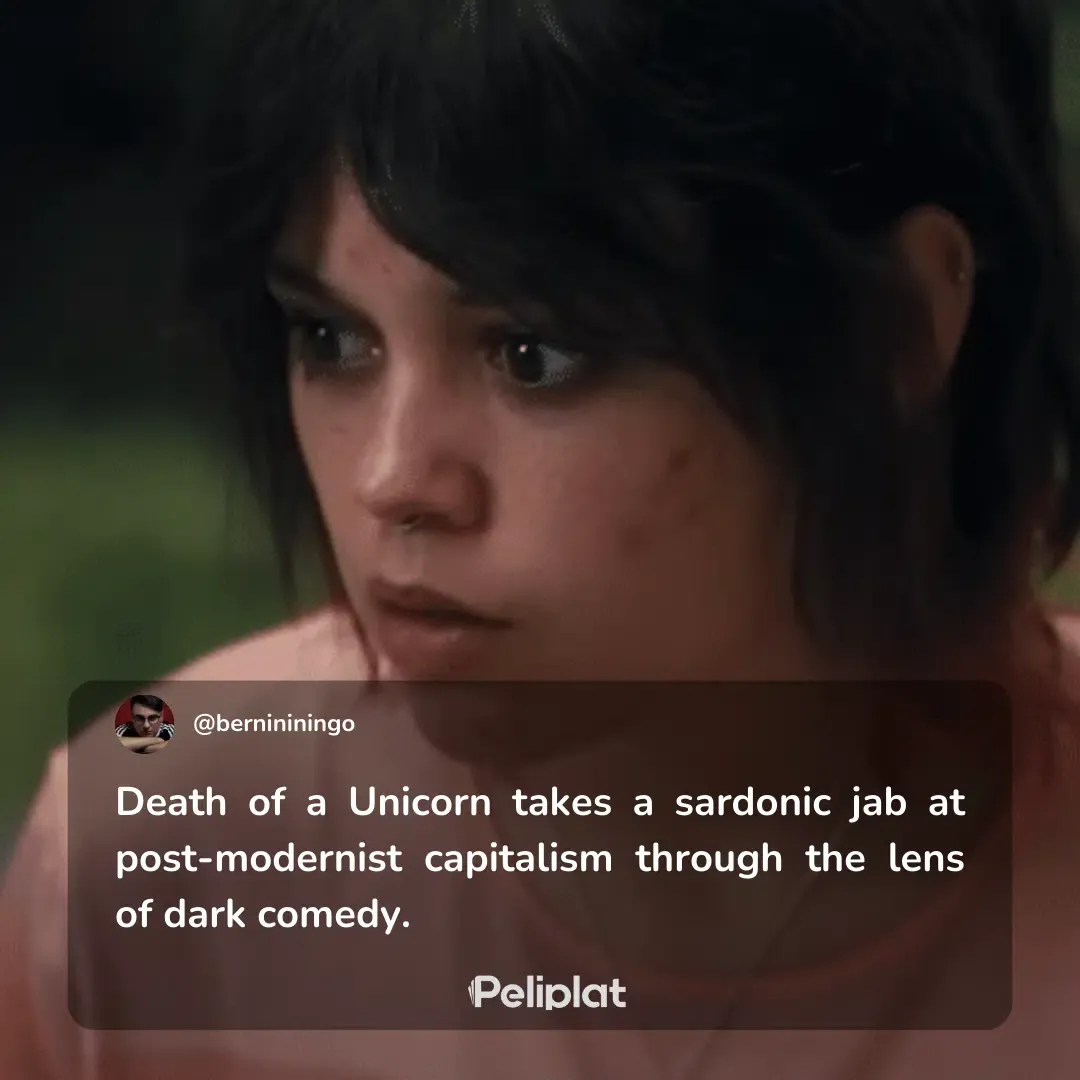
The parallels with the Sackler family are unmistakable.. The Sacklers, known for their ownership of Purdue Pharma and their involvement in the OxyContin opioid crisis, have become a symbol of corporate wrongdoing. By representing such contemporary references, Sharfman not only crafts a biting critique of modern capitalism but also invites the audience to question the moral basis of todays economic system.
“However, I do think that there’s something intentionally unsubtle about the movie that I think is because we live in unsubtle times. And maybe that’s what we do at this moment is, you know, we live in an era when the world’s wealthiest man has an office in the White House; it’s very much like it’s all on the surface. Now I feel like things used to be a lot more veiled and there were certain degrees of decorum or norms that have since been kind of chucked out the window. It felt appropriate to me to make something that was direct and hopefully cathartic, and I certainly thought about the unicorns having a sense of violent restorative justice, which feels appropriate for the moment we live in. ”- Alex Scharfman (Director)

Easter Eggs and Homages
Alex Sharfman’s Death of a Unicorn is a labyrinth of nods and references, a film where every frame is packed with hidden homages to the classic horror and thriller films that inspired him. For the devoted cinephile, this chapter is an invitation to explore these subtle winks…
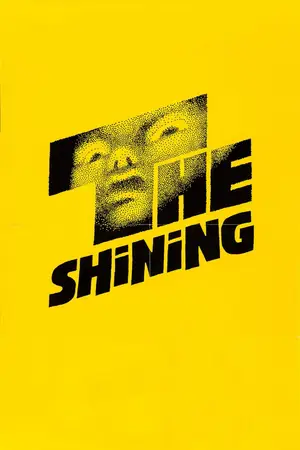
• The Shining – Directed by Stanley Kubrick, 1980
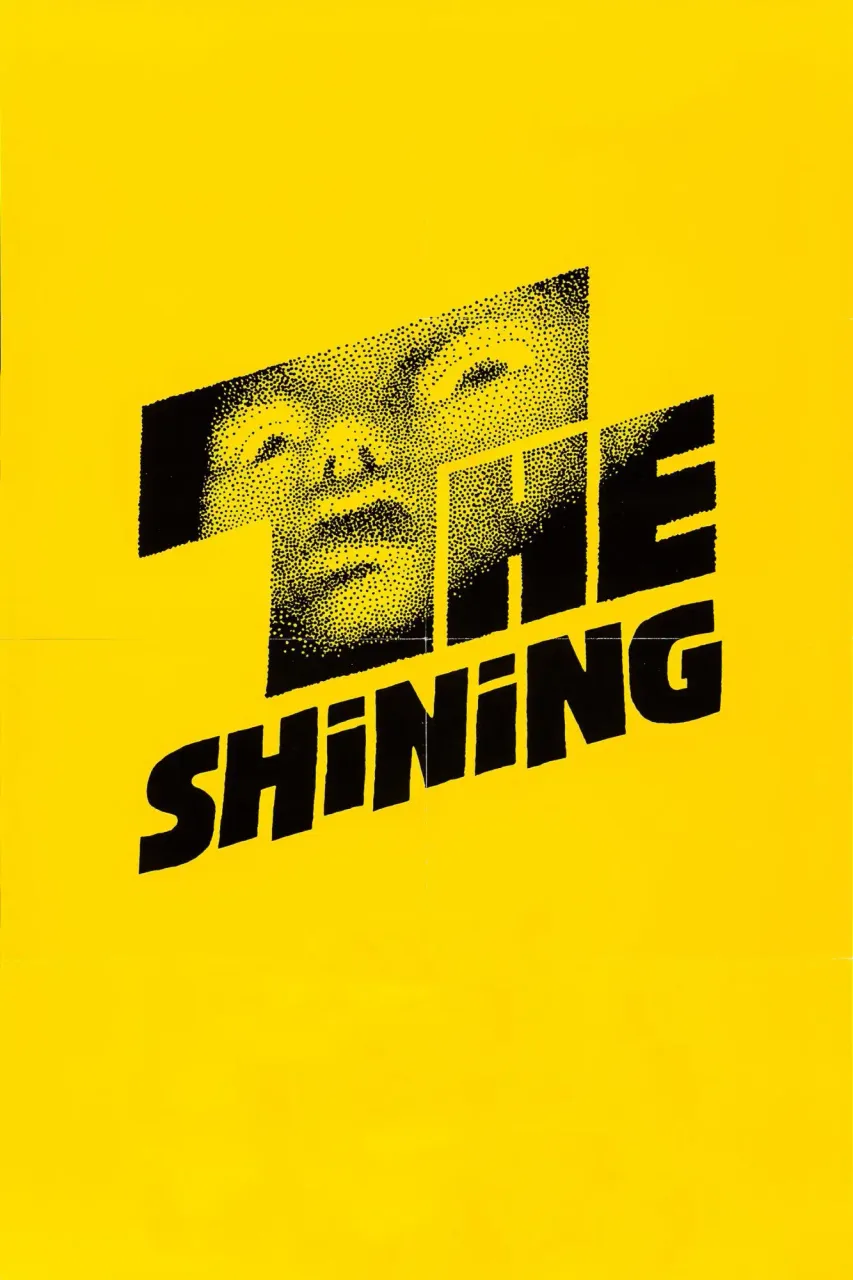
Right from the opening sequence, where Elliot and Riley drive through what appears to be the endless Canadian Rockies, Sharfman echoes the desolate highways of The Shining (Stanley Kubrick, 1980). The barren, almost hypnotic drive toward isolation recalls the eerie journey towards the Overlook Hotel, setting the stage for the impending descent into madness.

Similarly, the Leopold family mansion, ensconced in a secluded reserve, mirrors the foreboding presence of the Overlook Hotel, both structures serve as premonition of the hidden horror within. Let me know. Is this a mere coincidence or a deliberate wink to Kubrick’s masterpiece?

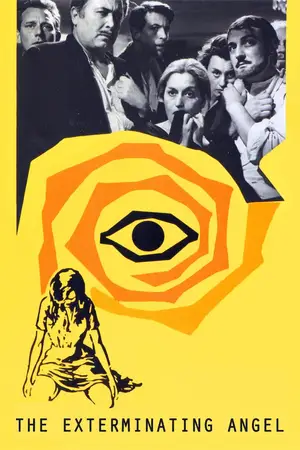
• The Exterminating Angel – Directed by Juan Luis Buñuel, 1962

Another fascinating homage appears in the form of the dinner scene with the Leopold family. Drawing inspiration from The Exterminating Angel (Luis Buñuel, 1962), where a group of wealthy guests finds themselves trapped in a luxurious setting, the film uses the dinner table as a microcosm of power dynamics.

• Gosford Park – Directed by Robert Altman, 2001

The interplay between the masters and their servants is another recurring motif. In a clear nod to Gosford Park (Robert Altman, 2001), Sharfman recreates an atmosphere of tension and hierarchy within the Leopold household. The cold detachment and dismissive attitudes towards the maids mirror Altman’s exploration of class and subjugation. A brave moment when a maid dares to speak out, only to be swiftly silenced, serves as a poignant commentary on the rigid power structures that persist in todays world.

• Jurassic Park – Directed by Steven Spielberg 1993

Perhaps the most thrilling set of easter eggs come from the Jurassicverse. The film’s sequences bear striking resemblances to Jurassic Park (Steven Spielberg, 1993) and The Lost World: Jurassic Park (Steven Spielberg, 1997).
Let´s start with the ominous entrance to the Leopold mansion, a door that evokes a sense of awe and danger as visitors enter a world gone wild, looks familiar? …

A particularly memorable moment is when Shep, the young son, finds himself hiding in the kitchen from the unicorns… an homage to that horrific suspense of hiding from velociraptors.

Even the unicorn’s design, with its pointed nails reminiscent of dinosaur claws, reinforces this connection, merging the primal fear of prehistoric predators with a mythological twist.

One memorable moment features Radley hiding in a car with a flashlight, a direct nod to those tension-building scenes in Jurassic Park where characters take refuge inside vehicles.

Another reference comes from the scene where a scientist working for the Leopold family extracts samples from the unicorn and stores them in containers reminiscent of those in Jurassic Park. This moment echoes the frantic, high-stakes cryogenic extraction in Spielberg’s classic, where the beauty of discovery is spoil by the imminent threat of chaos.

• Jaws – Directed by Steven Spielberg 1975
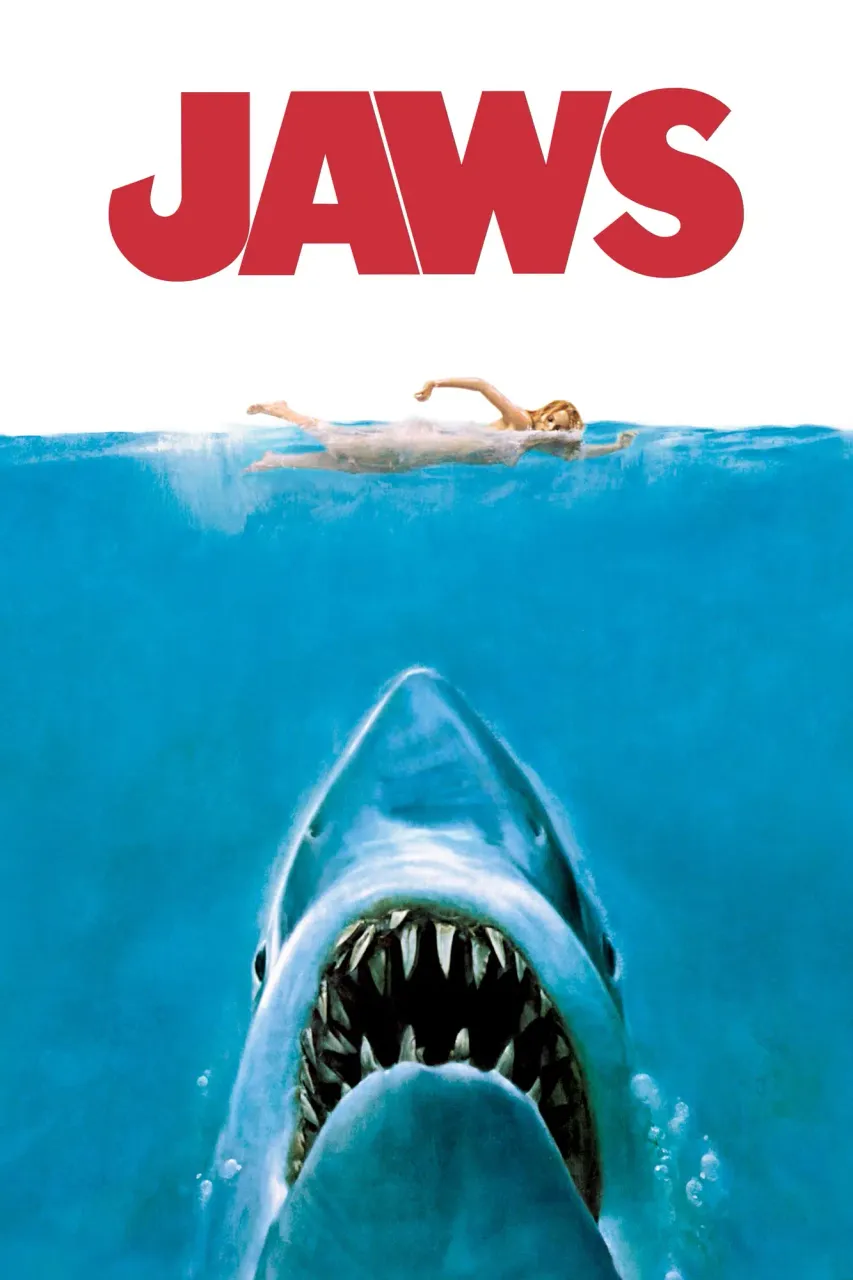
The film doesn’t stop at dinosaurs. Sharfman also borrows from Jaws in a scene where the team attempts to neutralize the creature by targeting an oxygen tank, an inventive twist on the iconic moment where a scuba diver’s tank is used to defeat a shark. This unexpected reference reinforces the film’s playful yet dark commentary on the lengths people will go to eliminate monstrous forces.

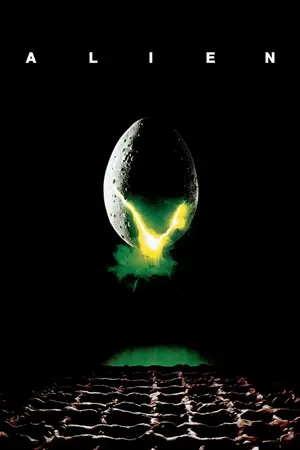
• Alien – Directed by Ridley Scott , 1979

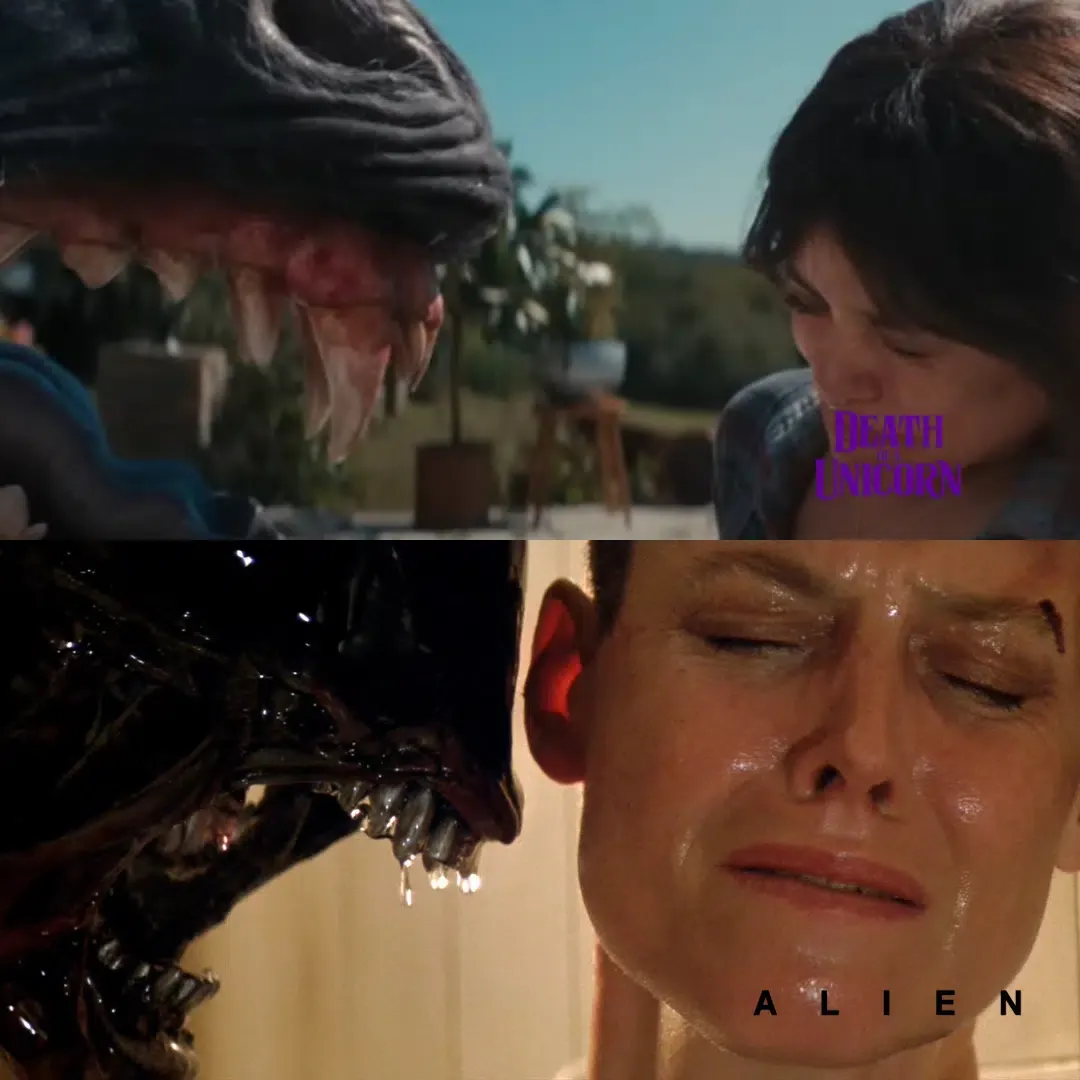
The most powerful visual homage: a shot that unmistakably echoes Ridley Scott’s Alien.
In a heart-stopping moment, Elliot is left frozen on the ground as the unicorn looms, its grotesque mouth with massive teeth and large tongue mere inches from her face. This shot is a direct parallel to the iconic scene in Alien, where the terror of an unseen monster is brought face to face.
Final Thoughts:
As mention before, Death of a Unicorn is twisted but it is funny! #must-watch.
⭐ ⭐ ⭐ ⭐ Rating: 8/10 ⭐ ⭐ ⭐ ⭐
Thank you so much to everyone who’s been following along. If you enjoy these detailed shot-by-shot analyses, let me know. I love diving deep into these cinematic puzzles, even if it takes a bit of extra research.
So, tell me—did I miss any references? Did you spot something I didn’t? Drop your thoughts, 🌈🦄🎬🍿






Comments 8