Saltburn's Eat The Rich Commentary Only Leaves You Hungry
General Reviews
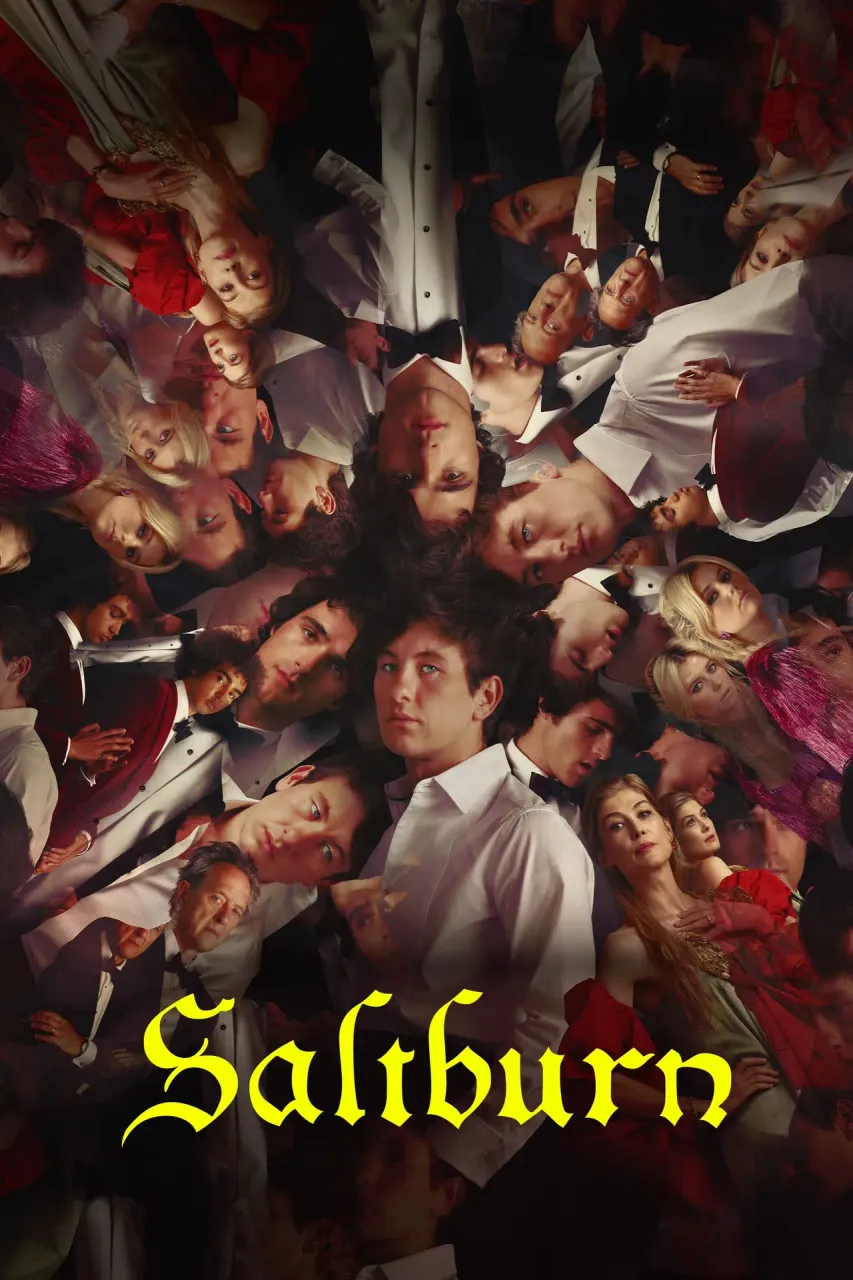
No, it's not because of the bathtub scene, the period scene or hell even the grave scene, which I can say actually elevated the film for me. Emerald Fennell's Saltburn aspires to be a sharp and biting critique of the upper echelons of society, but it ultimately comes across as more of a tantrum than a thoughtful analysis. Instead of delivering a coherent commentary on the rich and powerful, the film stumbles through a muddled collection of half-formed ideas, glaring plot holes, and characters who engage in repetitive dialogue about topics that feel unnecessary. Rather than being a meaningful exploration of class or privilege, it teeters on the brink of an angry rant.
At the center of this chaotic narrative is Oliver, a character who fails to evolve into a compelling study of social awkwardness or complexity; instead, he remains perpetually one-dimensional. Fennell tries to flesh him out, aiming to give him depth by forcing a narrative that his timid selfless personality was transformed by the introduction of wealth and exploration of male friendships on a deeper level, but her efforts fall flat. His social awkwardness, intended as a defining trait, feels forced and implausible, rendering him more laughable than relatable. Rather than offering us a character we can empathize with, we are left watching someone difficult to believe in. With repetitive and constant inconsistencies or character, narrative and thematic structure I couldn't empathize or even provide an ounce of care for any of the characters we were supposed to root for.
Oliver’s supposed growth throughout the film is so illogical that it raises questions about whether the script ever had a clear direction for him. The plot presents its own set of headaches. Throughout the film, we are teased with characters and situations that seem promising, only to see them abandoned without resolution. It feels as if Fennell had a handful of intriguing ideas but was easily distracted, leaving those concepts undeveloped. The potential for significant character revelations falls short, as each promising moment is followed by a retreat into vagueness. When the film finally attempts to deliver something substantial in the final act, it lands with a lacklustre shrug rather than a satisfying twist.

While Saltburn aims to present a sophisticated critique of the British upper class, it ultimately feels superficial. Themes of privilege and moral decay have been explored far more effectively in other films that masterfully balance satire with insight. In contrast, Saltburn flounders with half-hearted attempts at edginess, failing to fully commit to its presented ideas. Fennell's use of what she likely considers provocative visuals, honestly beautifully captured thanks to Linus Sandgren’s cinematography, serves only as window dressing. These stunning images distract from the story's lack of depth, creating an illusion of complexity where none exists. The visual appeal acts as a smokescreen, misleading the audience into thinking they are witnessing a profound exploration of class dynamics, while in reality, they are enduring an over-stylized, surface-level narrative.
The pacing further complicates the experience. Saltburn drags through each minute of its runtime, offering a painstakingly predictable trajectory that still manages to surprise with its sluggishness. By the time the film reaches its intended climax, the payoff is minimal, and the meandering plot leaves viewers fatigued and eager for closure. Even the alleged "twist" at the end feels like a desperate attempt to justify the film’s existence, and it fails to enhance the preceding narrative; instead, it layers on additional frustration.

For anyone seeking a film that genuinely confronts the excesses of the ultra-wealthy or offers a sharp critique of class and privilege, Saltburn disappoints on multiple levels. It presents a parade of dull characters, pretentious dialogue, and an unsatisfying plot, all wrapped in a visually appealing package. However, the aesthetic allure belies a lack of substance. The film hides behind its glamorous cinematography, masquerading as something profound, but in truth, it results in a shallow exercise that prioritizes style over substance.
In the end, Saltburn aspires to be clever and edgy, yet it ultimately proves more tiresome than engaging, keeping the edgy part a cringy mess. It offers no fresh insights, no memorable characters, and no meaningful critique of the world it seeks to critique. The film conflates style with substance and pretension with intelligence, leaving audiences wondering why they invested their time. If you’re searching for a film that truly explores the complexities of class, wealth, or human nature, you would do well to look elsewhere. Saltburn was meant to be a divine, gargantuan feast that only left me starving.







Comments 6