Why We Love a Good Scare- The Psychology Behind Loving the Fear of Horror Films: Part One
Sociocultural
If we sense incoming danger, like a strange noise in the house or an unsettling stranger staring at us, our instinct is to run. We don’t want to relive events that could put our lives at risk. So, why do we seek out the fear of horror films when we avoid real-life horror? Being in a controlled environment, like a movie theater or our own living room, allows us to experience fear safely.

Fear as a Survival Mechanism
When faced with a physical threat, our bodies go through changes to prepare us to fight or flee—almost like a natural set of superhero powers that kick in to protect us. Our heart races to pump blood to the muscles, pupils dilate for sharper vision, our hearing becomes more acute, and we become extra sensitive to touch. Non-essential systems, like digestion, slow down, which is why we feel “butterflies” in tense moments.
We inherited this response from our ancestors, who faced threats from wild beasts and feared the unknown, like a full moon. But our ancestors didn’t let fear paralyze them. They developed rituals and wore protective amulets to ward off perceived threats, as the evil eye.
Some might think fear is a weakness, and that only the brave survive danger. In reality, early humans who felt fear upon seeing a snake or hearing a strange sound in the bushes were better able to protect themselves. This survival instinct was passed down through generations. We need fear to live cautiously; otherwise, people might walk too close to cliffs or wander into perilous situations.
Today, our stressors are more likely to involve social rejection, job pressure, and personal challenges. However, we often invite fear in as a way to take control of it. The adrenaline rush from thrilling activities, like watching a horror film, can be exhilarating. Watching these movies in a controlled environment allows us to experience a “test” version of our fight-or-flight response. It’s satisfying to confront and overcome fear, almost as if we’ve tapped into the same strength our ancestors relied on to escape danger.

Role of Adrenaline
I know you’re here for the psychology of horror, but understanding the science of fear is important too.
When we sense a threat, the first part of the brain to react is the amygdala, our internal alarm system dedicated to processing emotions. We can detect danger in a fraction of a second before fully registering it. The amygdala sends an emergency signal to the hypothalamus, the brain’s command center, which puts the body on high alert to either face the danger or escape quickly.
The hypothalamus activates the sympathetic nervous system, which signals the adrenal glands on top of the kidneys to release adrenaline into the bloodstream. This prepares the body for immediate action.
Why do we seek adrenaline if it puts us in a state of panic? Because adrenaline is often accompanied by feel-good endorphins, creating a natural high. That’s why thrill-seekers climb mountains or skyscrapers—they crave the rush of facing and conquering danger. The brain rewards us for surviving, even when we’re not actually in peril. As we grow accustomed to the thrill, we seek out even stronger stimuli to achieve the same rush. No wonder I’ve become immune to horror films over the years.

Are You Having an Emotional Catharsis?
Catharsis is an emotional release that helps us process and overcome complex emotions like fear, sadness, and stress. It’s like going for a run to clear your head—by the end, you feel more focused and at peace.
During a horror film, all your personal worries become centered on the fictional danger in front of you. When the credits roll, you feel a sense of relief, knowing everything is back to normal compared to the life-or-death struggle on screen.
An emotional catharsis in a horror film is also a great way to explore your own reactions to fear. Maybe you’re numb, shaky, or gripping someone’s arm in terror. Watching fictional characters face these dangers can also help you empathize with them. Whether they scream and run or confront their fear, their actions can mirror and validate your own responses.

Exploration of Taboo Subjects
When you think about it, we’re lucky compared to horror movie characters fighting for their lives. We’re watching them from the comfort of our homes or a theater. Horror films give us a chance to explore taboo subjects we wouldn’t usually discuss openly.
Death, for example, isn’t a common topic among friends or family, but horror movies allow us to engage with it in a fictional and controlled way. Movies like The Sixth Sense and The Others explore the concept of death not being final—unfinished business can keep souls tethered to Earth.
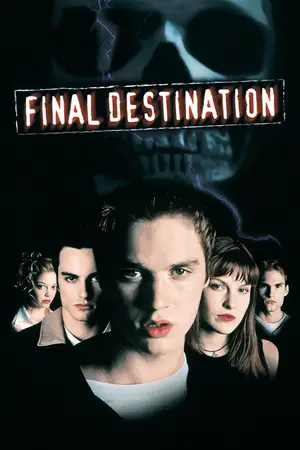
Other films, like Halloween, Nightmare on Elm Street, and Final Destination, play on the fear of death’s inevitability. Through these movies, viewers confront their own mortality and are reminded of life’s fragility.
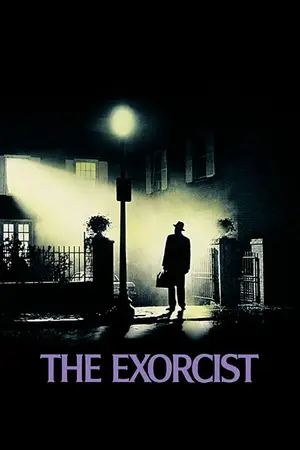
Subjects like ghosts, demons, and curses are also typically avoided because they challenge scientific and religious beliefs. But horror movies let us explore these unsettling topics from a safe distance. For instance, The Exorcist is based on a purported true story of demonic possession, piquing our curiosity about the unknown. Horror films can rekindle our thrill for fear, letting us delve into mysteries without leaving our comfort zones.
For more on why we love a good scare, follow me—I’ll continue this series.




Comments 0
No comments yet.