'Hereditary': A Film I'll Never Want to Watch Again!
General Reviews
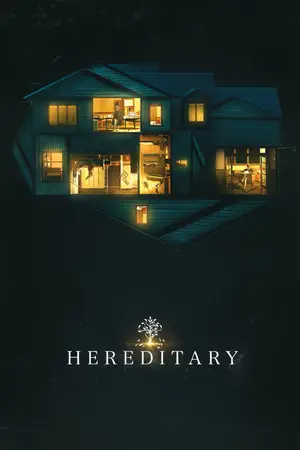
Without a doubt, Ari Aster 's "Hereditary" is the scariest movie I've ever seen.

While classic horror films like "The Conjuring," "Ringu," and "Psycho" create tension and some jump scares, none have truly frightened me. But with "Hereditary," there were moments that sent chills down my spine even in the middle of a summer day. It wasn't just during the film that I found myself jumping off the couch; the lingering impact was strong. For a long time after, I'd recall those terrifying scenes while working, before sleeping, or even while walking.
Today, I want to discuss five unsettling moments from the film and explore why they affected me so deeply, along with the techniques Aster used to achieve this.
Miniature Models
One of the eeriest aspects of the film is how Annie, the protagonist, recreates scenes of death using miniature models.
Annie is a miniature model artist, which seems like a normal setting. However, her choice to recreate painful events is unsettling; no ordinary person would want to relive their suffering.
For example, she recreates her mother's funeral and snippets of her own life in miniature form. Her calm and objective portrayal of family life feels almost supernatural, as if she has tapped into some invisible control. Every action she takes appears to be manipulated by a higher power.

Aster uses slow motion and incredibly detailed visuals to present these miniature scenes clearly. When I saw how lifelike those models were, I felt a sense of dread linked to fate. The immaculate precision of these models created an extreme sense of distance and control, as if the characters' destinies were trapped on a predetermined path with no escape.
If recreating the funeral of Annie's mother wasn't strange enough, the depiction of her daughter's decapitation truly made me question her state of mind, as her daughter's death is shockingly brutal.
Decapitation
Annie's daughter, Charlie, dies in the first half of the film when her head is severed by a telephone pole.
This moment isn't just a visual shock; Aster avoids the traditional "scary" methods—there are no sudden sound effects or rapid cuts. Instead, he employs a supremely calm narrative style that gradually leads the audience into this brutal reality.
Specifically, instead of presenting the gory images of the aftermath of Charlie's accident, the camera focuses on her older brother, Peter. He remains silent, as opposed to the typical reaction of screaming. Through the look in his eyes, I saw his reluctance to confront reality. He drives home with Charlie's headless body in the back seat, acting as if nothing is wrong, and retreats to his room after returning home. It's not until the next morning that he hears Annie's scream upon discovering Charlie's body.
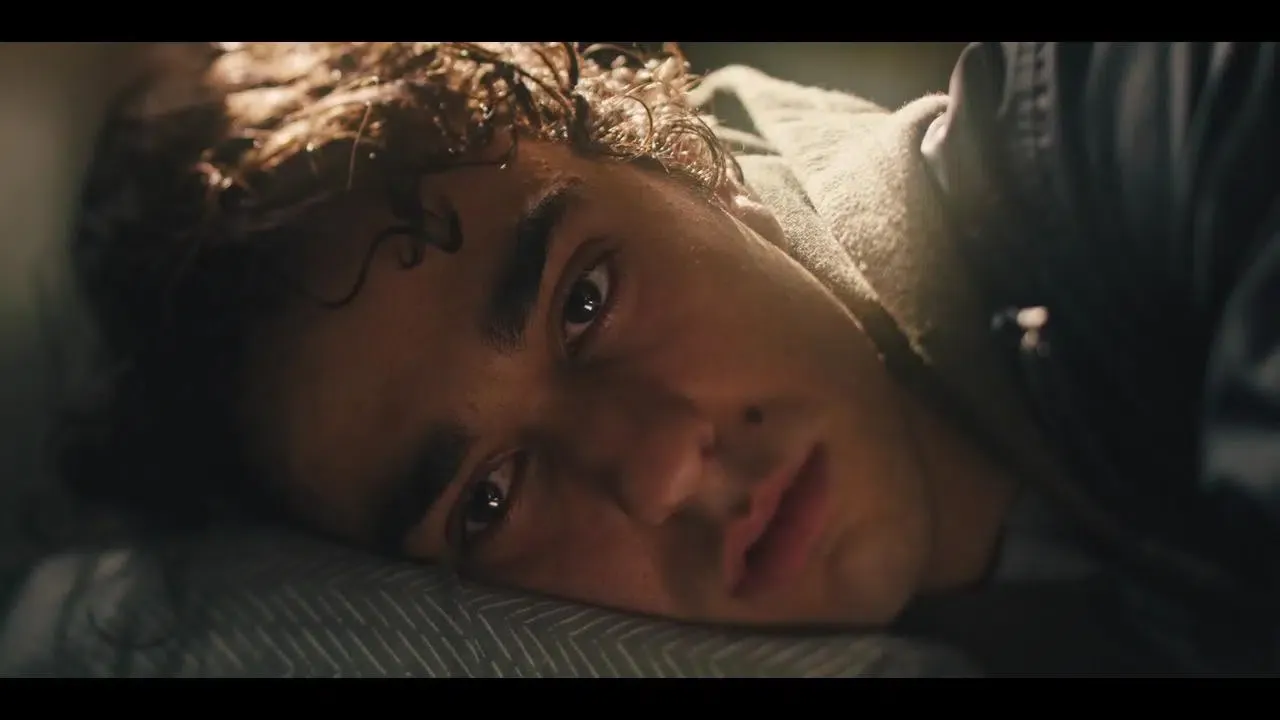
I find this portrayal of death truly terrifying, a sophisticated kind of horror that extends the final moments of a person's life - which could be quickly concluded - into an unbearably agonizing eternity. It pulled me into Peter's perspective, where I felt the intense torment of having made a grave mistake without knowing the consequences.
Female Ghost in the Wall
The third scene I want to highlight occurs when Annie becomes a ghost, yet Peter remains unaware of it.
This visual horror doesn't rely on special effects but rather showcases a remarkable filmmaking technique. Not only does Peter fail to notice Annie, but I, as the audience, had to closely observe to see her silhouette quietly standing against the wall, seamlessly blending into the shadows and darkness. This "invisible fear" creates immense discomfort, suggesting that terror isn't always presented through direct threats but lurks in every corner of everyday life.

This scene challenges the audience's attention, and when you finally realize the presence of Annie's silhouette, the fear of being suddenly noticed is more potent than any abrupt appearance of a ghost. I sensed something was wrong, but I couldn't fathom what Annie intended to do to her son or if Peter would ever recognize that his mother had turned into a ghost.
I felt a strong anxiety about what'd happen next, which I believe is the true source of fear in "Hereditary."
The True Fear: The Unknown
Beneath these cinematic techniques lies a psychological game, which illustrates Aster's masterful grasp of the concept of "the unknown."
In other words, the film doesn't instill fear in me by presenting visible threats but by awakening me to the fact that something is off, while leaving me utterly unable to predict how and when this unease will manifest. The movie continually builds a sense of tension, providing clues and hinting at danger without offering clear answers. This uncertainty makes the horror feel more authentic and inescapable.
In many horror films, you usually have an idea of when danger will strike, with familiar tropes like monsters lurking in shadows or sudden noises. However, "Hereditary" largely abandons these traditional scare tactics. Instead, it makes you feel like an invisible blade is hanging over you—you know it could drop at any moment, but you have no idea when. This intangible threat kept me on edge, making even seemingly normal family scenes deeply unsettling.
The miniature model scenes, Charlie's body, and the ghost hidden in the wall are all indicators of horror, not direct threats. These hints created a profound sense of panic within me, because I expected something to happen, but I couldn't predict how it'd unfold. This unpredictability and uncontrollability of the future kept me teetering on the edge of fear, and when the true moment of horror arrived, it often took me by surprise.


Comments 0
No comments yet.