Best TV Show of 2024 So Far - Why Is It Overlooked?
General Reviews
One of the most perplexing things in Hollywood this year is the cold reception that The Sympathizer, a seven-episode limited series produced, written, and partly directed by Park Chan-wook, has received.
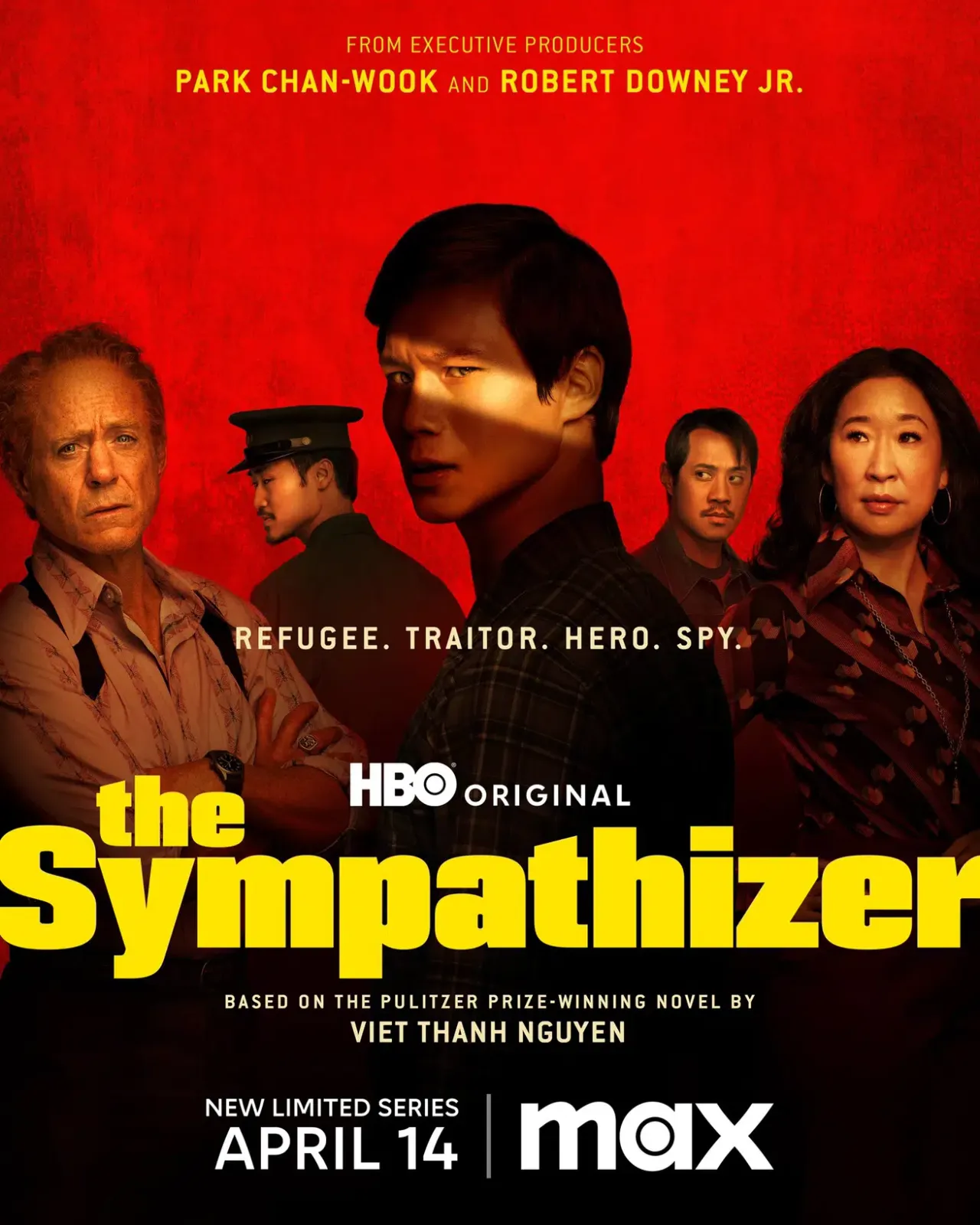
The series had a lot of potential to become a hit. It was based on the best-selling novel that won the 2016 Pulitzer Prize for Fiction. It was produced by HBO and A24, two top-tier companies in Hollywood. It was executive produced and co-starred by Robert Downey Jr., the man who has been calling the shots in Hollywood in the last decade. And with Park Chan-wook working as the creator, there's no reason why this show shouldn't work.
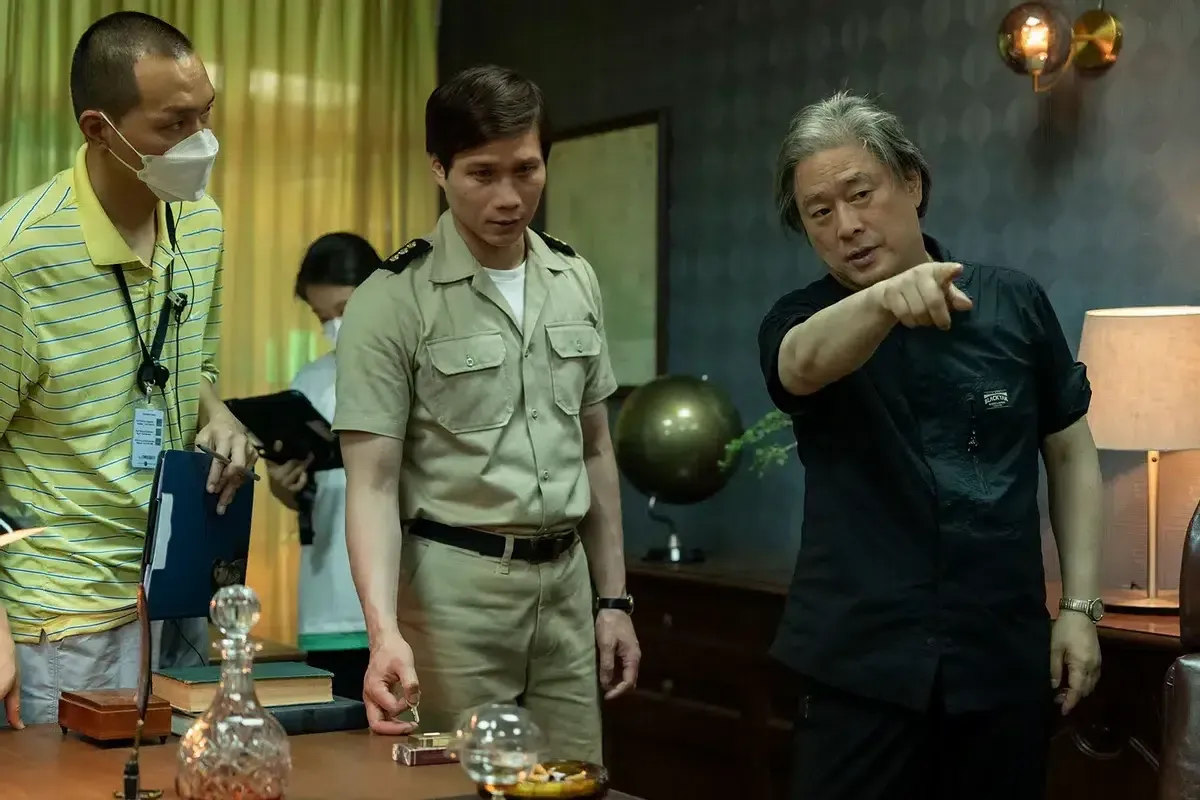
And its quality does stand out. Park Chan-wook pulls out all the stops for this show: the complex narrative, the flashy editing, the vintage production design and music, and the masterful cinematography and set pieces that are well above the average Hollywood standard. The show also balances many difficult aspects - balancing Eastern and Western perspectives; balancing the two creeds espoused by the two camps of the Cold War; and balancing the critical and entertaining elements of the source material.
Even so, the public it was trying to reach didn't embrace it.
This cold reception for The Sympathizer was more like a repeat of the tragedy of its protagonist's life.
“The Man with Two Sets of Thoughts”

Taken at face value, The Sympathizer is a 1970s undercover spy drama related to the Vietnam War. The protagonist, “The Captain” (Hoa Xuande), is ostensibly a member of the secret police of the U.S.-facilitated South Vietnamese regime, but his true identity is that of a North Vietnamese agent lurking in the enemy army, a strong-willed communist revolutionary.
After the end of the Vietnam War and the liberation of South Vietnam, The Captain wanted to stay in his homeland and serve the communist regime with honor, but his superior and blood brother, Man, thought he should go to America to continue his undercover job. So, he follows the South Vietnamese General to the United States, where he continues to monitor the movements of the remaining South Vietnamese soldiers. The story of the series unfolds in this vein.
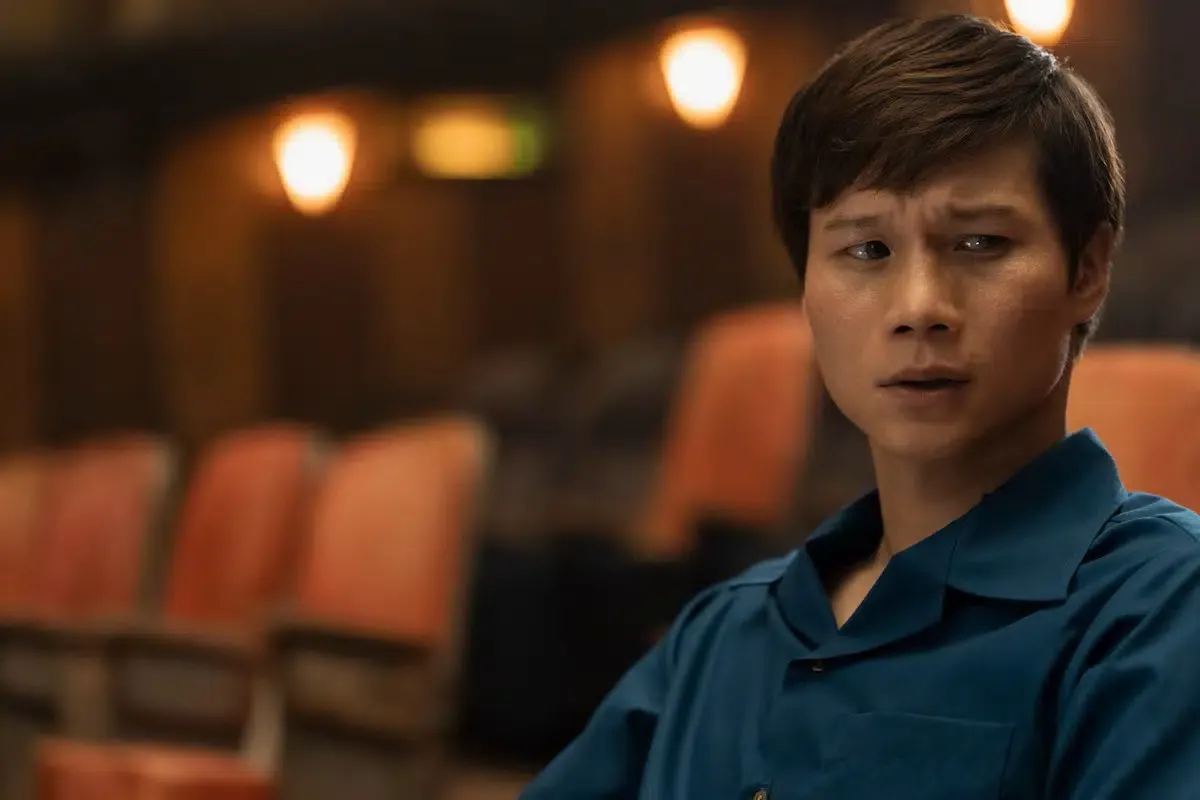
But deep down the context, “The Sympathizer” is about the identity crisis of an Eurasian hybrid. The Captain is of both French and Vietnamese descent and studied American history and literature at an American university. He speaks fluent English with a native accent and prides himself on his large vocabulary: “My vocabulary was broader, my grammar more precise than the average educated American.”
Not only that, but he also knows Western pop culture like the back of his hand: “Some of my countrymen spoke English as well as I, although most had a tinge of an accent. But almost none could discuss, like I, baseball standings, the awfulness of Jane Fonda, or the merits of the Rolling Stones versus the Beatles. If an American closed his eyes to hear me speak, he would think I was one of his kind.”
Such a character, deeply immersed in the American milieu, could not be completely at odds with the dominant American ideology, but his task was precisely to oppose it. He learns about American culture and history originally to understand the colonizers of his homeland. Still, in the process, it is difficult for him not to accept the desirable aspects of the enemy's values, and his way of thinking is subconsciously influenced as a result. So, when he reunites with Man in Vietnam, Man says to him, “You speak Vietnamese like it's translated from English ...... I guess you're dreaming in English now too, aren't you?”
Even the Captain's blood brother no longer sees him as Vietnamese, let alone other Vietnamese compatriots. But at the same time, because of his skin color, Americans don't see him as one of a kind either, and he will always have to deal with racial stereotypes from white people.
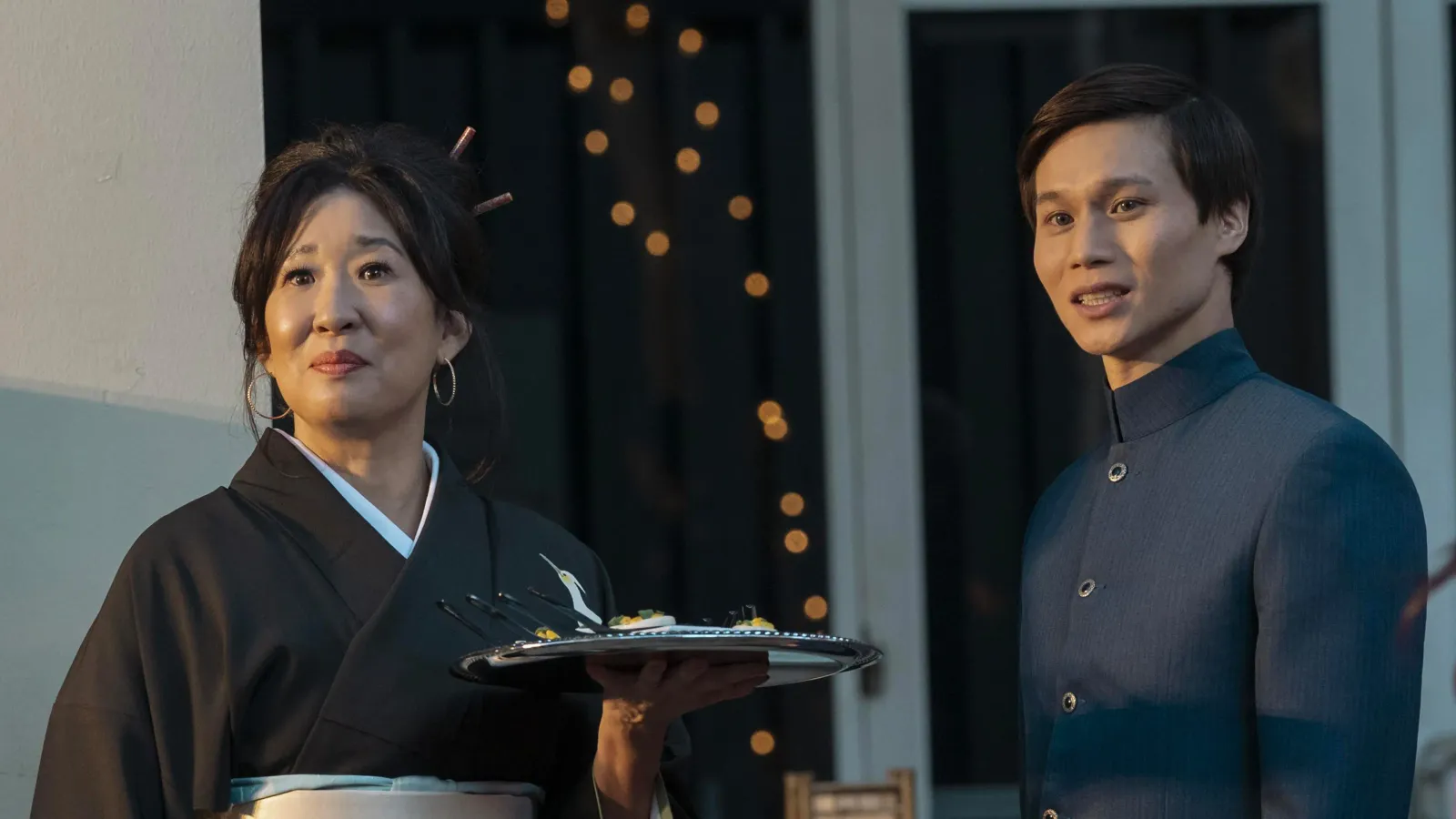
The Sympathizer is the story of one such man. He stands on the border between two worlds, seemingly wearing both colors at the same time, but at the same time not belonging to either of them. And this situation and mentality belongs not only to Vietnamese immigrants in the post-Vietnam War era, but probably also to many Asian-Americans today. From this perspective, The Sympathizer is an even better depiction of the Asian-American mentality than the Oscar-winner Everything Everywhere All at Once, also produced by A24.
“Too Much Sympathy: a Weakness”
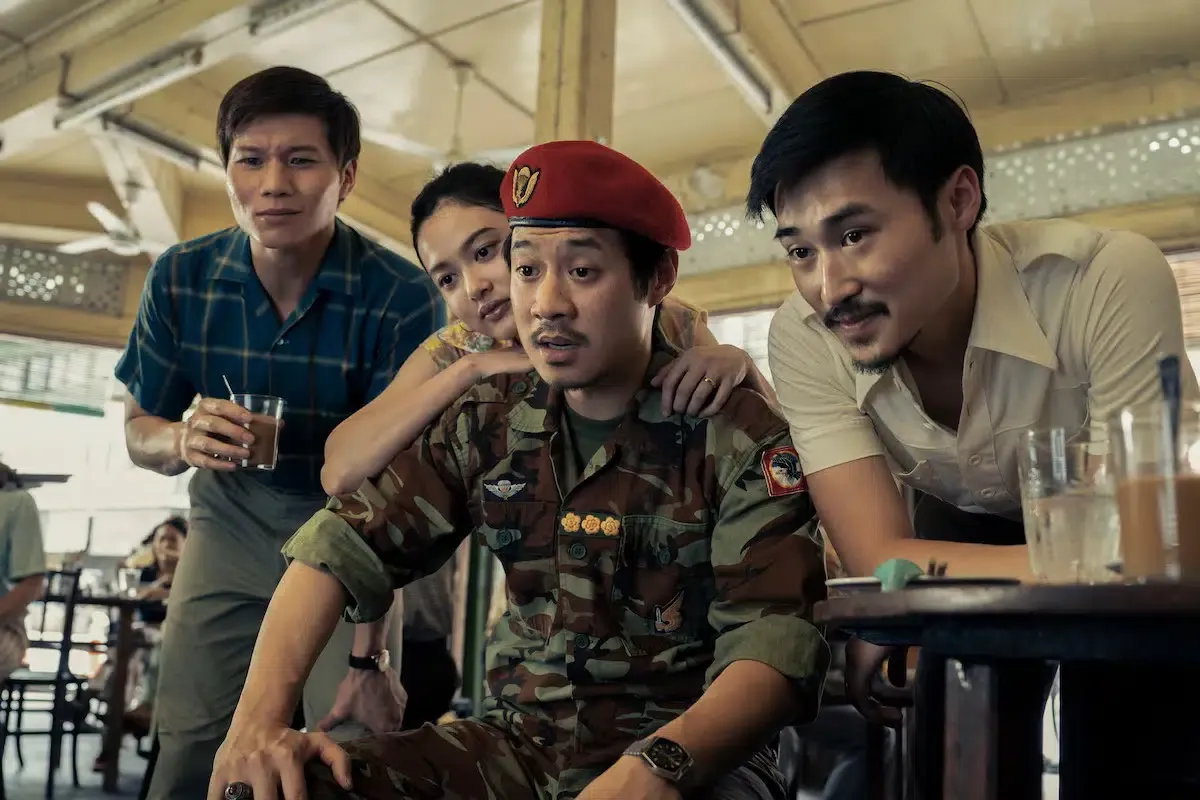
The Captain's double identity creates an awkward situation for him. What further embarrasses him is that this multiple identity allows him to sympathize with all sides of the conflict, whether it is his compatriots enslaved by the Western colonizers, or those who do not want to live under Ho Chi Minh's regime; whether it is his comrades back home who have fought to rebuild their homeland, or the South Vietnamese escapees who are struggling to survive in a foreign land, embracing the American dream; whether it is his compatriots who have gained and liberated half of their homeland or those who have lost their homeland, and who have been plunged into the hopelessness of the immigrant experience.
This sympathy makes it difficult for the Captain to move forward much of the time, as he explains mockingly in the novel: “My weakness for sympathizing with others has much to do with my status as a bastard, and I credit my gentle mother with teaching me the idea that blurring the lines between us and them can be a worthy behavior. After all, if she had not blurred the lines between maid and priest, or allowed them to be blurred, I would not exist.”
Too much empathy leaves the Captain in pain and internal conflict at times and makes him occasionally question his vocation, but as his mother says, “You're not half as weak as everyone else [as a half-breed], but twice as strong as all of them.” The combination of Eastern and Western perspectives makes the Captain's perception more complete than others; the presence of empathy makes his understanding of human nature more nuanced.
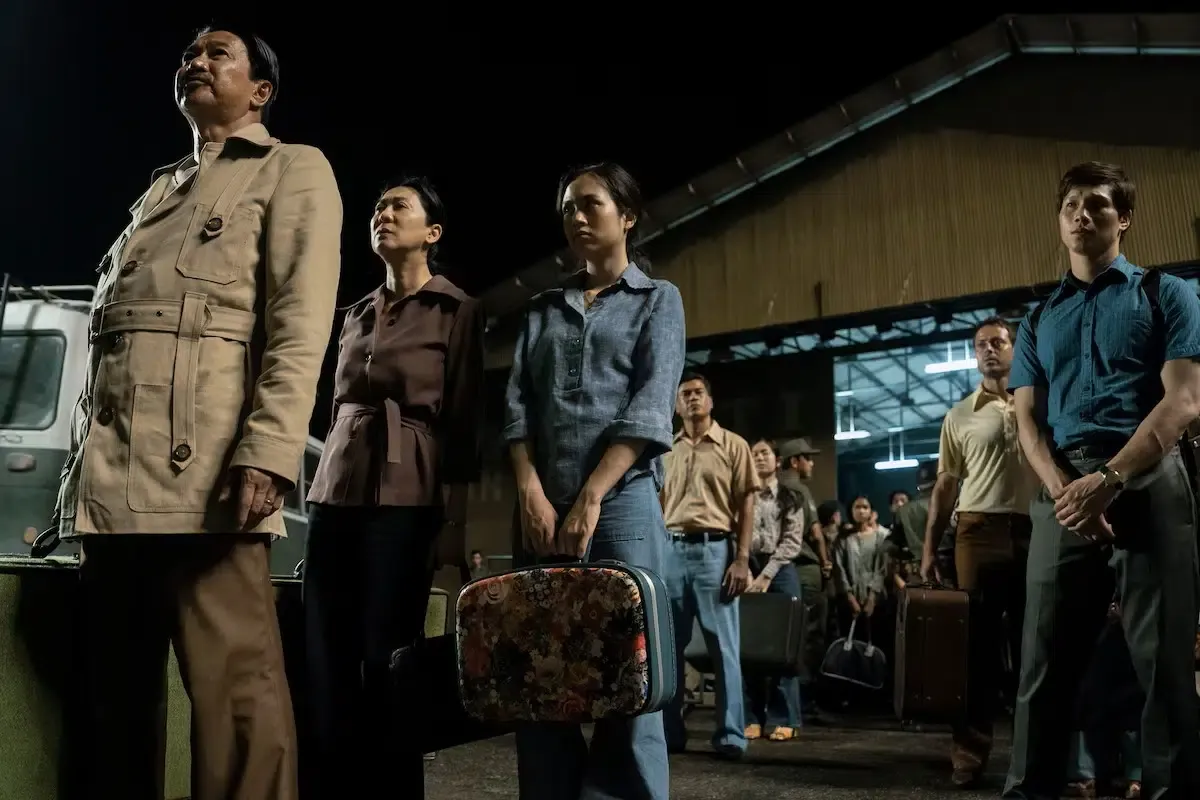
These qualities belong not only to the fictional character of the Captain, but also to the author of the novel, Nguyen Thanh Viet, to Hoa Xuande's performance as the Captain, and to the show itself. So, when the ghosts of an entire group of Vietnamese who gave their lives for their country stand guarding the refugee boat on the shore, we don't sense hypocrisy in the narrator's tone, but rather his deep sympathy for a suffering nation as a whole, which contributes to the power of the episode as a whole.
Inherited Dilemma: A Series Without Footing

Director Park Chan-wook and The Sympathizer seem like a match made in heaven. First of all, as a Korean who has been working in Hollywood for many years, Park Chan-wook is very familiar with the situation that Asians encounter in the United States. Secondly, Park Chan-wook's style ensures that the adaptation is highly watchable: he has the skillset of wrapping a serious story in an entertaining package, his dark humor keeps the story from being overly heavy-handed, and his fetishistic tendency allows him to recreate the Saigon and California of the 1970s perfectly.
The Sympathizer is also truly cinematic with Park Chan-wook at the helm. Everything from the editing to the mise-en-scene to the production design and narrative layering is masterful. It's not an exaggeration to call the series the most well-made and thickly packed drama of the year so far.
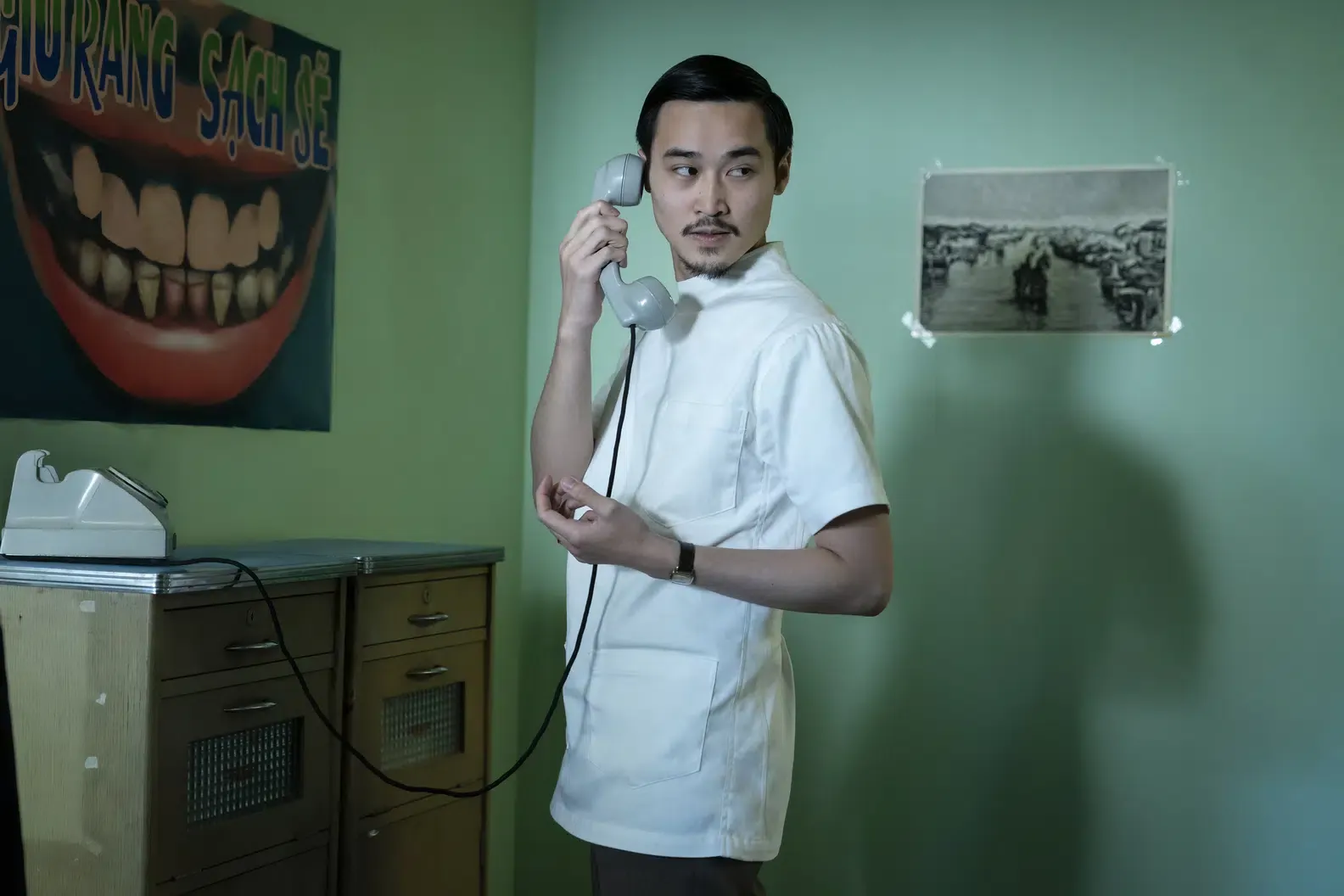
But in an age where the world is increasingly captured by short videos and clickbait content, can the sophistication and subtlety of Sympathizer still be a plus for viewers? We seriously doubt it. For one thing, in terms of narrative, much of Park Chan-wook's ingenuity is indeed better suited to a feature film.
He and co-writer Don McKellar planted many elements throughout the series that echoed each other: the Major's habit of eating durians, Miss Mori's penchant for leaving bite marks on her lover's neck (which effectively accentuated the Captain's jealousy towards his rival Sonny on a visual level), and subtle appearances of Ho Chi Minh's quote "Nothing is more precious than independence and freedom" scattered throughout the series, setting the stage for the climax scene in episode seven. While these elements would sparkle in a film, they might not necessarily resonate with viewers in an HBO series that airs weekly.
Moreover, the Vietnam War remains a sensitive subject for the American public. In an era of shattered consensus, expressions attempting to seek some sort of middle ground like The Sympathizer are unlikely to be embraced, not to mention whether anyone cares about the Vietnamese perspective conveyed by this story.

Another amusing awkwardness of The Sympathizer that we can't ignore is the existence of Robert Downey Jr.. His snub of presenter Ke Huy Quan at the Oscars when receiving the Best Supporting Actor award sparked controversy (ironically, Quan himself is a Vietnamese immigrant), causing some viewers to resist an Asian-themed series produced and co-starred by him. But perhaps it is Downey's unhidden arrogance that made him the perfect guy to play the despicable white characters in The Sympathizer – what other kind of performance could be more fitting than literally playing himself?
Not to mention the brilliant decision that Park Chan-wook makes while casting Downey: having him play five despicable white guys simultaneously (a CIA agent, a university department head, a Republican congressman, an arrogant film director, and the protagonist's biological father who is a priest) to counter-attack the Hollywood stereotype towards Asians; and Downey's typically flippant acting style complements these five cartoonish personas. There are many nuances to savor in this casting and utilization of a major star, but not everyone has the palate for such subtlety.
All these circumstances almost destined The Sympathizer to endure a cold reception, much like its protagonist, fated from birth to endure insult, disdain, and being seen as an outsider. Yet, the show is still worth rooting for by all those willing to defend good art, and worth being seen by all viewers willing to appreciate and savor its subtle charms. If a show like this fails to elicit a response from the world, it's not the fault of the series itself, but rather our own.



Comments 0
No comments yet.