Embers of Rain: Reflections in Blade Runner

In the dimly lit streets of a rain-soaked metropolis, where neon signs flicker and shadows dance, a future teeters on the precipice of existence. It is a world where the line between humanity and artificial life blurs, and the consequences of technological advancement loom large. In the heart of this dystopian landscape, a man named Rick Deckard prowls, his weary eyes reflecting the weight of moral ambiguity.
Amidst the swirling vortex of philosophical musings, where the human soul intertwines with the artificial, "Blade Runner" poses a haunting question: What does it truly mean to be human? As the neon-lit signs guide you through a narrative drenched in moral complexity, you will find yourself grappling with the boundaries of existence and the fragility of identity.

Prepare to be immersed in a visual symphony, where the rain-soaked streets reflect the teeming souls in search of purpose and connection. Each frame is a canvas of meticulous craftsmanship, drawing inspiration from the past and painting a future both awe-inspiring and bleak. Witness the interplay of light and shadows, the shimmering reflections on wet asphalt, and let the world of "Blade Runner" envelop your senses.
Join a cast of unforgettable characters, their performances etching themselves deep into the recesses of your mind. Harrison Ford's Rick Deckard, a weary protagonist with a soul weighed down by the burden of his choices. Rutger Hauer's Roy Batty, a replicant filled with a desperate desire to live and understand the essence of his own existence. Their stories intertwine, creating a tapestry of emotion, introspection, and profound introspection.
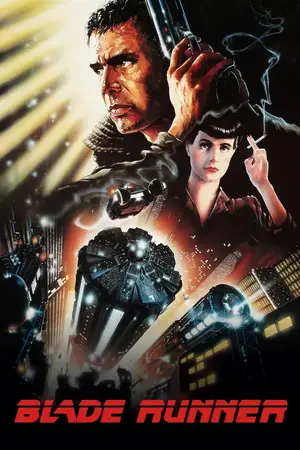
With its compelling storytelling, complex characters, and thematic depth, "Blade Runner" has become a cult classic and a staple for cinephiles seeking intellectually stimulating and visually captivating cinema. "Blade Runner" (1982), directed by Ridley Scott. This science fiction film has gained a dedicated following over the years and is highly regarded for its visually stunning aesthetics, complex narrative, and thought-provoking themes.

The cult potential
Initial Reception and Box Office Performance: When "Blade Runner" was first released in 1982, it received mixed reviews from critics and had a relatively underwhelming performance at the box office. Its commercial failure at the time contributed to its initial cult status, as it gained a dedicated following through word-of-mouth and subsequent home video releases.
Niche Appeal and Devoted Fanbase: Cult films often appeal to a specific niche audience who appreciates unconventional or challenging cinema. "Blade Runner"'s complex narrative, philosophical themes, and dystopian setting attracted a dedicated fanbase of cinephiles and science fiction enthusiasts who embraced its distinctive style and intellectual depth. These passionate fans helped sustain the film's reputation over the years.
Visual Aesthetics and Innovative Design: The film's visually stunning aesthetics, blending elements of film noir with futuristic sci-fi, captivated audiences and set it apart from other mainstream movies of its time. The atmospheric cinematography, intricate set designs, and iconic imagery, such as the rain-soaked streets and neon-lit cityscape, contributed to the film's cult status and left a lasting impression on viewers.

Themes and Philosophical Exploration: "Blade Runner" delves into thought-provoking themes surrounding identity, humanity, and the ethical implications of advanced technology. Its examination of what it means to be human and the moral complexities of artificial intelligence resonated with audiences seeking deeper philosophical contemplation in their cinematic experiences.
Enduring Influence and Cultural Impact: Despite its initial commercial struggles, "Blade Runner" has had a significant influence on the science fiction genre and popular culture. Its visual style, narrative tropes, and thematic exploration have inspired countless films, TV shows, and other forms of media. The film's enduring impact and ongoing relevance contribute to its cult status.

The behind-the-scenes story
The film is loosely based on Philip K. Dick's novel "Do Androids Dream of Electric Sheep?" and underwent numerous rewrites during its development. The script went through various revisions, and the production faced budget constraints and creative differences. Ridley Scott, the director, clashed with the studio over the film's tone and the inclusion of voice-over narration by Harrison Ford, which was eventually added against Scott's wishes.
The film's iconic visual style was a collaborative effort involving Ridley Scott, production designer Lawrence G. Paull, and concept artist Syd Mead. They created a futuristic, dystopian Los Angeles filled with towering buildings, neon lights, and a gritty atmosphere. The design drew inspiration from various sources, including classic film noir, Japanese culture, and the work of artists such as Edward Hopper and Frank Lloyd Wright.
Initially, the role of Rick Deckard was offered to Dustin Hoffman and Arnold Schwarzenegger, but it eventually went to Harrison Ford. The casting choices for the replicants were crucial, and Rutger Hauer, Daryl Hannah, Sean Young, and other actors brought a haunting and memorable presence to their roles. Hauer's improvisation of the iconic "Tears in Rain" monologue is considered one of the film's most powerful moments.

Filming took place in Los Angeles and on elaborate sets, including the famous Tyrell Corporation building. The production faced various challenges, including constant rain effects, which created difficulties for the crew. Additionally, tensions on the set, language barriers with the multinational crew, and demanding shooting conditions contributed to a challenging working environment.
The film's atmospheric visuals, created by renowned cinematographer Jordan Cronenweth, contribute to its unique and immersive world. The dark and rain-soaked streets of Los Angeles, along with the neo-noir elements, create a distinctive visual style that has been highly influential in the science fiction genre.
"Blade Runner" explores themes of identity, existence, and the nature of humanity. It raises philosophical questions about what it means to be human and challenges the audience to reflect on the blurred lines between artificial and organic life. The film's ambiguous ending has sparked countless debates and interpretations, making it a subject of analysis and discussion among cinephiles.

As the rain continues to cascade from the heavens, the final moments of "Blade Runner" unfold with a blend of beauty and sorrow. The neon-lit cityscape serves as the backdrop for a climactic confrontation that tests the limits of humanity and compassion.
Rick Deckard, wearied by his encounters with the replicants, finds himself face to face with Roy Batty, the leader of the renegade beings he was tasked to hunt down. In the flickering glow of a dilapidated building, their eyes meet, each harboring a profound understanding of the other's plight. In this fleeting moment, the boundaries between hunter and hunted blur, giving way to a shared recognition of the fragile nature of existence.

Roy, driven by his desire to prolong his artificial life, confronts Deckard with an intensity that belies his synthetic origins. Yet, in the depths of his struggle, he reveals a profound humanity—a yearning for purpose and a desperate longing to be remembered. As his life ebbs away, Roy's words hang in the air, resonating with an unmatched poignancy. "I've seen things you people wouldn't believe," he utters, his voice a mixture of vulnerability and awe. "All those moments will be lost in time, like tears in rain."
In this ethereal moment, the film confronts us with the transience of existence and the weight of our own mortality. It reminds us of the beauty inherent in the briefest of moments, and the importance of cherishing the memories and experiences that shape our being.
"Blade Runner" tackles profound philosophical themes, including the nature of humanity, the ethics of artificial intelligence, and the question of identity. The film challenges viewers to reflect on what it means to be human, blurring the lines between humans and replicants. It raises complex moral dilemmas and encourages contemplation and discussion, making it intellectually stimulating for audiences.

The film weaves a compelling narrative with elements of film noir and science fiction. The story follows a morally conflicted protagonist, Rick Deckard, as he navigates a world filled with existential questions and dangerous encounters with replicants. The complex characters, layered storytelling, and intriguing plot twists keep viewers engaged throughout the film.
As the rain washes away the remnants of their encounter, Deckard is left standing amidst the echoes of a world forever changed. The questions linger in the air—what does it truly mean to be human? Can compassion and empathy transcend the boundaries of flesh and circuitry?
In its enigmatic ending, "Blade Runner" implores us to reflect upon our own place in an ever-evolving world. It challenges us to confront the complexities of our existence and the ethics of our actions. And as the credits roll, the film leaves us with a profound sense of introspection—a testament to the power of cinema to provoke thought, evoke emotion, and inspire us to delve deeper into the mysteries of our own humanity.

With its final frames, "Blade Runner" lingers in our minds, a masterpiece that continues to captivate and challenge generations of cinephiles. It invites us to embrace the beauty and uncertainty of life, knowing that every moment, like tears in the rain, is a fleeting treasure that should be savored and remembered.
Exploitation Films: Controversial Subjects, Devoted Fans, Uncomfortable Realities



Comments 0
No comments yet.