Exploitation Films: Controversial Subjects, Devoted Fans, Uncomfortable Realities
Sociocultural
In the dark corners of cinema history lies a treasure trove of films that,
while often overlooked or dismissed upon their initial release,
have amassed a fervent and devoted following.
These are the cult films, a category of movie that is defined not by box office success or critical acclaim, but by their transgressive subject matter, marginal status, and passionate fan base. Cult films have captivated audiences for decades, drawing viewers into worlds of horror, science fiction, and exploitation that often push the boundaries of taste, decency, and social norms. But behind the allure of these cult classics lies a deeper reality, one that is often uncomfortable and even disturbing. From the objectification of women to the glorification of violence, cult, and exploitation films have a complicated legacy that is both fascinating and troubling. In this conversation, we will explore the world of cult and exploitation films, unpacking the reasons behind their enduring appeal, examining their controversial subject matter, and confronting the uncomfortable realities that lie at the heart of this cinematic subculture.
Exploitation films were often made on a shoestring budget and had a rough, unpolished feel that set them apart from more mainstream movies. This gave them a certain authenticity or edginess that appealed to audiences looking for something different or unconventional. Many exploitation films also had a "so bad it's good" quality, with hammy acting, cheap special effects, and unintentionally funny dialogue that made them enjoyable to watch.

The Aesthetics
When it comes to the aesthetics of exploitation films, there are several key characteristics that are worth exploring. The aesthetics of exploitation films are characterized by their bold, transgressive, and often over-the-top visual style. While they may not be to everyone's taste, there is no denying the creativity and innovation that goes into crafting these distinctive and memorable films.

Grindhouse-inspired: Many exploitation films are inspired by the gritty, low-budget aesthetic of Grindhouse cinema. This includes the use of scratched film stock, missing frames, and other visual flaws that create a sense of nostalgia for a bygone era of cinema.
Bold use of color: Exploitation films often use bold, vivid colors to create a sense of heightened reality. This can include bright red blood, neon lights, and other eye-catching visual elements that are designed to grab the viewer's attention.

Use of handheld camera: Exploitation films often use handheld cameras to create a sense of immediacy and urgency. This can give the film a documentary-like feel as if the viewer is witnessing real events unfolding in front of them.

Unconventional framing: Exploitation films often use unconventional framing techniques, such as extreme close-ups or wide-angle shots, to create a sense of disorientation and unease. This can be particularly effective during scenes of violence or other intense subject matter.
Over-the-top violence: Many exploitation films are known for their excessive and often cartoonish depictions of violence. This can include gore, dismemberment, and other extreme forms of brutality that are intended to shock and thrill viewers.

Retro fashion and music: Exploitation films often draw on vintage fashion and music to create a sense of nostalgia and retro cool. This can include everything from 70s-style flares and platform shoes to funk and soul music soundtracks.
Why So Popular?
Exploitation films were a product of the changing cultural landscape of the 1960s and 1970s. During this time, a number of factors contributed to the rise of exploitation films, including changes in censorship laws, the rise of independent cinema, and the growing popularity of countercultural movements like the hippie movement and the feminist movement.
One of the key factors that contributed to the popularity of exploitation films was changes in censorship laws. In the early 1960s, the Motion Picture Association of America (MPAA) introduced a new rating system that allowed for greater freedom in filmmaking. This new system allowed filmmakers to include more explicit content in their movies, which led to a wave of exploitation films that pushed the boundaries of what was considered acceptable in mainstream cinema.

Another factor that contributed to the popularity of exploitation films was the rise of independent cinema. As the Hollywood studio system began to decline in the 1960s and 1970s, a new wave of independent filmmakers emerged, many of whom were drawn to the low-budget, guerrilla-style filmmaking of the exploitation genre. These filmmakers often worked outside of the studio system and were able to take more risks and experiment with different styles and subject matter.
Exploitation films often targeted specific subcultures or audiences. For example, biker movies were popular among motorcycle gangs, while blaxploitation films were marketed to African American audiences. These films often featured controversial or taboo subject matter, such as sex, violence, drug use, or social issues, and were marketed with provocative titles, posters, and trailers.

The "so bad it's good" Cases
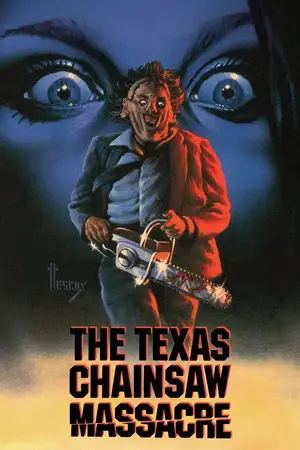
- The Texas Chain Saw Massacre (1974): Directed by Tobe Hooper, this horror film features a group of friends who encounter a family of cannibals while on a road trip. The film is known for its gritty, realistic style, as well as its graphic violence and disturbing imagery.

- Night of the Living Dead (1968): Directed by George A. Romero, this zombie film was a low-budget independent production that became a huge cult hit. The film is known for its social commentary, as well as its graphic violence and suspenseful atmosphere.
- Faster, Pussycat! Kill! Kill! (1965): Directed by Russ Meyer, this exploitation film features a trio of female go-go dancers who embark on a violent crime spree. The film is known for its over-the-top violence, provocative subject matter, and female empowerment themes.

- Pink Flamingos (1972): Directed by John Waters, this cult classic is a bizarre and outrageous comedy that features a cast of eccentric characters, including the infamous drag queen Divine. The film is known for its shocking and controversial subject matter, as well as its campy humor and surreal visuals.

- I Spit on Your Grave (1978): Directed by Meir Zarchi, this rape-revenge film is a brutal and controversial exploration of violence and vengeance. The film is known for its graphic and disturbing scenes of sexual violence, as well as its controversial depiction of revenge.

These are just a few examples of the many famous exploitation films that have gained a cult following over time. Other notable examples include The Rocky Horror Picture Show, Cannibal Holocaust, The Big Doll House, and Coffy.
Male Audiences Driven Market
Exploitation films have traditionally been marketed towards male audiences, particularly in the 1960s and 1970s when the genre was at its height. There are a number of reasons why male audiences may have been more drawn to exploitation films than female audiences.
Many exploitation films feature hypermasculine themes and characters, such as bikers, gangsters, or action heroes. These characters are often portrayed as tough, violent, and sexually aggressive, which may appeal more to male audiences who are drawn to traditional masculine ideals.

Exploitation films often include a significant amount of nudity and sexual content, which may be more appealing to male audiences. This is particularly true for subgenres like sexploitation or "nudie" films, which were explicitly designed to titillate male viewers with their depictions of naked women.
Exploitation films often include a significant amount of violence and gore, which may appeal more to male audiences who are drawn to action and horror movies. These films often feature brutal fight scenes, graphic killings, or other extreme acts of violence that may be seen as thrilling or exciting by male viewers.
It's worth noting that the marketing and distribution of exploitation films was often geared towards male audiences. Exploitation films were often shown in drive-in theaters or grindhouse cinemas, which were known for their seedy, lowbrow atmosphere. The posters, trailers, and other promotional materials for these films often featured provocative or exploitative images of scantily clad women, violent action, or other titillating content that may have appealed more to male audiences.

The Notorious Subject Matter
Exploitation films often feature content that is designed to shock, titillate, or provoke audiences. This can include depictions of violence, sexual content, or other taboo subject matter that can make some viewers, particularly women, uncomfortable.
- Sex: Many exploitation films are focused on sexual themes or content, ranging from softcore "nudie" films to hardcore pornography. These films often depict nudity, sexual situations, and other provocative content that is designed to titillate and shock audiences.
- Violence: Exploitation films are also known for their graphic depictions of violence, gore, and other extreme acts. This can include everything from gory horror films to brutal action movies to "women in prison" films that feature violent and sadistic treatment of female characters.
- Drugs: Drug use and addiction are often featured in exploitation films, with many films depicting characters who are addicted to drugs or involved in the drug trade. These films often take a sensationalized and exaggerated approach to drug use, depicting it as a dangerous and destructive force.

- Race and ethnicity: Exploitation films have often exploited racial and ethnic stereotypes and tensions for dramatic effect. This can include everything from blaxploitation films that feature African American characters in stereotypical roles to "martial arts" films that feature Asian characters engaging in exaggerated fight scenes.
- Taboo subjects: Exploitation films are also known for tackling controversial and taboo subjects that are considered off-limits in mainstream cinema. This can include everything from incest and bestiality to cannibalism and other extreme acts.

One reason why women may be more likely to feel uncomfortable with exploitation films is that these films often feature depictions of violence or sexual abuse towards female characters. "Women in prison" films, for example, often depict female characters being subjected to brutal and sadistic treatment by male guards or other inmates. Similarly, many slasher or horror films feature male villains who target young, attractive women for violence or sexual assault.
Another reason why women may feel uncomfortable with exploitation films is that they often portray women in stereotypical or objectified roles. Many sexploitation films, for example, feature female characters who exist solely for the purpose of being ogled by male viewers, with little regard for their personalities or agency. Similarly, many blaxploitation films feature female characters who are little more than sexual accessories for the male hero.

It's worth noting that not all exploitation films feature all of these themes, and that the specific subject matter can vary widely depending on the subgenre and era. However, the emphasis on controversial, sensationalized subject matter is a defining characteristic of exploitation films as a whole. Additionally, the fact that many exploitation films have historically been marketed towards male audiences can also contribute to a sense of discomfort or exclusion among female viewers.





Comments 0
No comments yet.