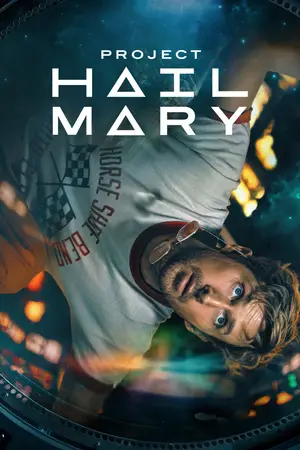
Hope in a Pluralistic Life: A Critical Review of "Project Hail Mary"
General Reviews
"Do you believe in God?
It’s better than the alternative."
I live near the movie theater, so I usually walk there and back while listening to music.
On my way home after "Project Hail Mary", I didn’t put my headphones on;
I chose to listen to the world instead.
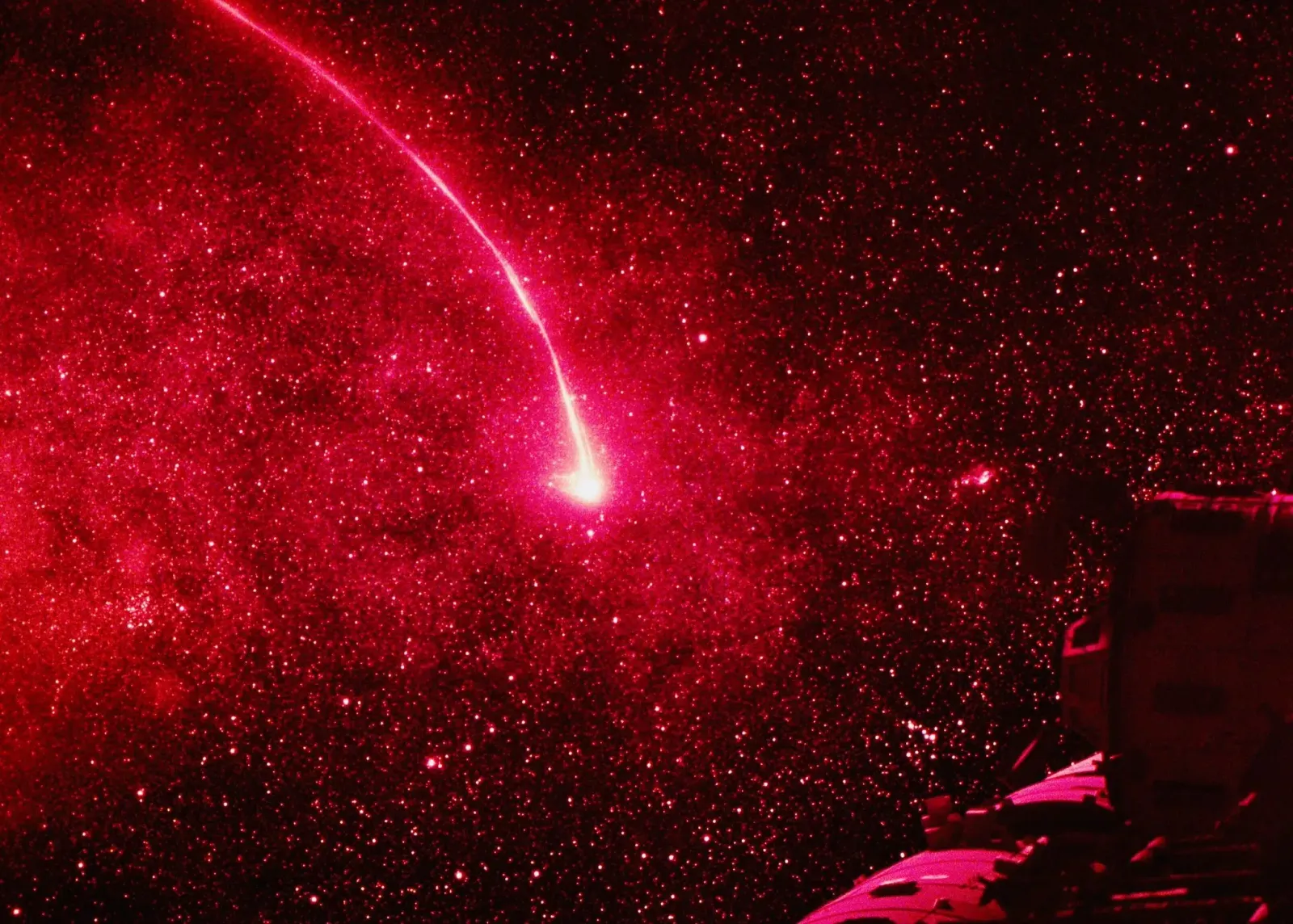
Now, what can I say about “Project Hail Mary”? I simply don’t know. I’m still processing everything I just watched. I have so many compliments to give and so much to say about the film’s endless messages. Starting with the cinematography: I’m still trying to wrap my head around how they didn’t use a single bit of CGI in all of this. The set design, the use of light, the vibrant colors of the fantastic settings, and the creativity in the storytelling. It’s all a surreal visual feast. It’s breathtaking and brilliant. Just like the fantastic, sweeping soundtrack.
Ryan Gosling is exceptional in the role. I started the film a bit skeptical of his ability, but soon after I was deeply immersed in his character. The humor is spot-on; it’s believable. The expressions of serenity that hide such despair and hopelessness in his gaze. He has some great scenes. Just like Sandra Hüller, who shines in every scene. In fact, I didn’t expect to see her sing Harry’s “Sign of the Times” at karaoke. Nor did I expect to cry so much during that and other moments.
The screenplay is another fascinating aspect of the film: it pays close attention to scientific details, treats all its characters with care, and features excellent, equally multifaceted dialogue. And the direction by Phil Lord and Christopher Miller brings all of this to life as effectively as possible, knowing exactly when to slow down and/or speed up the plot. “Project Hail Mary” is, in fact, very fluid. Time flies by and you don’t even notice; it’s all a delightful experience. But anyway, now that I’ve covered the more technical aspects, I want and need to talk a little about what I liked most: the subtext.

“What Grace see?
Life...”
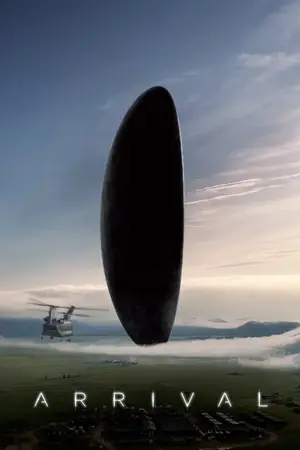
Grace’s first interactions with Rocky are mesmerizing, as is the entire relationship they gradually develop later on. Just like in Villeneuve’s “Arrival”, the establishment of communication between these two distinct species is a recurring theme and, from a certain point on, central. And every mechanism used is a delight on screen. The humorous dialogue, the subtle tone, and the presence of an urgent situation make this entire subplot beautiful—too beautiful.
There’s also some discussion about loneliness—about being in company, but not necessarily in a romantic sense. And I really liked that angle. Rocky’s partner is named Adrien (a name given by Grace), and at no point is the fact that they might be of the same gender an issue. The information is simply there, reinforcing the ideal of companionship. And if we go beyond that, the concept of a soulmate. Whether a family member, a friend, or another species inhabiting a distant galaxy.
At another point, Eva Stratt is asked about the existence—or non-existence—of God. And, according to her, God would be, at that moment, the best option among the alternatives presented so far, revealing her character’s belief—however minimal—in something greater, in a greater force, perhaps even in science as a religious ideal. The “Full of Grace Project”, in short, reveals some interesting points about humanity and how it views itself. On the one hand, there is hope in humanity as an individual. There is hope in the mind uncorrupted by human instinct as an individual.
On the other hand, however, the film also contrasts hope with its absence through the character played by Sandra Hüller. This is reflected in her lines, in which she suggests that, even if there were a major global alert, countries would not unite for the common good. This is somewhat contradictory, given that the project itself is a unified global effort. In short, rather than taking sides with point A or B, the film brings them to the surface to make us think—and think deeply.
Ultimately, “Project Hail Mary” is about finitude. It’s about developing an awareness of the end and, because of that, appreciating the whole. And, finally, it’s about that sense of imminent and intrinsic belonging—after all, “home is where the heart is”. The film is also about individual sacrifice for the sake of others, about patience and dedication in understanding, and about the notion that life is only life because it is plural. Home is not necessarily a place, or people, or whatever.
Grace found home in a being so distant and completely different from him.
"Memento mori, memento vivere:
Remember you must die, so remember to live."





Comments 2