Futuristic Movie
General Reviews

The Industrial Prophet: Why Metropolis Still Matters
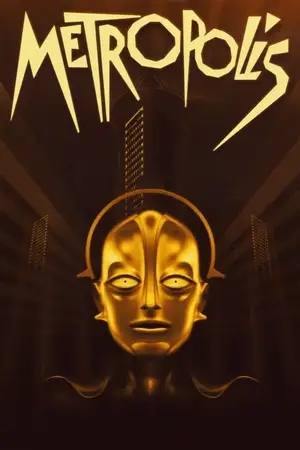
Released in 1927, Fritz Lang’s Metropolis isn’t just an "old movie"—it is the blueprint for almost every science fiction film that followed. From the sprawling cityscapes of Blade Runner to the design of C-3PO in Star Wars, the DNA of this German Expressionist masterpiece is everywhere.
The Vision
Set in a futuristic 2026, the film depicts a world sharply divided by class: the wealthy elite live in luxury high-rises (the "Club of Sons"), while the workers toil in a subterranean hellscape to maintain the massive machines that power the city. When Freder, the son of the city's mastermind, falls for a saintly worker named Maria, he descends into the depths and discovers the human cost of his privilege.
Analysis: The Heart, The Hands, and The Head
The film’s central theme is summarized in its famous closing line: “The Mediator between the Head and the Hands must be the Heart.”
The Head: Represents the visionary thinkers and architects (the ruling class).
The Hands: Represents the labor and muscle (the working class).
The Heart: Represents empathy and communication (the protagonist, Freder).
Visually, Lang used groundbreaking techniques like the Schüfftan process (using mirrors to place actors inside miniature sets) to create a scale that still feels massive today. The "Maschinenmensch" (the Robot Maria) remains one of the most iconic images in cinema history, symbolizing how technology can be used to manipulate and deceive the masses.
My Take: A Flawed Masterpiece
Watching Metropolis today is a surreal experience. It is a silent film, so the acting is highly stylized and "theatrical" by modern standards. However, the sheer ambition is staggering. While the plot can feel a bit melodramatic and the political resolution somewhat simplistic, the visual storytelling is so powerful that you often forget you're watching a movie nearly a century old.
Is it worth watching?
Yes, absolutely—with a caveat.
If you are a fan of sci-fi, history, or cinematography, it is essential viewing. It’s a haunting, beautiful, and deeply influential work of art. However, if you struggle with silent films, I recommend watching the "Moroder Version" (which features a 1984 rock soundtrack) or, ideally, the 2010 Restored Version, which includes lost footage found in Argentina and restores the film's original pacing.


Comments 2