The triumph of television series, within me.
General Reviews
I had always felt a certain aversion toward television series; at most, I only consumed sitcoms. I assumed a certain lack of “capacity” for synthesis on the part of their creators, criticizing and contrasting how much easier it seemed to give depth to a story in a film —as if depth were an exact unit of measurement. Perhaps it is simply that I struggle with the feeling of loss that comes when you grow attached to certain characters over the course of episodes. It’s all Beverly Hills 90210’s fault, a series that was hugely successful in Mexico in the mid‑1990s.

But now, with the imminent rise of streaming platforms and the pressing need to secure monthly subscription income, these companies have invested in top‑tier creative teams for series production. Although it feels more like industrial tailoring than artistic creation, and unfortunately, this has come at the expense of film production.
In addition to the “vast” offer I mention, this also generates a kind of anxiety for me: having to choose between watching what’s trendy or letting myself be carried away by the algorithm. So, partly because of the lower cinematic level and partly because of this, I chose a couple of series the old‑fashioned way—by watching trailers and reading synopses. And I managed to find a couple of gems.
The Absurd Ted Lasso
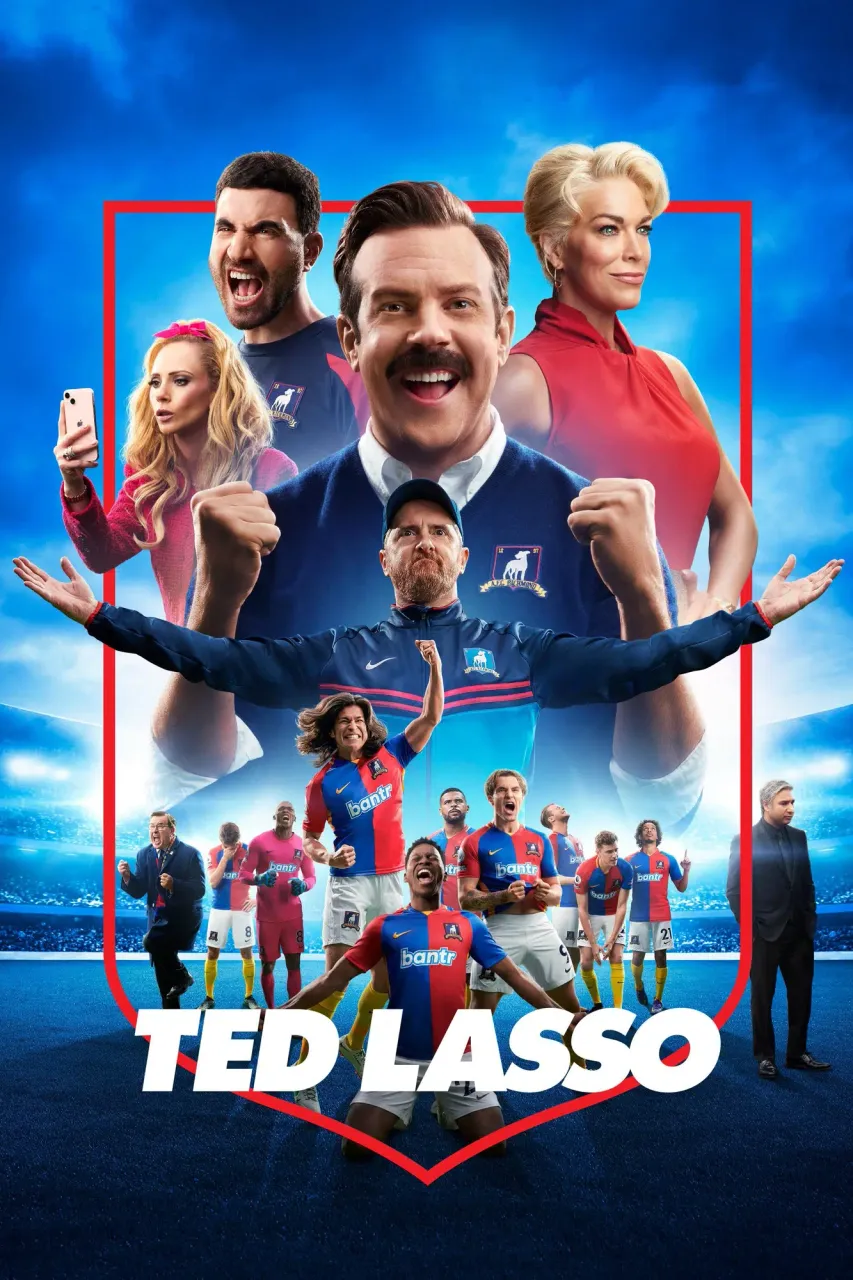
I chose it because it’s a comedy about soccer—my favorite sport—and because I’m a die‑hard fan of stories of overcoming adversity. But I must admit I didn’t expect its evolution into a profoundly human narrative, standing out for addressing mental health through vulnerability and tackling inclusion with humor and respect.
I confess I knew little to nothing about Jason Sudeikis ’s work, but in this series he is brilliant. I was also fascinated that the episodes were directed by several filmmakers (notably MJ Delaney, Emmy winner), and that the music was composed by Marcus Mumford and Tom Howe. Ted Lasso never loses its palette of colors, rhythm, references, and musical cadence across its three seasons—something very difficult to achieve.
Ted speaks like a Robin Williams character: fast, bright, vulnerable, capable of making you laugh just before making you cry… but inside, he is Robin Williams: a generous soul hiding storms behind a smile.
The Irreverent Hacks

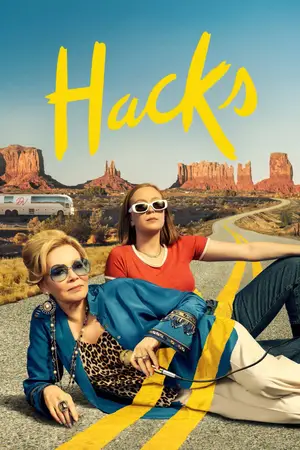
A dramedy that sharply explores personal motivation, female empowerment, and creative reinvention. It does so through the generational clash between Deborah Vance, a veteran comedian resisting oblivion, and Ava Daniels, a young writer seeking professional redemption.
The series shows that personal projects can indeed arise from failure and the need for recognition, but that this can also hurt and be difficult. The two women form a strange alliance that demonstrates we always need someone—or perhaps many.
Hacks stars Jean Smart in the lead role, for which she won both the Golden Globe and the Emmy, alongside Hannah Einbinder as Ava Daniels. The series exudes a modern Gatsby style: decadent luxury, dazzling settings, and characters who hide vulnerability beneath layers of sophistication.
Common Ground
Both series, though different in tone and context, share a deep emotional root: vulnerability as the engine of redemption. Ted, with his optimism fractured by anxiety, and Deborah, with her ego wounded by oblivion. They are characters who rebuild themselves from their fractures.
If you ask me, this coincidence doesn’t seem accidental—it’s as if the entertainment industry, after years of cynicism and imposed perfection, were seeking to heal itself. Through protagonists who invite us to reconcile with what is human, fragile, and real.






Comments 2