Modern Love: Tales of an age-old obsession
General Reviews
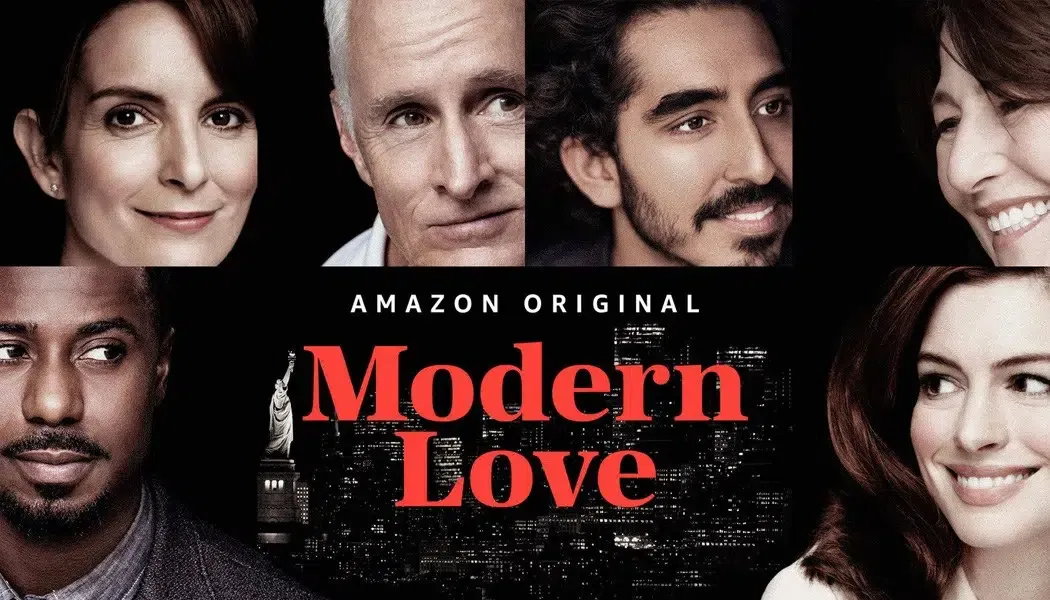
The Modern Love podcast is a joy to listen to. I discovered it one day while scrolling through the gigantic list of podcasts on Apple Podcasts. At the time, at the New York Times, there wasn’t a hint of the Lively v. Baldoni drama yet to come but there was Modern Love. Every week, host Anna Martin explores the multi-faceted nature of love in all its mutable forms and complex nature. The stories came from real people. Read by some of the most entertaining in the game.
Now, in this the month of love, I cannot help but reflect on the essence of the things that incite that loving feeling inside me. Movies are one of them. But not just any movies, good movies. To me, good movies draw you in and keep you interested and help you to put life's stressors aside for a little while. The ones where your millennial-era attention span suddenly develops an extra 87 minutes, so you could sit there and finally focus on something.
That’s what the Modern Love television series did for me. The romantic comedy anthology series, based on the stories adapted from the New York Times column and podcast, premiered on Amazon Prime in fall 2019. Often panned by critics as being "too clunky," or “uneven”, it went two short seasons, and, in my opinion, ended too quickly.
Tuck in. I'd like to tell you about the episodes that were special to me.

"Take Me as I Am, Whoever I Am,"

First and foremost, the episode that lives rent-free in my head is episode 3 from season 1, "Take Me as I Am, Whoever I Am," starring Anne Hathaway. I could not be an advocate for mental health awareness without acknowledging how acutely the mental healthiness and the emotional well-being of everyone affects just about everything anyone else does. As some of us now have figured out by now, humans are cruel sometimes and it’s a sad truth. But another truth is, sometimes it’s not our fault. And that’s not a get-out-of-jail-free card; it’s a real-life catastrophe. In "Take Me as I Am, Whoever I Am", Hathaway portrays, Lexi, which is in my mind one of her most amazing roles, except for the iconic Aundrea, of course. Lexi suffers from bipolar disorder. Her illness affected her relationships, romantically and platonically, to the point where she may have missed out on the love of her life or just a great date, and instead found true friendship in someone whom she could finally confide truthfully in.
"When the Doorman Is Your Main Man"

It’s the twists in the stories adapted from the Modern Love column and podcast that make the show crazy good. Every episode stands alone, and you can expect them to all wrap up with a learning lesson and (mostly) happy ending. An episode that exemplifies this is "When the Doorman Is Your Main Man" starring Cristin Milioti. In this sweet tale, a woman who finds herself unexpectedly pregnant with a not-so-suitable suitor’s offspring and her stoic, long-suffering, and kind Eastern European doorman, who shows her and her child all the love she was looking for in the wrong places.
Those are the ones that stick out the most, but I’m sure if I were to rewatch the entire series, I’d soon start to recall more touching, heartfelt episodes that leave me in awe, trying to understand what this life all means. The series was compelling, superbly cast and executed, and completely engrossing.
Thematically, Modern Love, the television series, stays on brand and yet evolves beyond it. The stories explore love in various forms. Romantic, platonic, familial, community, marital love, random and not-so-random acts of love, acts of non-love (which is, in my opinion, still love in reverse), etc. It’s an eclectic array and extension and reflection of how we ourselves and have presented ourselves while communicating with others and being in love.

Now, to Modern Love: the podcast, because the New York Times column has yet to reach me via print. As I’ve already explained, it was pure chance that I found and listened to the podcast, especially since this was at a point in my life when I was anti everything that reminded me in the slightest of certain people I used to socialize with. I’m so glad that mindfulness and cognitive therapy helped me overcome that mental obstruction because the reality and benefits of what podcasts were became clear. To me, at that time, podcasts were for the alpha bros that wanted to appear smart, while the veracity of that fact was still way up in the air. But there was a handful of content in this format that resonated with what was happening in my life that helped to change everything in it. And it was a welcome breath of fresh air. Discovering podcasts, the ones that were right for me, turned out to be a radical act of self-love.
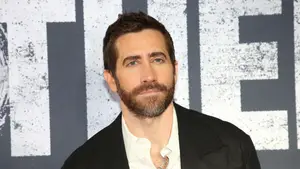
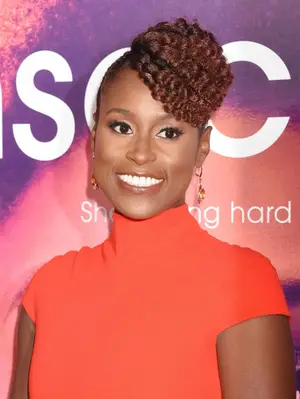
The Modern Love podcast features essay readings from a slew of powerhouse actors and creatives — Greta Gerwig, Colin Farrell, Ann Dowd, Jake Gyllenhaal, Constance Wu, and Issa Rae, to name a few.
The managing producer of the podcast, Jessica Alpert, was interviewed and spoke in detail about her selection of memorable episodes. On the other hand, there isn't a specific episode that changed everything for me. It was the sudden interest in listening to a podcast that was the beginning of a fresh, informed era in my corner of the world. It was a pre-emptive glance at the near future, because as I sat in a closet to listen one afternoon, the voluntary self-imposed isolation predicted the soon-to-come pandemic and a period of isolation that introduced community to me in a whole new form.
As Andrew Garfield said tearfully while reading the essay, “Learning to Measure Time in Love and Loss”, by Chris Huntington, “art can take you places you couldn’t reach without it,” the realization dawned on me. I wasn’t only a filmmaker that resonated with the strong female protagonists like Beatrix Kiddo from Kill Bill (2003), or the ones in the movies titled in their namesake, insert Salt (2010) or Hannah (2011) here, or just spoken word poetry. In that darkened space, my world was immensely enlightened to the truth that prose in the spoken word could be satisfying. What’s more, with the right preparation, the endeavour wouldn’t seem so daunting to me.
On a more practical note, as the basics of podcasting became clearer to me, so did my confession that if I became a podcaster, I had to have something meaningful to say. There’s a lot of senseless commotion in this world, and that was not something I actively wanted to add to.
Up until that point, I’d only sat in once on a friend’s podcast, and now the spider had bitten so to speak, so I began looking for opportunities to do it again. The achievement of that goal didn’t materialize until years later, with the advent of the Critic Box Podcast where my co-host, Jarrod Clegg, and I watch movie trailers without any prior knowledge of the trailers on the docket. Basically, it’s an exercise in quick wit. Sometimes we watch film and TV together, where we introduce audiences and occasionally ourselves to programs and titles that we may have never watched outside of the podcast.
Talking about film and TV, behind the scenes and while in front of the camera or microphone, is always consequential for me. And surprisingly, another manifestation of the act of self-love. As is sitting quietly to watch or listen to profound content that enlightens, engages, and contributes to becoming a better human.








Comments 3