AVATAR: FIRE AND ASH
General Reviews
Heading back to Pandora—this time draped in fire and ash, just like the title promises—sparked a question that I feel has been dogging the highest-grossing saga in history. Maybe you guys are asking yourselves the same thing: is a visual revolution really enough to hold up an entire universe?

With Avatar: Fire and Ash, James Cameron introduces the long-awaited fire Na'vi and a darker Pandora, but critics are pretty much unanimous on the verdict: the formula is running on fumes.
Despite a technical spectacle that is still irreproachable, the movie feels like an echo of its predecessors—a visually stunning shell that’s narratively hollow on the inside.
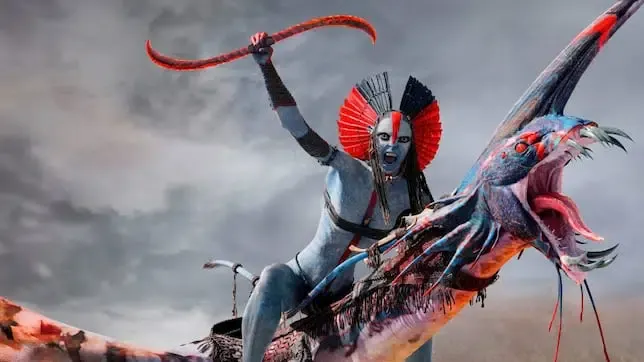
While audiences are embracing the experience with open arms again, I’m left wondering if Cameron hasn’t gotten trapped in his own creation, prioritizing the tech over the soul of the story.
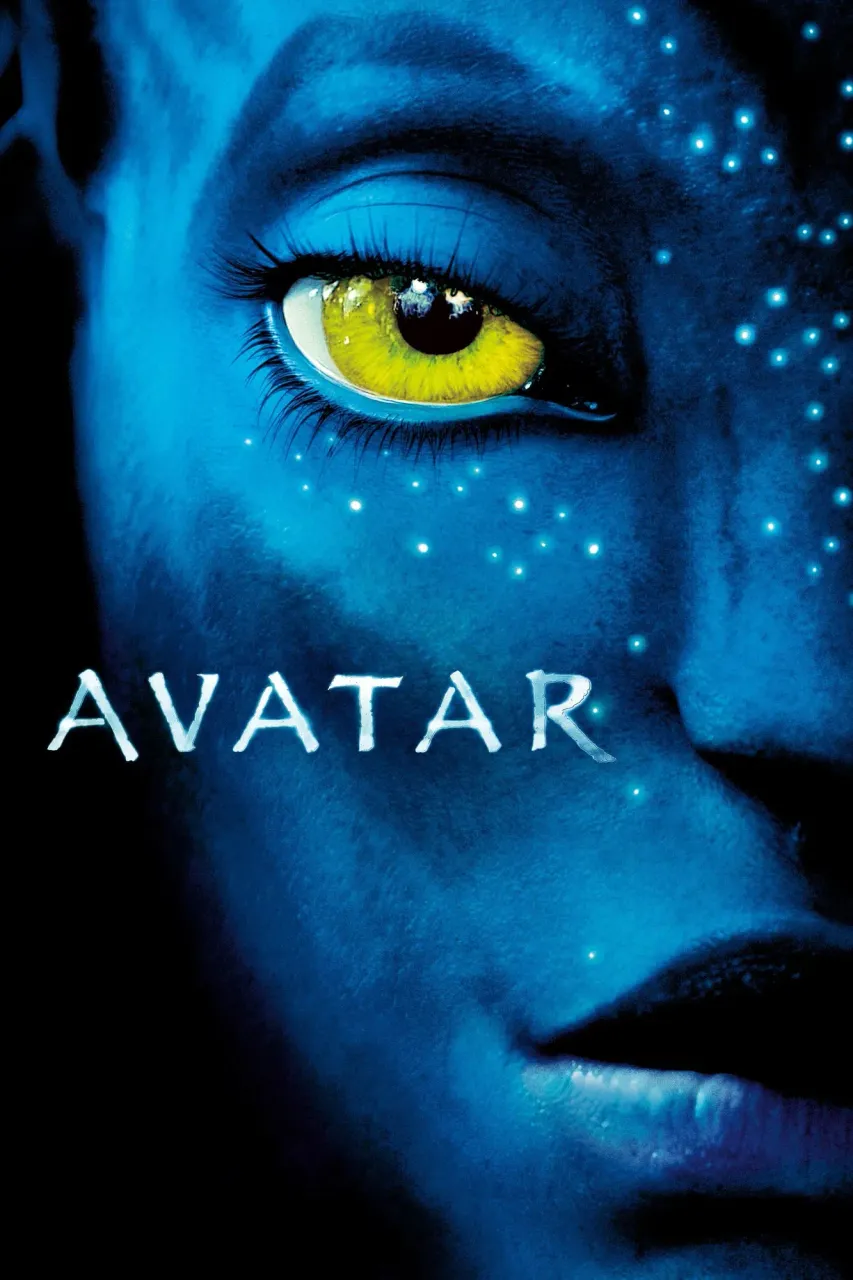
I gotta clarify something: for me, the first movie was like feasting on the finest caviar with my eyes from start to finish.
James Cameron promised a paradigm shift with Fire and Ash, an exploration of the gray areas in his universe.
The intro of the Ash People—a hostile, pragmatic Na'vi tribe—seemed like the perfect vehicle for that complexity. However, beneath the layer of lava and ash, the narrative machinery is painfully familiar.

The structure repeats itself almost beat for beat: Jake Sully and his fam are forced to seek refuge in new territory (this time, grudgingly, among coastal clans), they have to learn to adapt to new customs, and it all culminates, yet again, in a massive showdown against a Quaritch who remains the engine of a monotonous revenge.
Instead of evolving into a spy thriller or a political drama about colonization, the conflict boils down to a cat-and-mouse game all over again.
The change of scenery, from coral reefs to volcanic plains, works as an astounding production redesign, but not as a catalyst for a genuinely new story.
The movie confuses a new biome with a new plot, proving the saga is still stuck in the same narrative loop that birthed it back in 2009.
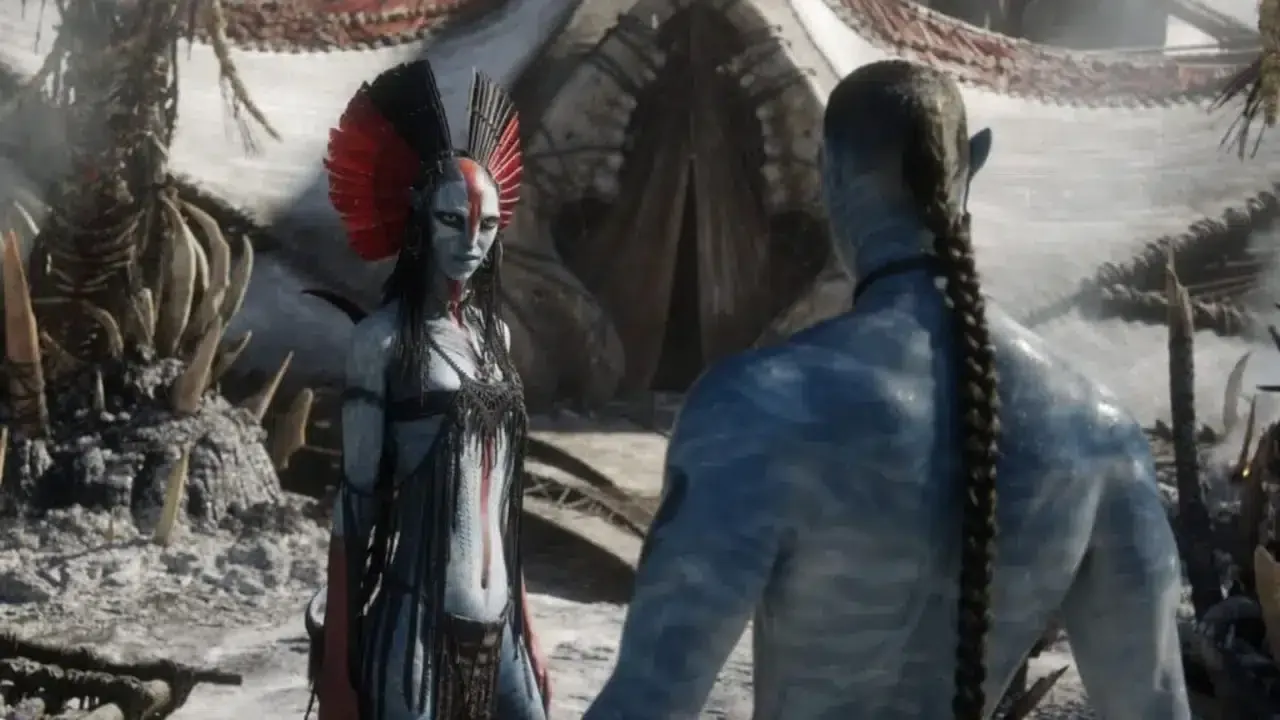
The promise of breaking the saga’s black-and-white morality rested on the shoulders of Varang, the formidable leader of the Ash People played by Oona Chaplin.
We were introduced to her as a pragmatic leader, forged in a hostile environment, rejecting Eywa’s spirituality in favor of survival at any cost. Her presence is magnetic and her philosophy offers a fascinating counterpoint to the blind faith of the Omaticaya.
The problem is, the script has no clue what to do with that complexity. Instead of exploring the reasons for her nihilism or the political tensions with other Na'vi clans, the film quickly reduces her to a functional antagonist, just another strategic ally for Quaritch.
Her potential to introduce a genuine moral dilemma for Jake and Neytiri just fades away. What happens when the enemy isn't a "sky demon," but one of your own kind with a different worldview?
The movie flirts with this idea but never dares to explore it fully, preferring to relegate Varang and her people to just another obstacle on the hero's journey—a wasted opportunity for the Avatar universe to truly mature.
If there were two characters capable of saving the saga from its own repetition, it was Kiri and Spider. Fire and Ash drops the script’s most radical ideas on them, only to leave them in a frustrating backseat.
On one hand, we have Kiri, whose divine nature is confirmed: she isn't a simple Na'vi, but a direct daughter of Eywa, a Pandoran messiah. On the other, Spider, the human turned walking miracle by gaining the ability to breathe Pandora’s toxic air, breaking the fundamental biological barrier between the two species.

These two twists should’ve made the Avatar universe implode. They should’ve forced a debate on faith, biology, and identity. However, the movie—scared of its own boldness—treats them as mere plot points.
Spider’s miracle, which should redefine the war for Pandora, quickly turns into another excuse for a chase sequence. Kiri’s divinity, instead of exploring the depths of her power and purpose, is used mainly as a deus ex machina in battle scenes.
Cameron shows us a god and a biological impossibility, but instead of building a new mythology around them, he forces them to participate in the same old family and military squabble. The potential was limitless, but the script barely dipped a toe in the water.
I’m left with the same paradoxical feeling as the predecessor: witnessing a technological miracle at the service of a story that refuses to evolve.

James Cameron, an undeniable visionary, has built a digital cathedral of breathtaking beauty, but its halls echo with a story that’s already been told.
The introduction of hostile Na'vi and the messianic revelations of Kiri and Spider were golden opportunities to give this universe the depth it desperately needs, but the script opts for the safe path—familiar spectacle and predictable confrontation.
The Avatar saga has become the most extreme example of modern blockbuster cinema... an experience you see, feel, and admire, but rarely remember for what it actually says.
The audience, as box office numbers and exit polls show, is still willing to pay the ticket price to dive into Pandora. The question hanging in the air, while two more sequels are announced, isn't whether Cameron can push the visual boundaries anymore, but if he’ll ever dare to push the boundaries of his own storytelling.
For now, the emperor of cinema is wearing the most spectacular motion capture suit ever created, but the story he’s telling? We’ve seen it before.





Comments 3