🎥💥 Anderson's Raw Revolution Ignites the Screen 🔥🗡️
Recommendations
It was early April 2025, and the world seemed to be crumbling apart slowly and relentlessly under political turmoil, my ventures teetering on the edge amid global unrest and personal burnout.
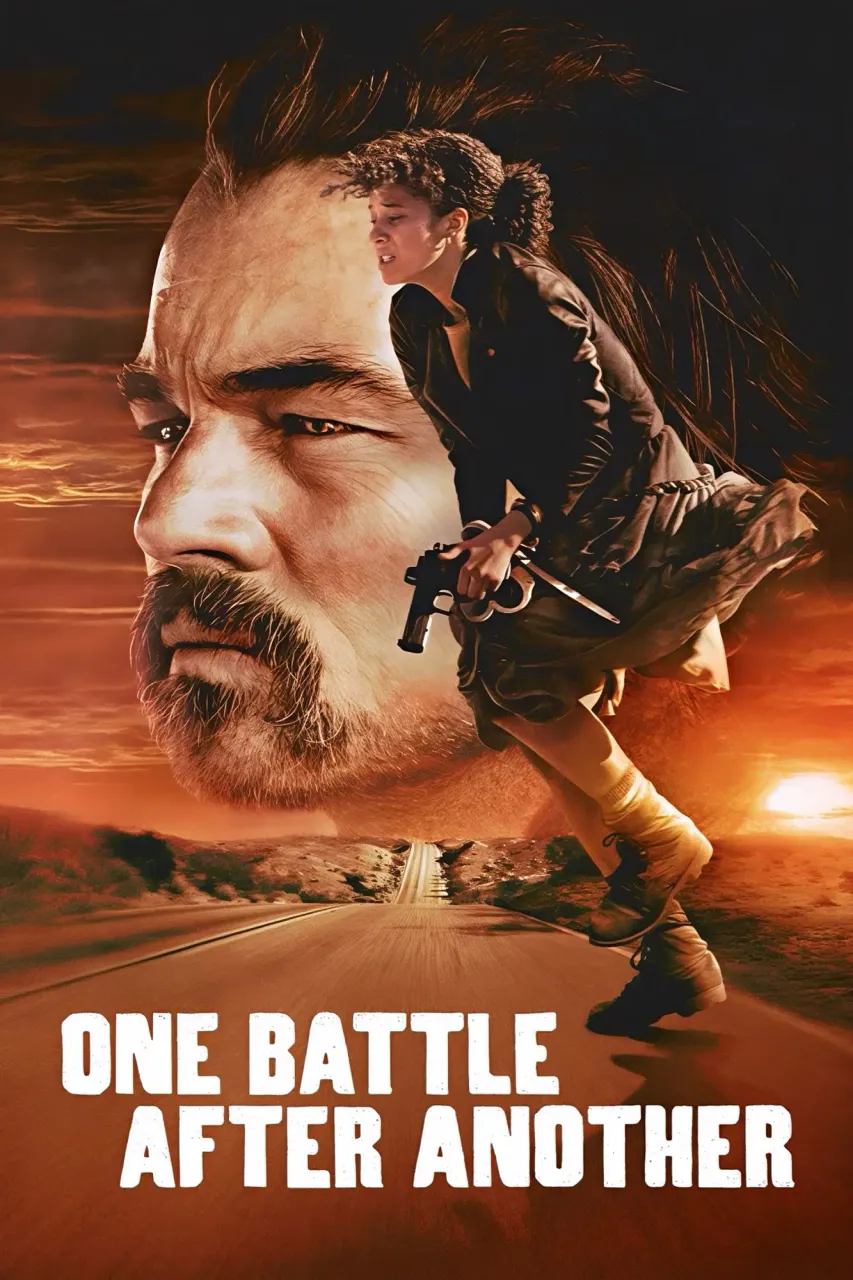
I headed to the cinema alone, drawn irresistibly by Paul Thomas Anderson latest masterpiece: One Battle After Another.
No red carpets or glamour, just sticky floors everywhere from spilled drinks. I remember the popcorn was ridiculously expensive, and the cinephiles were deeply disillusioned by other lackluster films that year.
The atmosphere buzzed intensely with that pre-screening electricity, the kind where strangers trade wild theories like contraband in the shadows. Someone behind me murmured about Leonardo DiCaprio channeling his raw rage from past iconic roles, as if we were all breathing the same heavy, collective defeat together.
Another passionately debated Sean Penn chilling, unforgettable villain; then the lights went out suddenly, plunging us into darkness. I braced myself for Paul Thomas Anderson usual expansive symphony—the rain-soaked confessions, the oil-drenched monologues—but this film didn't ease in gently at all. It exploded violently with an opening kidnapping sequence that pinned me to my seat firmly, reminding us brutally that paranoia isn't mere fiction, but our daily bread in this chaotic, surveillance-ridden era.
The movie plunges us headlong into a feverish, nightmarish dream: kidnappings by shadowy government agencies, murders in broad daylight, a vast web of corporate-government conspiracies mirroring the endless flood of leaks and deepfakes churned out by modern society endlessly. Saul, played masterfully by Leonardo DiCaprio—a once-fiery revolutionary turned weary suburban dad—stumbles blindly into a plot that devours his family ruthlessly without mercy.
Saul's sanity and last reserves of optimism are practically exhausted completely by the ordeal. Paul Thomas Anderson camera—restless, probing deeply into every shadow—captures not just the paranoia, but the profound exhaustion of fighting it endlessly against impossible odds.
No flawless heroes here whatsoever, just flawed, broken souls passing the torch amid machete-sharp betrayals and relentless sniper fire. Personally, what hit me hardest beyond the graphic gore was the destabilizing unpredictability—though there was a mid-film dismemberment, raw and arterial like a real-world atrocity scene from war footage, which drew collective gasps and a sepulchral silence from the entire theater audience.
Paul Thomas Anderson shatters thriller norms boldly and without remorse: protagonists maimed brutally in act one, allies vaporized without any warning, dogs ripping throats mid-negotiation savagely and without pity.
In that packed cinema hall, tension coiled like a spring wound tightly to breaking. No one relaxed even slightly amid the dread.
We were all barricaded in there desperately, ears covered tightly, awaiting the next devastating blast. While the world burns relentlessly on social media platforms daily without cease.
Yet amid the ferocious, unrelenting carnage, Paul Thomas Anderson lands a surprising punch of hard-earned optimism. Saul's final stand isn't hollow victory; it's a desperate handover—a battered, flickering hope to the next generation, a relay screaming "this damn battle continues forever". In the theater, it felt profoundly prophetic and cathartic deeply, reminding us the power struggle never ends truly, no matter the cost.
When I left the screening, I walked the humid city streets under unexpected rain, smoking a cigarette slowly and pensively, feeling truly seen at last for the first time. One Battle After Another didn't console or comfort me gently; on the contrary, it armed me fiercely with raw, unfiltered truth.
No other cinema experience would ever top it—not for its visceral terror, nor for mirroring our fractured lives perfectly and painfully with unflinching accuracy. Like Saul, we may not emerge intact from our own merciless enemies, but damn it, we'll keep swinging hard, generation after generation relentlessly without surrender.






Comments 2