Why Zootopia 2’s Nibbles Maplestick (Yes, the “Mad” One) Has Me Completely Hooked
General Reviews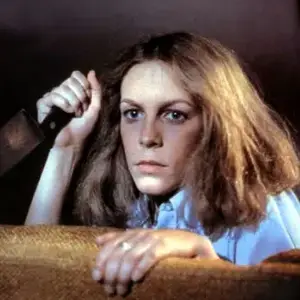
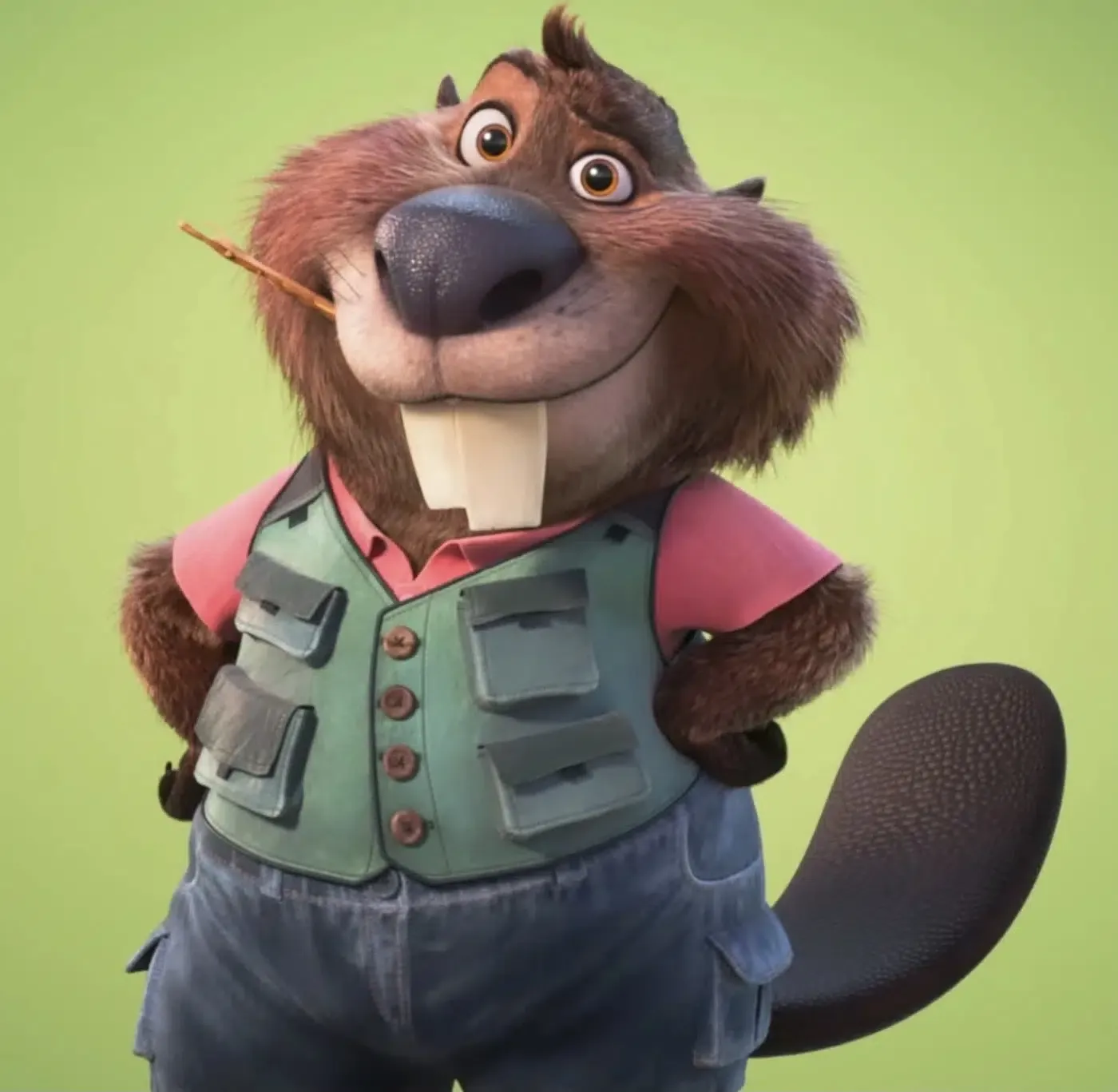
After watching Zootopia 2, I completely fell in love with the character Nibbles Maplestick. When she first appears, she’s unkempt—even disheveled—like someone obsessed with conspiracy theories: always unusually eager to chase down seemingly irrelevant details, such as how Zootopia’s founding anniversary falls on the same day as the city’s only historical snake attack, or posing absurd questions like, “Do snakes wear half a pair of pants, or one long sock?”
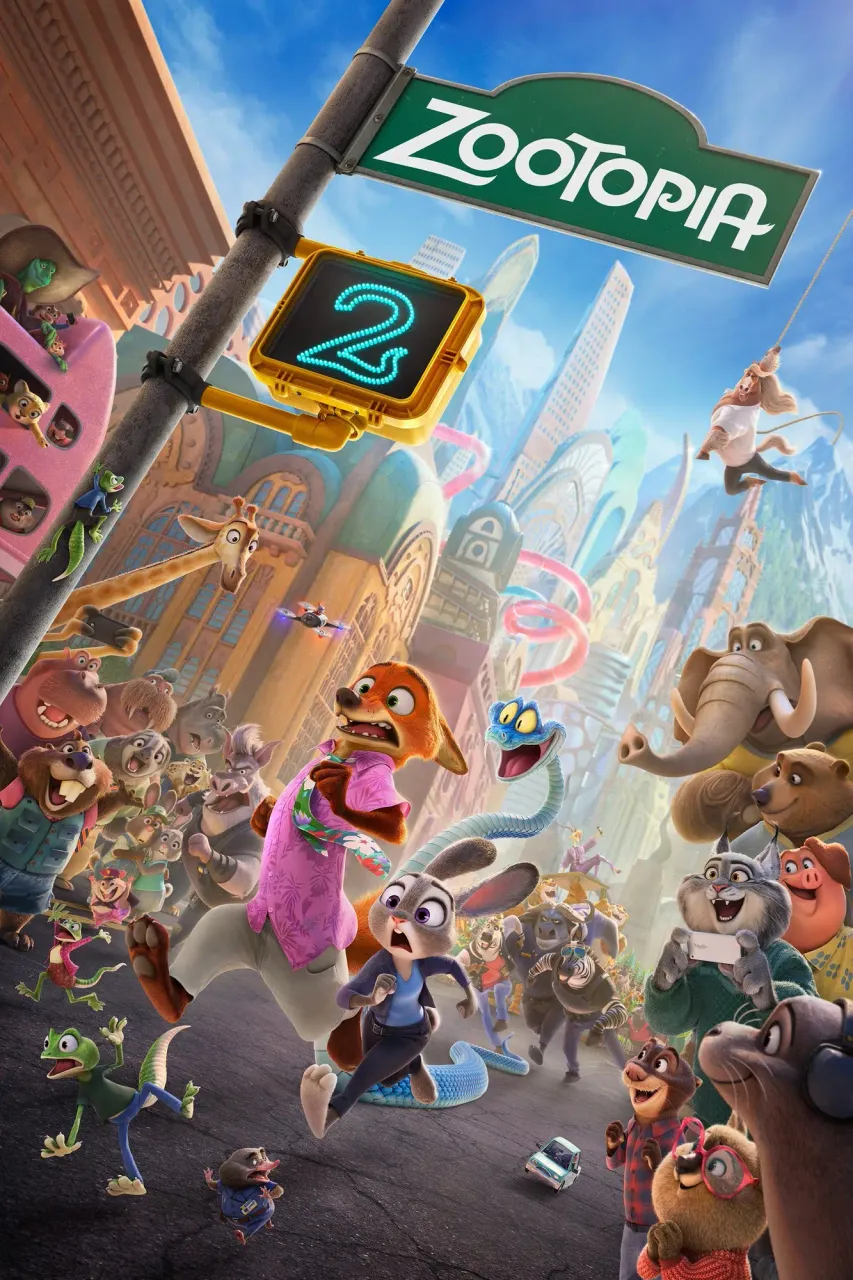
Just as Hollywood films had trained me to assume Nibbles was merely a disposable side character meant to guide Judy Hopps and Nick Wilde, Nibbles quickly integrated into the main team—armed with her ready-to-give wide-armed hugs and her unique talent for “prison breaking.” What’s more, her eloquence, honed from working as a podcast host, landed perfectly timed quips in many subtle moments.
Nibbles’ shining moment comes in Reptile City, when she sees a snake wearing a long sock: “It’s one long sock.” Tears well up in her eyes, as if she’s living out that timeless sentiment: “Hearing the truth at dawn, one can die content at dusk.” The passion she’s poured into obscure research finally gets its validation. As a viewer, I was moved both by seeing her passion vindicated and by Hollywood giving a female character—even a supporting one—such a pure, transcendent moment.
In the past, the “mad scholar” archetype—obsessed with research, just like Nibbles—was almost always male. Many viewers didn’t even realize Nibbles was female after watching the film, which precisely shows how deeply rooted such stereotypes are. In other words, “madness” in media seems to have a gender: male madness is often portrayed as extraordinary dedication to knowledge and exploration, while female madness is typically reduced to mental incompetence, irrationality, or even tied to romantic relationships—from Bertha Mason locked in the attic in Jane Eyre to Jasmine’s unraveling in Blue Jasmine.
But Nibbles’ “madness” is entirely different. It’s extraordinary passion and vitality: sustained attention to marginal topics, a keen eye for hidden connections between things. She cares about narratives outside the mainstream, can step beyond conventional frameworks to observe and think, and still maintains respect and curiosity for all life. Even when she suspects Pawbert Lynxley’s motives, she doesn’t rush to prejudge him. With solid professional knowledge and an unconventional approach, Nibbles never grows arrogant because of her uniqueness. Thus, what seems like eccentricity on her part is actually a vivid testament to her vibrant vitality.
In an almost playful way, Nibbles deconstructs the narrative of “female madness.” Her “madness” is a form of intensely focused brilliance—the purest expression of curiosity, liberated from rigid norms. She shows us what amazing insight and agency can emerge when women’s life energy is no longer directed toward obsessing over romantic relationships or policing their own appearance.
Nibbles also reminds me of Weird Barbie from Barbie. Like Weird Barbie, she’s an outsider to the mainstream—with a sloppy appearance and erratic behavior—yet she deeply understands the rules governing both Barbieland and the real world. In fact, it’s she who guides Barbie to find a way out. Notably, both unkempt Nibbles and messy-haired Weird Barbie break free from stereotypical expectations of female appearance. Even more striking: Fortune Feimster, who voices Nibbles, and Kate McKinnon, who plays Weird Barbie, are both openly gay women.
I’m not trying to simply label Nibbles as a lesbian. From a feminist perspective, a woman’s sexual orientation isn’t the key to gender oppression, nor should it be rigidly fixed. But the portrayals of Nibbles and Weird Barbie can indeed be seen as expressions of unfiltered womanhood. In reality, lesbian communities are often the first to recognize how patriarchal culture alienates women, and they’re more likely to escape the constraints of the male gaze—after all, being a lesbian makes it hard not to realize that “a woman needs a man like a fish needs a bicycle.”


This certainly doesn’t mean only lesbians can break free from men (like a fish distancing itself from a bicycle), nor is choosing to be a feminist necessarily linked to sexual orientation. The key is whether one is willing to actively escape that “masochistic” dynamic. More importantly, the existence of Nibbles and Weird Barbie lets us see an unwritten side of history: those marginalized women—mocked by the mainstream, uninterested in heterosexual romance—are nothing like the lonely, pitiful, self-pitying “old maids” of cultural imagination. They’re vibrant, authentic, and full of life force.
I believe characters like Nibbles and Weird Barbie will show more growing girls another possibility: pursuing dreams and exploring the world is inherently interesting; being unkempt can be pretty cool; and choosing not to pursue heterosexual romance is nothing to fear at all.
Nibbles' very existence is a gentle yet firm declaration: women can be explorers in the wilderness of knowledge, not objects to be observed and defined; they can passionately fixate on the world’s mysteries without being pathologized as “hysterical.” What’s more, she’s not a lonely “genius specimen”—she’s a figure who fits into a community and connects with others through hugs, breaking another stereotype that “intellectuals must be lonely and eccentric.”
Therefore, Nibbles’ significance goes far beyond being a likable supporting character. She’s a signal that narrative possibilities for female characters are expanding: they don’t have to be perfect, don’t have to be gentle, and don’t have to anchor their value in being mothers, wives, or lovers. A female character can embark on a journey simply because she “wants to know”—and in that process, redefine what strength is, what reason is, and what a life worth living looks like.
Ultimately, she invites every viewer—especially women—to reexamine that possibly suppressed, seemingly tangential passion within themselves, and seriously consider whether the direction that passion points to is what truly leads to freedom.



Comments 2