It's Okay to Have A Little Blue in a White Christmas
General Reviews
Sensory overload at Christmas is real. Twinkling lights, baking, cooking, shopping and the ‘red cups’ are viewed as KPIs for a successful holiday season. Frazzled parents everywhere feel the breakneck pace. Yet in the middle of the blizzard that is Christmas, movies can slow it all down and make it feel more cozy, bringing us back to a world where goodness is rewarded and there is still magic in the air if we look for it.
The classic movies are everything this time of year. One note from the score of Elf and I swear I can smell pine and hear the rustling of wrapping paper. If you’ve ever said the phrase “it’s not Christmas until I’ve watched (insert your favourite movie here with bonus points given if it includes Hans Gruber falling off a building)”, then you know movies hold nearly as much weight as real-life memories.
Home Alone, The Santa Clause, The Polar Express, Rudolph the Red-Nosed Reindeer, and A Charlie Brown Christmas filled our screens, both in the theatre and in our homes every year. But as we all grew up, something changed for some of us and if you are part of the lucky majority for whom Christmas is still nothing but magic, maybe stop reading here, but for others, there was a shift. Sure, the light was still there but it became tinged with something quieter - loneliness, skepticism, worry, or sometimes even grief.

And I’ve come to the stark realization that Christmas movies might have been preparing us for these feelings of melancholy or cynicism, or even the ache of loss all along.
In The Year Without a Santa Claus, a child grapples with disbelief in the poignant song “I Believe in Santa Claus” and it brings a lump to my throat every time. Nester, the Long-Eared Christmas Donkey will elicit real tears in one of the most heartbreaking holiday tales ever told. The undisputed masterpiece, A Charlie Brown Christmas, carries adult melancholy within its simplicity. Charlie’s sadness about the holiday’s commercialization feels eerily prophetic and as we grew up, we came to understand him all too well.
When we were children, time felt infinite. Each December felt like it could stretch on forever with every moment packed with anticipation. I come from the “circle what you want in this two-inch thick catalogue” generation and each circle was like a wish launched into the atmosphere. As an adult, the season arrives like a checklist: decorate, shop, wrap, attend, bake, smile.
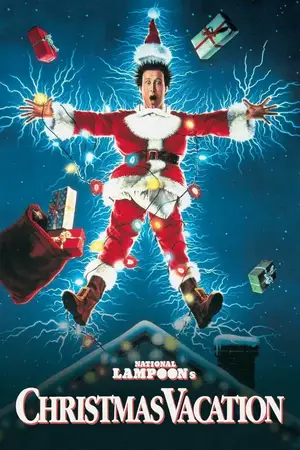
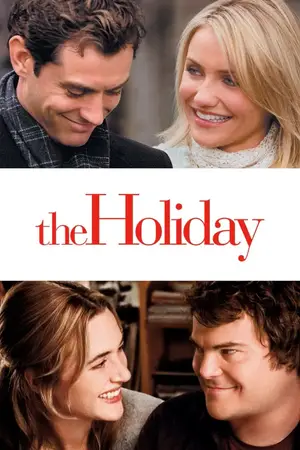
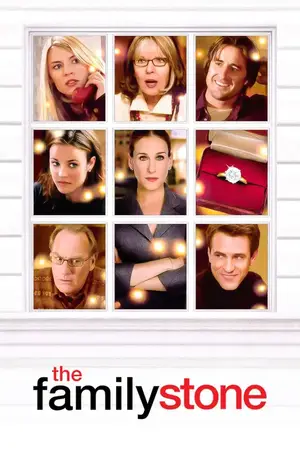
Movies meet us there, too. Stories like the Griswolds’ chaotic Christmas resonate because they mirror our own lives. But just like Clark watching old family movies while stuck in his attic, nostalgia creeps in, bringing memories of simpler times when we didn’t know the cost of gifts, or the ache of an empty chair. It’s no coincidence that many adult-oriented Christmas movies are steeped in melancholy. It’s a Wonderful Life, The Family Stone, and even The Holiday grapple with loneliness, loss, and the complicated bonds of family. Christmas for adults is sometimes less about wonder and more about the ghosts of what might have been.
Watch Home Alone as a child, and it’s a slapstick adventure about an ingenious kid defending his house. Watch it as an adult, and you see an emotionally neglected boy desperate for his family’s attention, and a lonely old man estranged from his daughter.
Part of what makes Christmas hard as an adult is that it’s a recurring reminder of time’s passage. Each moment holds a future memory and it becomes a memory much too quickly. One day when you make grandma’s shortbread, you’ll do it in memory of her rather than with her. You won’t see a movie without thinking of someone who used to enjoy it with you or hear a song without recalling who sang it off-key in your kitchen years ago.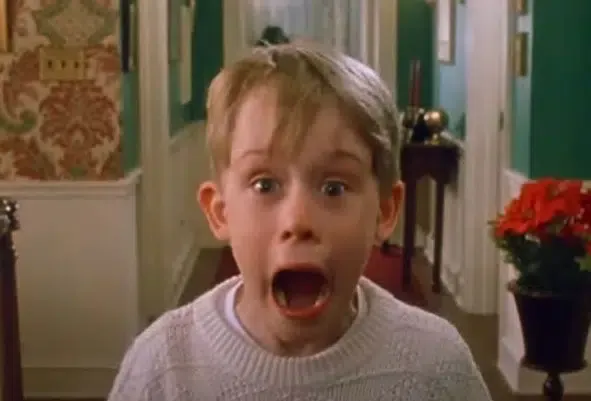
Movies give us that bittersweet mix of love and grief. They show that joy and sadness coexist because that’s what joy and sadness are meant to do. That’s what it means to be human. In It’s a Wonderful Life, George Bailey learns the meaning of his existence only after facing despair. There is a happy ending, yes, but adulthood isn’t effortless, it’s earned.
Even lighter films understand there is a balance. The Grinch (cartoon or live action, take your pick), The Santa Clause or Elf all feature protagonists who rediscover belief through childlike wonder. Tim Allen’s character in The Santa Clause is a divorced father learning to reconnect with his son, and Elf’s Buddy heals a family fractured by a cynical father and emotional distance. And we all know the Grinch’s heart grows three sizes when he chooses connection over bitterness. These are all adult lessons revealed under the tinsel when you pull back the debris of adulthood.
The sadness adults feel at Christmas isn’t proof the magic is gone, it’s evidence that it mattered. The ache comes from remembering a time when joy felt easy and everything seemed more simple because it probably was. Accepting that Christmas has evolved means knowing where to look for it. Stand in a shopping mall and watch little kids see the mall Santa and wonder whether that’s really him. Look at Christmas lights - really look at them shimmer. Bundle up for a walk in the snow, or curl up under a blanket with the movie that makes you still believe.
Because the magic never disappears. Christmas movies remind us that the holiday’s emotional palette is richer than just red and green - it’s wonderfully and painfully painted in golds of nostalgia and blues of longing, and even the more subdued colours remind us that the vibrant ones are still there. As children, we saw magic, but as adults, we understand the slight of hand behind it and maybe that’s what makes Christmas special.







Comments 5