When the Shadows Write: Why Film Noir Will Always Be the Ink of Our Obsessions
General Reviews
> In noir, morality’s gray—but passion bleeds black.
> Turn off the light. Let the shadows tell the story.
---
Midnight in the Office of the Soul
Streetlight tries to cut through my blinds, but all it manages is a silver sliver drowned in dust. It’s midnight—or maybe four in the morning. In this city, in this genre, time’s just another fog bank rolling in.
So what is it that pulls us—generation after generation—into this world where virtue’s a luxury no one can afford, and where rain almost always means someone’s about to die?
Film noir isn’t just a stack of movies shot between 1940 and 1958. It’s the cynical mirror held up to the human condition. It’s the artistic echo of the postwar soul: raspy, world-weary, whispering that happy endings are a Hollywood lie sold to the gullible. And now, Peliplat throws down the gauntlet: “A Noir of Your Own.”

This isn’t just a writing contest. It’s an invitation—to sit in the director’s chair, light a cigarette under the glow of a desk lamp, and build your own mythology of shadows, desire, and betrayal.
It’s time to stop watching from the dark.
It’s time to start building your own labyrinth of moral ruin.
---
I. The Birth of Darkness: From German Expressionism to Hard-Boiled Truth
1.1. German Roots: When fear became geometry
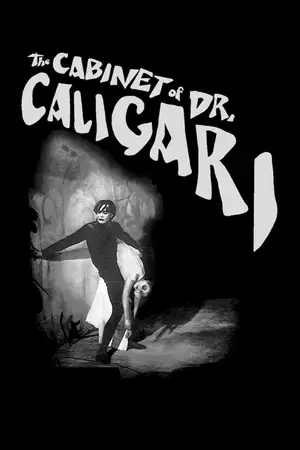
Long before trench coats and smoldering glances, there was a broken continent. Post–World War I Germany didn’t just carry physical rubble—it carried an anxiety too deep for words. So cinema drew it instead. In The Cabinet of Dr. Caligari (1920), streets didn’t run straight; they coiled like bad dreams. Shadows didn’t decorate—they accused.
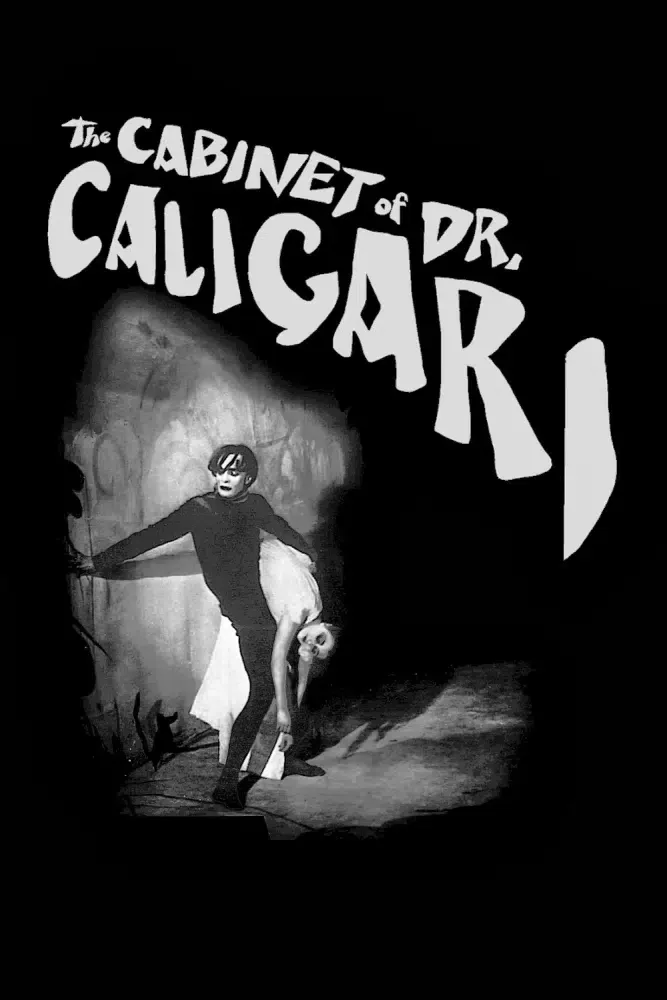
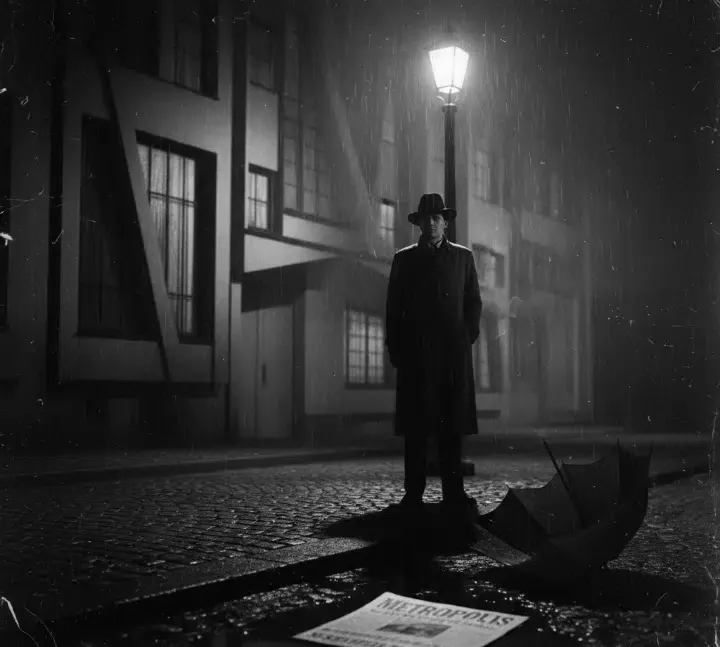
Directors like Murnau, Lang, and Wiene brought that unease to Hollywood, fleeing fascism or the hollow ache of defeat. And there, in the backlots of RKO and Warner Bros., their visual language met an America that had stopped believing in its own myth. The Great Depression. The war. Collective trauma. German Expressionism wasn’t imported—it was recognized. It was the face of a world that could no longer pretend to be innocent.
1.2. Hard-Boiled Lit: Hammett didn’t talk—he spat truth
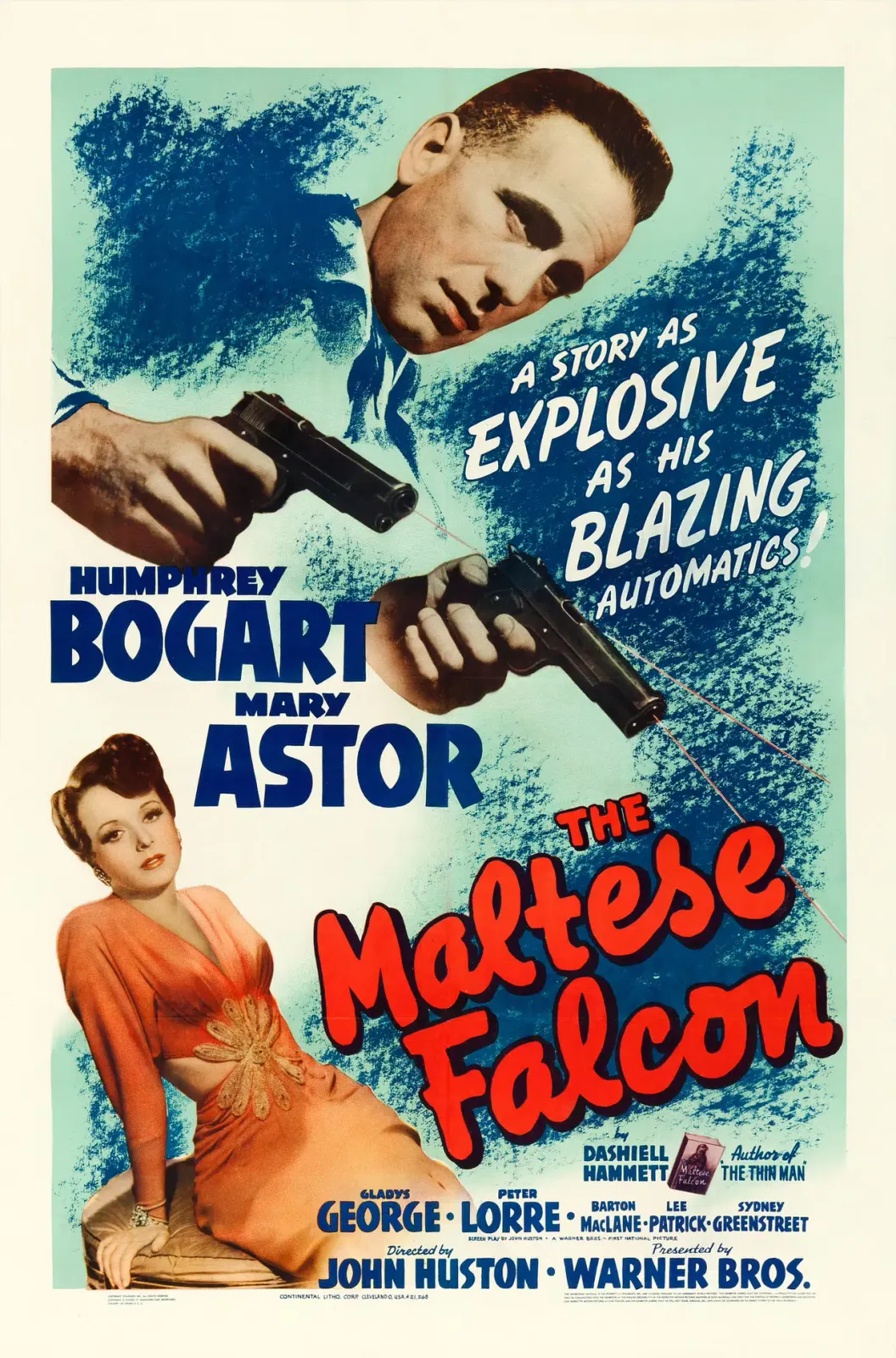
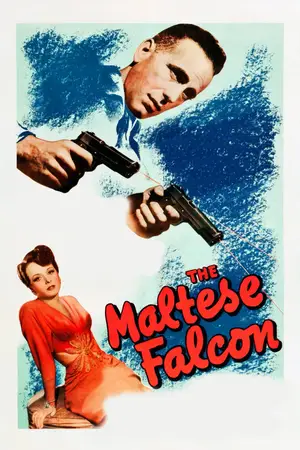
While cinema learned to sculpt with shadow, literature learned to speak in silence. Dashiell Hammett, ex–Pinkerton operative, didn’t write novels—he filed reports from the frontlines of the soul. In The Maltese Falcon, Sam Spade isn’t a hero. He’s a man who knows loyalty has a price—and sometimes you pay it with your dignity.


Then came Raymond Chandler, more poet than pulp writer. For him, the detective didn’t solve crimes; he wandered through the wreckage of the American Dream, picking up what no one else wanted to see. His lines cut like glass wrapped in velvet: “The law isn’t justice. It’s a very imperfect mechanism.”
In noir, dialogue doesn’t explain—it exposes. Every word is a gesture. Every silence, a confession.
1.3. War and Pessimism: The 20th century’s soul, rendered in celluloid
Film noir wasn’t born in a studio. It was born in the eyes of soldiers who came home knowing the real monsters weren’t overseas—they were next door. It was born in women who discovered they could work, want, choose… and terrified a system built on control.
The optimism of the ’30s shattered like cheap glass. In its place, cinema reflected a world where no one trusted anyone, where love was a trap, and justice was theater. Noir isn’t pessimistic because it wants to be. It’s pessimistic because it tells the truth other genres refuse to face: we live in a world with no guarantees.
---
II. Anatomy of a Genre: The Narrative Heart of Noir
2.1. The Weary Detective: He doesn’t save the world—he just drags himself through it
Philip Marlowe. Sam Spade. Jake Gittes.

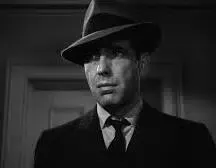
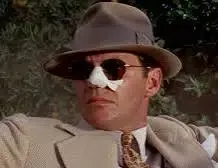
They’re not saviors. They’re witnesses. They wear suits, but their souls are in their undershirts. They smoke without joy, drink without pleasure, love knowing it’ll hurt.
They don’t fight for justice—they fight not to become what they chase.
The noir detective has no superpowers. Just instinct, yes—but more than that, the patience to endure rot. And that’s where his heroism lies: in walking on, even when he knows there’s no redemption at the end of the hall.
2.2. The Femme Fatale: She’s not the villain—she’s the mirror
She walks into the room, and the air thickens. She doesn’t need to shout—her presence is enough. From Phyllis Dietrichson in Double Indemnity to Kathie Moffat in Out of the Past, the femme fatale isn’t some evil seductress. She’s a woman who learned to wield the only thing the world let her have: her desire—and the way men saw it.
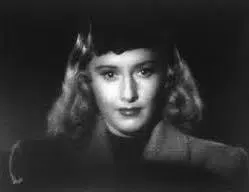

She doesn’t ruin the protagonist. She forces him to choose between his ideals and his instincts. And in that choice, he always loses. Because in noir, desire isn’t dangerous for what it offers—but for what it reveals about us.
2.3. Flashbacks & Voiceover: Memory as punishment
Noir rarely unfolds in the present. Because the present is already dead. The story is told by someone who’s already seen the end, who already knows how it all collapses. Voiceover doesn’t narrate—it confesses. Flashbacks don’t recall—they dig.
This structure isn’t a gimmick. It’s a way of saying: “You can’t outrun what you’ve done.” Every memory is a door you can’t shut. Every image from the past is a bullet already in flight.

---
III. The Aesthetics of Despair: A Visual Language Like No Other
3.1. Low-Key Lighting: Darkness doesn’t hide—it reveals
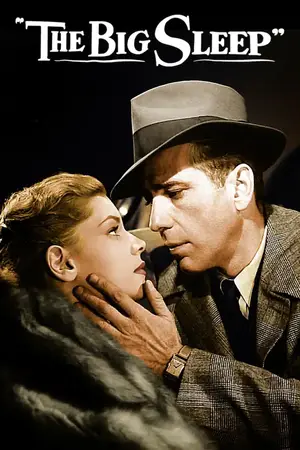
In noir, light doesn’t illuminate—it divides. A face split in two: one eye in shadow, the other in doubt. The shadows in The Big Sleep or Laura aren’t decoration—they’re psychological. Every streak of darkness across a cheek says more than a thousand lines of dialogue.
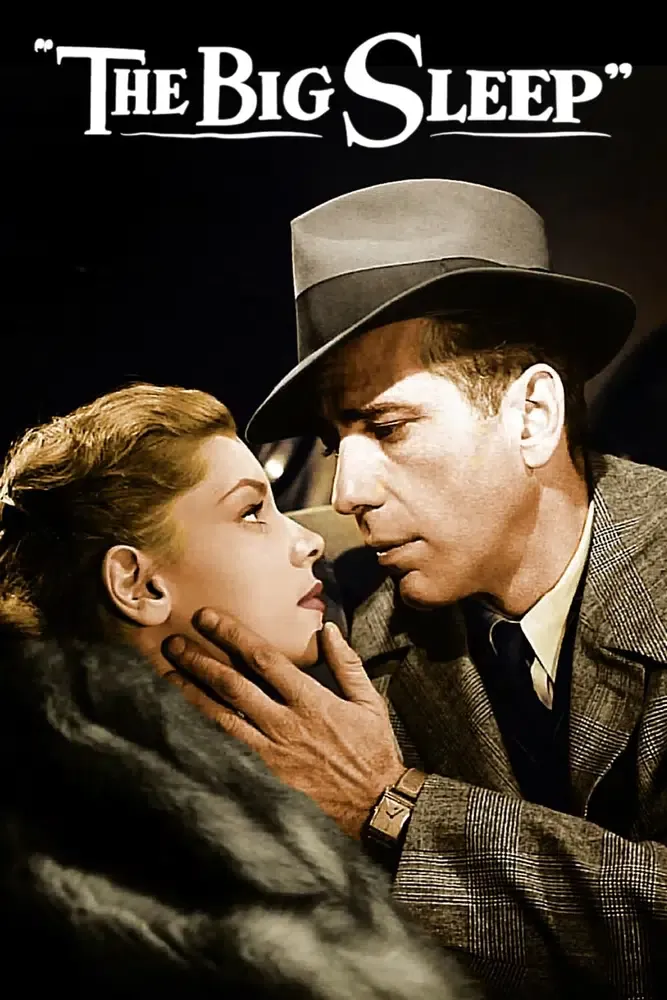
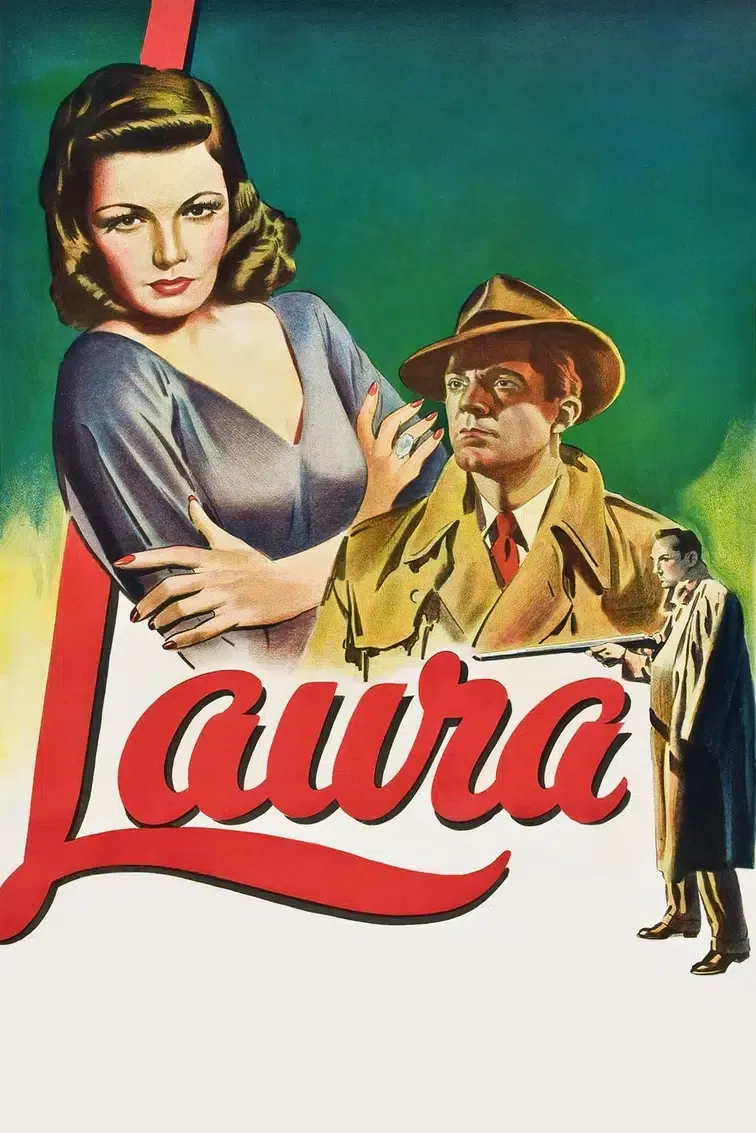
Noir understands something most genres miss: what you don’t see hits harder. The threat isn’t in what happens—it’s in what might happen in the dark.
3.2. Dutch Angles: When the World Comes Off Its Hinges
Noir cameras don’t look you in the eye. They can’t. They’re tilted—like the ground dropped out from under them, like they just saw something so raw it knocked the truth clean out of alignment. They linger in doorways, steal glances from corners that were meant to stay dark and forgotten, watch from places that should be empty… but never really are. Ceilings don’t shelter anymore—they press down like jail bars you didn’t know you’d built yourself. Stairs don’t lead up; they sink. They pull you downward into basements where secrets rot and light goes to die.
This isn’t flashy technique. It’s the shape of a world that’s lost its moral compass. Nothing lines up because nothing’s fair. Justice doesn’t stand tall anymore—it stumbles, leans, sometimes doesn’t even bother getting back up. And us? We drift through this warped landscape like ghosts dragging our regrets behind us, shoulders curled against a sky that stopped making promises a long damn time ago.
Everything spins crooked. And so do you—not because you want to, but because you’ve forgotten what it feels like to stand straight.
3.3. Streets and Skyscrapers: The city isn’t a backdrop—it’s an accomplice
There’s no generic city in noir. Only cities with memory, with scars. New York. L.A. San Francisco. They’re not postcards—they’re characters. Windows watch. Alleyways breathe. Rain-slick asphalt reflects not just neon—but broken choices.
The noir city is a prison without bars. You can walk its streets, but you’ll never escape yourself.

---
IV. The Modern Legacy: Neo-Noir and the Evolution of Shadow
4.1. When Darkness Went Color: The black soul in a new palette
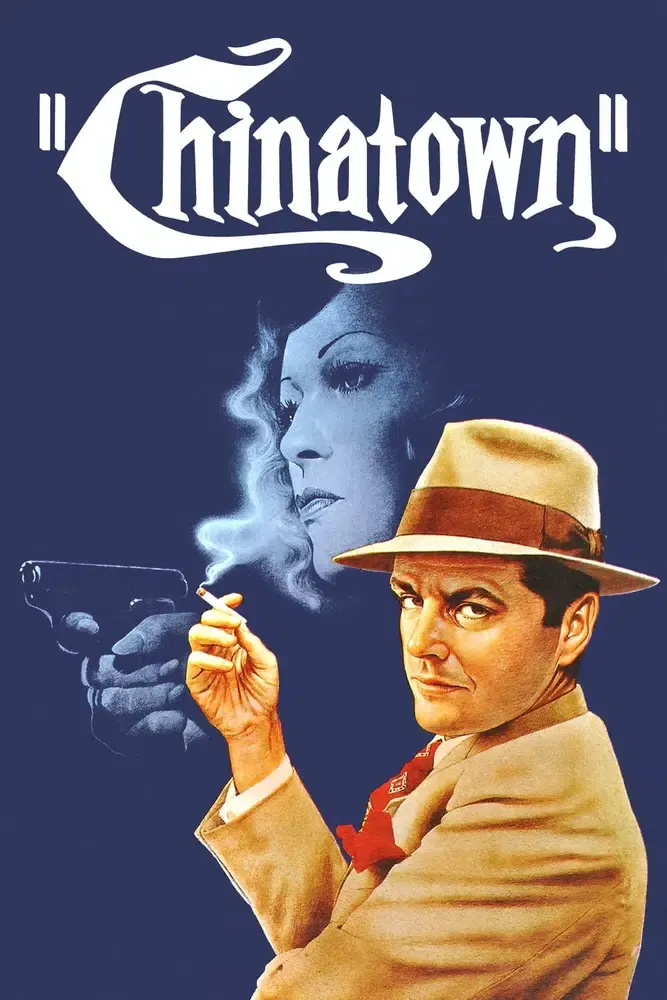
Noir didn’t die in the ’50s. It just learned to wear color. Chinatown (1974) is as noir as Double Indemnity, even if the sun burns your eyes. Corruption isn’t in alleyways—it’s in boardrooms. Jake Gittes doesn’t smoke for style; he smokes so he won’t scream.
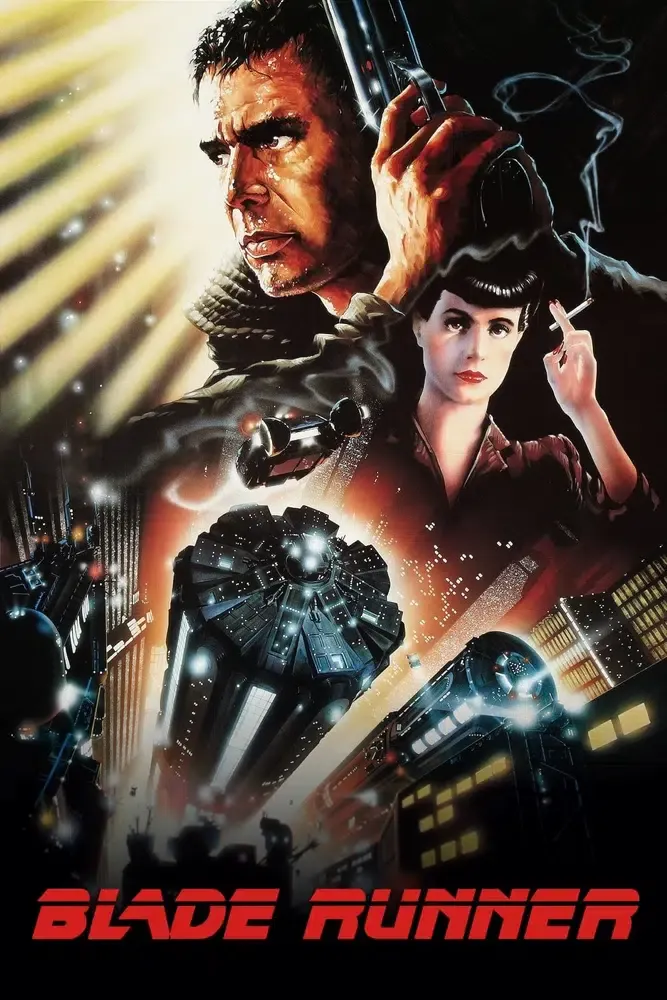
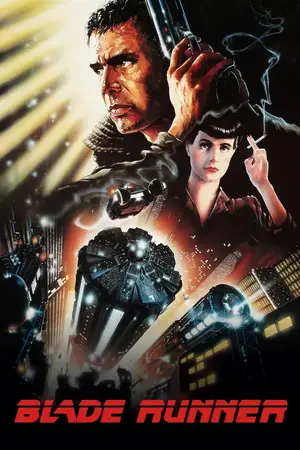
Then came Blade Runner (1982). What’s more noir than a detective hunting replicants—and realizing his own humanity might be a lie? Rain still falls, but now it hits skyscrapers that scrape an artificial sky. Despair went futuristic—but never less real.
4.2. Noir in the New Millennium: In the age of algorithms, fatalism is digital
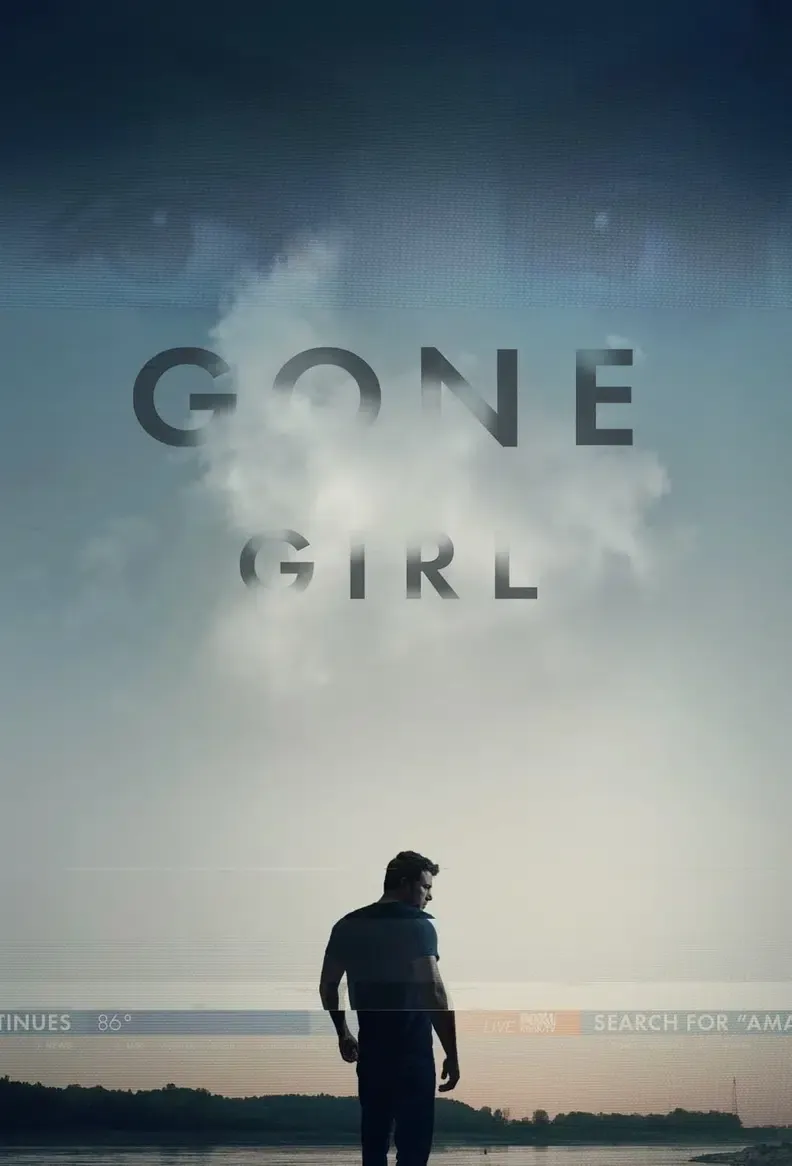
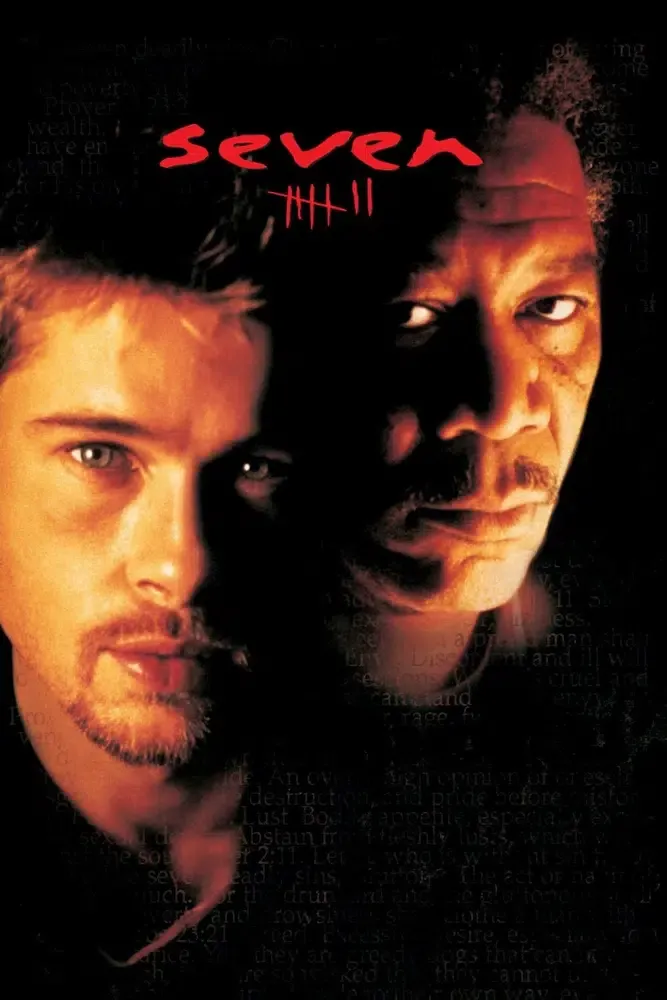
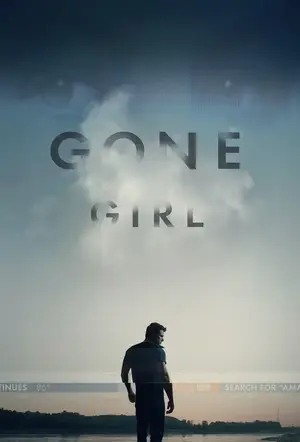
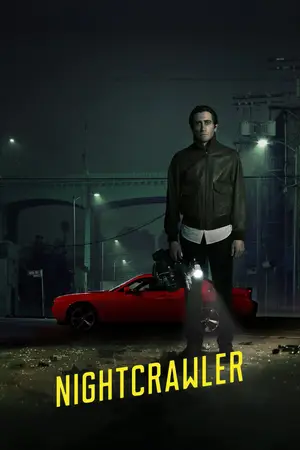
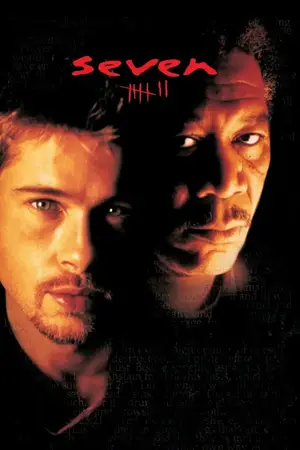
Today’s detective doesn’t have an office with blinds. He’s got a laptop, a burner email, and a conscience too small to save him. In Gone Girl, the perfect crime is planned in Excel. In Nightcrawler, voyeurism becomes a business model. In Se7en, evil isn’t passionate—it’s ideological.
Modern noir doesn’t need fedoras. It needs screens. And on those screens, we still see the same questions: How far will you go? What part of yourself are you willing to sell?

4.3. Beyond Film: Noir in Comics and TV
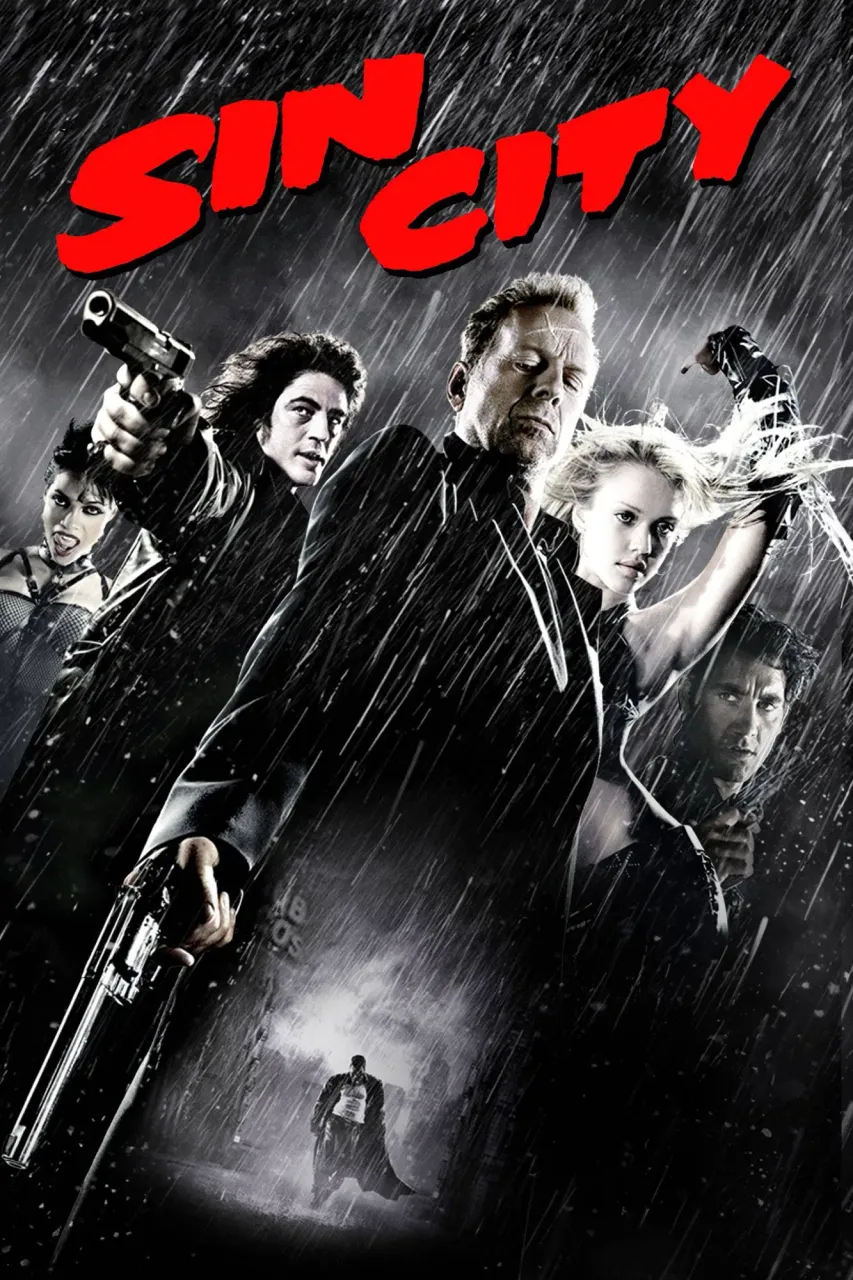
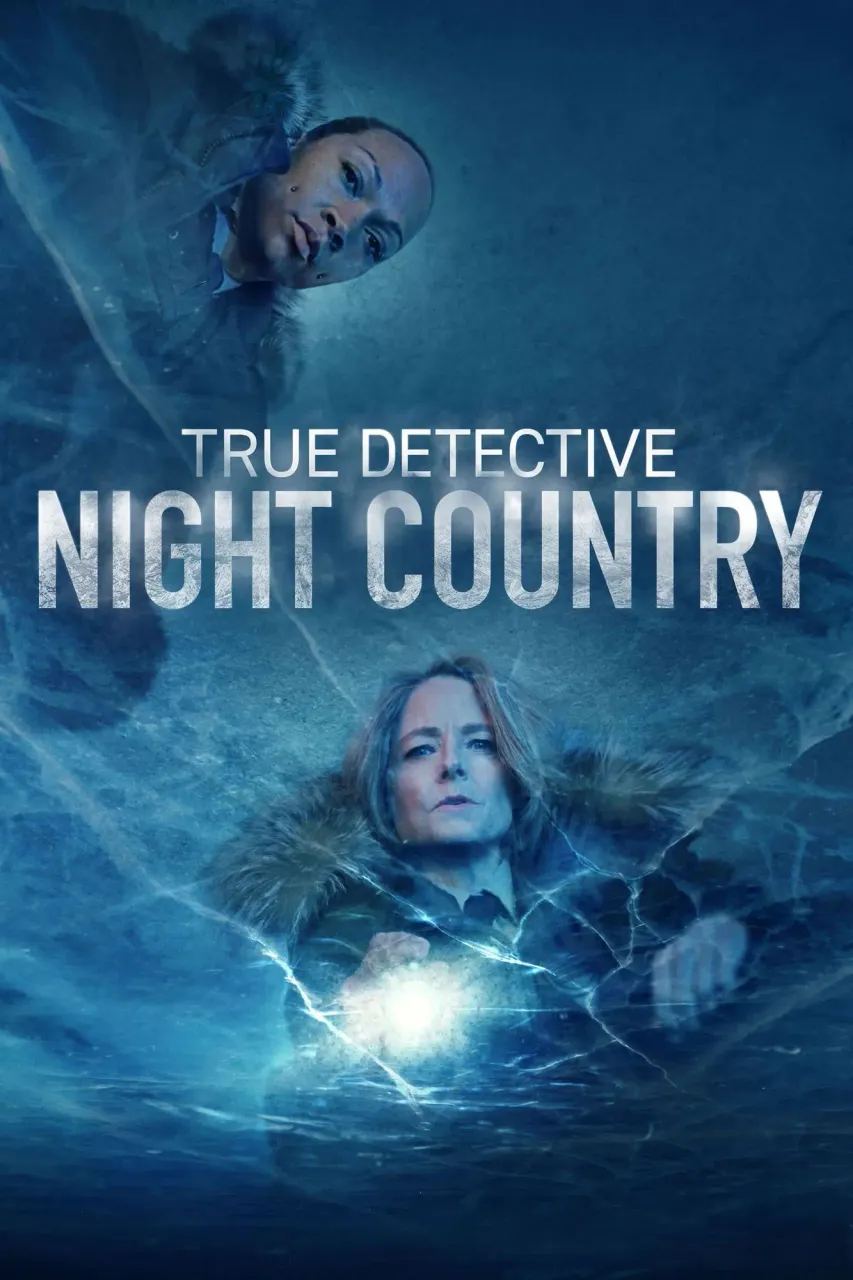
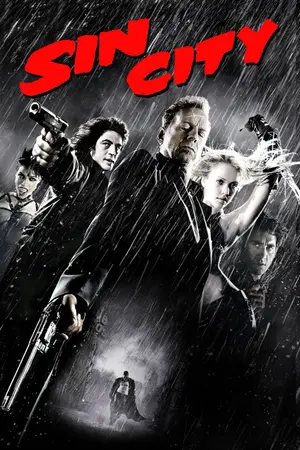
From Sin City to True Detective, noir has multiplied—but never diluted. Frank Miller didn’t draw panels; he drew heartbeats in black and white. And Rust Cohle in True Detective doesn’t just solve crimes—he mutters lines that sound like atheist prayers: “Time is a flat circle.”
The genre adapts, but never betrays itself. Because its core was never visual—it was existential.
---
V. The Personal Challenge: How to Write Your Own Noir
5.1. It’s Not About the Crime—It’s About the Choice
Don’t write about a murder. Write about the moment your character decides to lie—and starts believing the lie himself. Noir isn’t about what happens. It’s about why —and that “why” always cuts deep.
Your story needs a morally broken heart. Not a villain. A temptation. Not a happy ending—a human one.
5.2. Sharp Dialogue: Every line should sting or soothe
In noir, less is more. A glance says more than a monologue. A pause outweighs an explanation. Write like every word costs you cash—and silence is the rarest currency.
Study Chandler. Read Cain. Listen to how exhaustion sounds in a single line: “I’m no angel. Just a guy trying not to sink.”
5.3. Your Voice in the Fog: Why your story matters for this challenge
“A Noir of Your Own” isn’t looking for mimics. It’s looking for visionaries. For people like you—who’ve walked real streets with eyes fixed on those films that made you feel less alone in your distrust of the world.
Your city. Your history. Your way of seeing love as a losing bet—that’s what noir needs now. Not more clichés. More truth. More voice. More you.
.
---
VI. Conclusion: Noir as Our Eternal Reflection
Film noir isn’t a relic. It’s a mirror that refuses to flatter. It looks at us with tired eyes and says: “Yeah, the world’s like this. And you’re a little like this, too.”
Maybe that’s why it never fades. As long as there’s doubt, desire, betrayal—as long as there’s us, with our contradictions and quiet failures—noir will live.
And now, with this challenge, we don’t just honor it.
We feed it.
We give it new ink.
New shadows.
Our own wounds turned into story.
So pick up the pen.
Turn off the light.
Let the rain fall onto your page.
Because noir isn’t written with rules.
It’s written with the truth that hurts—
and the beauty that grows from that wound.
> Share your shadow. Write your noir.
> Because in every dark story, there’s a hidden act of hope: the stubborn will to keep telling it, even when you know no one will believe you.
---



Comments 3