Back to School and Back to Midnight Movies With 'Donnie Darko'
General Reviews
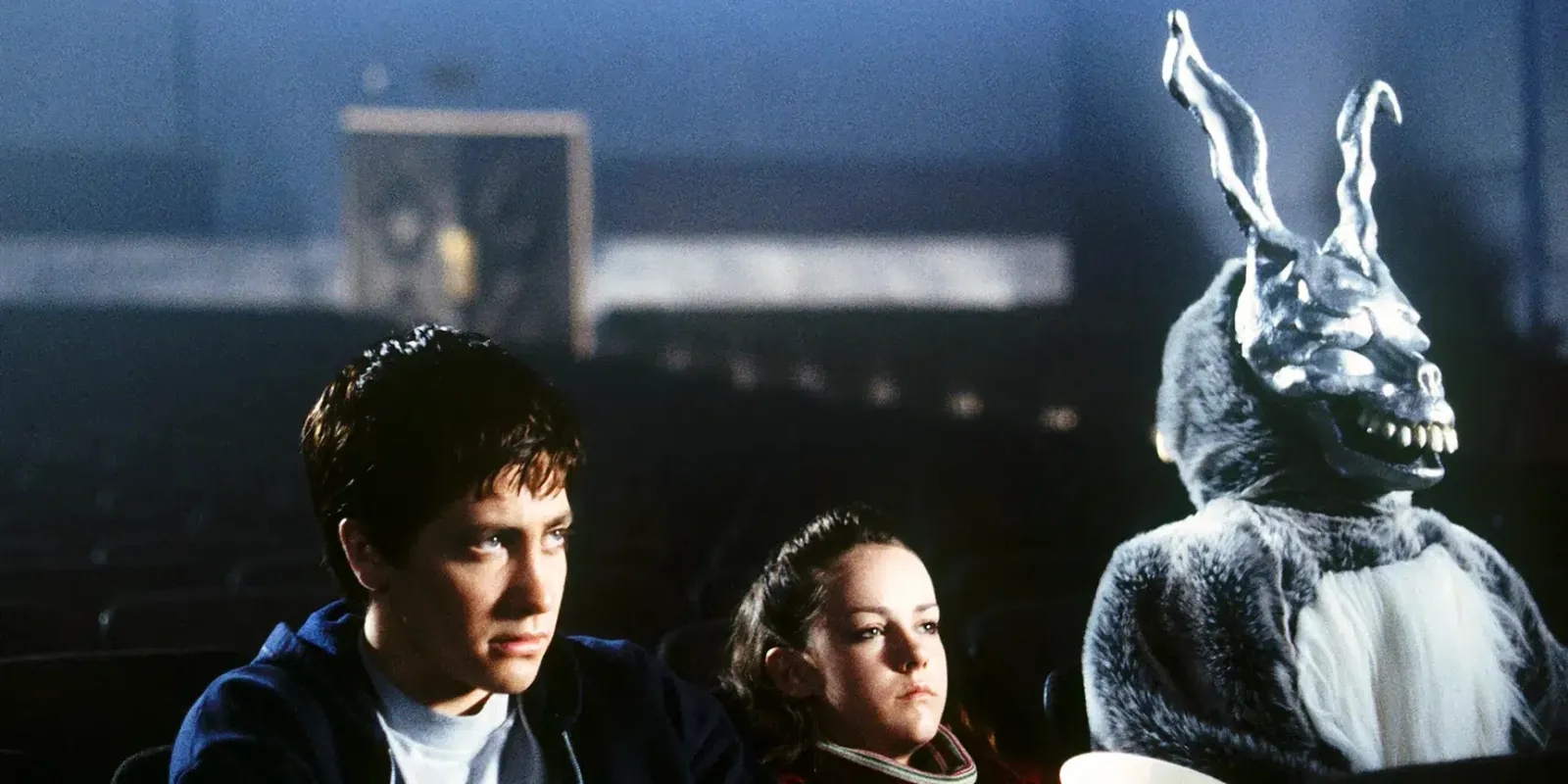
It's back-to-school season, and that means that somewhere in the world, a teenage boy is soundly sleeping on his bed, anxiously thinking of what kind of high school drama awaits him the next day. However, it's quite unlikely that that teenage boy will be crushed in his sleep by a time-traveling jet engine. That's the kind of thing that only happens to kids like Donnie Darko.
Midnight Movies
The phenomenon of midnight films is such a layered and complex one that there are subsections of film studies and cult cinema scholarship fully dedicated to understanding why, exactly, 12 AM is such a magical number when it comes to watching movies.
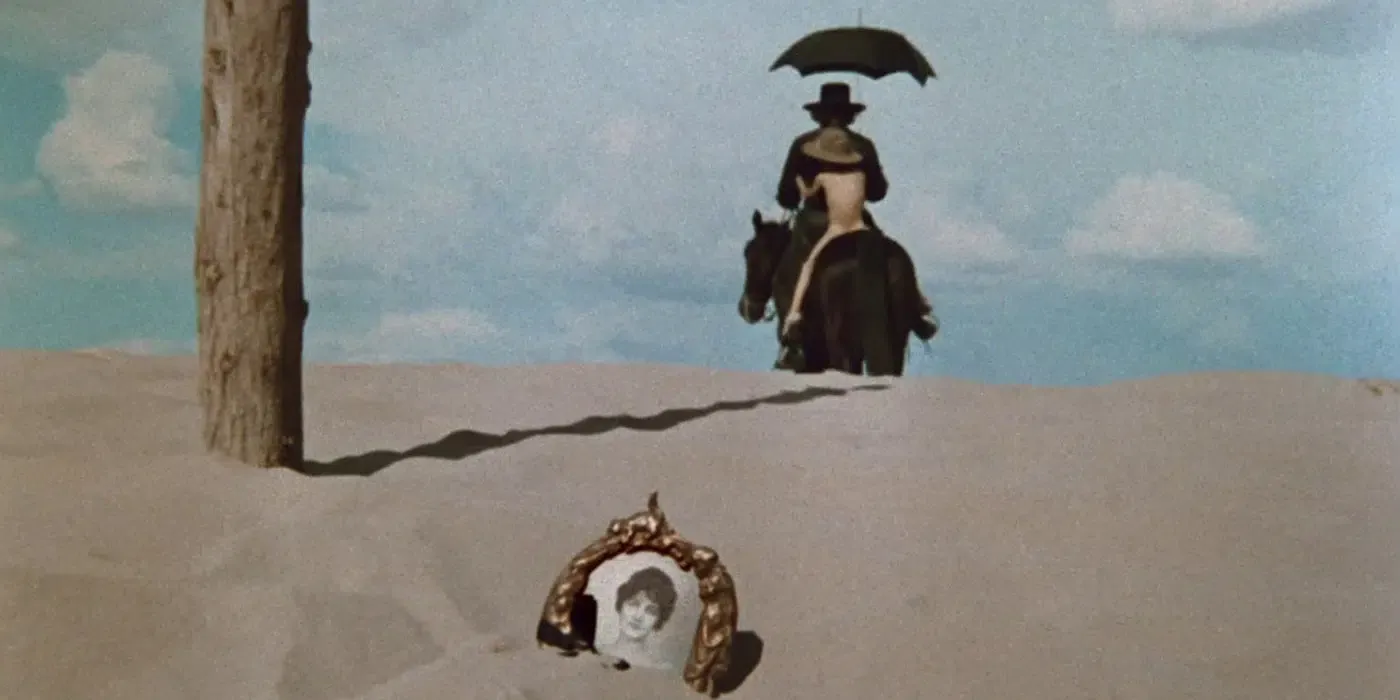
The history of midnight screenings can be traced back to the U.S. around the 1930s, when films were screened around the turn of the day at upper-class functions like fundraisers and political events. But true midnight films as a cultural phenomenon were born in New York and Los Angeles around the 1960s, when certain avant-garde theatres began to see the value of an underground market that drew a countercultural audience, younger viewers who felt marginalized by mainstream culture. What's more countercultural than hijacking and appropriating a cultural practice usually reserved for the upper class? With the success of Alejandro Jodorowsky's El Topo in 1970, the movement of midnight movies really took off.
12 in the morning wasn't just arbitrarily picked as the cornerstone of this movement. It's a naturally defiant time, an opportunity to engage with cinema at an hour when most of the outside world is asleep. It lends the movement exclusivity and passion. You don't go watch a film at midnight unless you're committed to the art form, eager to prove that you're not part of the pesky mainstream.
By its very nature, this branch of cult cinema was rebellious and anti-establishment. People wanted to watch transgressive, boundary-breaking movies (sometimes with the aid of illegal substances), ones that they could feel strongly about and watch over and over again. Even as counterculture lost momentum and midnight movies became more widespread, performative, and self-referential—maybe even *gasp* mainstream—, the movement was still alive.
It was between the ‘80s and ’90s, with home video's arrival into the scene, that midnight screenings slowly started to be replaced by this new viewing experience. Midnight films only showed up sporadically, and they weren't really there to revive the movement, just nostalgically revisit it. Suddenly, Donnie Darko crash-landed into this environment.
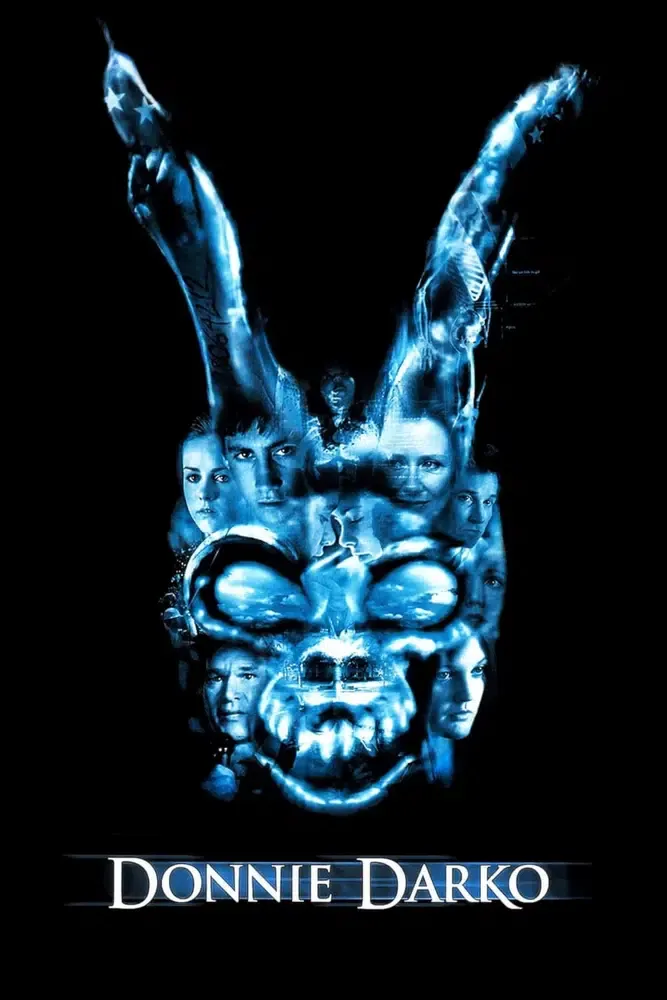
The film was slated for a Halloween weekend release in 2001. Perfect for a dark, esoteric drama about the end of times. However, after the attack on the World Trade Center in September, audiences weren't exactly craving apocalyptic films about jet engines destroying buildings. Donnie Darko was a flop, but that wouldn't be the case for long. Upon the film's release on home video in early 2002, the cult fandom that anyone even slightly familiar with the film knows today started to bloom. Midnight screenings started to pop up in New York and L.A., and people were then going home to rewatch the film and come up with theories on its almost impenetrably bizarre story. To this day, people are still coming up with new ideas as to what, exactly, the narrative is about. No explanation fully makes sense, and perhaps that's the whole point.
Donnie Darko became a cult hit on the midnight circuit, essentially bringing it back to life after its period of dormancy. But this was a new kind of midnight cinema, one which film scholars Ernest Mathijs and Jamie Sexton call the meta-midnight circuit. It's a far more self-referential midnight circuit, where audiences are aware of the legacy and history of this cultural phenomenon and specifically set out to celebrate it and keep it alive. I don't think there was a movie more perfect to spark this revival than Donnie Darko.

School and Youth = Rebellion
Midnight films were born as a movement to celebrate revolting against the forces of the mainstream, so it's no coincidence that the movie that brought them back was one about the value of resisting the powers-that-be which try to suppress the rebellious nature of youth.
Donnie Darko is set in the ‘80s, and the Dukakis vs. Reagan election is a significant plot point in the story. Critiquing the stiff, repressive aspects of neo-conservative suburban America is a huge theme of the film, and it’s never coy about it. There are comments on book bans, gun control, and pedophilia, and Donnie's Middlesex High School is painted as the home of these forces. In this film, kids have the power to change the world, but the grown-ups around them don't want them to change the status quo.
The story opens with Donnie depressed and conflicted. He doesn't like the way things are, and he doesn't want them to be that way anymore. Speaking of Graham Greene's short story The Destructors, he says:
“Well, they say it right when they flood the house, and they tear it to shreds that, like, uh, destruction is a form of creation. So the fact that they burn the money is ironic. They just want to see what happens when they tear the world apart. They want to change things.”
Donnie wants to do precisely that: Tear the world apart and change things. But it's not until he starts dating Gretchen Ross that he discovers a reason to want to change the world, not destroy it. So, when he ultimately decides to sacrifice himself and use his powers to send the jet engine that was supposed to kill him back in time to complete its mission, it's a weighty and significant sacrifice. It's a highly purposeful channelling of his rebellious spirit to save those he loves.

Back to School
When I think of back-to-school movies, I think of Donnie Darko, because I don't think there's any film that better illustrates the world-changing potential of youth. And what I love the most about the film is how it makes the point that it's not an authoritarian firm hand that will nurture this world-changing spirit; it's not banning controversial books, or controlling kids, or firing teachers who uplift the rebel inside of them. It's by learning how to love and how to care that kids like Donnie can learn to not just want to tear the world apart, but actively change it for the better. Perhaps even be willing to make a sacrifice for those they love.
We're all in this space because we love movies. During this back-to-school season, it's worth taking a deep look at the films that have taught us to love, to care, to think, to rebel. As cinephiles, the theatre is very often our most important and long-lasting school.
It's worth thinking of the phenomenon of midnight movies. What happened to that unruly, disruptive spirit that birthed the movement in the first place? Why did we so easily allow home video to lock us inside our own bubbles? Films like Donnie Darko are best enjoyed with a crowd, celebrating our distance from the mainstream while everybody else is in bed. Let's bring back that spirit of celebrating the courage to stand up against the systems that try to convince us that we're meant to fit in with the status quo. Donnie Darko comes as a reminder that that youthful spirit which can be a force for good never dies out, even as we grow up. Let's not just celebrate the legacy of the midnight film movement: Let's live it.
References:
- Cult Cinema: An Introduction by Ernest Mathijs and Jamie Sexton
- Midnight Movies by Carter Moulton in The Routledge Companion to Cult Cinema.
- 100 Cult Films by Ernest Mathijs and Xavier Mendik.


Comments 7