Queer Ritualism (Vol.2): Long Live the Divine Diva!
General Reviews
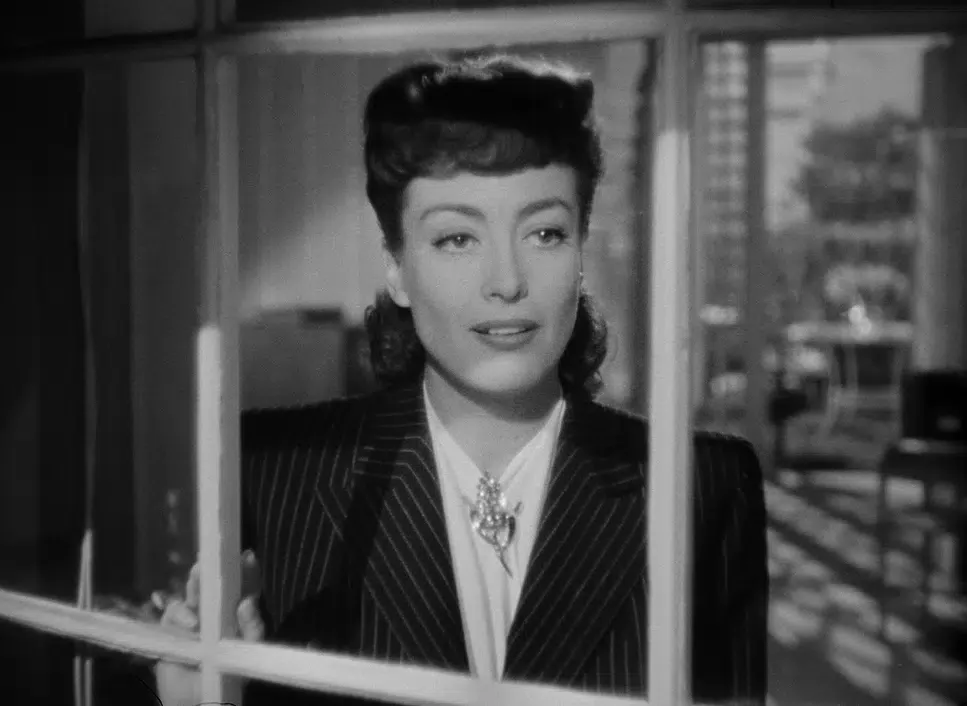
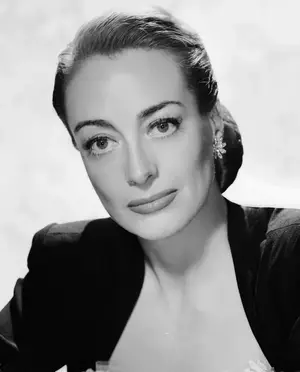
“Diva Worship” has long been a central aspect in queer community building, particularly since the advent of cinema. In the absence of explicitly queer characters on screen during the Golden Age of Hollywood in the 1940s and 1950s, 2SLGBTQ+ viewers often projected their identities and desires onto strong female screen presences who embodied an alternative to socially constructed gender norms.These stars offered exaggerated, stylized performances of femininity that could be read as both subversive and aspirational. For many queer men, this meant reveling in the camp irony of Bette Davis’ razor-sharp wit and masculine bravado, Joan Crawford’s broad-shouldered silhouette and severe brows, Elizabeth Taylor’s unapologetic opulence, her notorious “too-muchness,” and later her fearless HIV/AIDS activism, and Judy Garland’s iconic role as Dorothy—a performance that would evolve into a covert code of recognition within queer communities: “Are you a friend of Dorothy?”

These formidable queer icons emerged during an era of smoke and mirrors, when queerness could not be directly represented. Their performative displays of alternative modes of gender performance thus operated as covert forms of queer identification for audiences. And while queer viewers in the 1940s and 1950s were compelled to experience queerness only through the mediated figure of the on-screen diva, they were never afforded the opportunity to see themselves fully represented on screen. In response, they cultivated alternative modes of attachment and ritualized forms of cult worship around these stars.
This secretive, knowledge-based sphere of queer viewer identification expanded further in the early 1970s. Fueled by countercultural strife, protest movements, and new modes of community building, cinematic representations of queerness began to take a more direct form. The advent of midnight movies, in particular, ushered in a new incarnation of diva worship: the celebration of the explicitly queer diva.
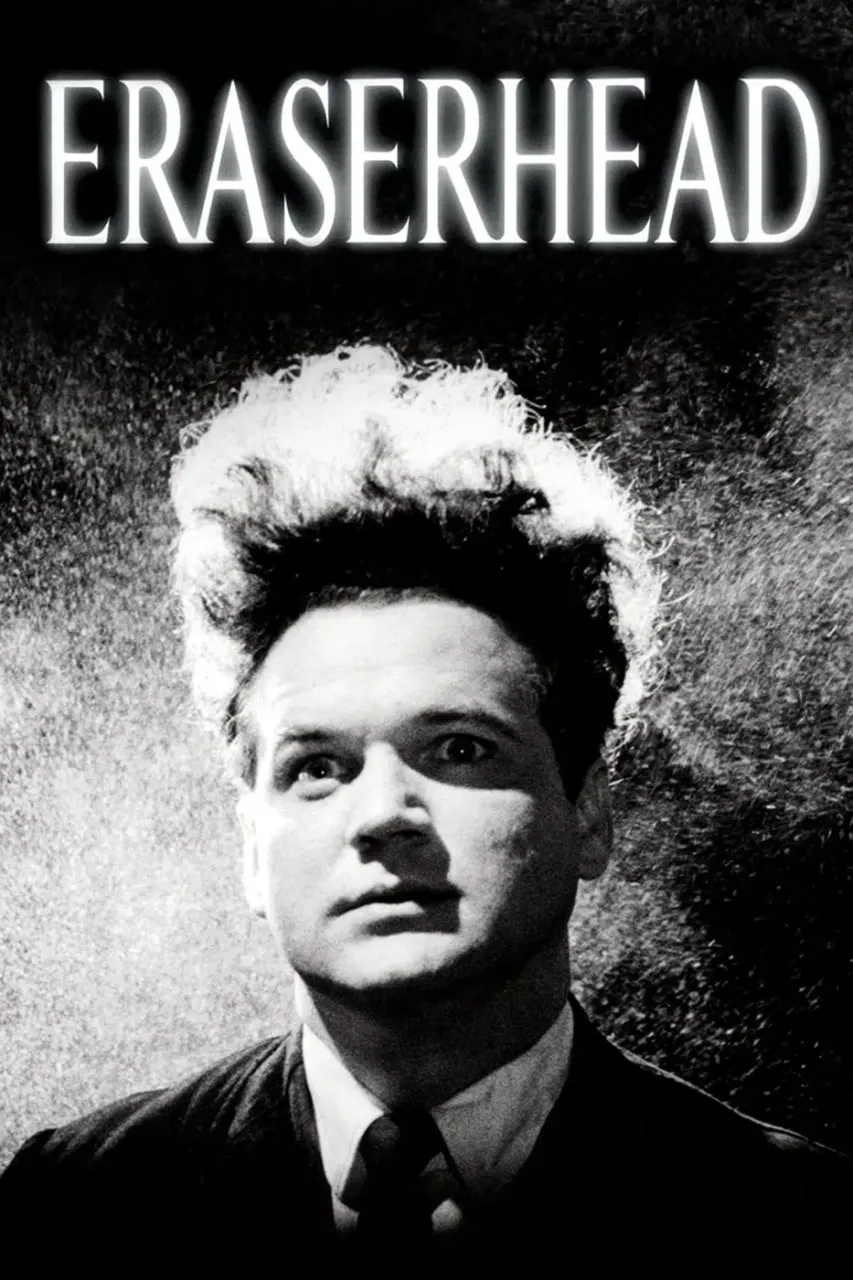
With midnight movies often celebrated by - and, at times, made for - countercultural audiences, it is only natural that these transgressive films contributed to the establishment of outwardly queer characters and narratives. While this article will focus primarily on queer diva figures as its central theme, it will also include a section dedicated to those diva icons found within the arguably non-queer cult film Eraserhead (David Lynch, 1977). Figures who, despite originating outside explicitly queer contexts, have been embraced and reinterpreted by the queer community.

But first, we must turn our attention to the queen diva of the midnight movies herself: Divine. As the larger-than-life drag persona of Harris Glenn Milstead, Divine rose to cult stardom through her collaboration with filmmaker John Waters, most famously in Pink Flamingos (1972) and Female Trouble (1974). Though Divine was not simply a drag persona, she was (when paired with Waters) an exercise in bad taste. As such, her presence on screen challenged traditional notions of gender, beauty, morality, and taste, often pushing boundaries of what was considered socially and cinematically acceptable. In doing so, she became synonymous with queer countercultural defiance, the politics of bad taste, and the glamour of trash. Nowhere is this more infamously apparent than in the closing sequence of Pink Flamingos, where Divine quite literally eats dog feces and flashes a shit-eating grin.

Divine’s performance didn’t merely parody femininity - it completely shattered it and reconstructed it with hot glue and scotch tape. With exaggerated hair and makeup, flashy fashion, and grotesquely magnetic charisma, she embodied a kind of hyper-queer diva archetype that rejected respectability in favour of radical authenticity. For many queer viewers, especially those on the fringes, Divine represented a type of freedom that celebrated the loud, the ugly, the angry, the fabulous, and the utterly unapologetic. Ultimately, her screen presence gave permission to audiences to follow in her footsteps, as she was hailed as a walking, screaming rejection of heteronormative values. As such, Divine stands not only as a central icon in queer cinema but as a foundational figure in the legacy of the queer diva - one whose influence can be felt in everything from modern drag performance to contemporary cult filmmaking.
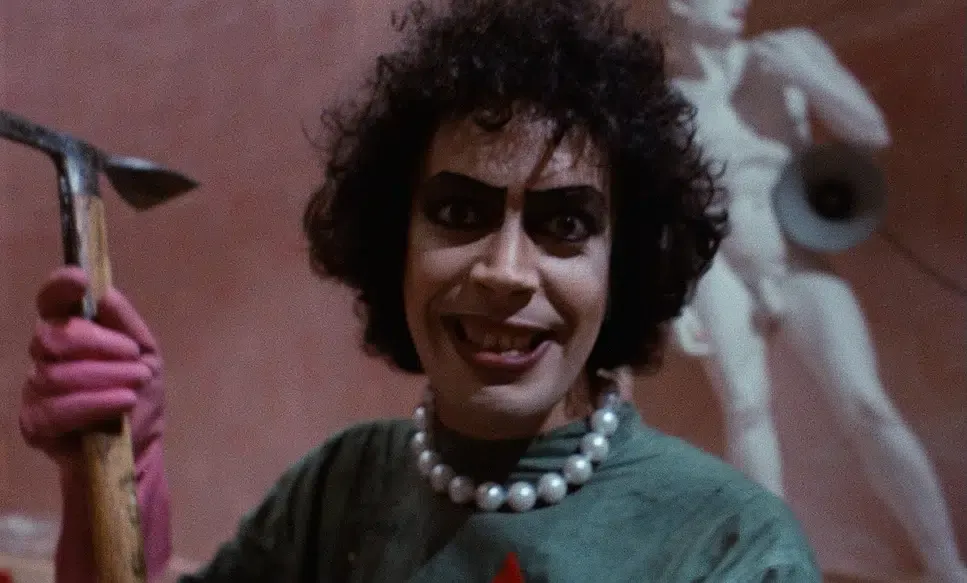
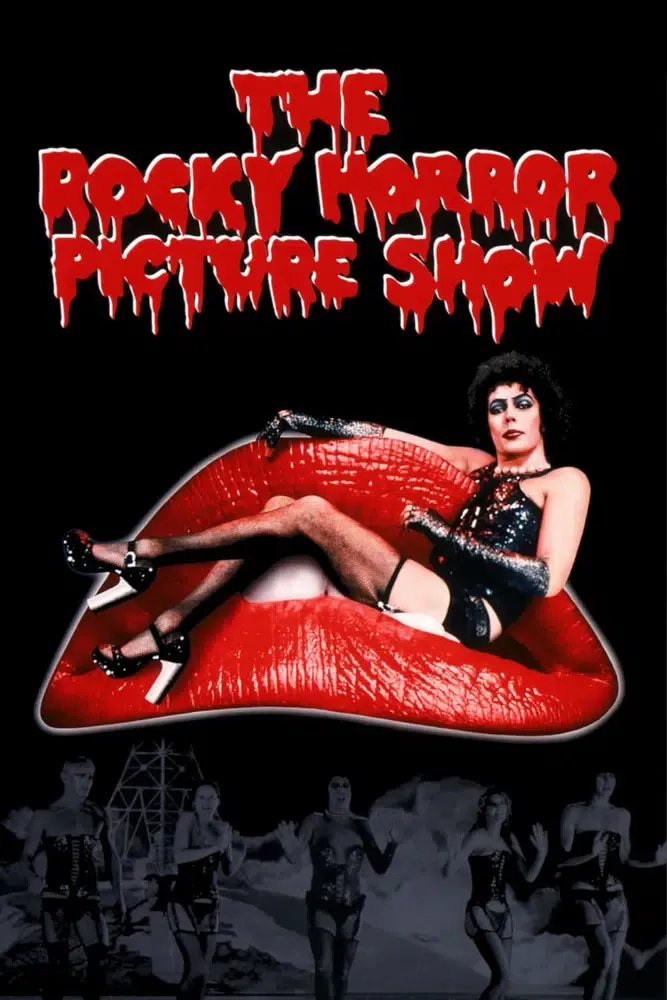
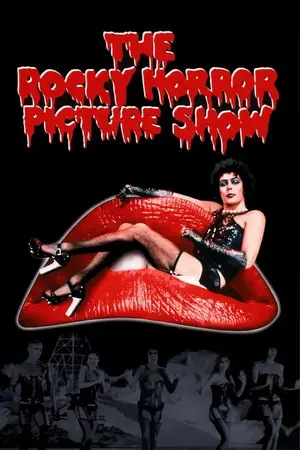
If Divine was the queen diva of midnight movies, then Frank N. Furter was her androgynous, corseted counterpart, perhaps even her rival in glamorously grotesque iconography. Portrayed by Tim Curry in The Rocky Horror Picture Show (Jim Sharman, 1975), Frank N. Furter burst onto screens as a self-proclaimed “sweet transvestite from Transsexual, Transylvania,” a character whose gender transgression and sexual liberation made him both scandalous and seductive.

More than just a flamboyant villain or camp caricature, Frank was a subversive amalgam of sci-fi mad scientist, Hollywood starlet, and rock god - a glamorous contradiction who blurred binaries at every turn. For queer audiences, he became a symbol of embodied defiance: hyper-sexual, hyper-feminine, and aggressively unapologetic in his queerness. The film’s status as a midnight movie, with its built-in rituals of audience participation, costume-wearing, and call-and-response, created a communal queer space where “being too much” was not only accepted but celebrated.
The camp excess of Rocky Horror allowed queer and trans audiences to project their identities into a surreal, kaleidoscopic world that rejected heteronormative logic. While Frank’s murder and downfall at the film’s conclusion may echo the punishment of queerness common in earlier Hollywood cinema, by that point he had already cemented his legacy in queer consciousness. His aesthetic, bravado, and proud sexual deviance continue to thrive in drag, cosplay, queer theatre, and DIY screenings, marking him as a landmark figure in the lineage of the queer diva.
While The Rocky Horror Picture Show openly invites queer identification through wild excess, performance, and celebration of sexual deviance, Lynch’s Eraserhead takes a much stranger path. It unsettles, confuses, and even repels. Still, queer audiences have long found something powerful and meaningful in its twisted surrealism and its unforgettable figures, the Lady in the Radiator and the monstrous, inhuman baby.
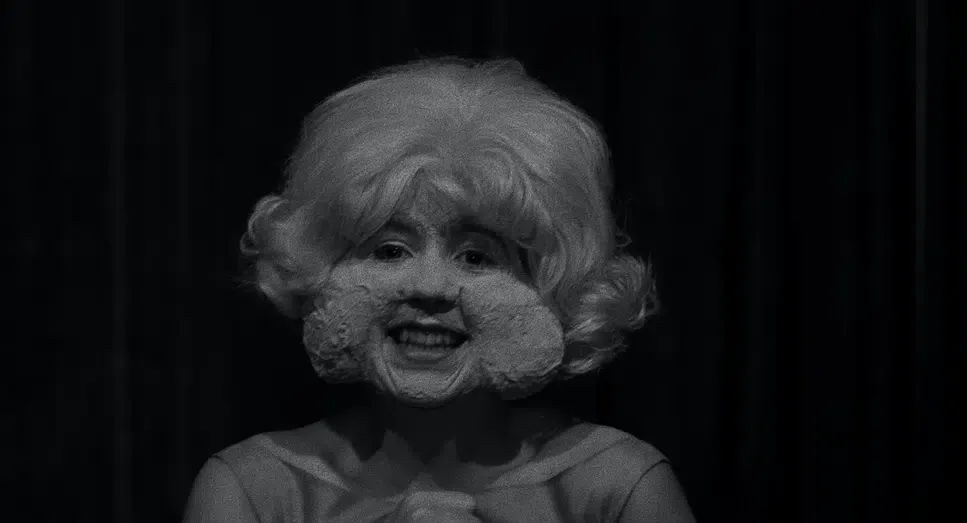
The Lady in the Radiator, with her puffed cheeks, childlike innocence, and haunting lullaby (“In Heaven, Everything is Fine”), lives in a strange purgatory inside the radiator. She offers a weird kind of comfort amid the film’s bleak, industrial nightmare. Her dreamy, sing-song way of performing feels like a ghostly, offbeat parody of femininity. Unlike most divas who shine with glamour, she stands out through her isolation and detachment from the “real” world, part savior and part ghost.
For many queer viewers, especially those dealing with feelings of loneliness, dysphoria, or family troubles, the Lady in the Radiator has become a secret cult icon. She doesn’t fit in with the outside world, but she isn’t punished for it either. She just sings, dances, and offers a strange, almost otherworldly escape. Like Divine and other queer divas before her, she embodies a kind of femininity that is deliberately artificial, emotionally raw, and completely other.

Then there is the grotesque baby, one of cult cinema’s most unforgettable and strangely beloved images. Queer audiences, in particular, have embraced this eerie, wailing figure not despite its strangeness, but because of it. The baby, with its exaggerated features and unsettling presence, becomes a symbol not of failure, but of defiance - cherished precisely because it disrupts the sanitized ideals of the traditional family. Its very existence mocks the dream of domestic perfection, transforming discomfort into affection. For some queer viewers, the baby is a misfit icon: too much, too loud, too strange, and therefore worthy of love. By adoring the grotesque, queer audiences reclaim the right to cherish what society deems unacceptable, finding beauty, kinship, and even tenderness in what once seemed monstrous.
In this way, Divine’s fierce reinvention of femininity and the queer cult icons of Eraserhead share a spirit of celebrating the grotesquely strange, the unsettling, and the outcast. Each one, through wildly different styles and performances, pushes back against the usual ideas of gender, beauty, and belonging. Together, they show how queer communities have always found ways to create meaning and strength in divas who refuse to play by the rules.

These diva figures, from Divine's trash-glamour defiance to Frank N. Furter's erotic chaos and the Lady in the Radiator's ghostly detachment, transformed midnight movies into more than just screenings. They turned them into communal rituals. In the absence of mainstream queer representation, these films became unofficial sanctuaries where queer audiences could gather, express themselves, and see aspects of their identities reflected in exaggerated, subversive forms. The midnight movie circuit evolved into a kind of queer nightlife in its own right, where performance, spectatorship, and identification all collided in vibrant, messy, and liberating ways. Mediated through these divas, the screen became a mirror for alternative modes of being - bold, deviant, and unapologetically outside the norm. These icons did more than entertain. They helped carve out cultural space for queer joy, resistance, and visibility at the very edges of the cinematic mainstream.











Comments 4