The Zone of Interest Reveals Glazer's Rage
General Reviews
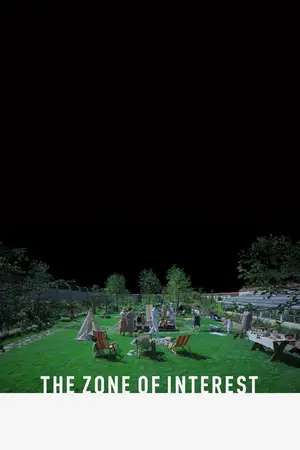
The Zone of Interest is a 2023 A24 movie directed and written by Jonathan Glazer. It stars Christian Friedel and many other good actors. It’s loosely based on a novel of the same name by Martin Amis. It won the Grand Prix at the Cannes Film Festival and was nominated for best picture at the Academy Awards. It made $52.8-million at the box office.

The movie had a unique premise, memorable moments, good acting and engaging sets. At times, it felt like Glazer had more of a concept than a movie, like during the title card’s long fade out, the extended footage from the modern-day Auschwitz Museum and the unique turn-red shot. What comes through in The Zone of Interest is Glazer’s justified anger toward history. One obvious note of this is the score, which contains dull, bass-heavy thuds and scratching synthesizers. The score was composed by Mica Levi.
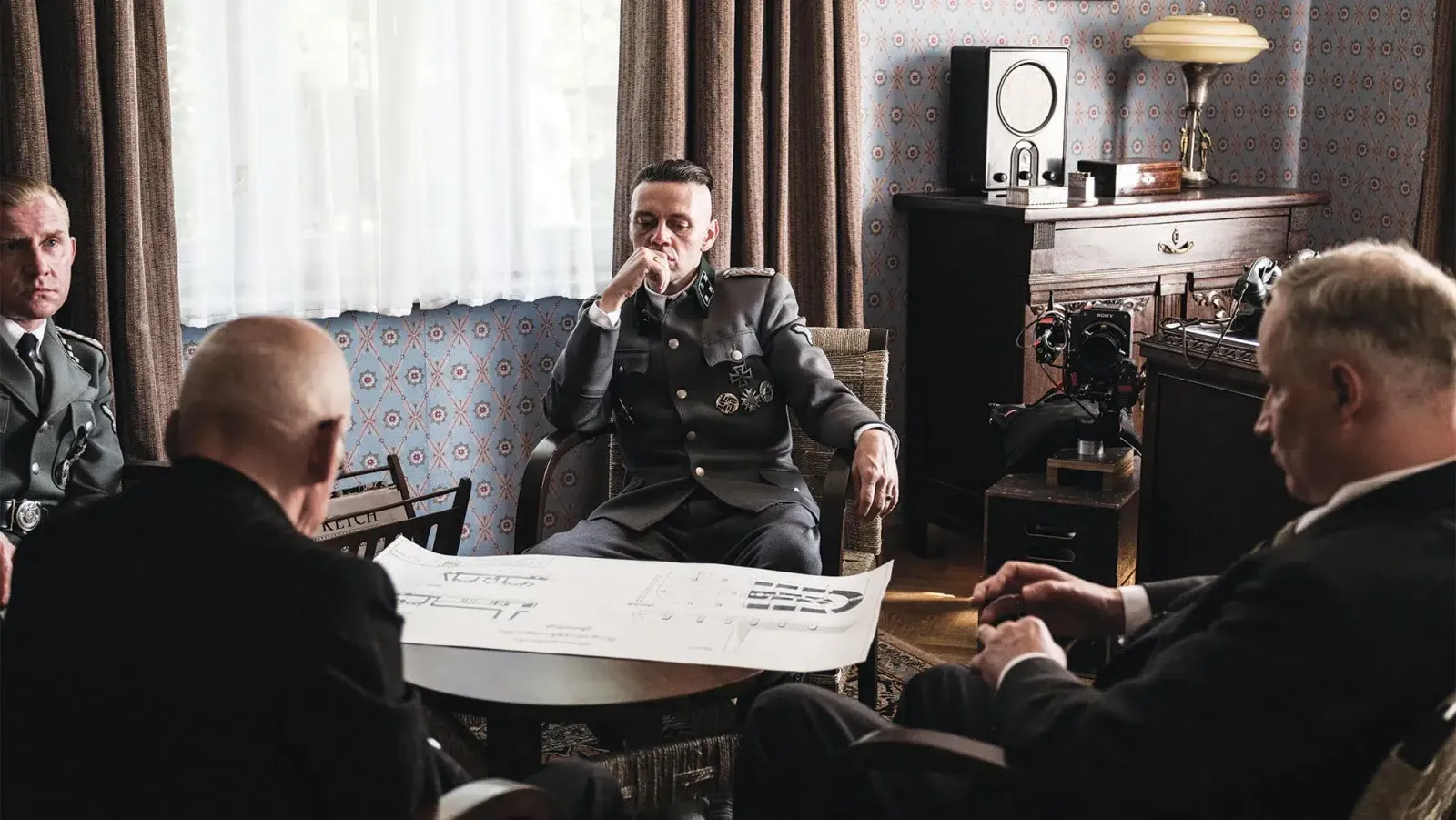
The story follows Rudolf Höss, played by Friedel, who is the commandant of the Auschwitz concentration camp. He lives with his family in a quaint home adjacent to the camp’s outer walls. Most of the movie takes place in and around this house. There is also a small storyline shot in thermal vision that starts off as interesting but ends with little conflict. I enjoyed the dark, sadistic obstacle that Friedel’s character faces. However, it’s upsetting that it does not lead to any clear-cut conclusion in the third act.
I don’t think the ending was as poignant as maybe the director wanted. Perhaps coming back to Glazer’s anger or budget constraints, the ending leaves the audience unfulfilled. It almost feels like Glazer was so disgusted by the material that he just decides to leave. The final shot of Friedel was minutely cliché but it was still a well-executed shot. In the final cut, a solid conclusion for The Zone of Interest is aloof. What’s worse is that we are left with unanswered questions and unnecessary scenes.
Glazer uses the subtly of diegetic sounds in the movie’s background to reveal the concentration camp’s horrors. It is a clever tactic but it overstays its welcome. Someone shouting about an apple is the only conclusion we get to the thermally shot subplot. Background visuals and sounds are used to infer the burning of bodies, trains of people entering Auschwitz and blatant shootings of inmates. The distant sights and sounds reflect the background horrors happening in the movie’s pastoral story. This juxtaposition is essential to The Zone of Interest’s appeal.

Art design and set decoration were by Joanna Kus and Katarzyna Sikora. The settings are wonderful, especially in the scene of Friedel in the stairwell. Other memorable sets include the garden, the river and the interior of the Höss house. You’re left not wanting more of the setting or the characters.
The servants were my favourite characters in the movie. Their status as citizens or prisoners was dubious, yet they played their roles with mortal fear. I especially liked the one servant’s walk through the house while carrying a full drink on a tray. I liked that a guest in the house does not move her chair to help her pass. It was a subtle detail that was one of the best parts of the movie.

This movie goes into the familiar and stacked territory of World War II, Nazi Germany and Holocaust genre movies. It is tough to make a memorable movie when competing with Schindler’s List, The Pianist, Downfall and Jojo Rabbit. The shear capacity of quality content in the genre makes a movie like The Zone of Interest a small drop in the ocean. From a story perspective, the movie has a clever premise and little else. A24 stans will undoubtedly watch it but, for the common viewer, I wouldn’t call The Zone of Interest essential. It’s an art house movie set directly within one of the worst atrocities in history. That sparked my interest but I can’t shake the feeling that I left the theatre feeling unfulfilled and left short on an high-potential concept.






Comments 4