The chilling agony of the perfect American
General Reviews

Who remembers this image from Avengers: Endgame's ending? In the—near—conclusion of Phase Three of the MCU, aka Marvel Cinematic Universe, Captain America, played by Chris Evans, achieved his lifelong dream by travelling back in time to have a peaceful life with Peggy Carter and fulfill the promise of having that long-awaited dance with her. In addition, when he returned as a seventy-year-old, he handed over his famous shield to Sam Wilson, alias Falcon, and left his legacy in the hands of a pretty neutral, irrelevant character. But no, I don't want to focus on giving you random details and describing scenes that practically 70 % of the world population saw in cinemas back in 2019.
Almost five years have passed since that formidable ending of an era that apparently doesn't have enough potential nowadays to have a strong impact on the audience as it once did. Five years from that moment and almost seventeen years since the beginning of this entanglement consisted of crossovers, multiverses and plot messes that not only extremely confused us, but also gave us several iconic moments. I'm not going to deny it: I was also part of the people that jumped when Cap lifted the Mjolnir under Thor's attentive eye in that epic final battle. But inevitably, time changed me. What used to make me jump from my seat now makes me fall asleep, but, at the time, Chris Evans' faithful portrayal gave me something to aspire to. Don't get me wrong. I didn't want to be Captain America, but his beliefs, principles, kindness and sense of loyalty motivated me to think I could stand out among the crowd. Maybe because I was in my twenties and in a constant self-discovery process. I don't know.

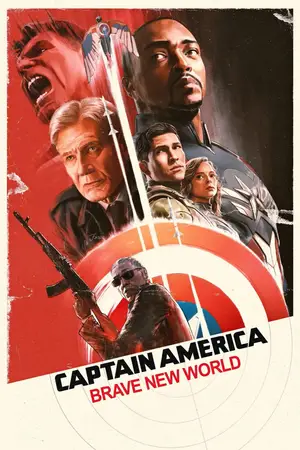
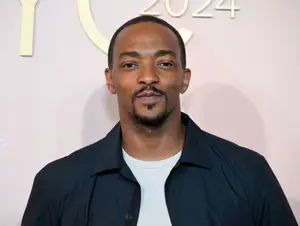
That same pre-pandemic year was also the last year Julius Onah, an unknown Nigerian filmmaker, premiered a movie, titled Luce, a social drama with suspense tints that was pretty unnoticed at the time, which may have been the reason for its creator to fly under the radar later on. What's my point with this? No one would have imagined both paths would cross and that, in 2025, a movie starring the idealized North American superhero directed by this filmmaker would premiere. And no, I'm not talking about the famous blue-eyed alien registered under DC's brand. No, I'm referring to the new version of this quintessential super soldier, now played by Anthony Mackie.
What was the immediate, new story that needed to be told about this character? Five people, including Onah, were in charge of Captain America: Brave New World's script. FIVE. According to some sources, the script was rewritten so many times that apparently, at some point, they forgot they had to tell Captain's story and, after the first trial screenings, almost the whole audience left dissatisfied with what they had watched. And no wonder, since the original title was Captain America: New World Order, which would probably have caused a hate train in favor of antisemitism. Many times, incorporating a political standing to a story with little subtlety may not be the wiser choice, especially when we are talking about movies not intended for the Oscars.
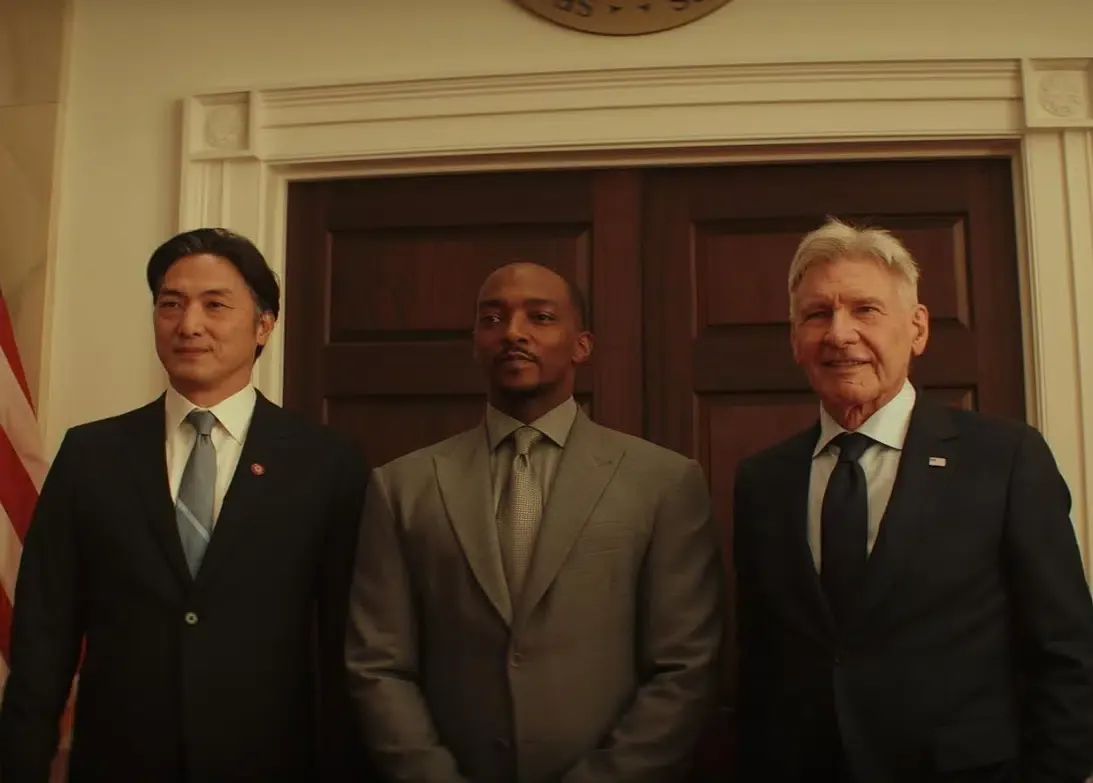
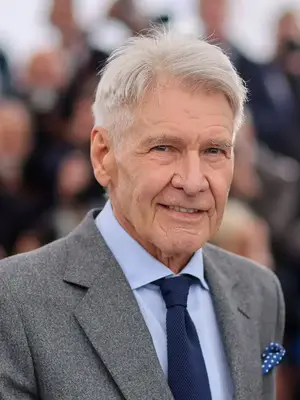
The North American hero's fourth solo movie is, without a doubt, the most political one of all. The main dispute is focused on the relationship between the figure of the missing General Thaddeus "Thunderbolt" Ross (played by William Hurt, who was later replaced by Harrison Ford due to his passing in 2022) and our beloved protagonist after the events of Captain America: Civil War. The director clears up all possible doubts regarding his null authorship from minute one, making it clear who's in charge. This isn't Julius Onah's work, but one created by abiding the rushed decisions of a studio that wants to send an encouraging, half-hearted message to its fans, trigger several people on the way and, in that turmoil, recover the USD 180 million this little problem cost them. But this is nothing new: in the world of entertainment, Marvel never rests and must continue to insist on the idea that this type of cinema has to keep existing.
MASSIVE SPOILER ALERT
What's the best idea they could have had? Clutching at straws, Marvel travelled back in time to 2008 and decided that Samuel Sterns, the brilliant scientist who wanted to find the cure for Bruce Banner back then, would be this installment's new villain. Nothing innovating nor original, just an example of how recycling can do the trick for a decaying franchise. If you remember Sterns, I applaud your memory. If you don't, you may want to visit YouTube or rewatch The Incredible Hulk on Disney+. Personally, I have an excellent memory but, nonetheless, I couldn't wrap my head around the idea of bringing such a forgettable character under the spotlight. The premise, to summarize the plot and avoid going into unworthy details, is the following: Sterns seeks revenge on Ross for confining him for fifteen years and experimenting on his gifted brain. Ross is dying of heart failure and has no choice but to obey Sterns, taking a pill three times a day—as if he couldn't visit a doctor. Nonetheless, he actually ignores that this pharmaceutical invention transforms him into a Hulk, more precisely, Red Hulk, that simultaneously aligns with Sterns' purpose: for the world to see what kind of person Ross is—a monster, a rageful red monster.
What does the character win? Probably nothing. What do we win? Two hours full of nothing. Despite this, as always, we have extravagant special effects, pretty well-choreographed action scenes—even though I preferred the absurd montages presented by the Russo brothers in Captain America: The Winter Soldier and Captain America: Civil War—some interesting and convenient technological gadgets incorporated to Cap's suit—in addition to the vibranium, so as to not forget there's a third Black Panther on the way—and many, many explosions. We also have references to the Eternals and to prior solo movies of the saga and endless toppings that add nothing to the film. Oh, and we get to see Giancarlo Esposito—for the umpteenth time—playing Gus from Breaking Bad, but on this occasion, disguised as a professional thug.

All the greatness is eclipsed by the least expected plan a villain could have and the laziest regarding writing I have seen in a long time. In addition, the plan is only implemented with the sole excuse that now, after not being able to connect with the highest-grossing saga of all time for a while, things have changed and we are in a new era, as Wilson defines it. The ideals that once defined these characters are stifled to hook new generations, and those beliefs and principles that shaped the "world's greatest nation" are distorted by the individualistic acts of internal terrorists who, after sacrificing chasing the dreams that the same system they boasted about promised them, decide to rebel against their country.
There's no doubt these are times of change. Maybe Marvel's approach of showing us a more "realistic" side of these matters involving the new generation of Avengers is something positive that can blatantly reinvent itself. But unluckily, I hopped off this train a while ago. I'm no longer in the game.
CAPTAIN AMERICA: BRAVE NEW WORLD IS NOW AVAILABLE IN MOVIE THEATERS ALL AROUND THE GLOBE
Posted on FEBRUARY 15, 2024, 21:35 PM | UTC-GMT -3
If you liked this article remember to give it a 👉 LIKE, put it in your FAVORITES, COMMENT 🗣️ , and FOLLOW ME for more movie and series content 📽



Comments 1