The 2010 Film That Changed Movie Storytelling Forever
General Reviews
Christopher Nolan’s Inception (2010) still stands as a gold standard in contemporary film, mesmerizing audiences with its complex narrative, stunning visuals, and iconic sequences that challenge the concept of reality. A decade after its release, Inception still connects, serving as the archetypal example of what we codified as a “WTF Cinema Moment” — those rare manifestations of cinema that leave us asking ourselves, “Did that really just happen?”
A Plot So Mind-Bending It Redefines Complexity
The central conceit of Inception is its highest contribution: drilling into other people’s dreams to extract or plant an idea. Cobb (Leonardo DiCaprio), a skilled thief, assembles a team to pull off the impossible: inception — implanting an idea into someone’s subconscious so deep that the subject believes it’s their own idea. This premise alone is ballsy, but Nolan ramps it up when he introduces additional layers of dreams, each with their own rules of time and gravity.
One of the most memorable elements is the explanation of how time dilation works: minutes in one dream layer equals hours, days or decades in a deeper layer. This idea not only dares the audience to follow along, it feeds the film’s threat as Cobb’s team goes into three — and ultimately four — dream levels at the same time. That complexity unfurls into an exciting puzzle, one of Nolan’s trademark storytelling genius.

Unparalleled Visual Spectacle
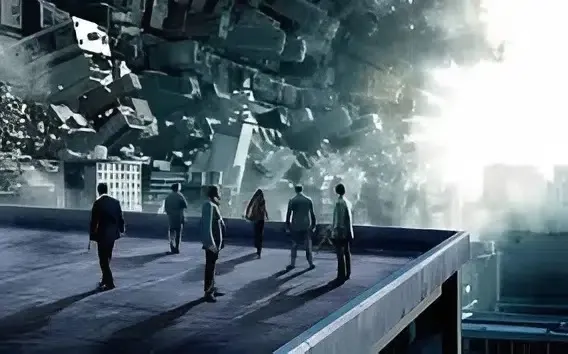
Inception reshaped audiences’ expectations for how movies look. From the folding city of Paris done on Cobb’s (Leonardo DiCaprio) behalf training Ariadne (Elliot Page) to the zero-gravity hallway fight,the movie has moments that are now firmly imprinted on cinematic history. The latter, especially, is a wonder of practical effects, with a revolving set simulating gravity shifting in the construct of a dream.
These visuals are not just spectacle for spectacle’s sake — they are enhancing the disorientation and wonder of the narrative, seamlessly woven into the fabric of the filmmaking. Every layer of dreams has its own aesthetic and mood: the dank, rainy streets of the first level, the snow-covered fortress of the final dream. These environments are immersive for the viewer, placing them in the surreal logic of the movie’s world, bending the line of reality and illusion.

The Emotional Heart: Cobb’s Guilt
Inception can dazzle with its cerebral and visual accomplishments, but its emotional core roots the movie.Cobb’s guilt over his wife Mal’s (Marion Cotillard) death drives his actions and clouds his judgment. The reveal that Cobb performed inception on Mal, planting the idea that “your reality isn’t real,” is both shocking and heartbreaking. This emotional layer adds stakes to the narrative, making Cobb’s struggle to return to his children more poignant.
The Ambiguous Ending: A Cultural Phenomenon
No discussion of Inception is complete without addressing its infamous ending. As Cobb spins his totem—a spinning top used to distinguish dreams from reality—the camera cuts to black before we see whether it falls. This final moment has sparked countless debates, theories, and interpretations.
Inception is not just a film; it’s an experience. Its bold storytelling, stunning visuals, and emotional depth make it the ultimate “WTF Cinema Moment.” Over a decade later, it continues to inspire and challenge audiences, solidifying its place as one of the greatest films in modern cinematic history.



Comments 1