Real-Life Clowns Are Scarier Than Those in Movies
General Reviews


Two clown-centered movies have hit theaters lately: Joker: Folie à Deux and Terrifier 3. Both feature clowns who are deranged, violent villains that send chills down my spine. They are completely different from the fun-loving, balloon-twisting entertainers we see in real life.
Seeing such terrifying clown figures, I initially believed that it was because filmmakers were deliberately trying to shift our perception of clowns, transforming them from comical, child-friendly characters into figures of fear. And they made it. They managed to warp how I view the smiling, cheerful clowns performing in apartment stores or at town events.
I remember when I was a kid, clowns were everywhere, especially during holidays. They were the life of the events, donning exaggerated colorful outfits, red noses, and huge grins, handing out balloons and performing tricks. I found them amusing at that time, though their permanent smiles occasionally gave me an odd feeling. Overall, though, I saw them as harmless entertainers.
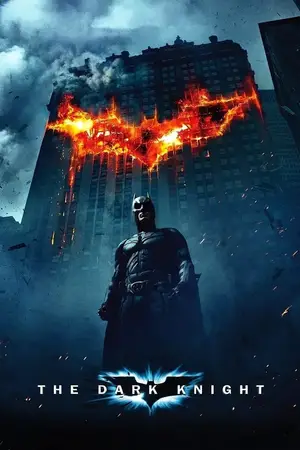
It wasn’t until I grew older and watched films like It that I realized clowns had a darker side in popular culture. Pennywise, lurking in sewers with his eerie smile and unpredictable violence, completely overturned my childhood view of clowns. And then there’s Heath Ledger ’s Joker in The Dark Knight—a villain with no immediately understandable motive for destruction, making him one of Gotham’s most terrifying enemies. These characters turned “clown” into a synonym for chaos, danger, and unpredictability.
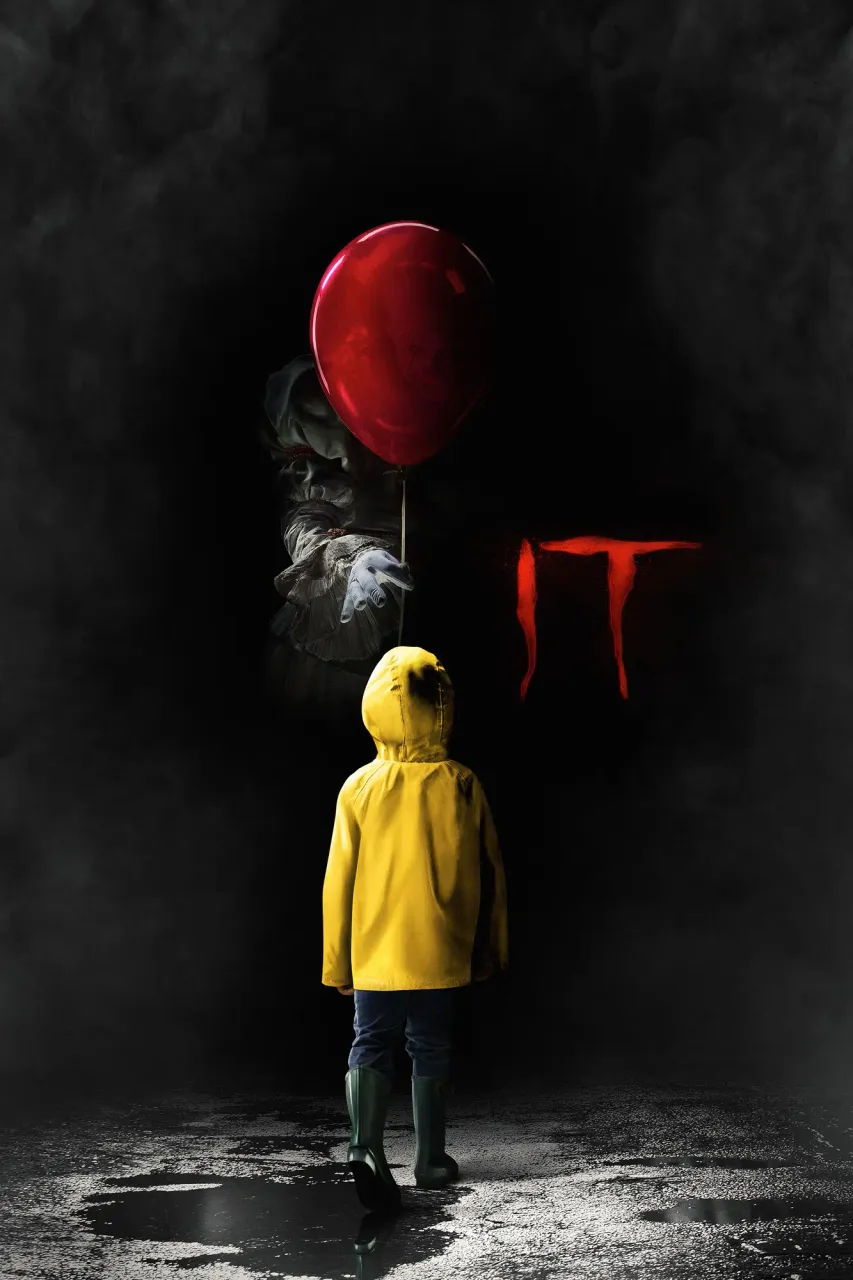

Recently, I was chatting with a friend about these movie clowns, confidently stating how cinema had warped the image of clowns into something sinister. But then my friend interrupted me: “You know, real-life clowns are even scarier than the ones in the movies.” That remark brought me to a halt. Curiously, I started digging into the history of clowns, and what I found was chilling.
The history of clowns dates back as far as 2400 BC. Nearly every ancient civilization had a version of the clown: in ancient Egypt, Greece, Rome, and even in China’s imperial courts, there were entertainers who dressed silly, performed exaggerated antics, and played the fool. They often acted out roles of the downtrodden or the foolish poor, jumping around and making grotesque faces—all to entertain royalty and the nobles. Looking back, we see that the undertone of unease and oppression of clowns has been there since those early times. Imagine being forced to amuse the powerful every day—you can almost sense the underlying misery.

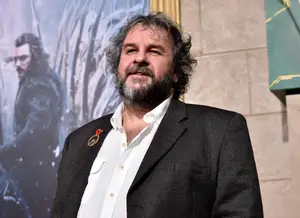
It reminds me of The Lord of the Rings characters like Gríma Wormtongue, who continually flattered and manipulated King Théoden, or Saruman, ever trying to please Sauron. The way Peter Jackson crafted these characters always felt clownish in a twisted, dark way.


As it turns out, modern clowns carry darker tones. Joseph Grimaldi, a British comedic actor in the early 19th century, created the iconic white-faced clown and combined slapstick comedy with pantomime, which earned him the title of “father of modern clowning .” But Grimaldi’s story is far from lighthearted. Raised by a theater owner who claimed he could communicate with the devil and believed he died every first Friday of the month, Grimaldi’s childhood was plagued by trauma. His boss abused him, fostering severe psychological issues like depression and personality disorders that haunted him for life. These mental scars shaped Grimaldi’s signature clown—a figure half childlike and half nightmarish.

Then there’s Jean-Gaspard Deburau, another famous clown from 19th-century Paris, who was adored by the public. His performances packed theaters, and his popularity seemed unstoppable. But in 1836, Deburau beat a boy to death in broad daylight with a walking stick—just because the child called him by his stage name on the street. This incident shocked Paris and revealed how, behind the painted smile, something much darker lurked.
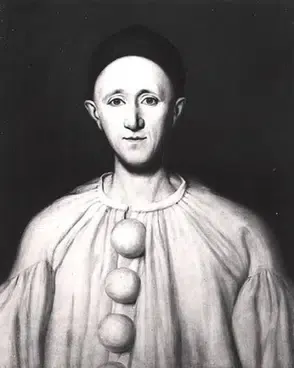
These real-life clowns are much scarier than any fictional villain. They reveal a side of clowning that taps into deep psychological unease. People fear clowns not just because of their exaggerated makeup and unsettling grins, but because something about them feels inherently wrong. According to the "uncanny valley" theory, when something looks almost human but not quite right, it triggers a natural fear response. Clowns’ overly expressive makeup distorts their faces in a way that makes it impossible to tell what they’re really feeling. That uncertainty puts us on edge.
There’s also the fact that clowns show up in places where we’re supposed to be relaxed—like parties or festivals—but their bizarre behavior clashes with the environment. The dissonance between their odd appearance and the normalcy around them heightens the unease. Psychologists have also linked clown phobia to underlying anxieties like the unpredictability of their actions. The subtle sexual undertones and warped emotional expressions make them even more dreadful.
While movies have amplified this fear, they didn’t invent it. The clown has always been a strange, disconcerting figure, as these historical accounts show. After learning about the dark reality behind some of history’s most famous clowns, I can’t help but feel that their fictional counterparts only scratch the surface. Beneath the face paint and exaggerated gestures lies a much more unsettling truth, rooted in centuries of history.
Even after all this research, I’m still left wondering—why does such a disturbing figure continue to perform for children? Why have we kept the clown alive in spaces meant for joy, despite their long-standing association with something far more troubling? Maybe that’s the true terror of the clown: it endures, despite our deep-seated discomfort, as if daring us to look away from the darker side of humanity it represents.
Catch you later for more movie musings!






Comments 3