Sleeping Dogs: Oscar Winner In The World of Low-Budget Thrillers
Celebs
Despite Crowe's best efforts, "Sleeping Dogs" ends up feeling dull and confusing, with a lot of plot holes and clichés.
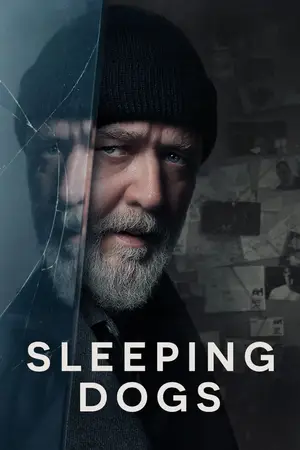
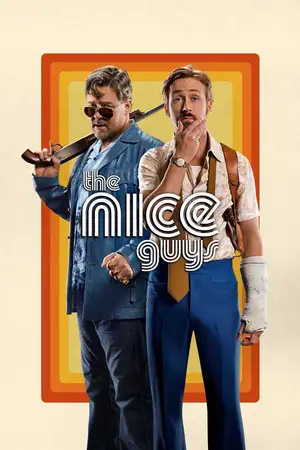
Russell Crowe seems poised for a career resurgence, though I've been saying this since "The Nice Guys." He has entered that stage of his career where he doesn't need to prove anything, yet he often remains the most captivating part of any film he’s in. Just look at his performance in "The Pope's Exorcist"—he single-handedly elevated that film, transforming what could've been a lackluster thriller into something entertaining. It's all about finding a director who understands his natural talent and uses it effectively. That was my initial hope with Adam Cooper's "Sleeping Dogs." The movie had the potential to be Crowe's "Memento"—a complex noir that plays with memory, perception, and unreliable narrators. Despite Crowe's efforts to breathe life into this sluggish film, it ultimately leaves you questioning whether he's headed toward a career rut, possibly joining the ranks of actors who end up in a cycle of cheap video-on-demand (VOD) thrillers. It's a worrying trend, and Crowe is far too skilled for that. Even actors with less talent would deserve better than "Sleeping Dogs."


The film is based on "The Book of Mirrors" by E.O. Chirovici. It starts with Roy Freeman, the character played by Crowe, struggling with dementia. As a retired cop, his memory loss leads him to plaster sticky notes all over his house, reminding him of simple things like how to make toast or even his own name. It's a convenient device for the plot, which uses his illness as an excuse for things to get dramatic or chaotic when necessary. It can be exploitative, and it's not a great look, considering how easily the illness comes and goes depending on the storyline's needs.
The story's main plotline revolves around a case that gets reopened because Isaac Samuel, a man on death row for the murder of Dr. Joseph Wieder, is about to be executed. Samuel didn't commit the crime, because, you know, why else would you revisit a case in a movie? The flashbacks indicate that Samuel was at the scene when Wieder was killed, but he didn’t see the murderer. This sets the stage for Roy to dig deeper into the case, despite his memory issues, and re-enter the world of his former partner, Jimmy Remis, played by Tommy Flanagan. Jimmy constantly tells Roy to "let sleeping dogs lie," which is a not-so-subtle nod to the film's title and a hint that maybe some things are best left alone.
Roy’s investigation begins by looking into the death of Richard Finn, who died under mysterious circumstances. Finn wrote a memoir about the Wieder murder, and his partner, Laura Baines, was closely associated with Wieder. This sets the stage for the film's long flashbacks, narrated from Finn's perspective, but it's hard to know how much of it to trust. Finn might be embellishing or just lacking information. The film's script, penned by Cooper and Bill Collage, ends up being a jumble of incoherent plot twists and characters who seem inconsistent, possibly because there's no clear narrator in the story. This leads to confusing scenes, and others that are so heavy-handed with symbolism they feel like you're being hit over the head with a hammer.

One example of the film's forced symbolism is when Roy does a puzzle to keep his mind sharp, but also because it symbolizes putting together the pieces of the case and his memory. In case that wasn't clear, the film uses voiceovers to explain it, which feels excessive. Crowe does his best to anchor the film with his relaxed presence, but most of the other characters either look lost or irritated throughout the scenes, lacking genuine emotion.
The movie's premise—a case being re-investigated through the writings of a dead man, interpreted by a memory-impaired cop—might work well in a book, but it doesn’t translate effectively on screen. The shifting perspectives, the unreliable narrator, and the film's reliance on illness as a plot device all contribute to a chaotic experience. Despite Crowe's best efforts, "Sleeping Dogs" ends up feeling dull and confusing, with a lot of plot holes and clichés. Ultimately, it might be a wake-up call for Crowe to seek out better projects, reminding us all that he's capable of delivering outstanding performances when given the right material.






Comments 0
No comments yet.