Are Apes Taking Over Hollywood?
General Reviews
Since when have apes become so popular on the big screen?
- In fact, apes have long been popular in Hollywood history, whether as sympathetic protagonists, terrifying monsters, or complex characters navigating the human world.
From King Kong franchise to Planet of the Apes franchise, Hollywood producers never underestimated the significant potential of ape-themed IPs.
Back Then, Apes were Brutal Beasts in Cinema
Initially, the apes in the movies didn't radiate the emotional depth we see in today. As early as the 19th century, they were presented as somewhat terrifying humanoid figures imbued with a primitive and brutish nature.
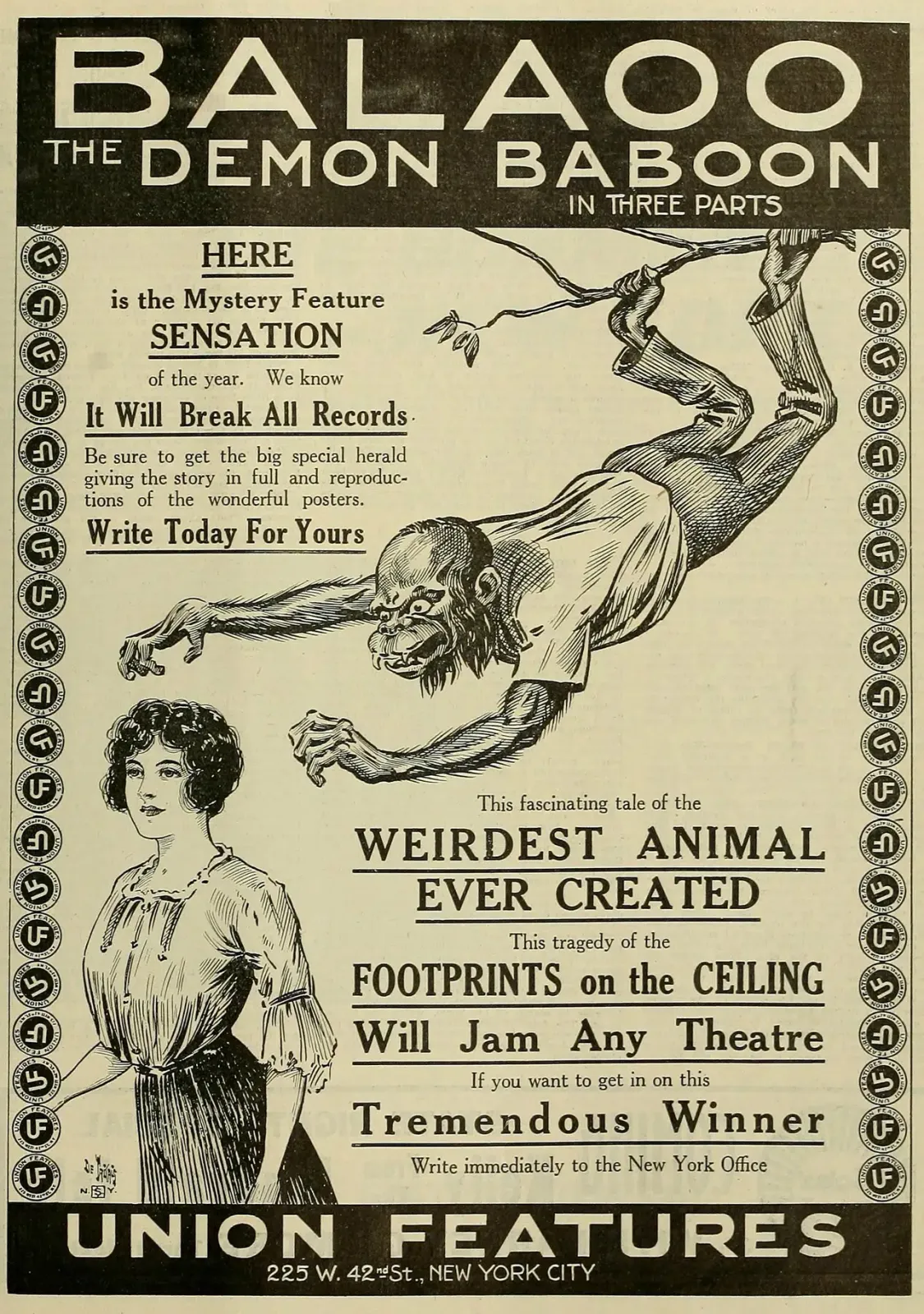
(The short film Balaoo the Demon Baboon,1913 featured a near-human ape falling in love with the daughter of its maker, a mad scientist.)
At that time, interracial relationships were hard to accept, let alone relationships across species. When Kong appeared in human towns as a destroyer in 1933, it truly instilled both hatred and fear in audience .
- For another set of viewers, the story of Kong unfolds quite differently. Beyond fear, they find themselves deeply touched by the relationship between Ann and Kong.
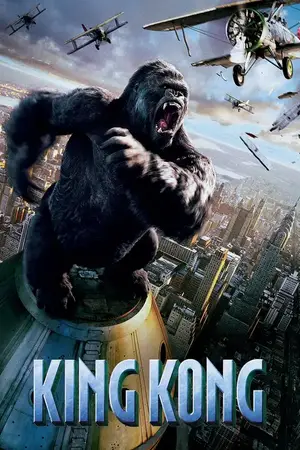
Perhaps even Kong himself didn’t anticipate this transition. Beginning with Jackson’s King Kong in 2005, the original monster figure has begun to evolve into something more like a tragic hero who fails to protect his love interest.
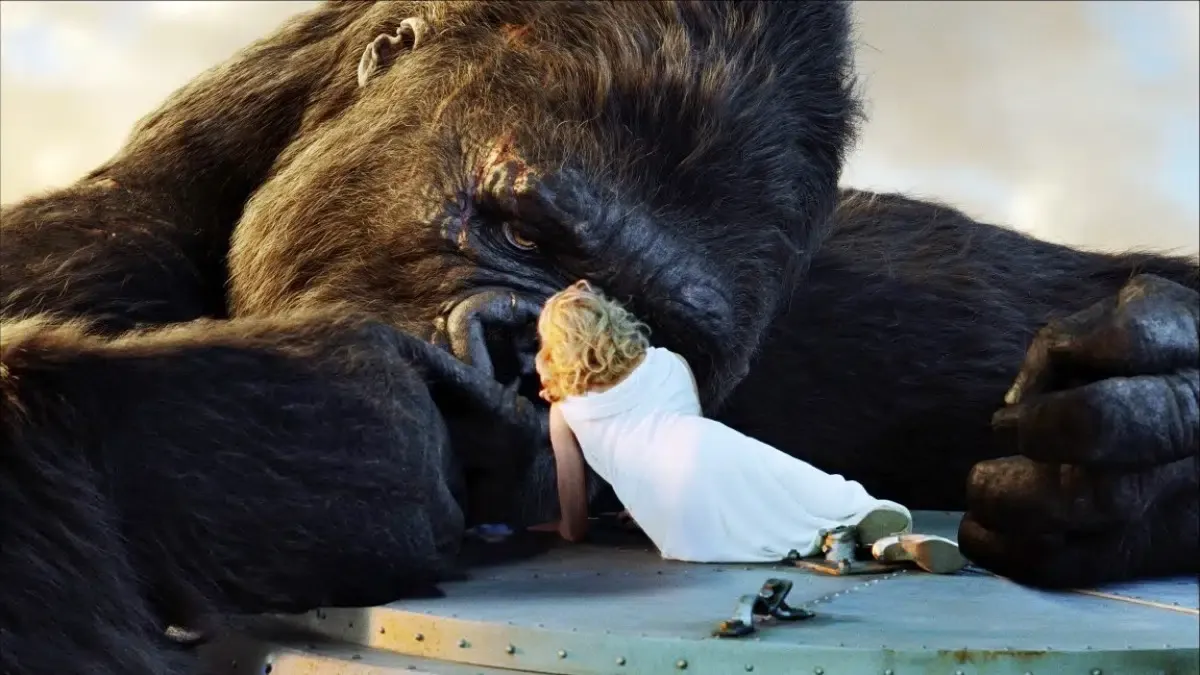
(It wasn’t the airplanes. It was beauty killed the beast, said Carl Denham in King Kong, 2005.)
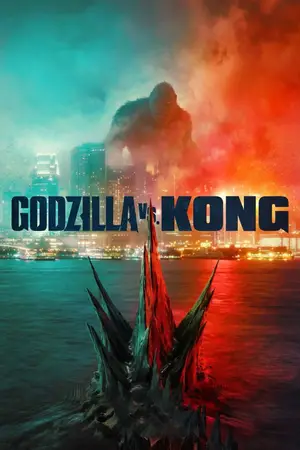
Kong’s tragic death hit the audience so hard that they refuse to perceive him as a brutal beast. Yet, as Kong’s admirers grew, Hollywood directors began presenting the titan ape as a staunch ally of humanity. Following the guardian figure of Kong in the Monsterverse series, the Transformer franchise features the gorilla-shaped Optimus Primal as the leader of Maximals.
Go Ape!
The popularity of the gorilla image is also closely linked with another significant IP - the Planet of Apes franchise.
In 1960, an English primatologist, Dr. Jane Goodall's ground-breaking observations about chimpanzees in Gombe, Nigeria, revolutionized global perceptions about primate groups. Her studies revealed that chimpanzees not only utilize tools for hunting but also exhibit significant levels of social behavior and moral responsibility.
These revelations inspired a French novel, La Planète des singes, which was subsequently adapted into a successful Hollywood movie, Planet of Apes (1968). It sparked conversations among diverse audiences, and its huge commercial success spawned a science fiction media franchise.
- Throughout the Planet of Apes series, chimpanzees are portrayed not as fearsome creatures but as reflections of human society.
While the Planet of Apes series has garnered a significant response, the ape characters continue to play secondary roles, serving as a backdrop to the humans' extraordinary journey. They're similar to theme park props, who act as a symbol there more than their true selves.
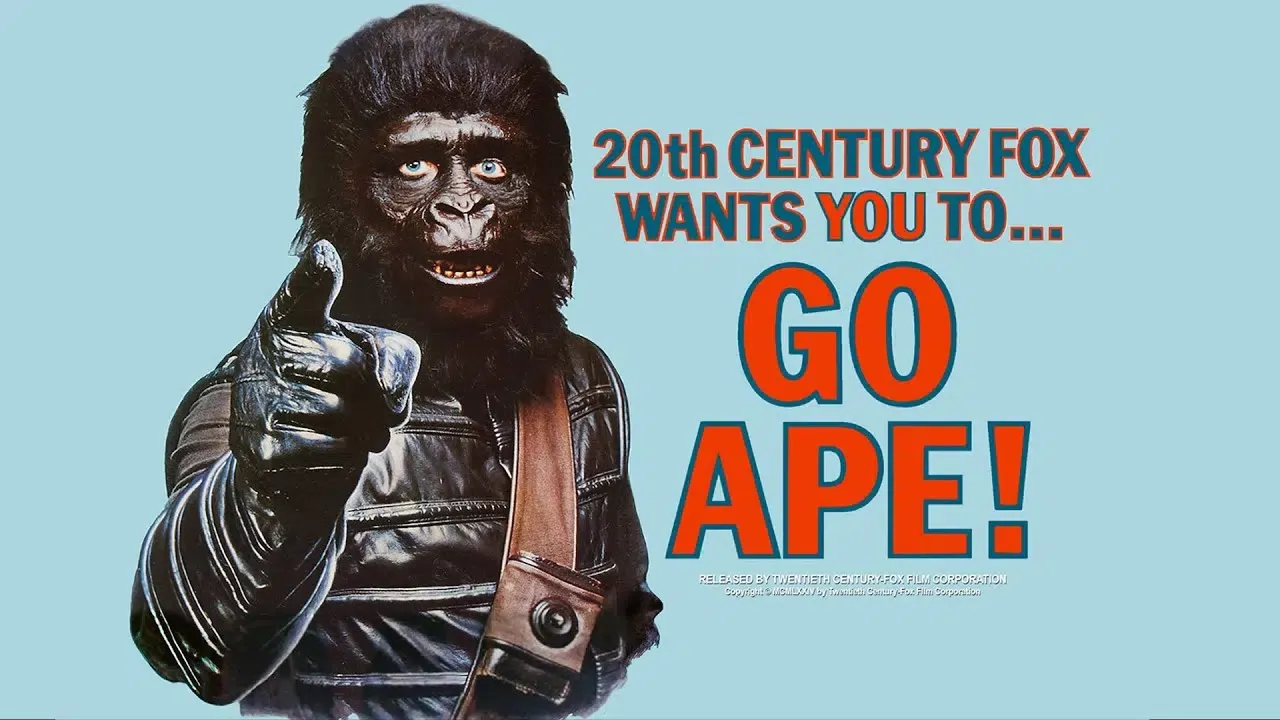
(While the suit actor strive to present us a vivid character, it’s still far from enough to get us fully immersed with the rigid leather uniform. )
Peter Jackson, the Game Changer.
Creating a believable humanoid character in fiction necessitates the use of cutting-edge visual effects technology and proficient directing abilities. Many of the well-known gorilla characters we see today, including Kong, Caesar, and Optimus Primal, are all the brainchild of Weta FX, the firm of the renowned director, Peter Jackson.
- Between 1933 and 1976, King Kong was made of artificial mechanical props. The initial version of King Kong wasn't quite large, just two 18-inch armatures.

(The stop motion armature used in King Kong, 1933)
This was then shot via stop-motion filming techniques. Although this method managed to instill a natural air of menace, it lacked the ability to convey delicate and nuanced expressions. This limitation accounts for why King Kong was often portrayed solely as a figure of terror for a long period of time.
Following the immense commercial success of Lord of the Rings trilogy from 2001 to 2003, to which he made contributions, Peter Jackson aimed to portray a unique version of Kong. This attempt necessitated more advanced visual effects technology, including the implementation of a photo-real fur system known as "Barbershop".
- “Barbershop” has made it possible to create a Kong that’s convincingly real and can exhibit biological features such as wounding and bleeding like a living creature.
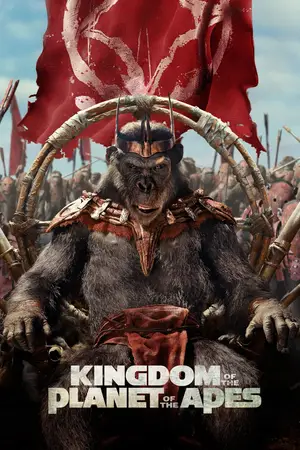
King Kong's triumph paved the way for the successful Rise of the Planet of the Apes in 2011. This shifted the portrayal of apes in films from mere symbols to profound, unforgettable characters. The blend of Weta's CGI technology and Andy Serkis's portrayal of Caesar resulted in an even more lifelike and credible character. His exceptional performance provided a window into Caesar's inner world for the audience.
From brutish monsters to complex and emotionally nuanced characters, apes have come a long way on the big screen. It's safe to say that apes are here to stay in Hollywood, with their roles and representations continuously evolving and challenging the way we perceive them.


Comments 0
No comments yet.