To my favorite Oscar losers: Let's move on to a new world
Industry
Hey there, the Oscar awards list for this year is finally out. No shockers really, everything's pretty much as expected:
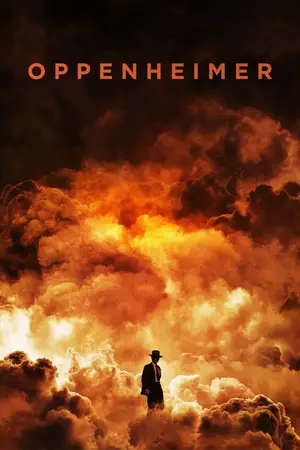
"Oppenheimer" bagged seven biggies: Best Picture, Best Director, Best Actor, Best Supporting Actor, Best Film Editing, Best Cinematography, and Best Original Score.
"Barbie" scored the Best Original Score for Billie Eilish's "What Was I Made For?".
Best Actress went to Emma Stone for "Poor Things," not Sandra Hüller in "Anatomy of a Fall."
"Anatomy of a Fall" won Best Original Screenplay.

Honestly, when I saw that Margot Robbie wasn't up for Best Actress, and Greta Gerwig didn't get a nod for Best Director after the nominations were announced, my interest in this year's Oscars kinda plummeted. So, I'm not that bummed about the final results as they were all pretty predictable. The Oscars are really just the same old self: conservative, traditional, and a bit of a yawn.
The Oscars kinda mirror Hollywood. And Hollywood reflects the film world, at least to some extent. And let's face it, the film world is still pretty much a men's club. That's the way it is, but it doesn't have to stay that way. When film first started out as a new, attractive, non-commercial thing, there were loads of women in the industry.
Alice Guy, the first female film producer in American history, directed almost 300 works, including "The Cabbage Fairy" (1896), "The Woman of Mystery" (1914), "The Great Adventure" (1918), and so on.
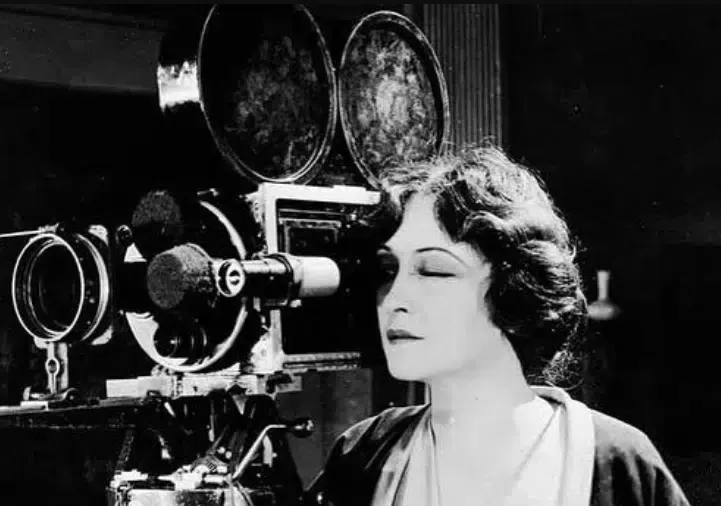
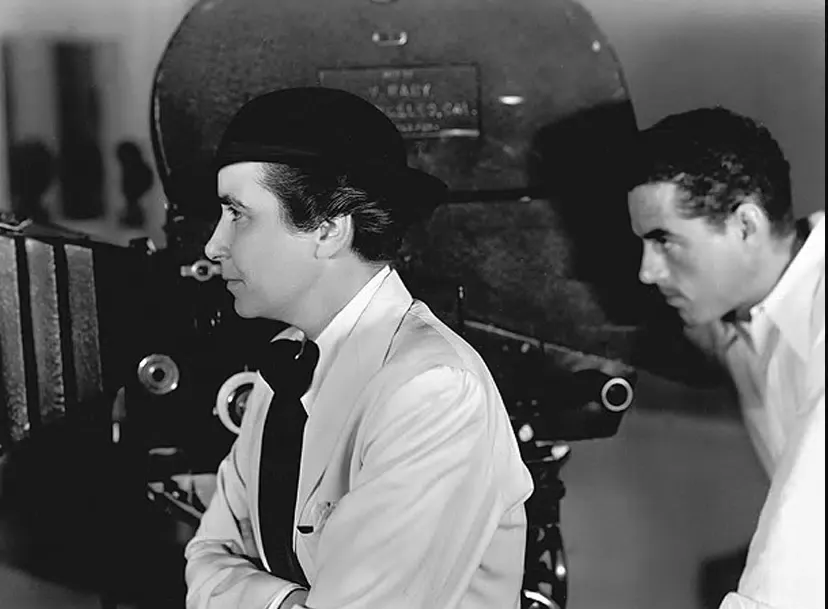
"Babylon" (2022), a movie about Hollywood's transition from silent to sound films, features a female director, Ruth Adler, who is based on the real-life Dorothy Arzner. The film shows how women were really involved in Hollywood before the big studios took over in the 1930s. Before 1925, during the silent film era, almost half of the film scripts were written by women. Lots of women worked behind the scenes. They were involved in film production and directing, and even started film companies.
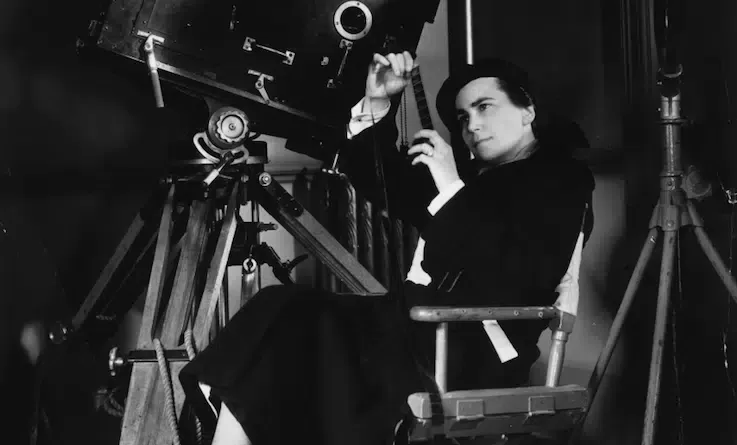
But after World War I, when the guys came back from the battlefields, the film industry went into mass production mode, and sound films became more commercialized and profitable. Then Wall Street, with all its capital, started to meddle in the film industry. Their meddling gradually pushed female filmmakers out of the industry, because investors seemed to prefer companies run by men. They believed that women knew nothing about business, and suddenly, the industry didn't need them anymore. Women were displaced from the so-called "high-level" film jobs. People started to think that they lacked a dramatic mind, and weren't suitable to be directors, producers, editors, and especially cinematographers. The investors thought the best job in the film industry for a woman was a movie star, where she would show her body in front of the camera.
And for nearly a century since then, women were gradually sidelined in the film production process, to the point where people just accepted it as a fact that women weren't cut out for making films.
So, there's this study called "The Celluloid Ceiling" by some really smart people at San Diego State University (SDSU). Over the last 26 years, it says that women made up only 22% of all directors, writers, producers, executive producers, editors, and cinematographers in the top 250 grossing films. This figure is actually 2% less than that in 2022, but a tiny jump of 5% since 1998. Movies with at least one female director have way more women in key roles than movies with all-male directors.
It's clear the film world is still a men's world. So yeah, for us ladies, it's totally normal to feel bummed and a bit cheated when it comes to the Oscars.
But let's not throw a pity party for "Barbie" or any other female filmmakers who didn't snag an award. The conversations these films and filmmakers started are way bigger than the Oscars.
They're not just my favorite Oscar snubs, but also history-makers.
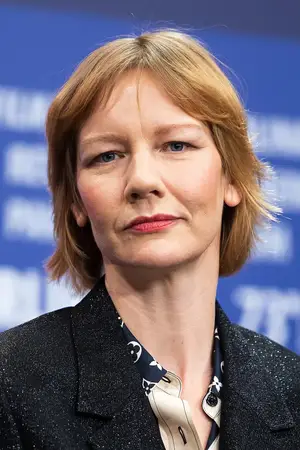
Take Hüller, for instance.

I personally think she deserved the Best Actress Oscar more than Stone. It’s not because the latter can't act, but because their roles were just on different levels.
"Poor Things" might be eye candy with all its killer costumes, but its story? Not so much. Stone's character Bella Baxter is just another male fantasy figure, and while her acting is strong, I just don't find the role inspiring. On the flip side, Hüller’s character in "Anatomy of a Fall" is a real woman without any gimmicks. She's subtle, complex, and vivid, allowing the audience to really contemplate her character and the film.
And because I'm a fan of "Anatomy of a Fall", I also have a soft spot for its director, Justine Triet.

Even though she didn't win Best Director, being the only female nominee is a big deal. "Anatomy of a Fall" is a game changer as it turns the film genres of crime and trial on their heads and makes the audience feel like they're part of the jury.
You can check out my thoughts on these two films in my previous articles.
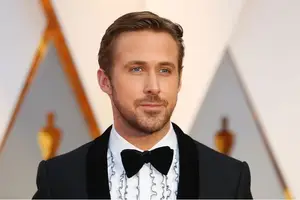
And let's not forget about Ryan Gosling. I honestly think his performance as Ken was more Oscar-worthy than Robert Downey Jr.'s.

Downey Jr's character in "Oppenheimer" was just... well, boring. And his attitude at the awards ceremony? Just as boring.
But Ken, played by Gosling, has become a part of pop culture and the subject of conversations about movies, gender, and patriarchy. Gosling’s commitment to and sincerity in portraying this role, in my opinion, make him more deserving of an Oscar than Downey Jr.

Now, let's talk about "Barbie", who's obviously my favorite.
I'm done arguing about why "Barbie" isn't a poorly made or shallow movie, and why it deserves an Oscar.
"Barbie" is groundbreaking. It's a simple, feel-good story that highlights the existence of patriarchy to a diverse audience of women. It's also taught us a way to identify patriarchy in the real world.
We spot a "man and horse" narrative in "Barbie", and after watching it, we can use phrases like "he’s just a Ken" or "the whole world is just a 'Kendom'" to call out gender inequality.
"Barbie" is like the red pill in "The Matrix". It's opened our eyes to a new world. And when we look back at the Oscars, we can clearly see that it’s old-fashioned, conservative, and male-centric. Everything's just a big Kendom, and "Barbie" is done arguing over it.
I'm not sad for "Barbie"; I'm sad for the Oscars.

So, yeah. The Oscars are still a thing, and so are all the awesome women who love and create movies. There's a whole crazy cool world out there. Let's clap it up for the good old days and the good old Oscars, then embrace the new era with anticipation.






Comments 0
No comments yet.