🇫🇷👨👦 THE SON IS NO MATCH FOR THE FATHER-THE SON REVIEW
General Reviews
The Son, directed by Florian Zeller, falls short compared to his previous The Father, despite focusing on contemporary illness. The characterization is bland and tedious, and the portrayal of depression is cumbersome. The film emphasizes the importance of taking depression seriously and explores the effects of parental divorce on children.

Zeller was a dazzling French novelist and playwright before he conquered the film world as a director. Whether on the page, the stage, or the screen, his works are focused on contemporary illness. The straightforwardness, guidance, and thoughtfulness constitute their social value beyond the artwork.
With the premise, The Son should have been a masterpiece, but it unexpectedly fell short. Compared to the Oscar-winning glory of The Father, it looks particularly shabby. In all fairness, The Son would certainly not be a bad film, if it were judged on its own, or ignored the director's achievements but bland and conservative. But obviously, the presence of the "father" magnifies the shortcomings of the "son."
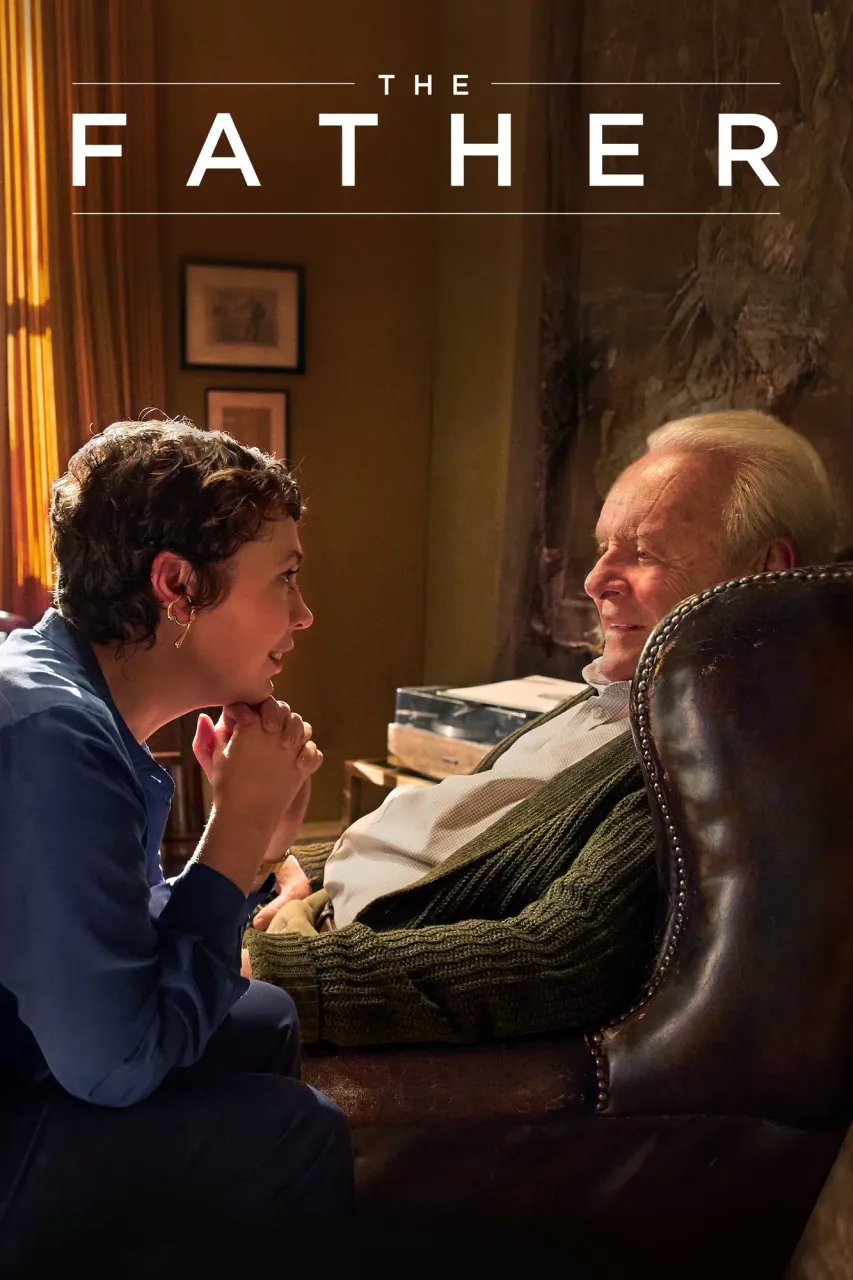
The Father
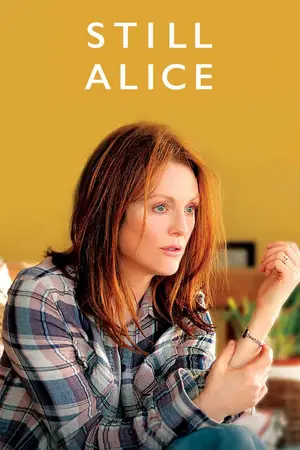
Many films tell the stories of elderly people with Alzheimer's disease. They typically adopt the narrative from the perspective of family members, sometimes with a slight overlook. For example, Still Alice (2014) tells the story of the onset of Alzheimer's disease, including several typical stages in the process from the initial memory loss to the eventual loss of the ability to care for oneself.

Julianne Moore has won numerous awards for this film.
But The Father's narrative approach is unique. The director and screenwriter have carefully designed many traps: blurring the concept of time with jumping back and forth looping edit; disrupting the feeling of space with the similar or identical room structure of apartment-clinic-nursing home; confusing the characters with the alternating and misleading performers. The audience is dazzled by the threadbare and misplaced development of the plot on all fronts. Like the elderly, they are plunged into deep confusion, doubt, aggravation, and inexplicable helplessness, and have a nightmare-like difficulty in waking up.
In addition to the deliberately chaotic structure, the dependent and tense relationship between father and daughter is portrayed throughout the film by Anthony Hopkins and Olivia Colman. When the final mystery is revealed, we realize that all the perceptions beyond the normal are not fiction, but the real perspective of Alzheimer's patients. The double shock from the story structure and the performance hit the audience's heart.

Space distortion is an old horror movie staple, and this film reveals a harsh truth to us through Anthony's eyes: seniors who are suffering from Alzheimer's disease may be faced with this fear of the ever-changing space around them all the time.
After seeing The Father, we naturally expect more from The Son. A flat narrative may not be a problem for other films, but this feels like, the higher the expectations, the greater the disappointment.
The Son
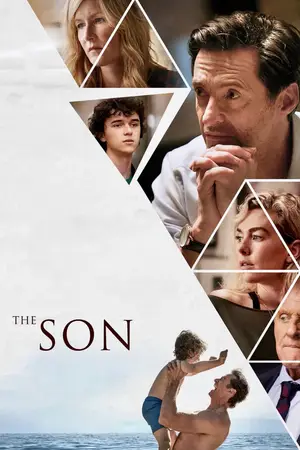
The hue of the picture constitutes the most dominant visual language. In Zeller's film, color alone can make people feel the temperature from the eyes that only the skin can. Blue, green, gray, white, and black - these colors make up the dominant color palette of The Son. It is completely cold and determined dark; warm reds and yellows brush our eyes only for a moment: the orange sweater the mother wears, the red jacket the mother wears, and all the rest of the moment the picture is cold. Like dipping the city and people into the cold sea, the transparent blue and green extend to the bottomless dark abyss.

I think The Son's lines are quite real, because many of the conversations really happened between me and my mom.
The director deliberately refrained from explaining the inner workings of his son Nicholas, which I recognized very much. For a depressed person, all elucidation is untrue and inaccurate. They have no ability to make their emotions fully perceivable to others through words. Inaccuracy is, instead, accuracy. But beyond that, the film's characterization is bland and even tedious.
Zen McGrath, who plays the son, is a very young actor. Although his performance is not bad, in watching the interpretation of the scene of the disease, we will still subconsciously compare him with Hopkins. You know, it is not easy to compare acting skills with Hopkins. Once Hopkins' guest appearance as Grandpa was on screen, the others were shaded.
The film is called The Son, but most of the film's close-ups are of his rich white father. Peter, the father played by Hugh Jackman, has an elite workplace background and a grand career, standing in front of a huge floor-to-ceiling window, behind which are the skyscrapers that symbolize status and assets. When a character like this says how he was a down-and-out kid, I find it hard to relate, because his business persona is very fleshed out, but his family figure is quite thin.
At first, like many viewers, I thought the son was the core. But in fact, Zeller's innovation in this film is that he plays with a small nesting structure in the intergenerational relationship. The son of the film's title refers to both Nicholas and Peter. When the grandfather appears, the film's literary nature is here like an aura, telling us that behind the problems of a father-son relationship lie the problems of another pair of a father-son relationship. Generational issues are cycling, reproducing loneliness, and pain-like genes. One son is lucky enough to grow up against the pain and seemingly become strong; the other one is not so lucky.

The movie itself is not terrible, just doesn't quite fit what we think this kind of movie should look like, more like a standard entertainment film to enjoy acting.
3 - Depression
The illness is no longer, and really should no longer be the ultimate suspense. All of the plots of this movie are to educate the audience that depression is a mental illness that needs to be taken seriously. But the fact that a middle-class family has no recognition of depression is clearly at odds with current perceptions. Unfortunately, the director does not balance the scales of drama and popularization well, resulting in a very cumbersome plot.
The movie portrays the onset of depression, which may bring more attention to the mental health of people with depression, especially teenagers, which is considered a movie for parents. However, the film does not tell the audience how parents should self-regulate when facing a depressed child. It's a bit unrealistic to expect a movie to accomplish universal medical science on depression. However, I think Zeller could have given the audience some spiritual support through this film.
Why do children get depressed? The film explores the impact of parental divorce on children at the marital level. Many plots demonstrate the pain of Nicholas as a victim of a broken marriage in a very honest way. That is exactly what concerns me: attributing depression to a specific external cause is a denial of the other causes of depression. For happily married couples, this attribution also risks making them less alert to childhood depression.



Comments 0
No comments yet.