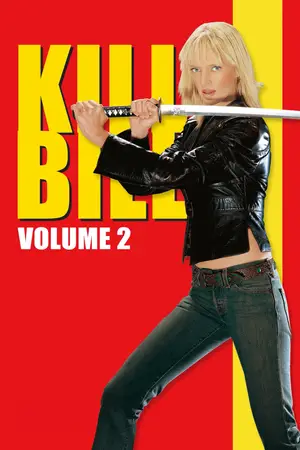
"Kill Bill", Quentin Tarantino's Homage to the Japanese movie "Lady Snowblood"
Information & Fun
Quentin Tarantino’s Kill Bill: Volume One is based a lot on the 1973 Japanese revenge film Lady Snowblood by director Toshiya Fujita. It is only fair to say that Kill Bill is adopted from “Lady Snowblood”, but Tarantino ripped it apart and put it back together in such a way that it became a huge homage to the previous film. Quentin also blends eastern elements perfectly with American B-movies, creating a lot of cinematic moments that make Kill Bill such an entertaining movie to watch.
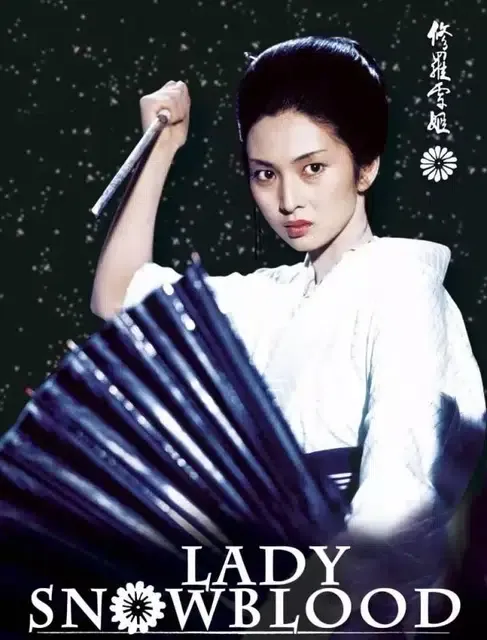
Let’s talk about “Lady Snowblood” first. With the end of the domination of the Tokugawa shogunate, Japan entered a period of the reign of the Meiji government. However, in the early years of the Meiji Restoration, a trend of imitating the West prevailed. At this time, bureaucrats, warlords, and bullies colluded with each other, severely imposing taxes and levies. As a result, riots arose.
Sayo Kajima, her husband Tora Kobayashi, and their son Shiro, were walking down the road until they were attacked by a gang of thugs thinking Tora was part of the new government because the husband wears a white suit(not traditionally Japanese clothes).
Kajima and the son are killed. Sayo is kidnapped and raped again and again by the villains. Sayo manages to kill one of her villains later during his sleep but is subsequently incarcerated for doing so. To raise a child to revenge her husband and son. Sayo seduces anyone she can in prison and finally gets pregnant.
“Lady Snowblood” centers on Yuki, the daughter of Sayo. Sayo ends up dying shortly after giving birth to her in prison. Before she dies, she says her child was "born for revenge." The film follows Yuki as she sets out to murder the three remaining villains that caused her mother’s suffering.
Now, let's compare the two and try to follow the trails of how “Lady Snowblood” inspired “Kill Bill”.
[1]
Lady Snowblood

Kill Bill

A POV shot from this extremely low Angle causes impactful effects, showing the disdain of the four enemies and the plight of the main character. The shot in "Lady Snowblood” is from the perspective of Saya, who is lying around the corpse of her husband, Kashima, gazing into the faces of her four enemies. While In Kill Bill, The shot in is from the perspective of The Bride (Uma Thurman) whose wedding gets raided, and everyone is killed. The Bride is also looking at the murderers of her husband and her unborn baby( in Kill Bill volume 2, we find out that her child is still alive).
[2]
Lady Snowblood

Kill Bill


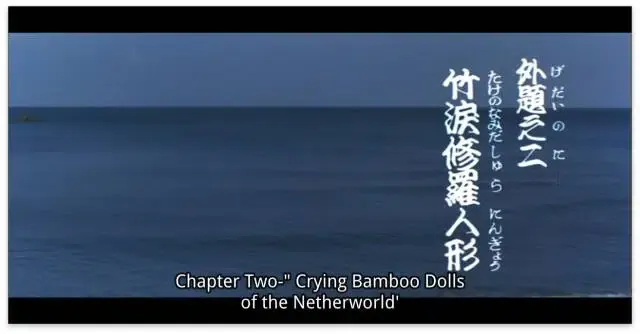
Chapters used in both films.
[3]
Lady Snowblood



Kill Bill

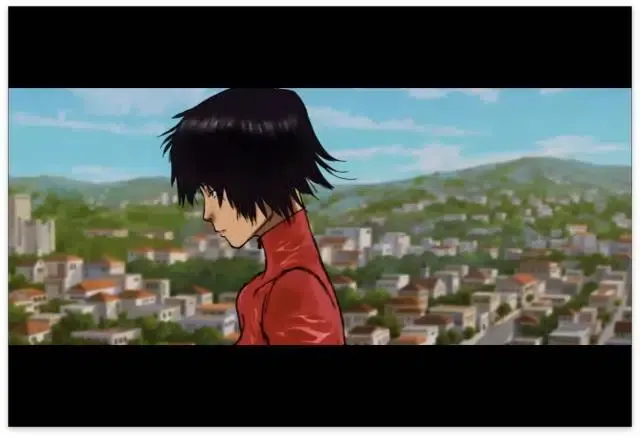
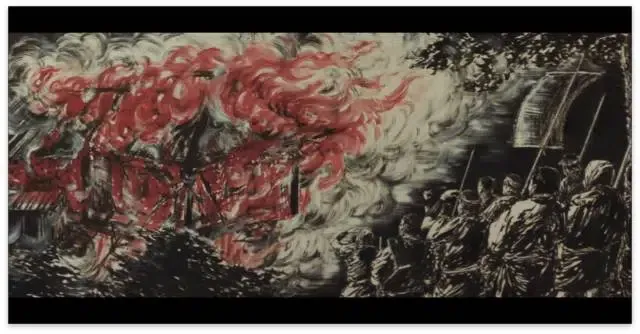
"Lady Snowblood" and "Kill Bill" all use comics as part of their narrations. The comics used in "Lady Snowblood” looks very poetic, probably because the movie is based on the famous manga of the same name.
The animated scene in Kill Bill is also one of the most cinematic moments of the movie.
[4]
Lady Snowblood


Kill Bill


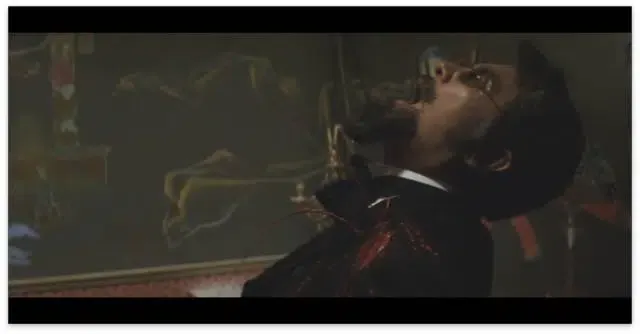
The same kind of over-the-top blood spraying technique was used in both "Kill Bill" and “Lady Snowblood”. The texture and color of the blood in "Kill Bill" is more realistic considering the fact that “Lady Snowblood” is a movie shot in the 1970s.
[5]
Lady Snowblood

Kill Bill

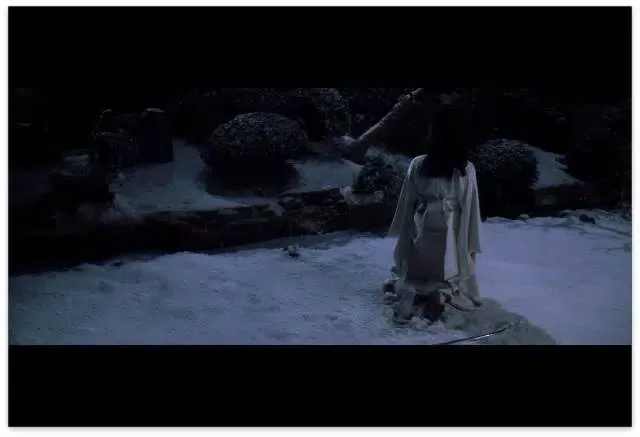
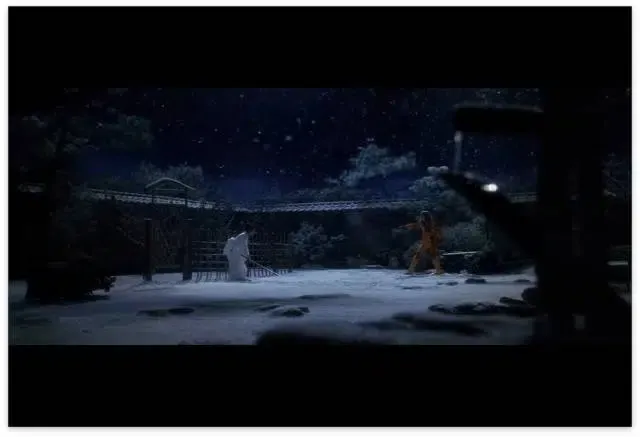
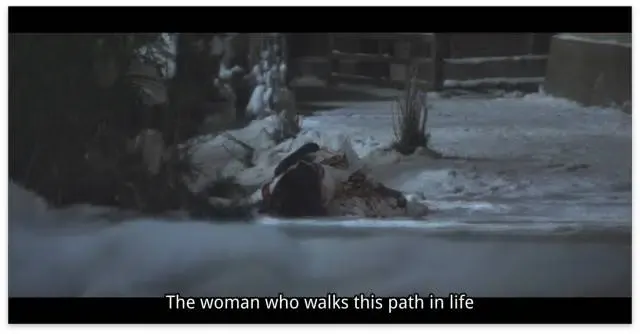
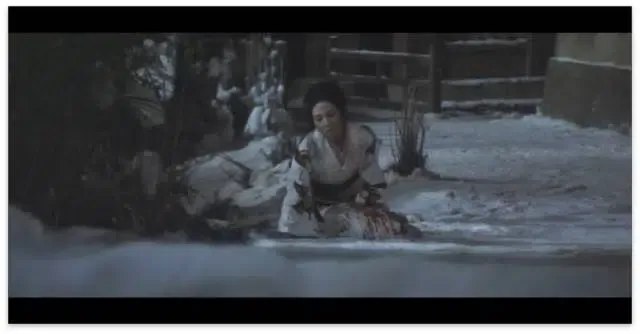
The snow scene in “Kill Bill” is very similar to the snow scene in “Lady Snowblood”. Both of the scenes are at the end of the movie. Although the plot is completely different, the atmosphere is alike. The snow, the kimono, and the Japanese knife. Quentin chose the theme song of "Lady Snowblood" as the bgm at this moment as an homage to “Lady Snowblood”.
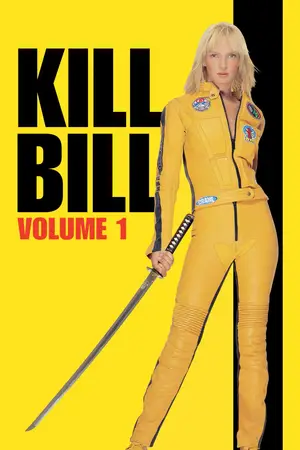
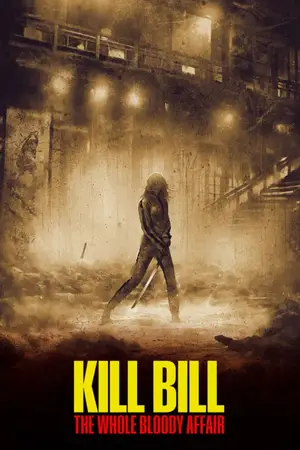
Here is a video about the similarities between these two films.



Comments 0
No comments yet.